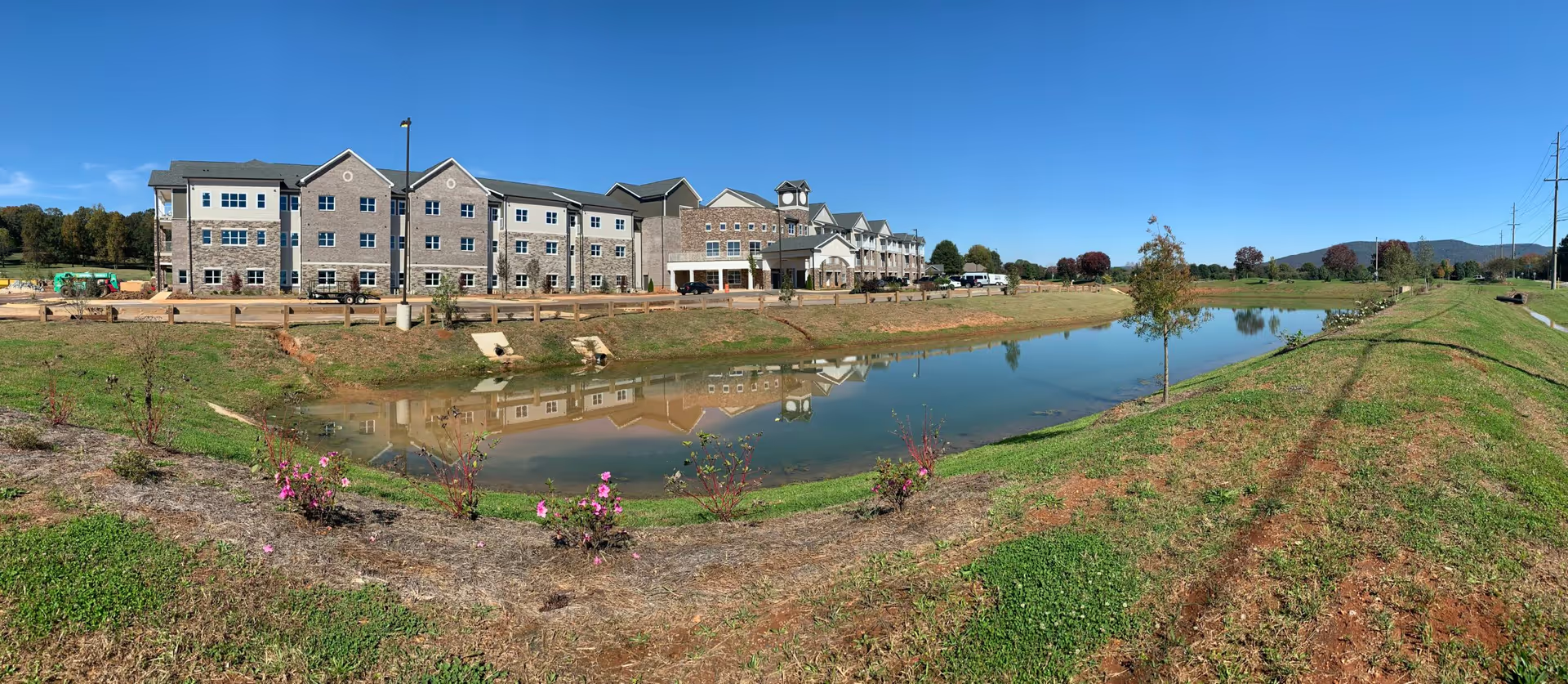
Across the reviews, Regency Retirement Village of Huntsville is characterized by two clear and contrasting patterns: a consistently well-appointed physical environment and a highly praised therapy/daily-life program, paired with operational inconsistencies that can affect clinical care and family confidence.
Care quality and clinical services receive strong positive comment in many accounts. The facility's rehabilitation and therapy teams—physical, occupational, and speech—are frequently described as effective, individualized, and instrumental in short-term recoveries. On-site skilled nursing and a full continuum of care are important strengths for residents who need seamless transitions between levels of care. At the same time, several families raised substantive concerns about medication administration timing, coordination with imaging or outside providers, and the reliability of routine clinical responses (call-light response, medication delivery). These issues translate into uneven experiences: some residents show measurable improvement under staff care, while others required persistent family advocacy to obtain timely assistance.
Staffing and staff behavior present a mixed picture. Many reviewers name caregivers, nurses, and front-desk personnel as compassionate, respectful, and attentive; housekeeping and dining staff also receive repeated praise for cleanliness and helpfulness. However, reviewers also describe high turnover, frequent leadership changes, and weakened staffing particularly on weekends or in memory-care areas. The operational consequences described include delays in routine personal-care assistance (bathing, toileting support), inconsistent supervision for residents with cognitive impairment, and variability in staff clinical competency. These patterns suggest the facility can deliver very good day-to-day care when staffing and leadership are stable, but that quality is sensitive to staffing fluctuations.
Dining, activities, and amenities are among the facility’s strongest attractions. The community offers an active calendar—games, outings, live entertainment, exercise classes—and convenient amenities such as a salon, pool, courtyards, and organized transportation. Dining is often praised for meal variety and presentation, and many families point to a communal dining environment that supports social engagement. That said, reviewers also note inconsistency in food temperature and occasional declines in meal quality, so dining experiences can vary by day and by unit.
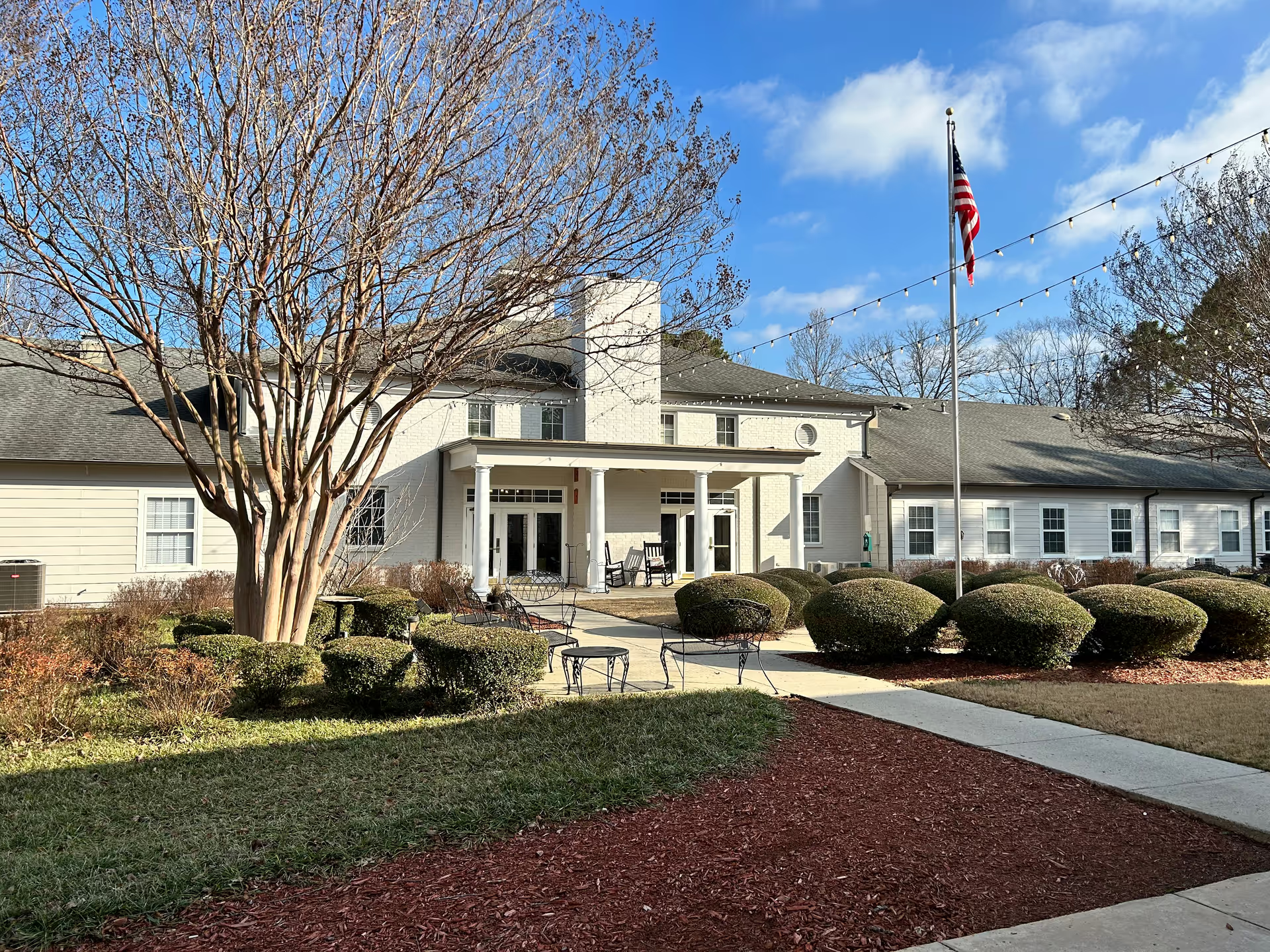
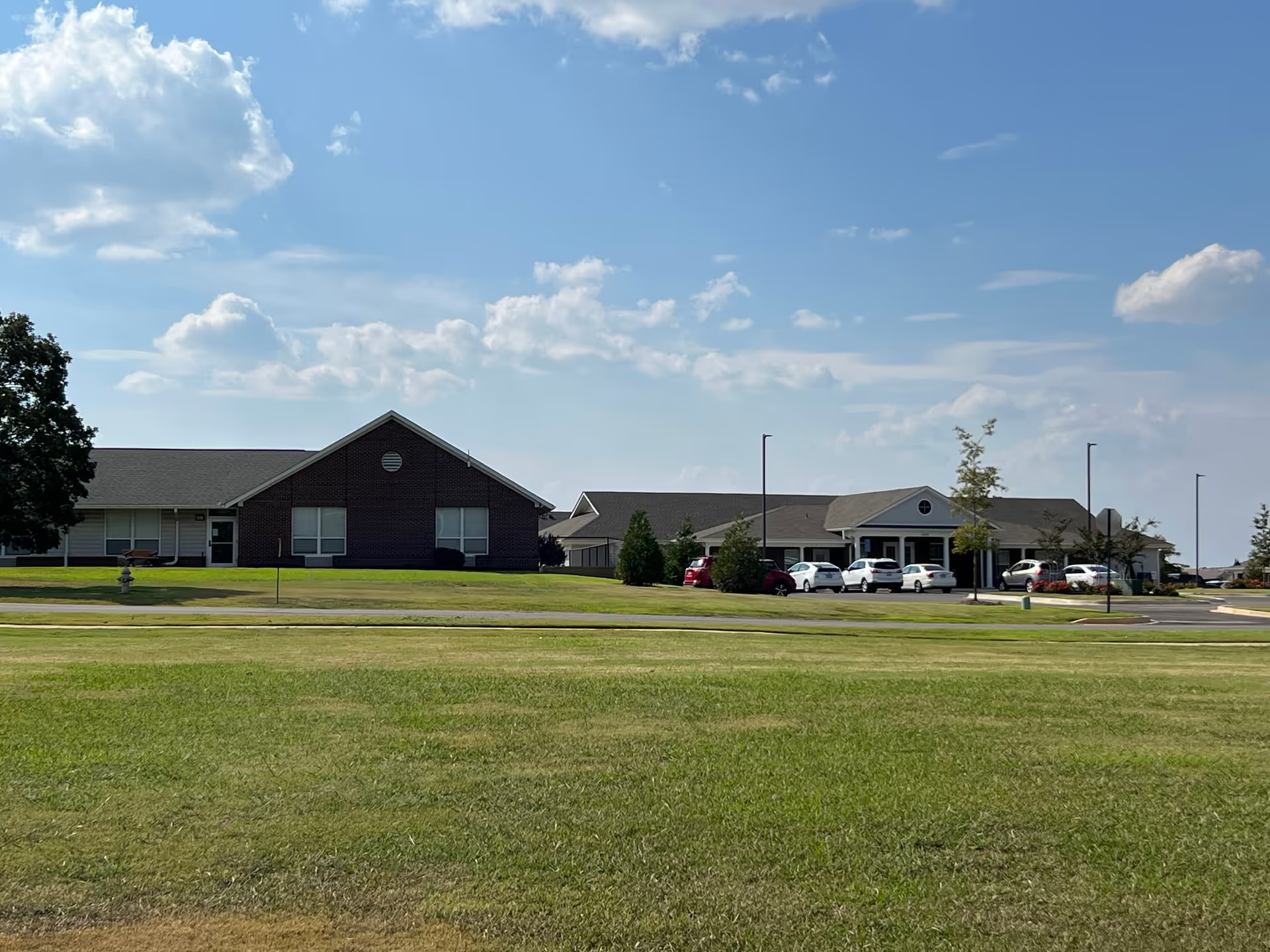
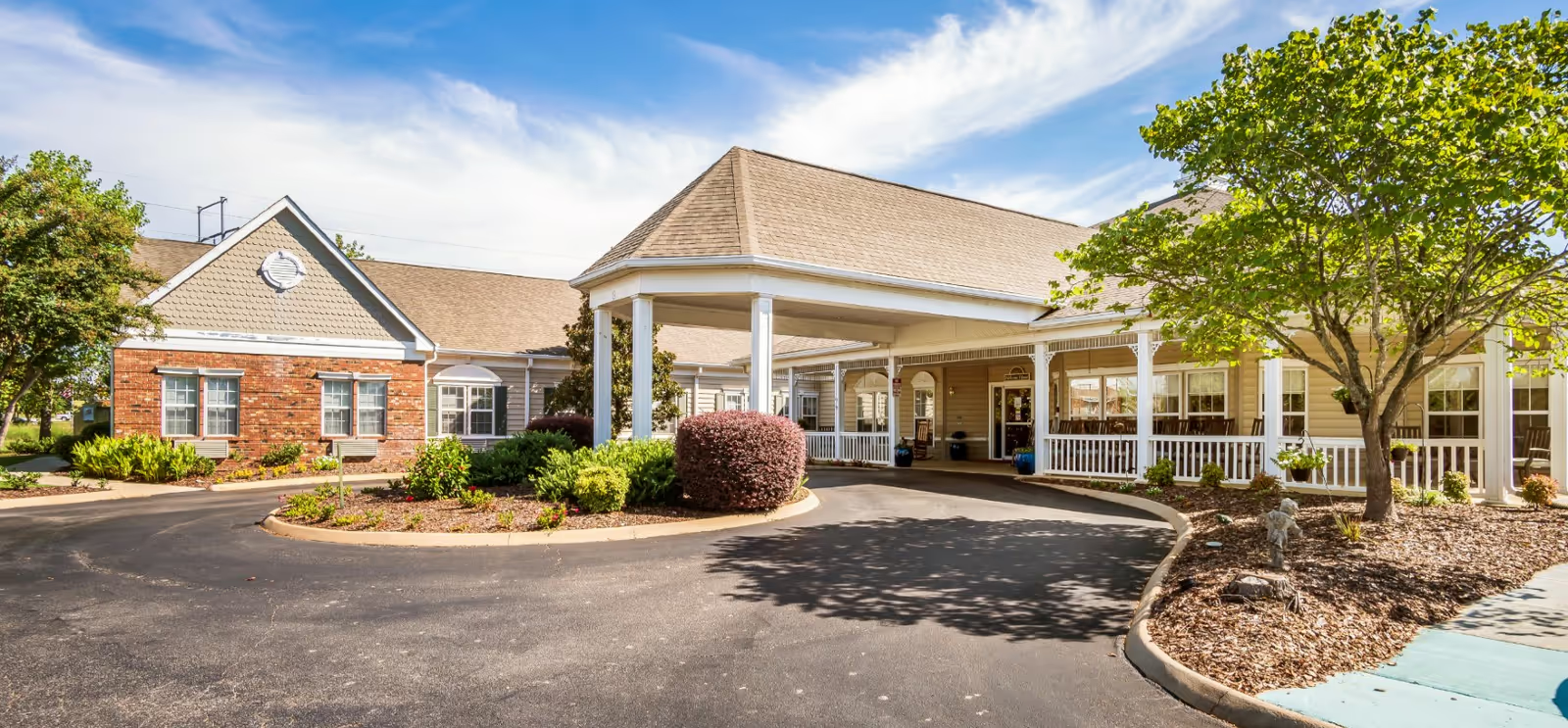
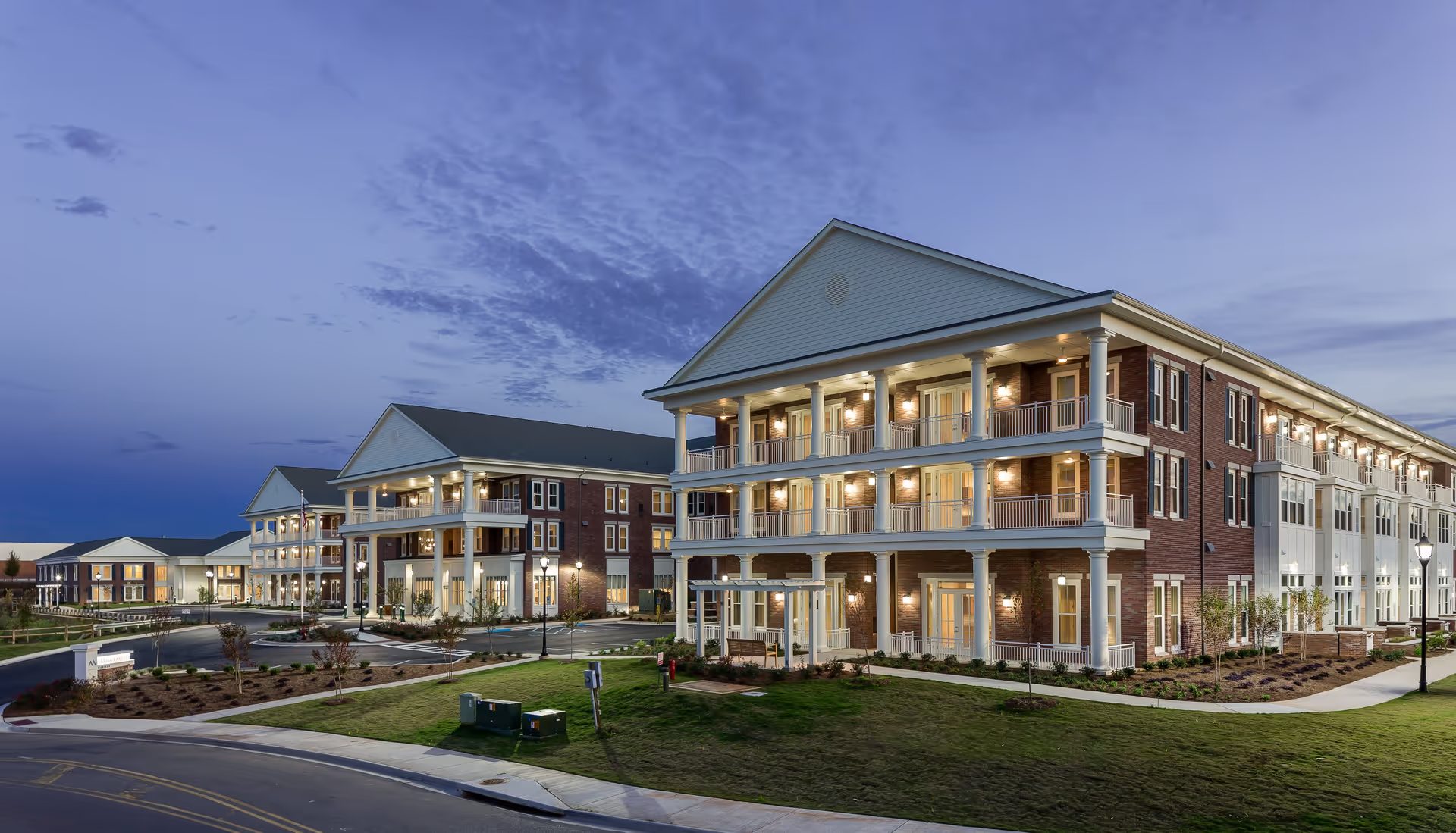
Facilities and housekeeping are generally described positively: the campus, common areas, and many apartment units are clean, modern, and well-maintained, with attractive outdoor spaces. Some reviewers noted older sections, ongoing renovations, or unit-level maintenance shortfalls (interior cleaning attention, exterior storage limitations, parking-lighting), and a small number of reviews flagged sanitation or pest-control concerns that prospective families should evaluate on a tour.
Management and operational leadership emerge as a recurring concern. Multiple accounts reference frequent executive turnover, gaps in management availability, and inconsistent communication with families—particularly around clinical incidents, diagnostic results, or end-of-life updates. There are also financial concerns: several reviewers mention fee increases and additional charges for required services (sitters, companion care) that affect affordability. A few reviews describe abrupt or difficult administrative decisions; these should be explored directly with leadership during a visit.
Notable patterns for prospective residents and families: the community can be an excellent choice for short-term rehab, therapy-driven recoveries, and for residents who will benefit from active programming and a well-kept campus. Families seeking long-term placement for persons with advanced dementia or high supervision needs should exercise caution: ask targeted questions about dementia care staffing ratios, fall-prevention protocols, personal-care schedules, medication-administration policies, and weekend staffing. Also request documentation on infection-control, pest-control, and recent sanitation audits, and clarify fee structures and escalation procedures for clinical concerns. During a tour, observe staffing levels on weekends or evenings if possible, meet the nursing leadership, and review written protocols for family notification and medication management.
In summary, Regency presents strong environmental, therapeutic, and social offerings and a core of committed staff who receive frequent praise. Those strengths coexist with operational variability—staffing consistency, clinical reliability, family communication, and management stability—that materially influence resident experience. A careful, targeted tour and specific operational questions will help determine if the facility’s current level of staffing and leadership aligns with an individual resident’s clinical and supervision needs.