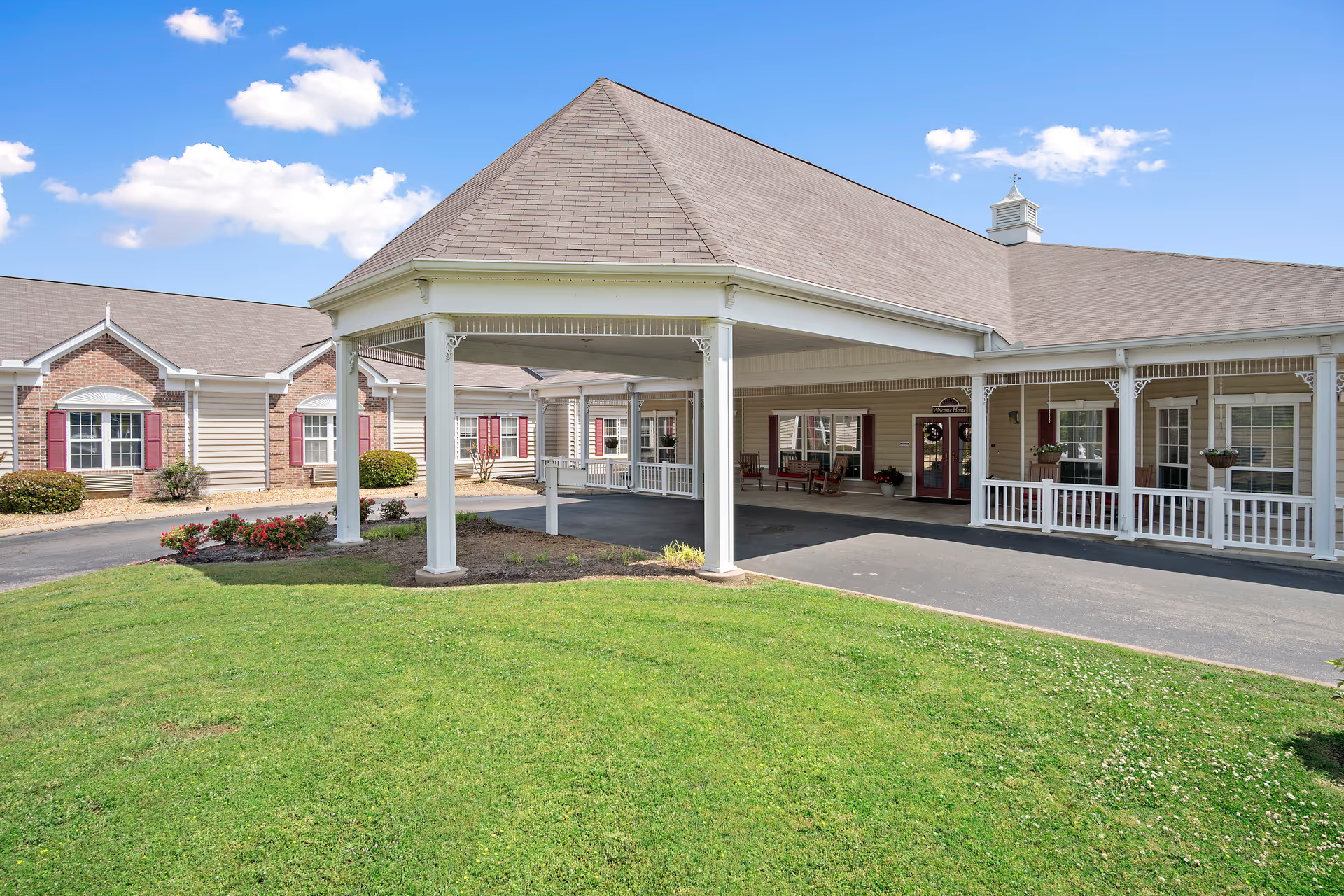
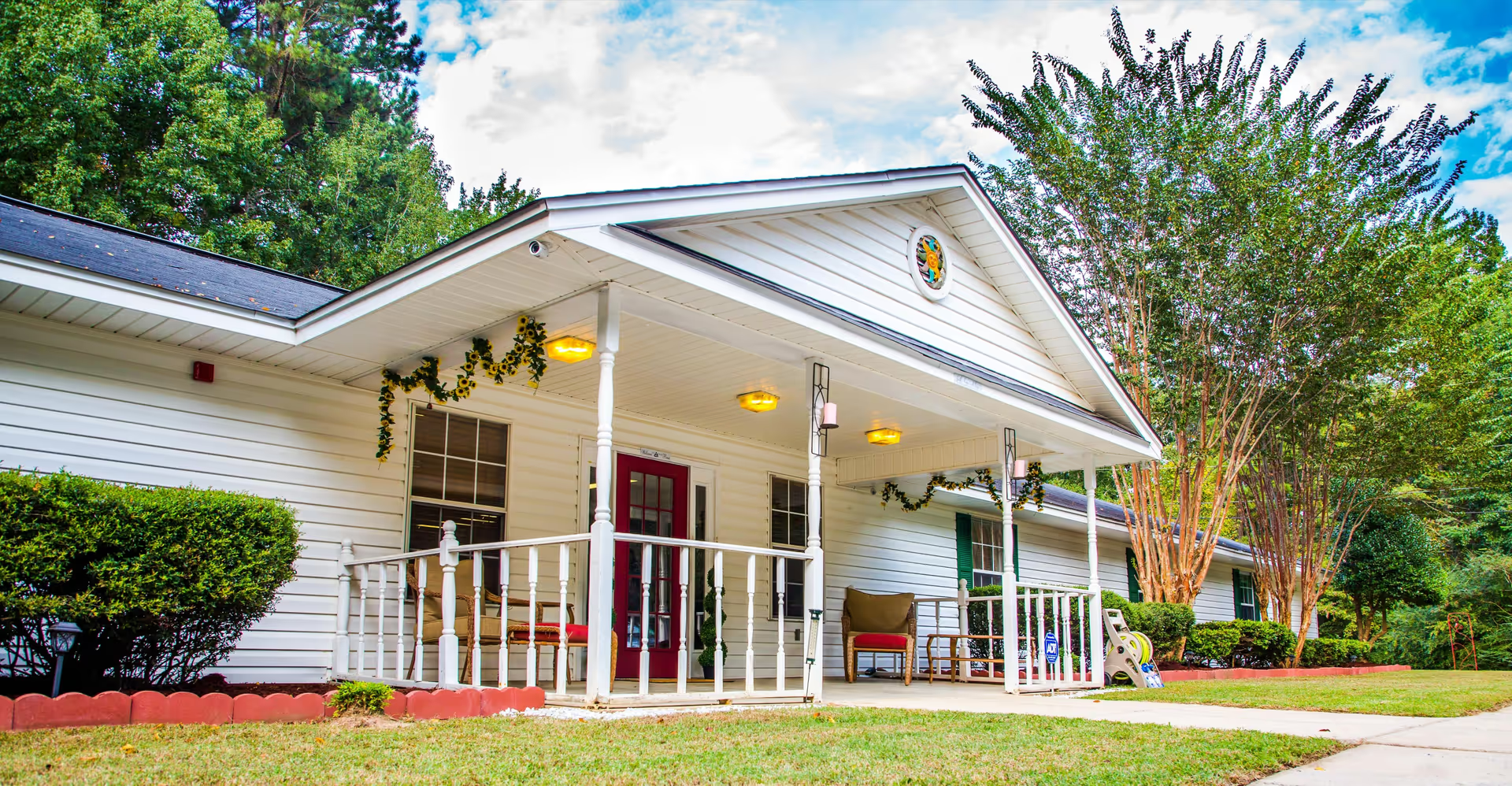
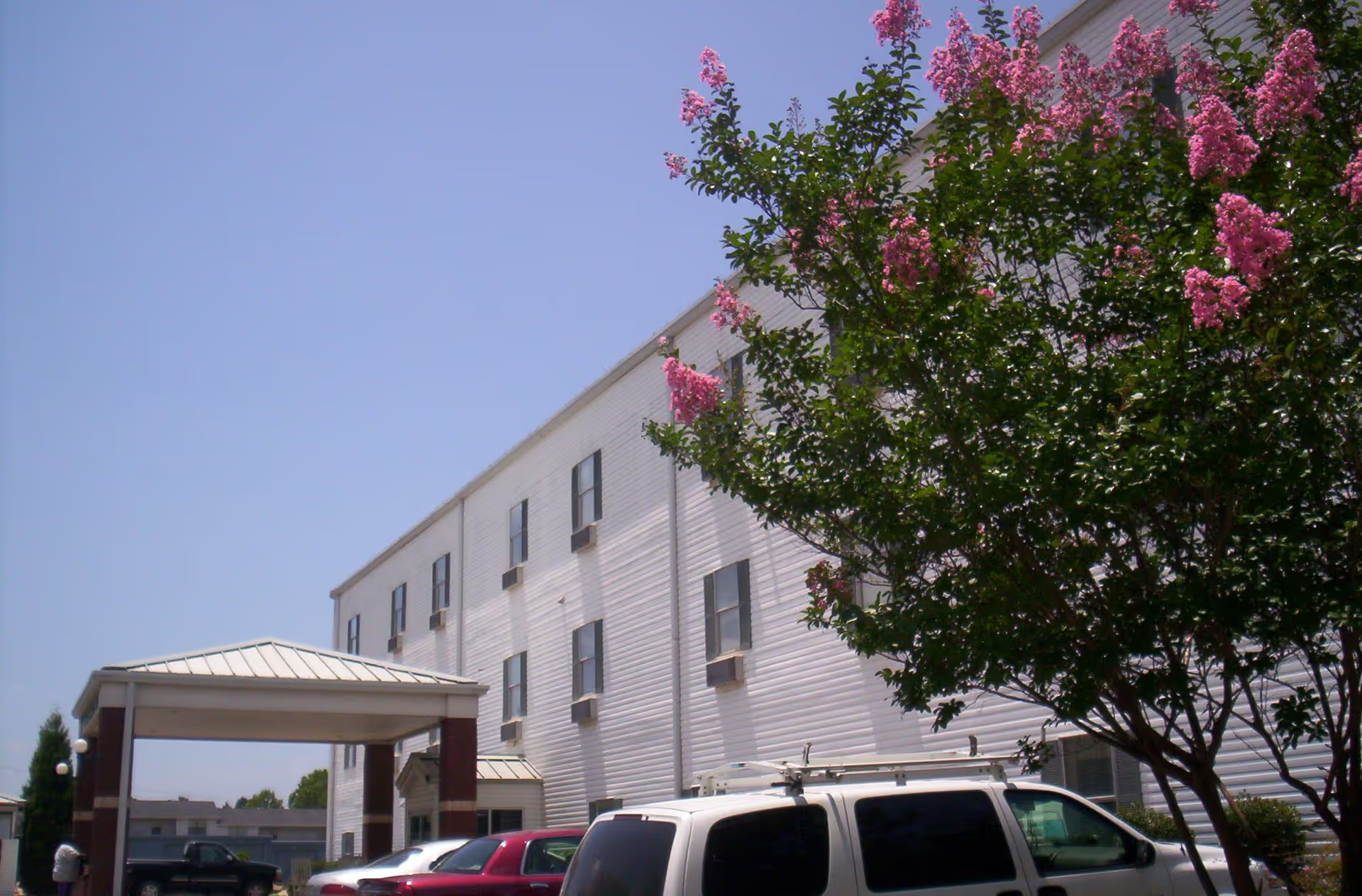
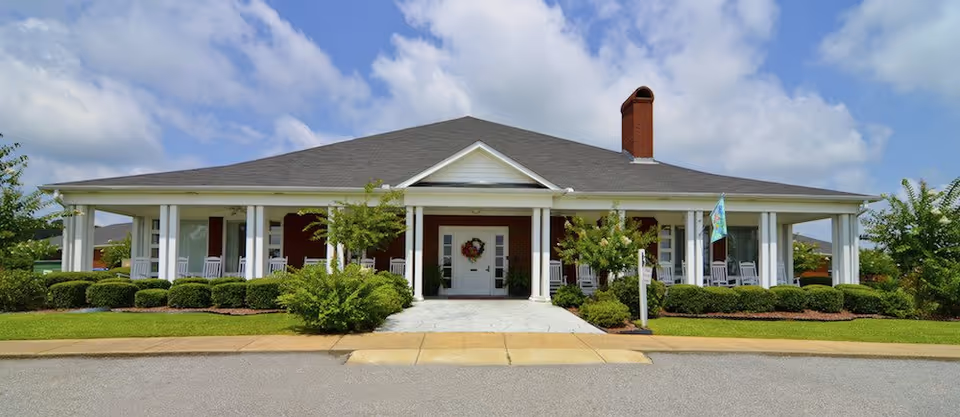
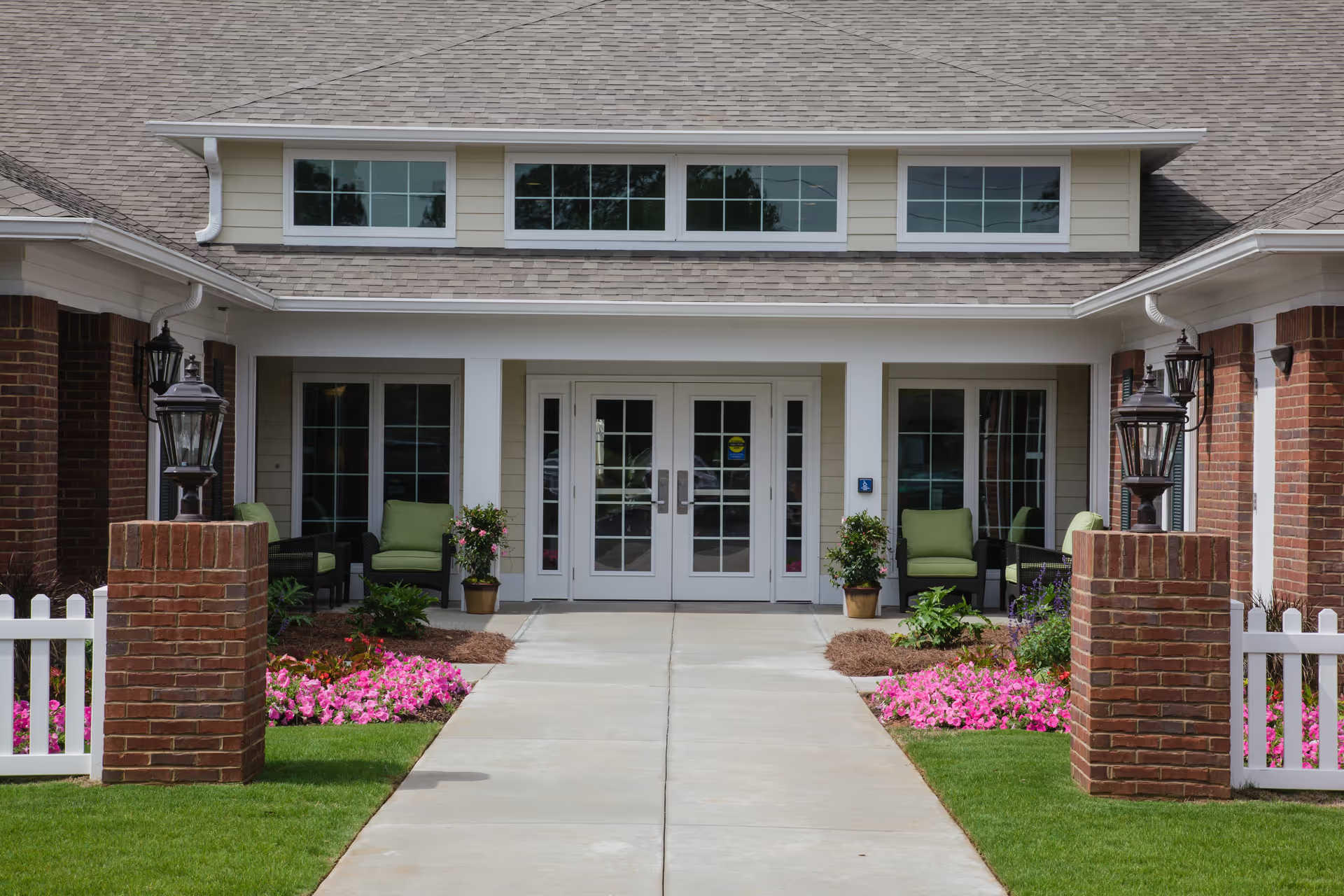
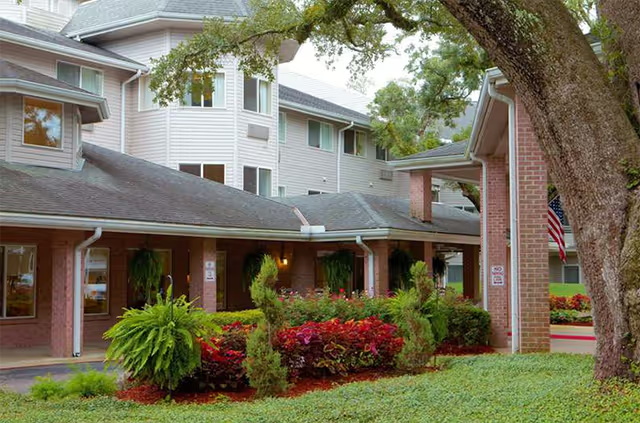
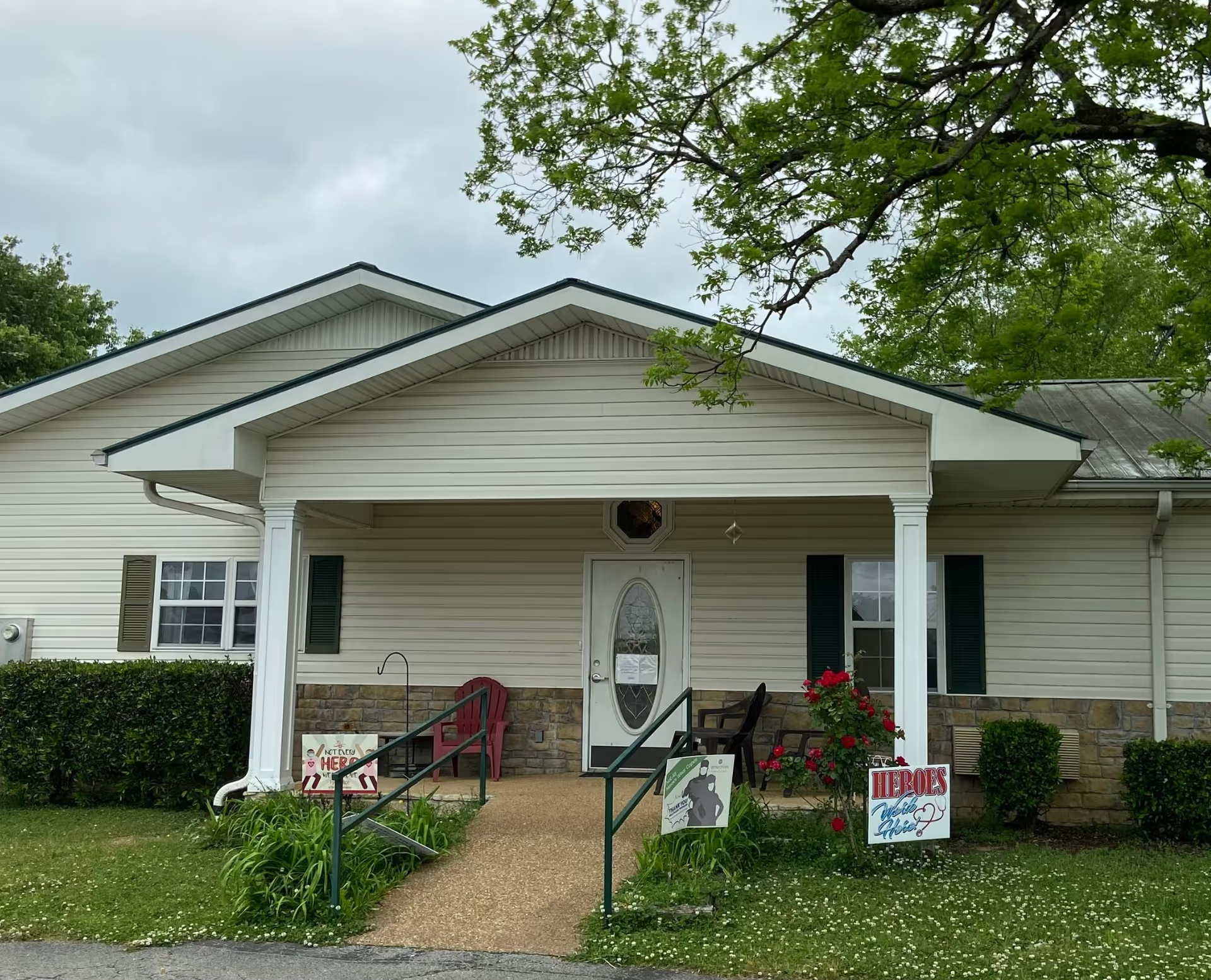
Overall impression: Reviews present a largely positive picture of Shadescrest Health Care Center, particularly praising the interpersonal culture, therapy services, and the facility’s physical environment. Many families and visitors emphasize a clean, well-maintained interior with spacious corridors, high ceilings, pleasant artwork and recent dining-room updates. The facility is frequently described as welcoming and home-like, with staff who create a warm atmosphere and prioritize resident dignity.
Care and clinical services: Clinical oversight receives positive comments, including hands-on nursing and an engaged director of nursing. Reviewers consistently highlight an effective rehabilitation program and measurable progress in therapy, with some residents receiving therapy sessions twice daily. Several accounts describe attentive direct care, CNA assistance at meal times, and individualized attention that contributes to perceived good outcomes during short-term rehab stays.
Staff and communication: Staff demeanor is a repeated strength — reviewers use terms such as kind, compassionate, polite and personable. Many families note that staff foster social interaction and emotional well-being, helping residents feel comfortable and connected. However, there are recurring communication issues: a number of reviewers noted gaps in phone responsiveness and instances where family communication about clinical updates could be improved. Management engagement at the director level is viewed positively, but reviewers describe variability in how consistently communication and responsiveness are executed across shifts.
Dining and activities: Dining and social programming are described positively. New dining-room furniture and an appealing dining area were noted, and multiple residents reported being satisfied with meals. Activity programming is robust, with bingo, movies and frequent social offerings; reviewers credit staff for organizing and encouraging participation, contributing to a lively environment for long- and short-term residents.
Facilities, safety and infection control: Physical spaces are generally praised for being roomy, bright and aesthetically maintained, with patios and outdoor access noted. Visible staff presence and escorting practices are seen as contributing to resident safety. At the same time, a minority of reviewers raised sanitation concerns specifically in some resident rooms and expressed that housekeeping practices can be uneven. Visitor logistics are another area of concern: constrained seating during visits, restrictive visitor flow in certain situations, and inconsistent visitor monitoring at entry points were described. There are also occasional comments about unclear communication around infection-control status for prospective admissions.
Notable patterns and practical implications: The dominant themes are strong interpersonal care, an effective rehab program, and a pleasant physical environment. Counterbalancing those strengths are operational inconsistencies — principally in housekeeping, staffing/oversight variability, and family communication pathways. Prospective residents and families may benefit from asking targeted questions during a tour about room-cleaning schedules, peak staffing times, how clinical updates are communicated, visitor-space availability, and current infection-control procedures to confirm that these operational details meet their expectations.