Water Oak Villa is portrayed across the summaries as a small, family-oriented memory-care facility with strong emphasis on personalized attention and compassionate caregiving. Families consistently highlight attentive, respectful staff and competent nursing support; a named head nurse received specific recognition for responsiveness. Clinical oversight is described as robust for a facility of this size, with on-site physician visits and a nurse practitioner available on call, contributing to family confidence in medical management.
Dining and daily-life elements are repeatedly cited as strengths. Meals are characterized as nutritious and well prepared by capable chefs, and dining areas are described as comfortable and home-like. Activity programming appears focused on social engagement and accommodations for residents with dementia or Alzheimer’s disease: reviewers report residents who are more engaged, smiling, participating in activities, and showing improvements in weight and mobility. The facility’s small scale is presented as an advantage for social interaction and individualized attention, producing a familial atmosphere and peace of mind for families.
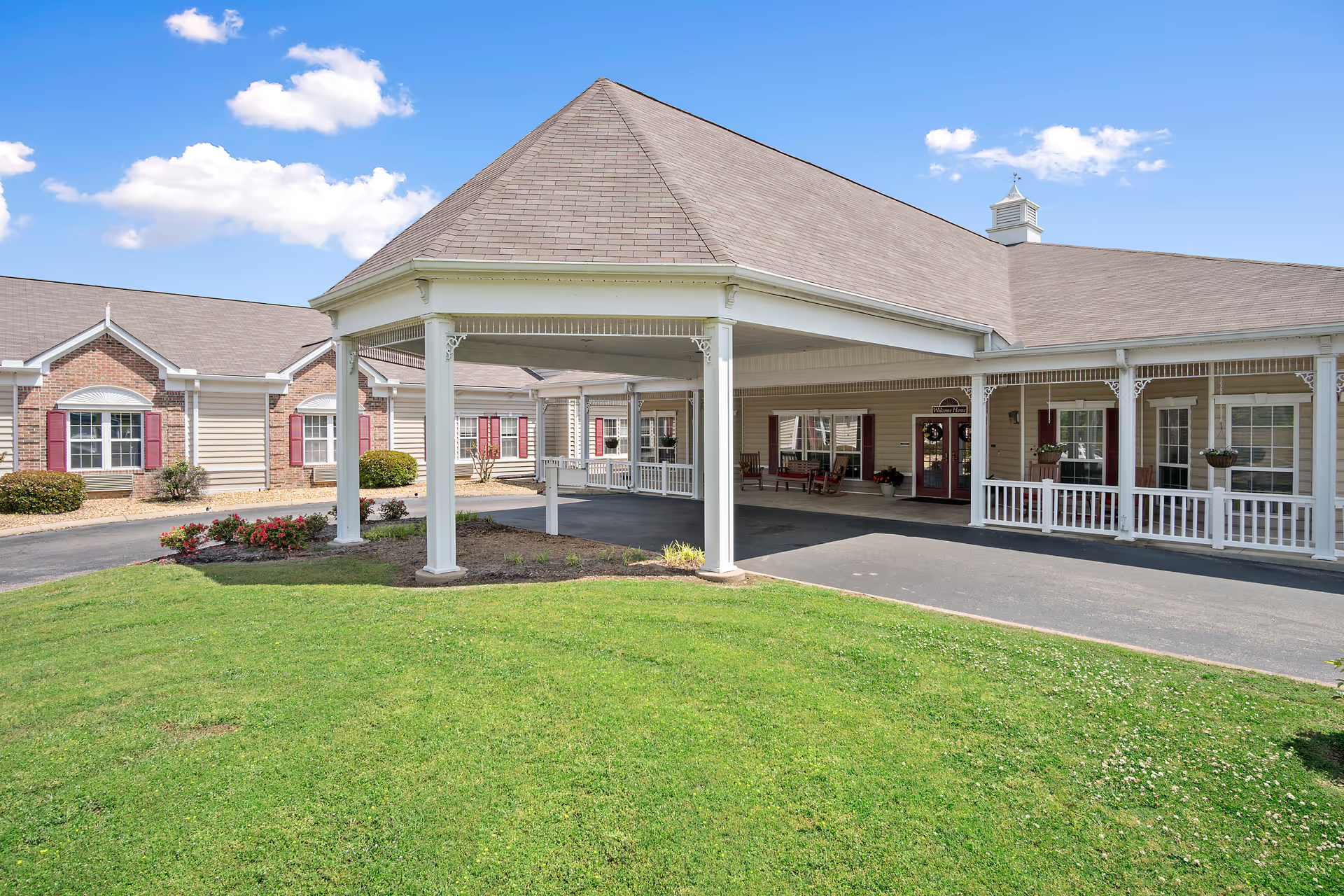
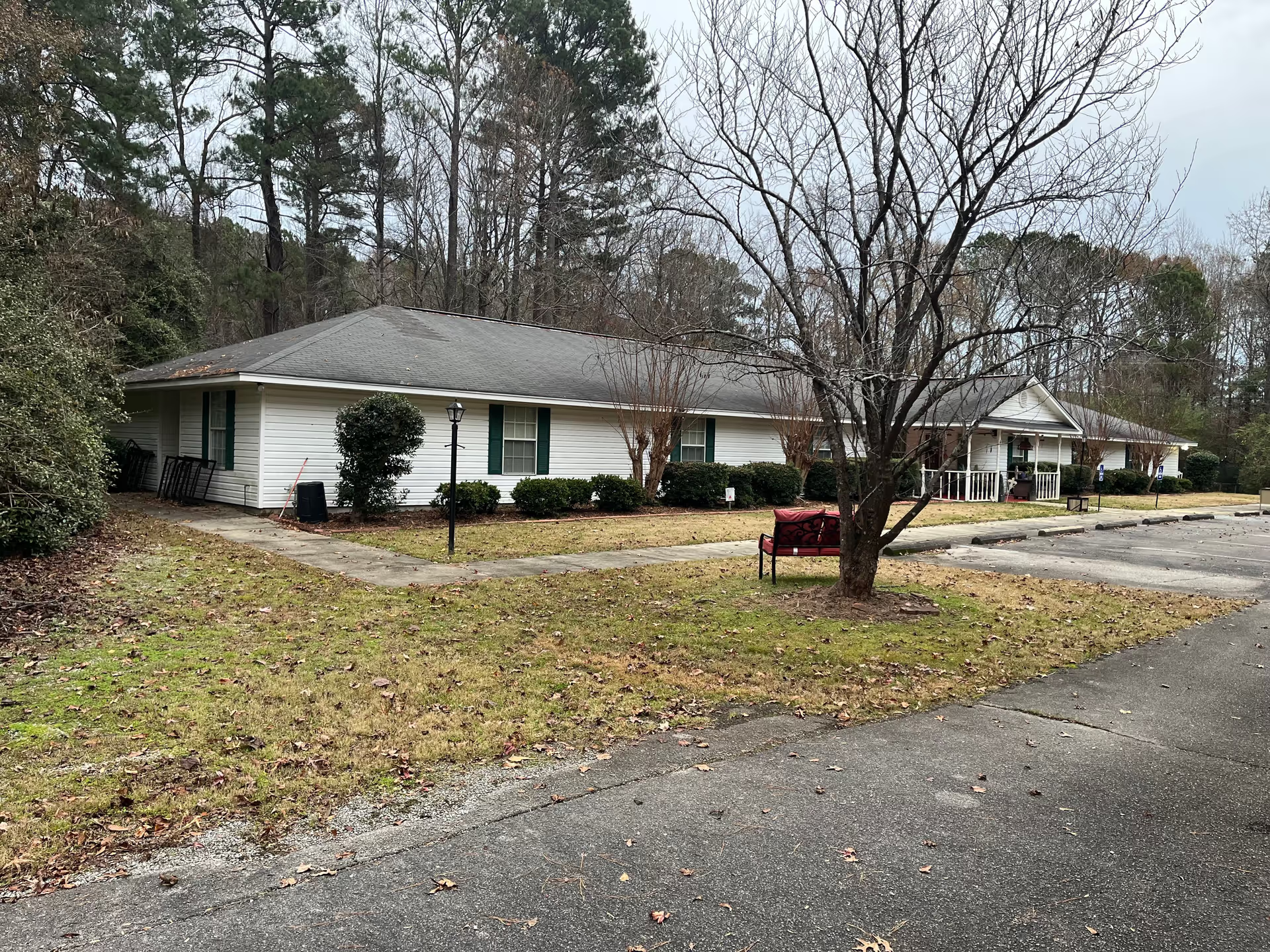
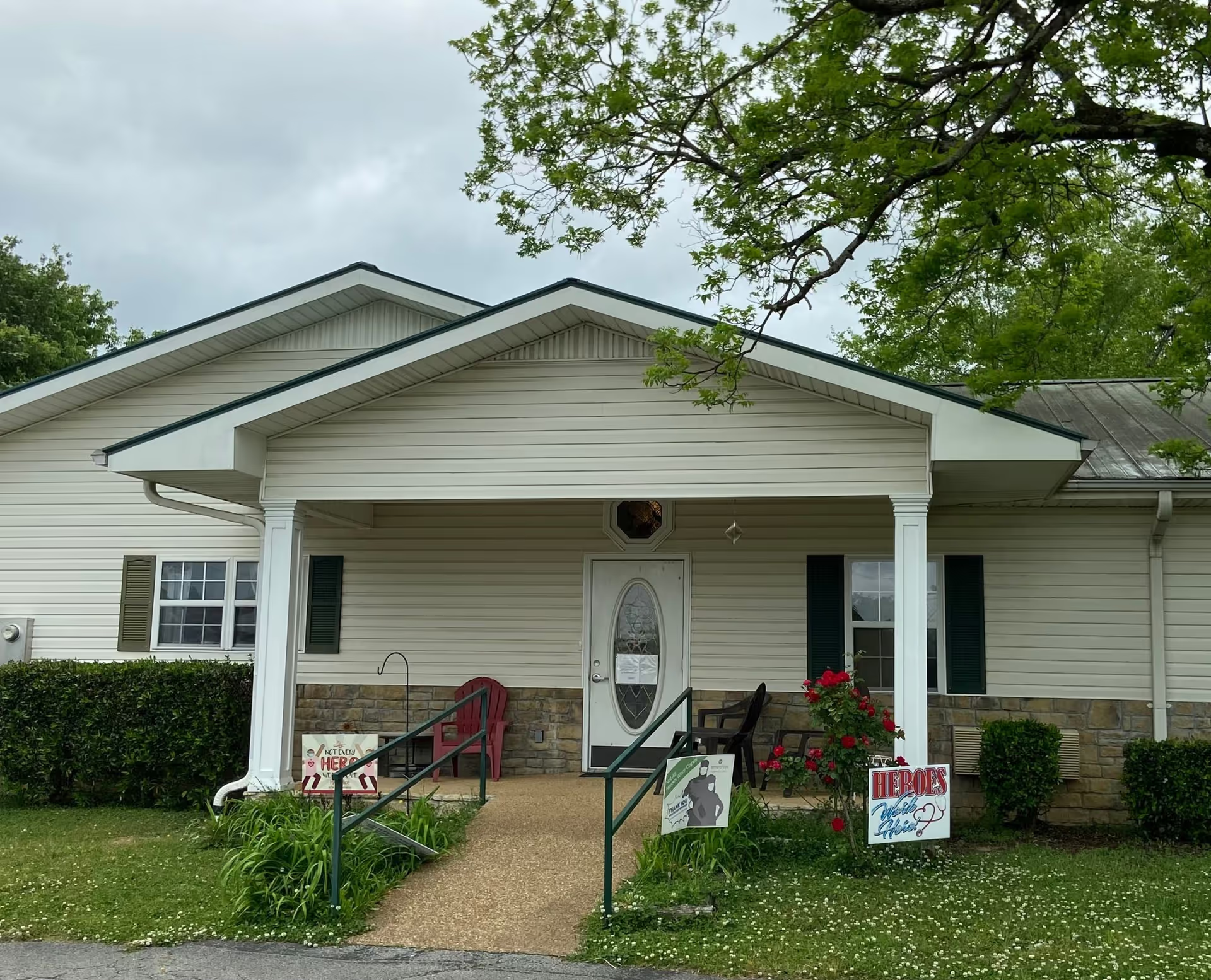
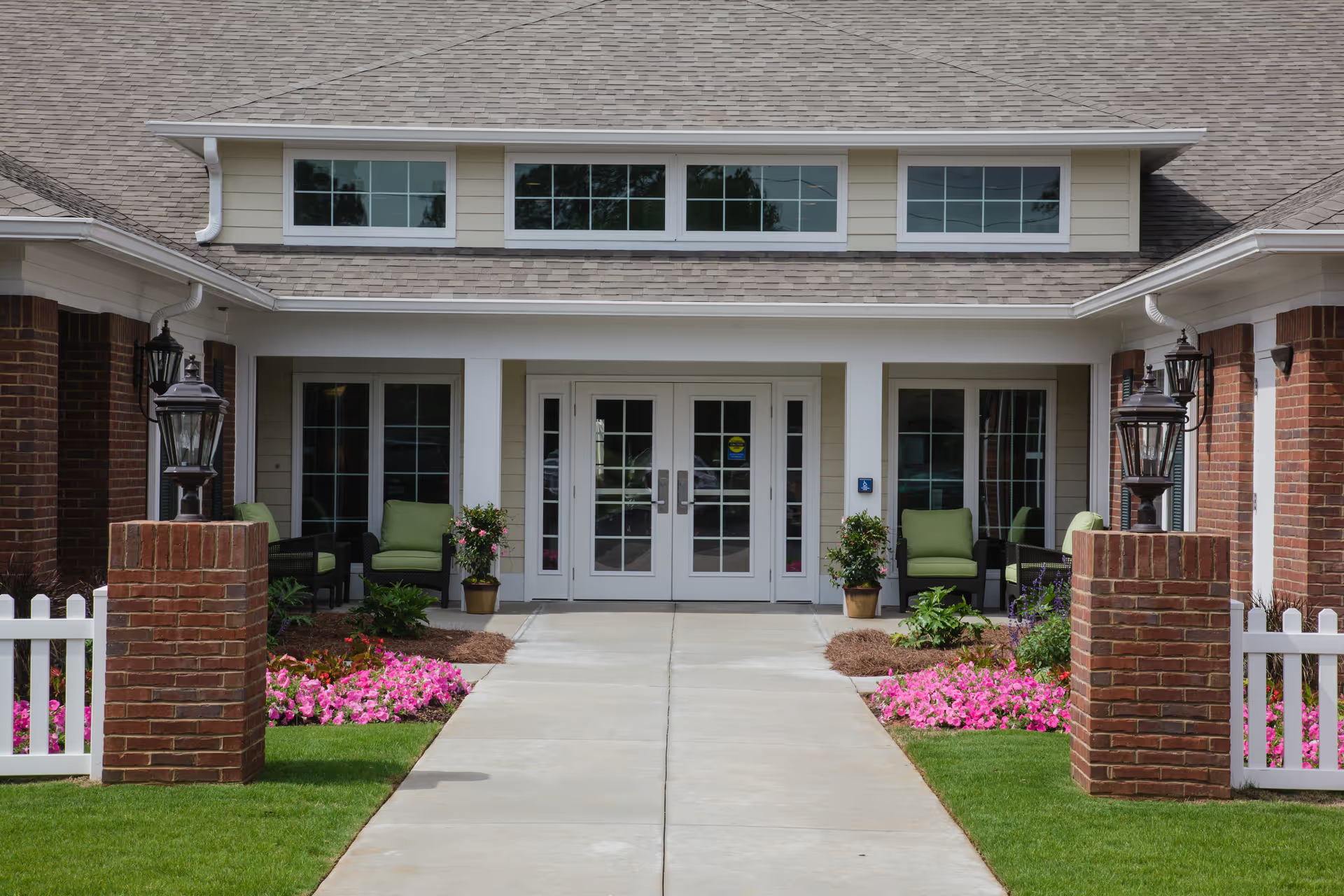
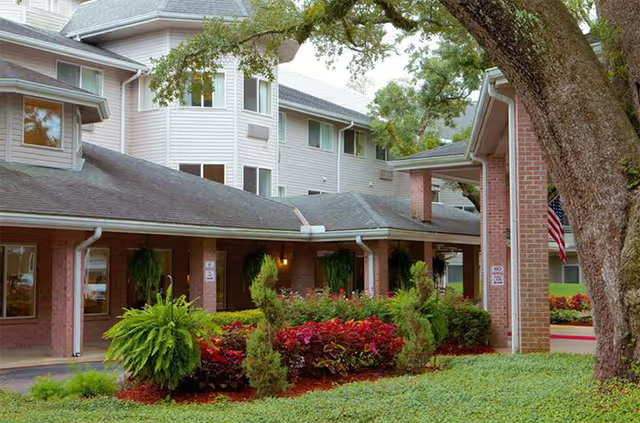
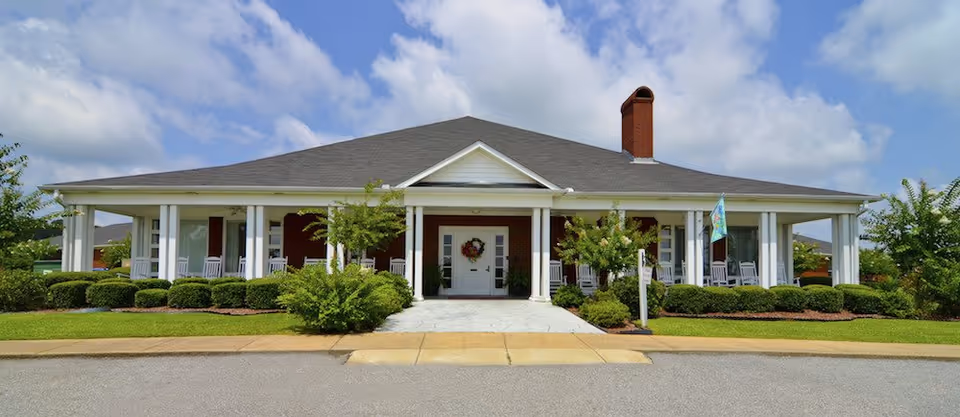
The physical plant and operations receive favorable comments: reviewers note spacious private rooms with private bathrooms, secure indoor/outdoor living spaces, and a clean, well-maintained building. Staff communication practices are emphasized positively — families receive proactive updates and photos, and the proximity to family homes is a convenience for regular visits. Management and employees are described as respectful and attentive, contributing to an environment that families characterize as caring and stable.
Notable patterns and caveats: the overall tone of the summaries is strongly positive, concentrated on memory-care outcomes and personalized staff engagement. Given the facility’s small size, prospective families should be aware that bed availability may be constrained and that some specialized or high-acuity services typical of larger skilled-nursing centers may not be available on-site 24/7; clinical coverage appears to rely in part on on-call clinicians and scheduled physician visits. The small scale also means programming and therapeutic offerings may be more limited in variety compared with larger communities, even though reviewers reported effective, individualized activities for residents. These operational characteristics are worth confirming with management during a tour and care-planning discussion to ensure the facility’s services match a prospective resident’s clinical and social needs.