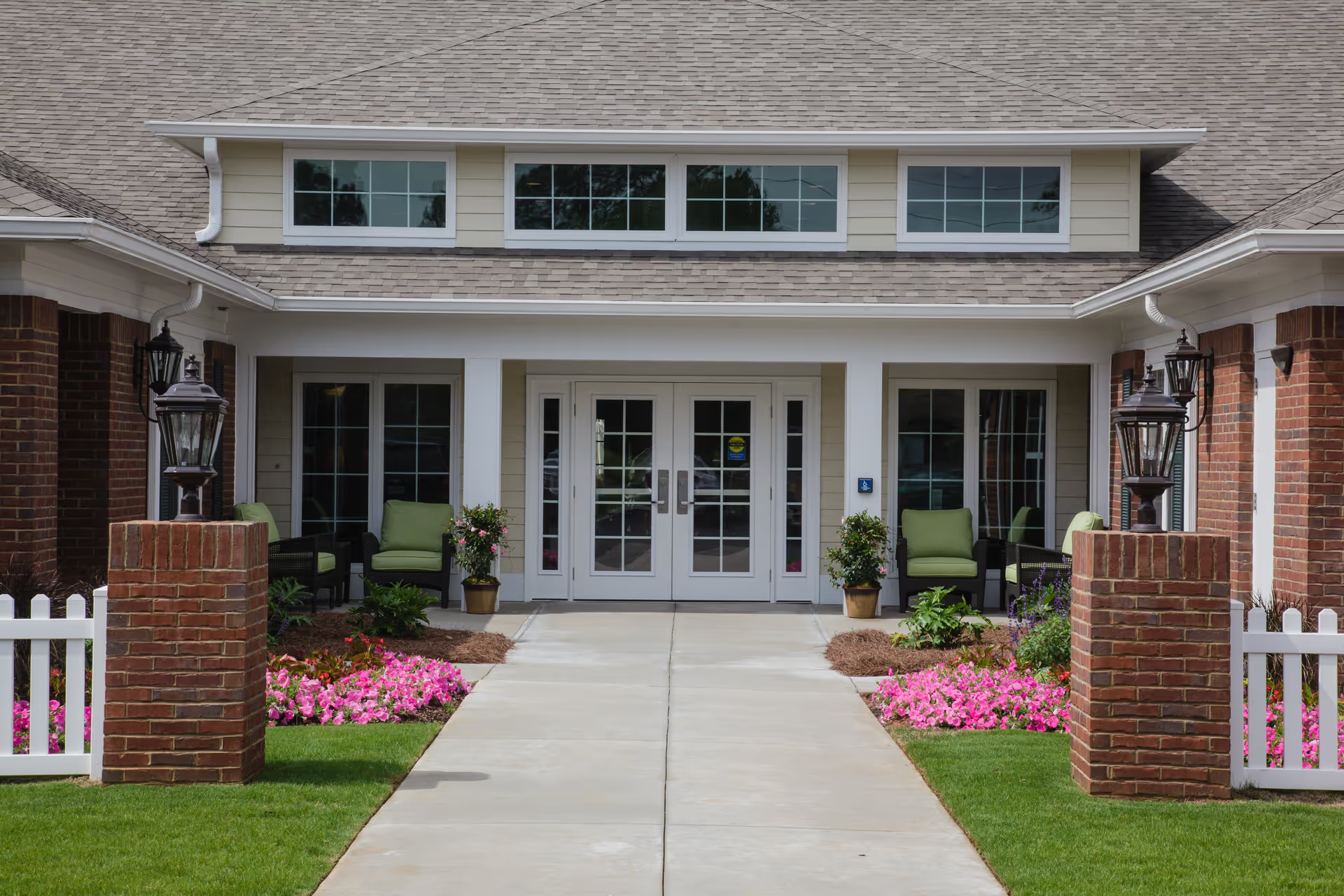
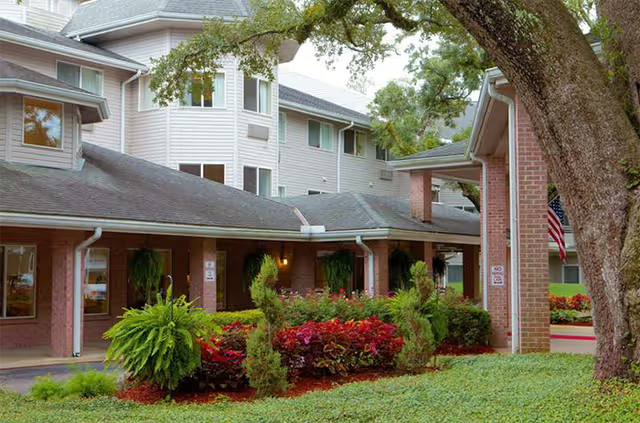
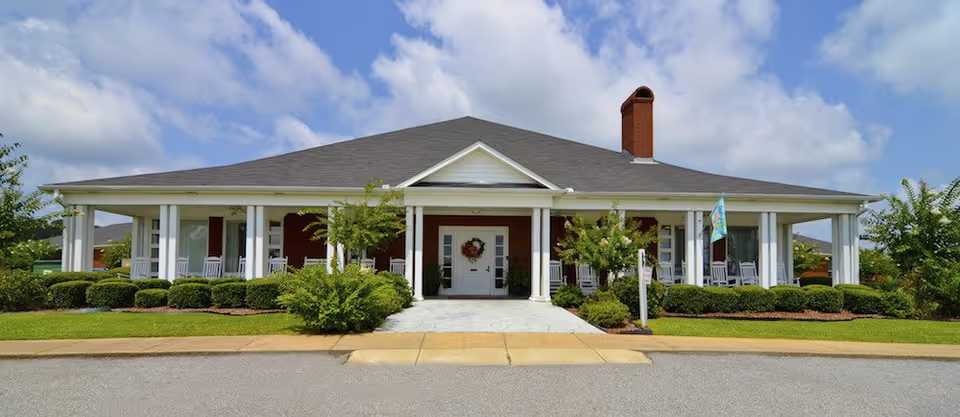
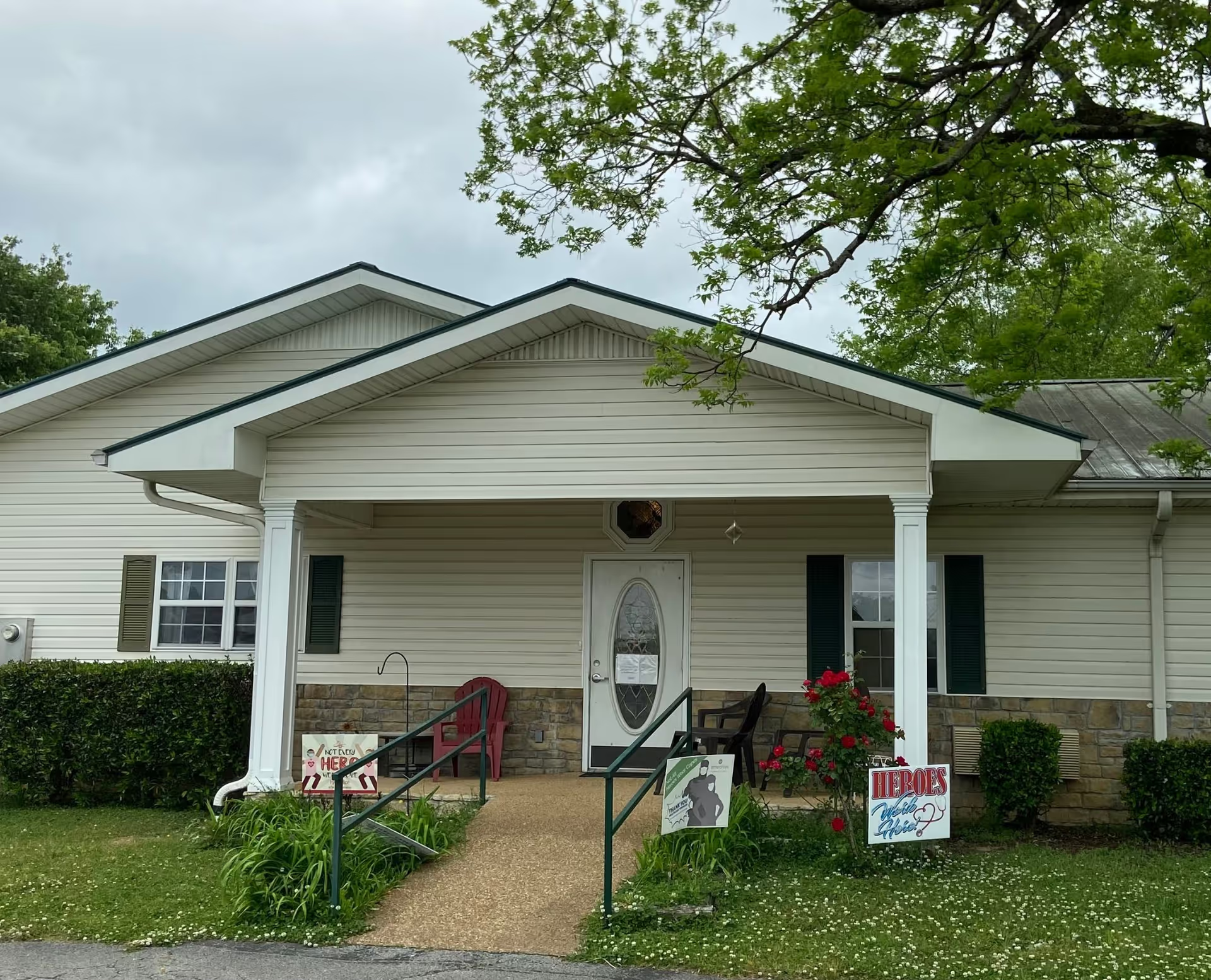
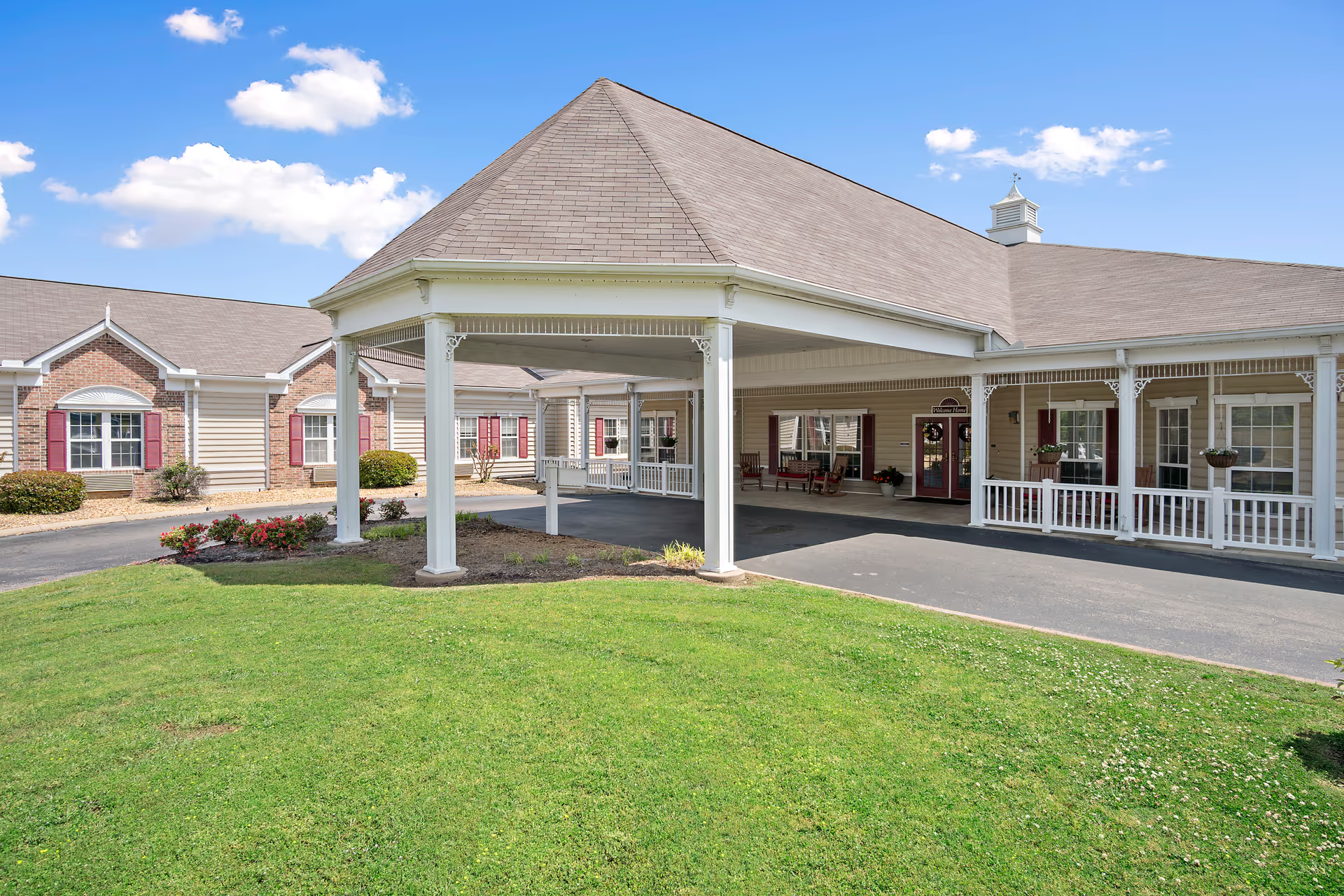
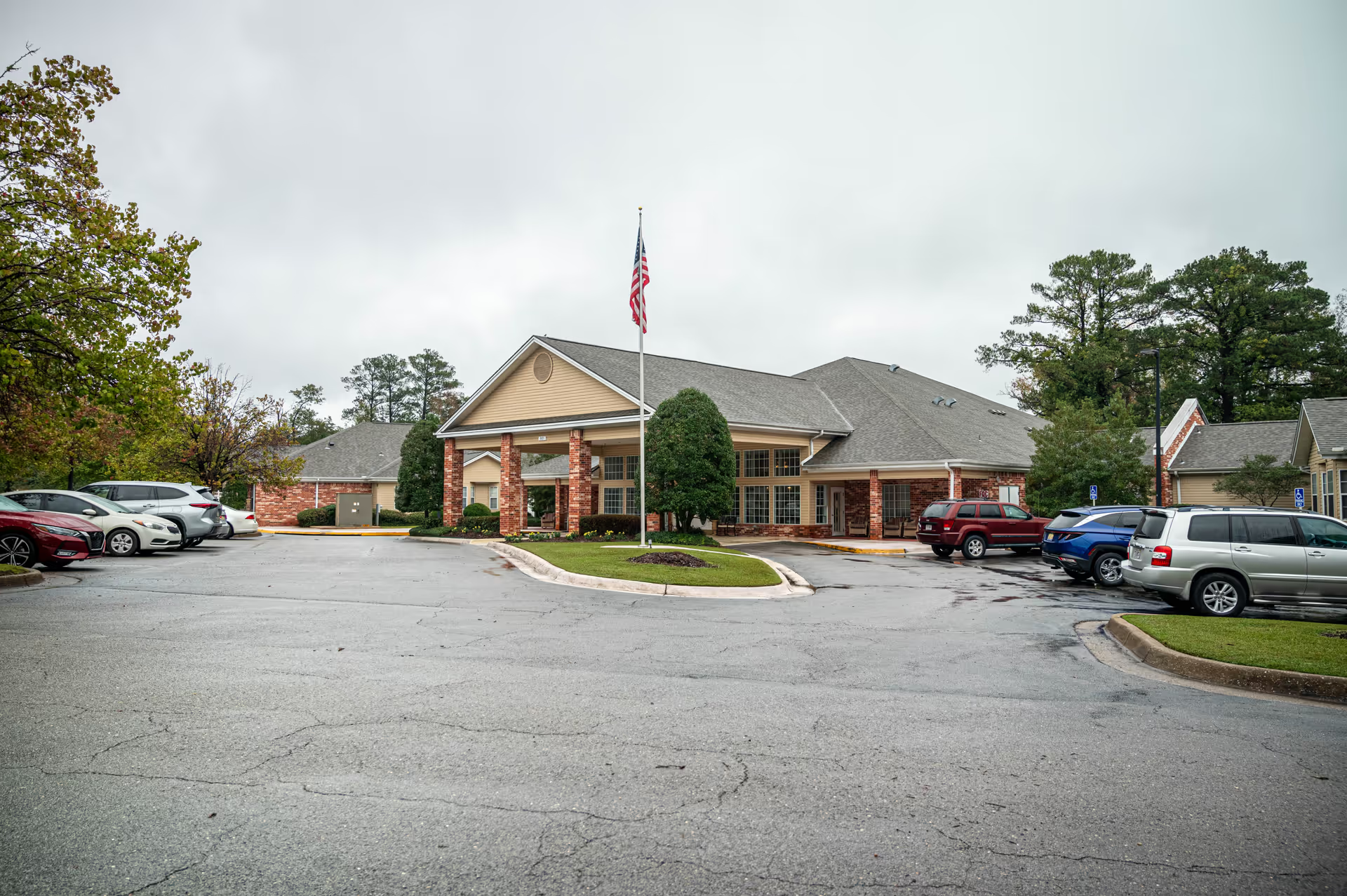
Reviews of Diversicare of Winfield present a highly mixed picture, with distinct strengths in therapy and some direct-care interactions but recurring operational and communication weaknesses. Therapy and rehabilitation services are frequently cited as effective; several reviewers explicitly praised physical therapists and the therapy department for helping progress during short-term stays. Multiple family members also described individual caregivers and nurses as kind or helpful, and some praised kitchen staff and seasonal decorating efforts that contributed to a home-like atmosphere in parts of the building.
At the same time, a number of consistent concerns emerge around basic operational reliability and clinical processes. Family members describe problems with timely communication, including difficulty reaching nurses or administrators by phone, delayed or missed notifications about incidents, and challenges coordinating with medical proxies. There are also repeated mentions of medication timing issues and inconsistent documentation or consent practices for testing and care—areas that suggest the facility may need clearer protocols and better family engagement on clinical decisions.
Cleanliness, staffing responsiveness, and staff conduct are additional areas of variability. Some units and staff are described as attentive and compassionate, while other accounts point to sanitation concerns in rooms and bathrooms, unanswered call lights, and perceived lapses in staff professionalism or tone. The facility’s physical plant is described as older and sometimes crowded, with small shared rooms and at least one account noting an unsafe bathroom layout; these factors can affect privacy, storage, and perceived comfort.
Dining and activities show mixed reviews: some families complimented the food and kitchen staff, and seasonal decorations and on-site spiritual programming were appreciated, but other reviewers described inconsistent food quality and limited availability of snacks or in-room amenities. Safety features such as locked doors and controlled entry are present and appreciated by some families as a security measure, though they were also noted as inconvenient in certain situations when residents needed to exit without staff assistance.
There are a few serious individual claims in the feedback, including concerns following a resident’s death and assertions about testing or treatments performed without proxy consent. These appear as isolated but significant issues and are worth direct verification through facility records and state inspection histories. Overall, the pattern is one of polarized experiences: some families report excellent care and meaningful improvement, while others report operational gaps that impacted trust and satisfaction.
For prospective residents and families: schedule an in-person tour at different times of day, ask detailed questions about staffing ratios and how the facility handles missed medications or unanswered call lights, request written policies on informed consent and family notification, review recent state inspection reports, and inquire about room assignments, cleaning schedules, and infection-control protocols. These steps can help clarify whether the facility’s strengths align with your priorities and whether the operational issues described in reviews have been addressed.