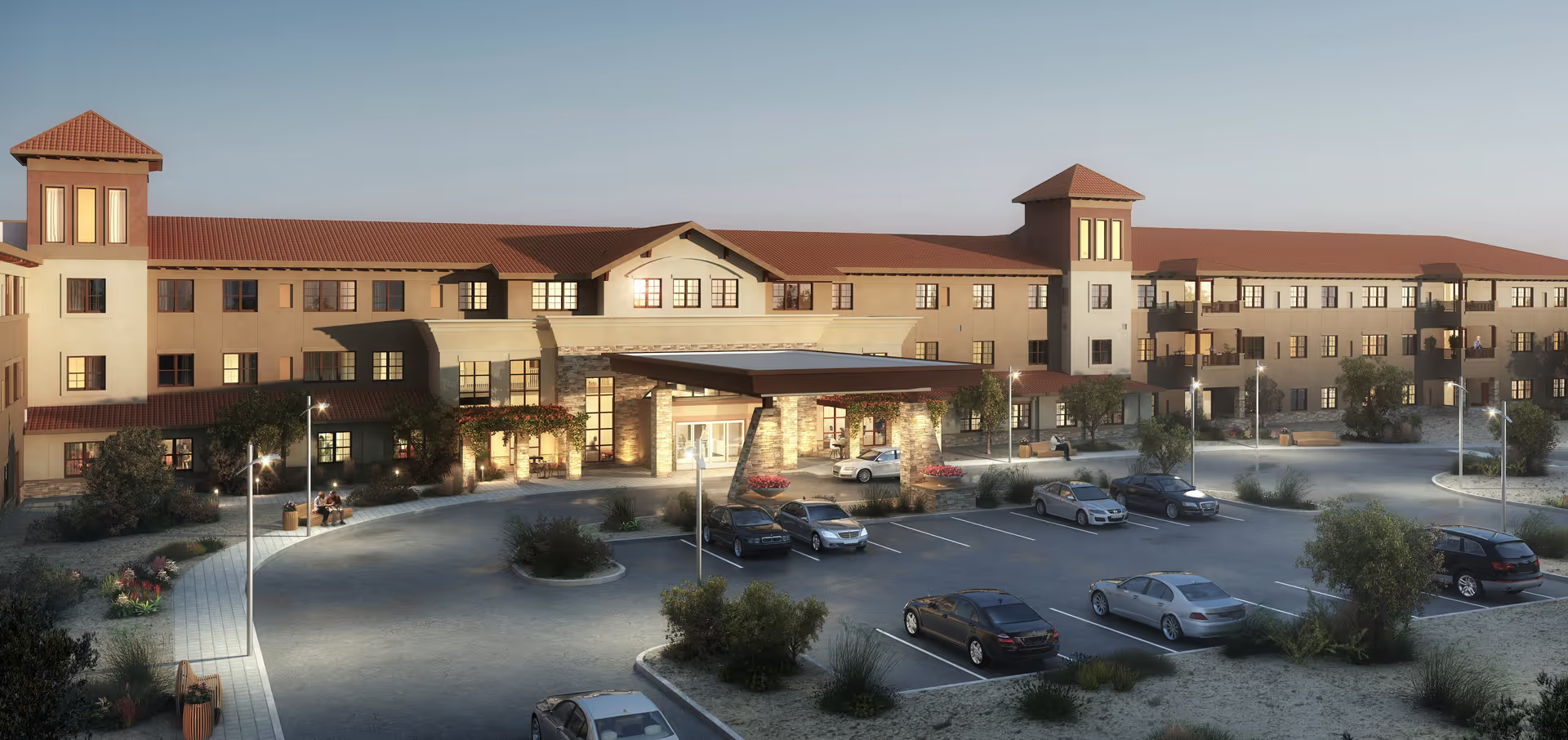
The review corpus shows a facility with clear strengths in rehabilitation and several core caregiving areas, alongside persistent operational weaknesses. The therapy department (physical and occupational therapy) and related rehabilitation services are frequently described as strong, responsive, and effective at restoring mobility and function. Many families and patients also praise individual nurses, CNAs, dietary staff, activities personnel, and on-site amenities such as salon and laundry, which contribute to positive short-term stays and outpatient follow-up.
Care quality is uneven. Positive accounts describe compassionate, attentive nursing and helpful CNAs who manage pain control and coordinate with physicians. However, a substantial number of accounts describe slow or inconsistent clinical monitoring, delayed medication administration, and lapses in basic care tasks such as scheduled bathing and continence support. These patterns have led some families to raise concerns about safety, transfers to higher-level care, and adverse outcomes; in a few instances reviewers referenced hospital transfers or end-of-life concerns. Prospective families should note that clinical reliability appears variable by shift and by unit.
Staffing and responsiveness are recurring themes. Reviewers frequently cite slow response times to call lights and requests, especially during nights and weekends, and a perception of chronic understaffing or high workload. This contributes to inconsistent service delivery, delayed assistance with toileting or bedpans, and longer waits for pain medication or toileting needs. At the same time, many reviewers highlighted individual staff members who go above and beyond; the pattern suggests that strong individual caregivers coexist with system-level staffing constraints.
Dining and activities show mixed but notable positives. The dietary team is often described as responsive with customizable menu options, including vegetarian selections, and several reviewers praised meal quality and helpful kitchen staff. Other accounts, however, describe cold meals, missed meal delivery, or high-sodium menu items. The activities program is a relative strength: reviewers mention frequent programming (bingo, trivia, movies, exercise, church services, hair-braiding) that supports socialization and rehabilitation goals.
Facility, maintenance, and environmental-control issues are uneven. Positive comments note accessible rooms, larger bathrooms, hoyer lifts, and generally clean rehabilitation spaces. Conversely, some reviewers described sanitation and odor concerns in certain units, pest-control concerns, noisy after-hours maintenance, and problems with in-room amenities or call-light equipment. These issues appear to fluctuate by unit and time of day.
Management, documentation, and communication are another area of variability. Several families praised coordination between therapy and medical providers, and described a family-like culture among some staff. Others experienced poor phone responsiveness, missed callbacks, inconsistent incident documentation, and difficulty obtaining satisfactory resolutions from administration. A limited number of reviews raise serious allegations about handling of personal belongings and safekeeping; those items warrant direct inquiry during any admissions discussion.
Overall impression: Oasis Pavilion shows clearly demonstrated strengths as a rehabilitation-focused facility with a capable therapy team and many compassionate individual caregivers. At the same time, recurring operational issues — inconsistent staffing, variable clinical monitoring, uneven cleanliness and maintenance, and inconsistent family communication — create measurable risk for residents who require continuous, reliable nursing oversight. For short-term post-acute rehabilitation needs the facility's therapy resources and daily programming may be a good fit; for long-term placement or residents with high nursing acuity needs, families should request specific, written assurances about staffing levels, call-response metrics, medication administration protocols, sanitation practices, weekend coverage, and incident documentation before committing. Visiting at different times of day and speaking directly with charge nurses and the administrator about the items above will help clarify whether the facility's strengths align with an individual resident's needs.