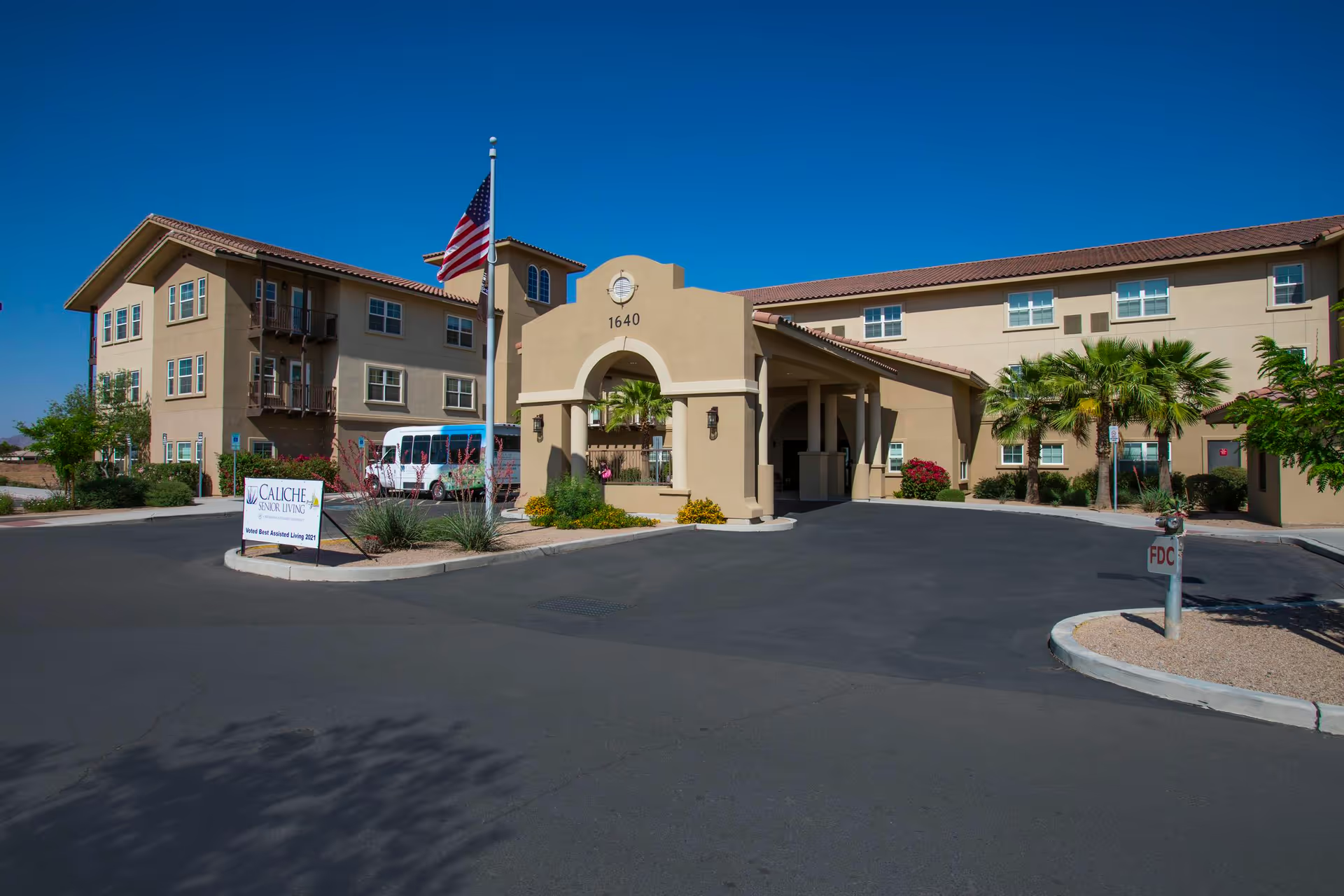
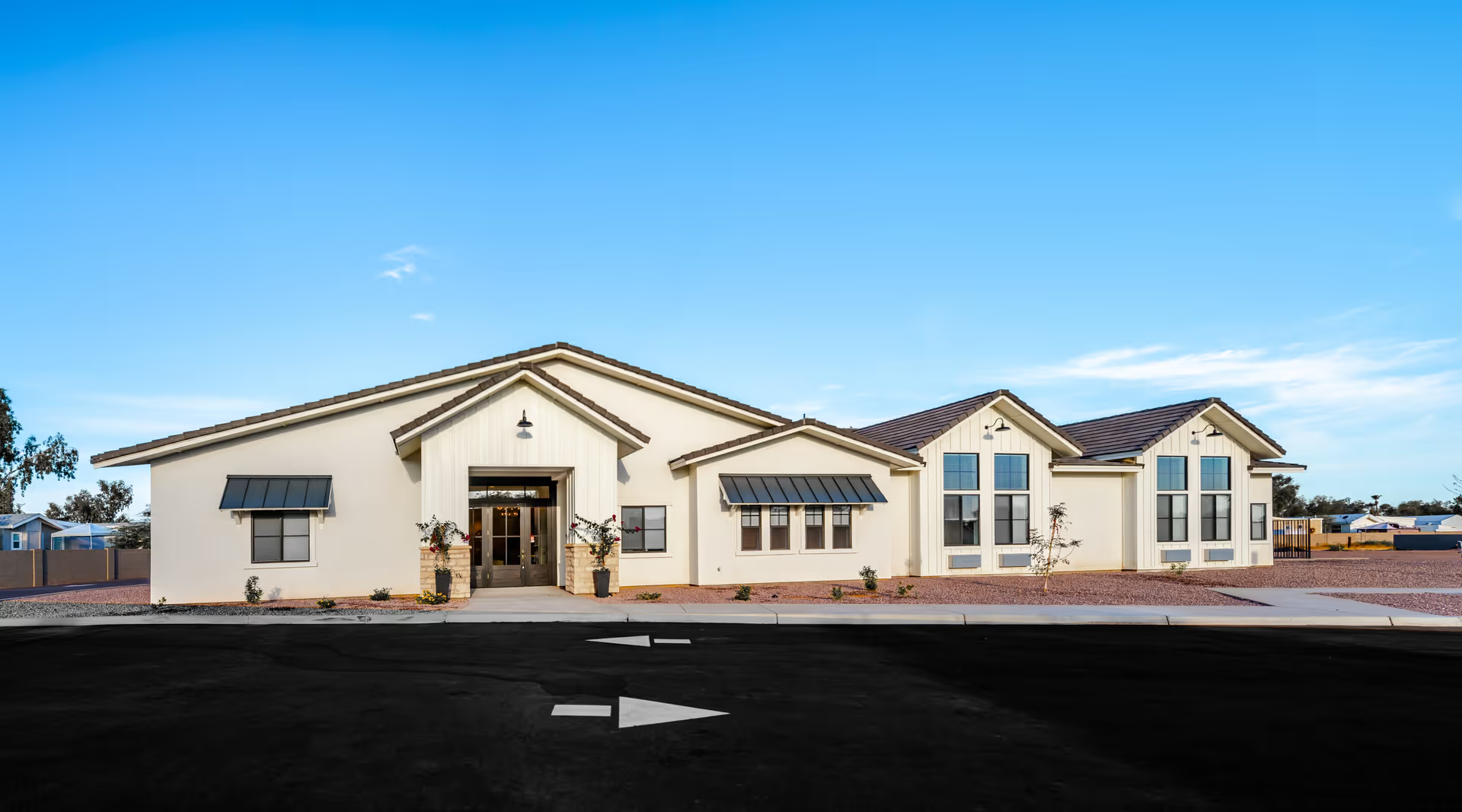
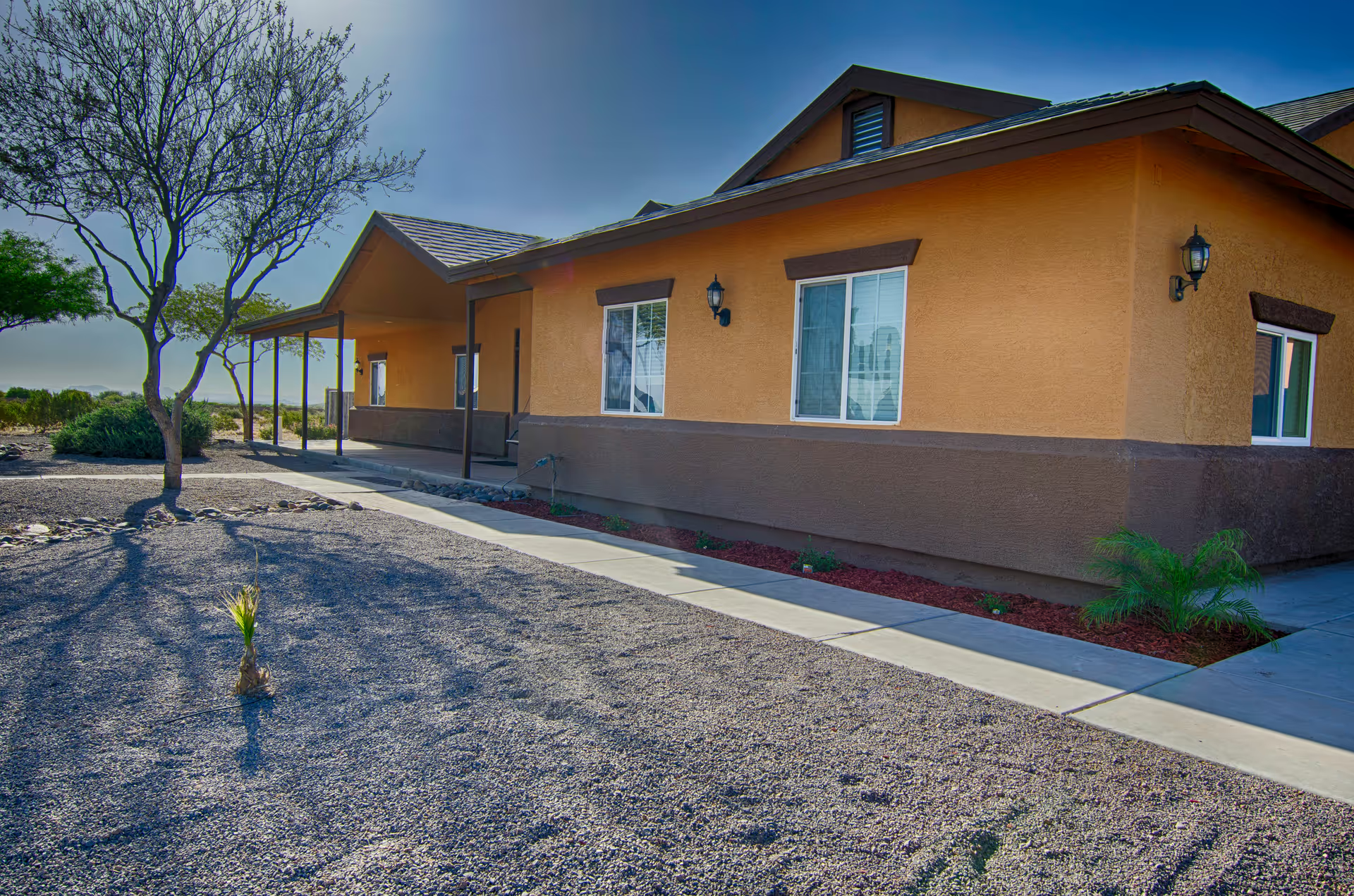
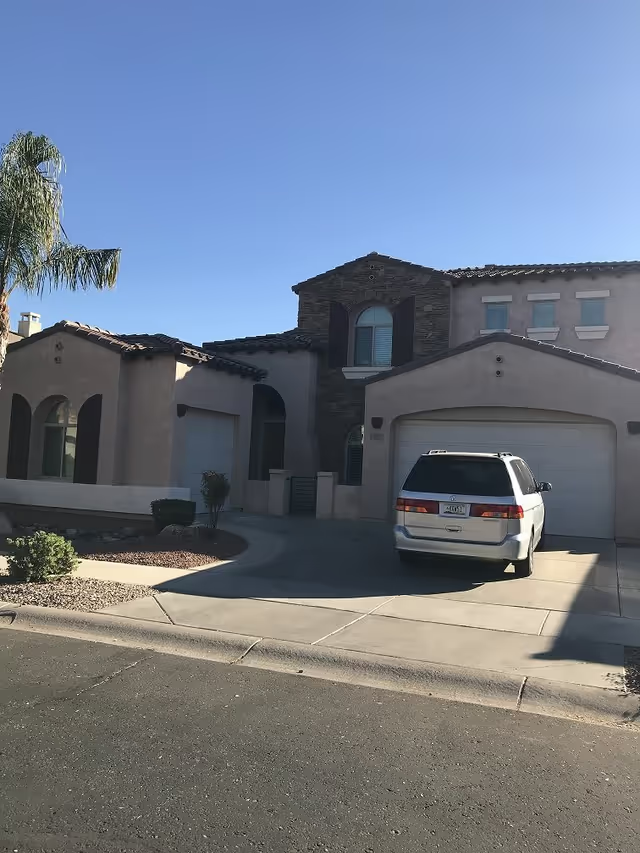
The Garnet of Casa Grande elicits strongly mixed impressions. Many reviewers emphasize strengths that are typical of well-run assisted-living communities: a caring, personable staff, clean and comfortable apartments, an active calendar of on-site and off-site activities, and reliable maintenance and laundry services. Several comments highlight a palpable sense of community and family atmosphere, pet-friendly policies, included dining, and practical conveniences such as on-site transportation and help during move-in. Long-tenured residents and families who describe strong relationships with specific staff members report high overall satisfaction and a sense of safety and belonging.
At the same time, a recurrent set of operational concerns appears in other accounts. Medication administration and timing are described as inconsistent, and there are repeated references to long waits for assistance and uneven responsiveness to call-for-help systems. Staffing levels and turnover are called out as contributing factors to these gaps in care; reviewers describe both periods of attentive, proactive care and periods when response times and follow-through decline. Related issues include variability in bathing and personal-care schedules and occasional sanitation concerns in common areas or individual care tasks.
Dining and nutrition emerge as another area of polarization. Some residents and families praise a robust dining program, varied menus, and included meals, while others report inconsistent meal service, small portions, food served at suboptimal temperatures, missed or incomplete orders, and occasional extra charges or unclear billing for specific items. Activity programming is generally viewed as a strength—organized outings, bus trips, and cognitive activities receive positive mention—but reviewers also note uneven consistency in offered programming at times.
Facility and management issues are similarly mixed. The physical plant and apartments are often described as clean and comfortable, but there are accessibility limitations for residents with vision or mobility impairments and some dated design elements. Maintenance responsiveness is frequently praised, although some reviewers cite cosmetic upkeep and wall/room repairs as inconsistent. Management and front-desk communication quality vary across accounts: some families report helpful, engaged leadership and effective follow-up, while others describe poor follow-through, unclear policies, difficulties with key/access procedures, and concerns about hiring and staff supervision practices. There are also mentions of security and guest-access practices that felt restrictive or inconsistently applied.
Overall, the pattern in these reviews is one of divergence: clear strengths around community life, compassionate individual caregivers, and activity programming coexist with operational weaknesses in clinical consistency, staffing stability, dining reliability, and management communication. Prospective residents and families would benefit from focused conversations with leadership about medication-administration protocols, staffing ratios and turnover, dining policies (including portions, temperature and additional charges), bathing and hygiene schedules, background-screening procedures, and security/access practices before making a placement decision. Visiting during mealtimes and an activity session and asking for specific examples of staff continuity and clinical oversight may clarify whether the community’s strengths align with an individual resident’s care needs.