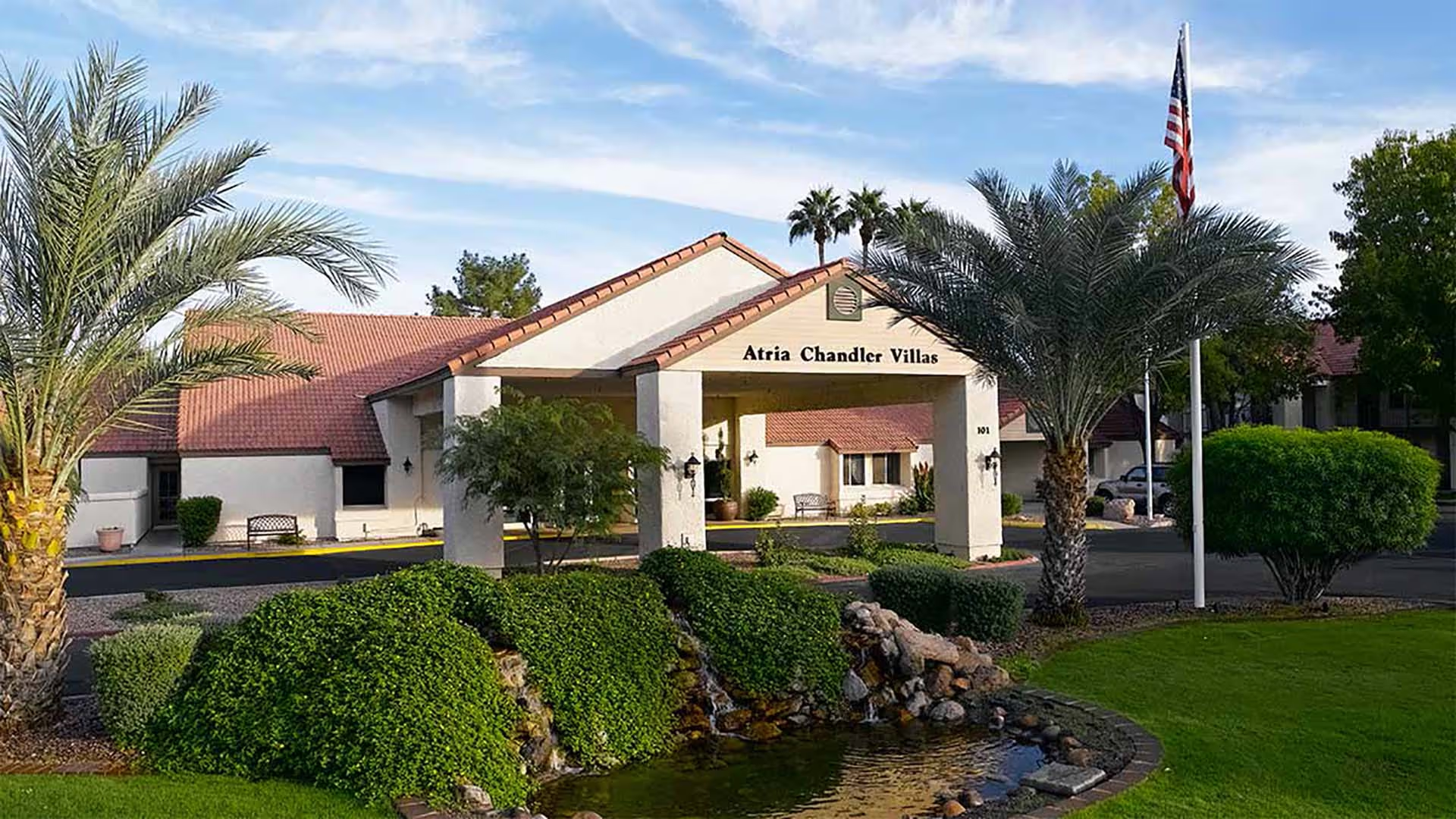
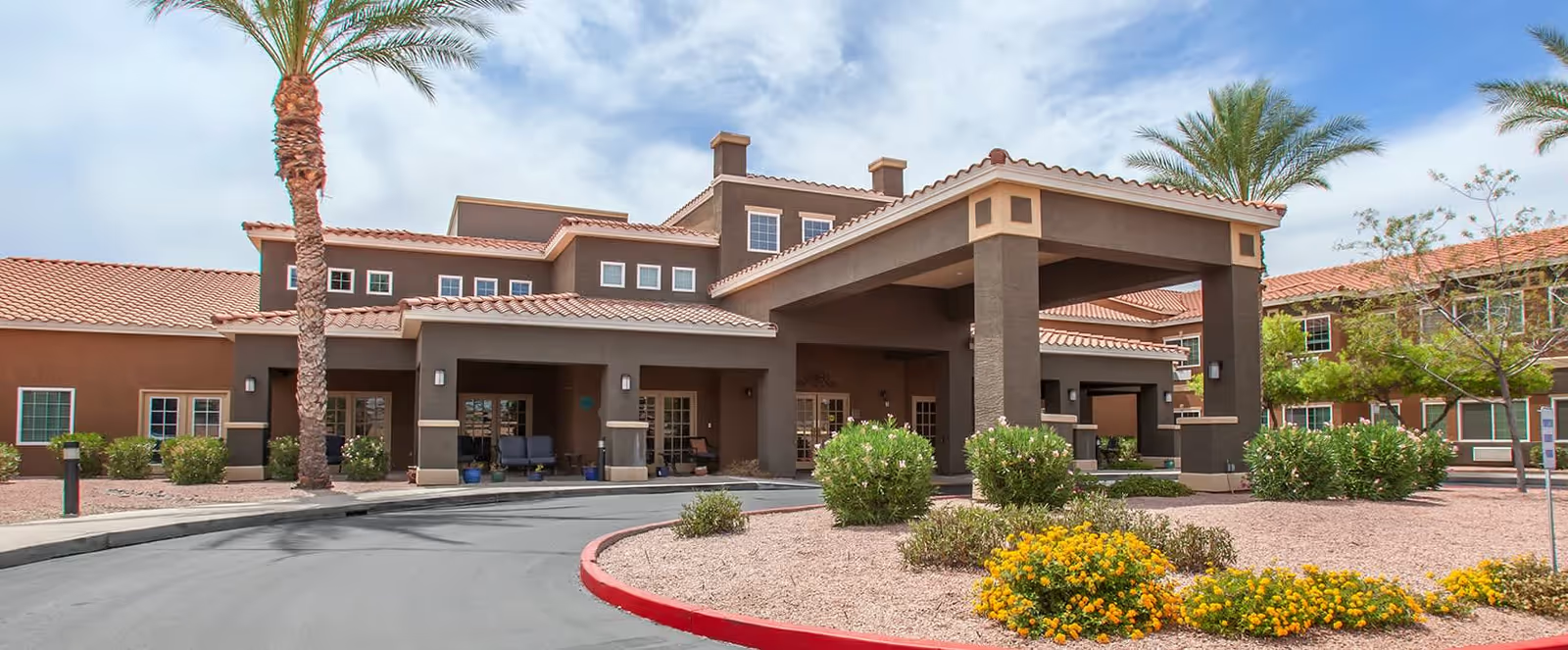
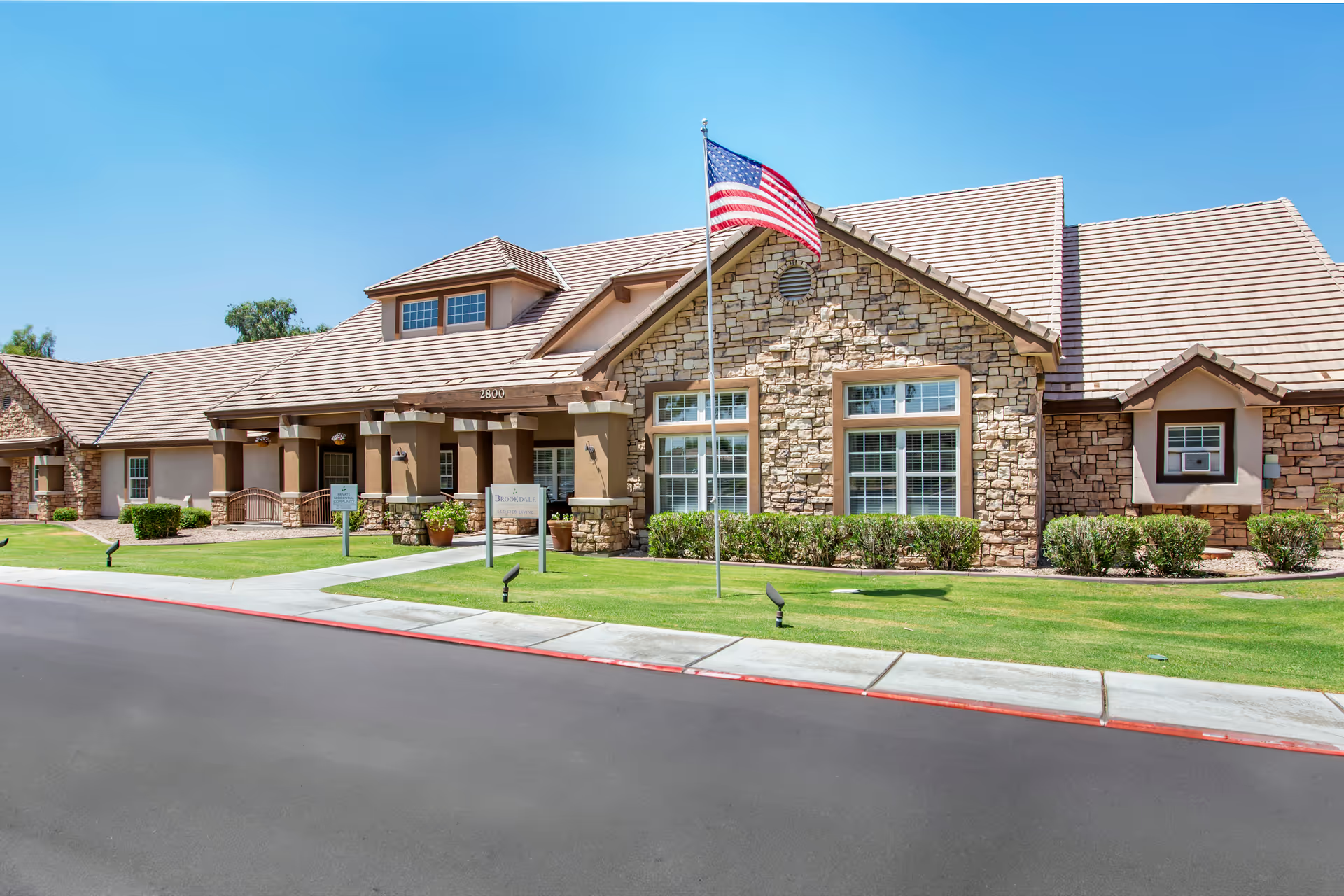
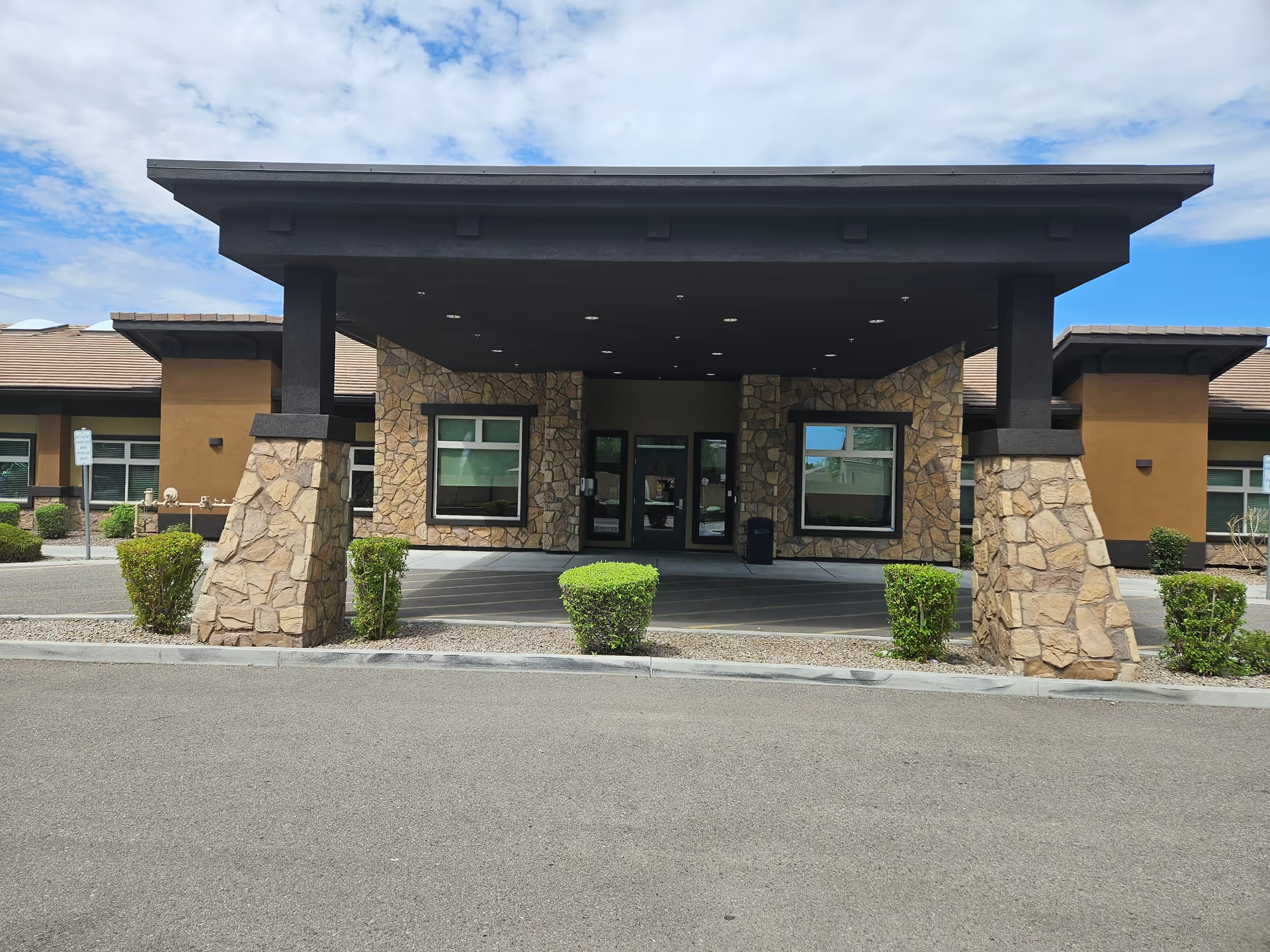
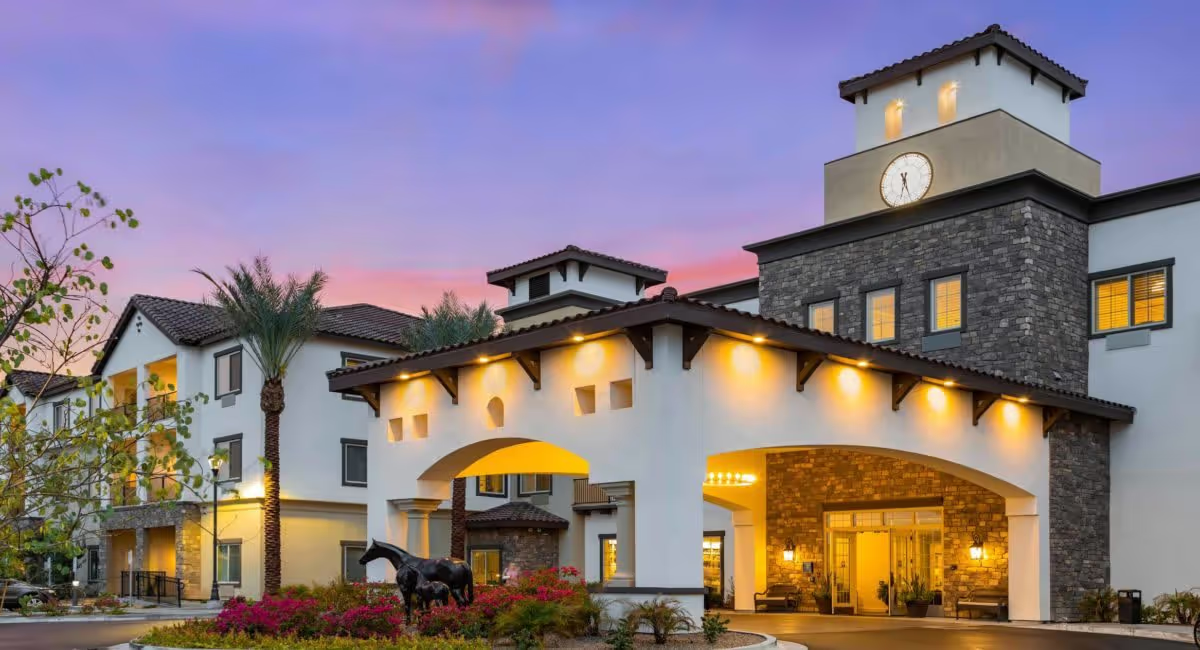
Brookdale Central Chandler presents a mixed picture: many families and residents praise the front-line staff, on-site clinical availability, attractive public spaces, and an active schedule of social and recreational programming, while other aspects of operations show recurring weaknesses. The building offers practical features that appeal to prospective residents — an accessible single-level layout, a central courtyard and walking paths, a spacious dining room, an on-site salon, and visiting healthcare providers (dentist, podiatry, mobile lab and imaging). Meals are included and commonly described as varied at times, with room-service breakfast available and options to personalize apartments by bringing furniture.
Care quality and staffing are the most polarizing elements. Positive accounts emphasize caring, attentive caregivers and engaged nursing leadership, and some families report seamless transitions and good clinical support from on-site nurse practitioners. At the same time, numerous comments point to high staff turnover, reliance on temporary med-techs, and chronic understaffing that contributes to delayed call-button responses, inconsistent shower and personal-care assistance, and variability in medication administration and clinical documentation. There are also accounts describing slow emergency responses and uneven follow-through on physician orders, which suggest uneven operational controls across shifts.
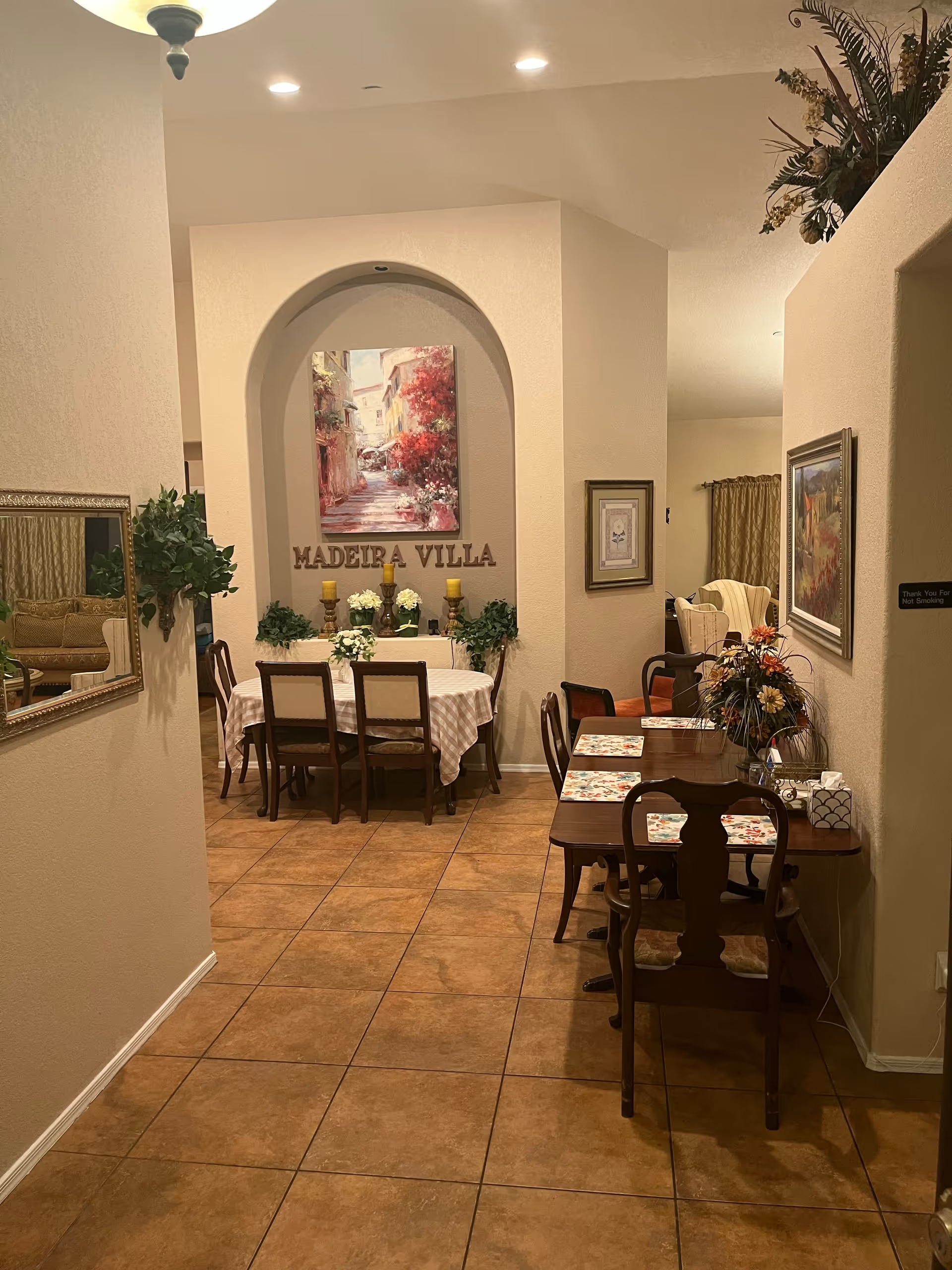
Dining and nutrition receive both praise and critique. The facility has a comfortable, open dining area and a rotating menu with at least two entree choices daily; many residents enjoy the social dining environment. However, reviewers also cite inconsistent meal quality, intermittent cold or small portions, and limited options for whole grains, ethnic cuisines, and diabetic-specific menus. Families should clarify current dining policies, portioning, and special-diet accommodations during a visit or tasting.
Activity programming appears robust in general assisted-living areas, with art, music, fitness, computer classes, and outings noted. Several reviewers credit staff for active engagement and frequent events that help residents socialize. Conversely, activity leadership and offerings in the memory-care unit and for residents with cognitive or mobility limitations were described as limited, and a lack of resident transportation or a licensed driver reduced the frequency of off-site trips for some residents.
Facility condition and sanitation are mixed: many reviewers compliment cleanliness, prompt maintenance, and ongoing remodels, while others describe older sections, a hospital-like atmosphere in places, inconsistent linen laundering, odor concerns in common areas, and pest-control issues. These comments point to variability in housekeeping and environmental services that prospective families should inspect in person.
Management and communication show a split pattern. Several visitors and families praised the admissions team, marketing staff, and individual directors for responsiveness and support, and for making residents feel welcome. Other families described unkept promises, billing and ALTCS follow-through problems, and perceived lack of managerial oversight when frontline issues arise. Taken together, the pattern is one of uneven leadership visibility and inconsistent execution of administrative commitments.
Recommendation: Brookdale Central Chandler offers substantial conveniences (on-site clinical access, active programming, good communal spaces) and strong positives from many frontline staff members. At the same time, recurring operational themes — staffing instability, variability in personal-care and medication practices, dining inconsistencies, sanitation and pest-control concerns, and questions about memory-care capacity — are important to evaluate directly. Prospective residents and families should schedule an extended visit (including a meal), ask for current staffing ratios and recent inspection or pest-control records, review sample menus and special-diet options, and speak with nursing leadership about medication and emergency-response protocols before making a placement decision.