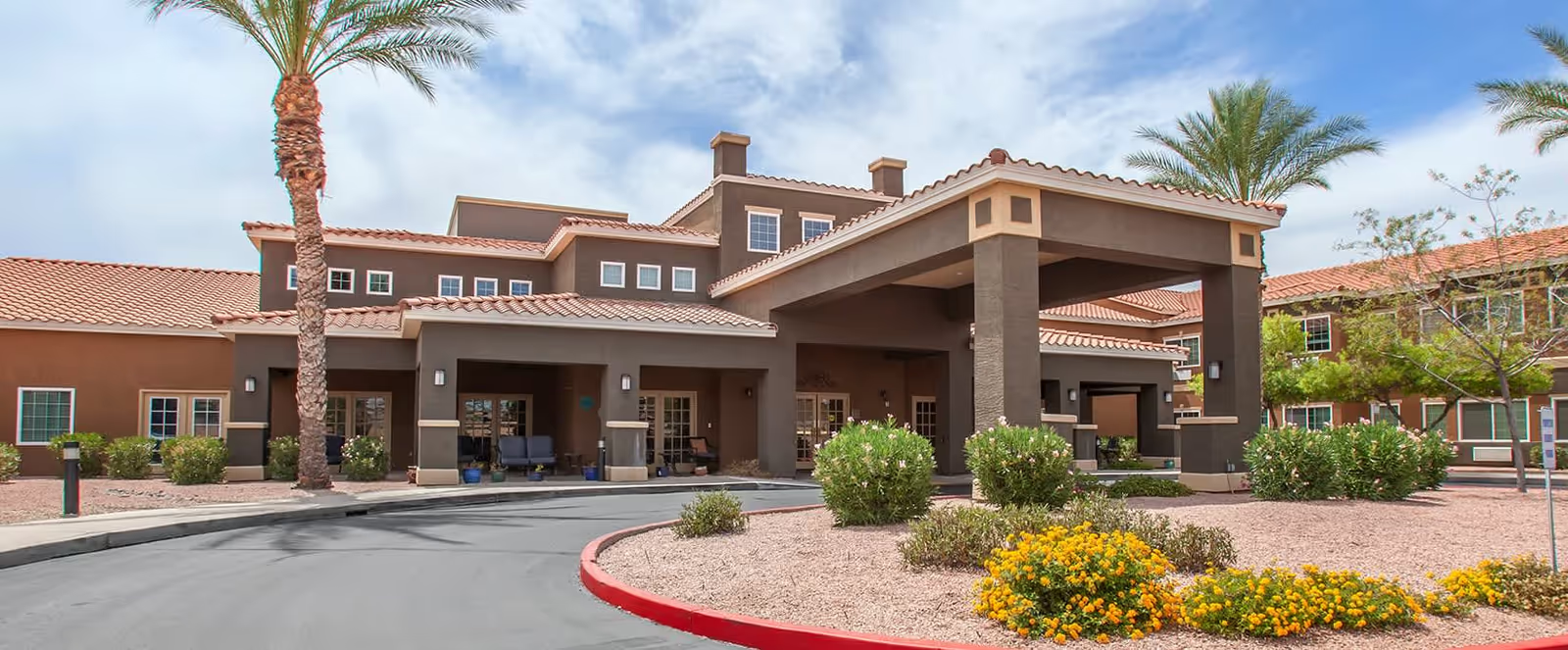
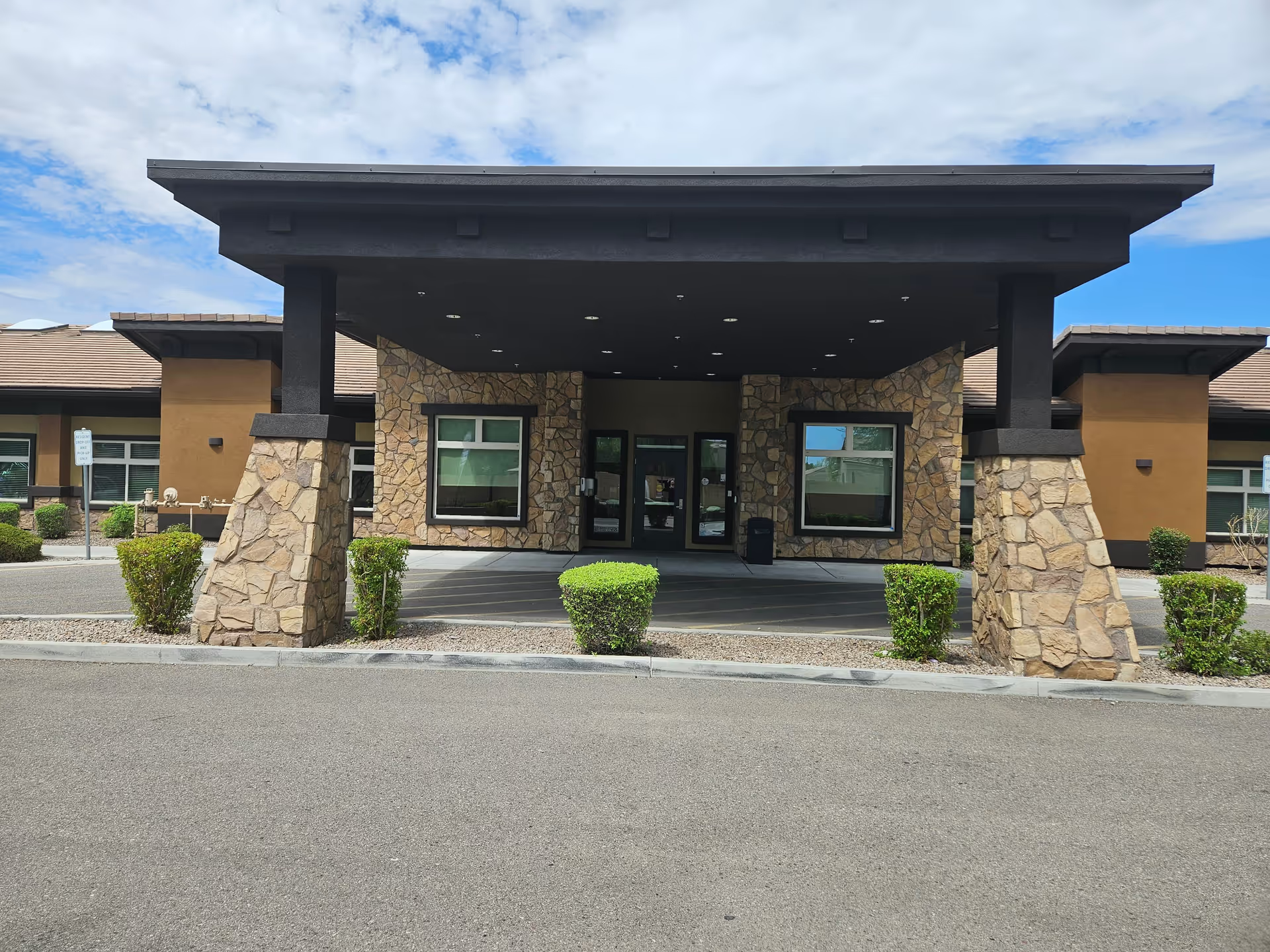
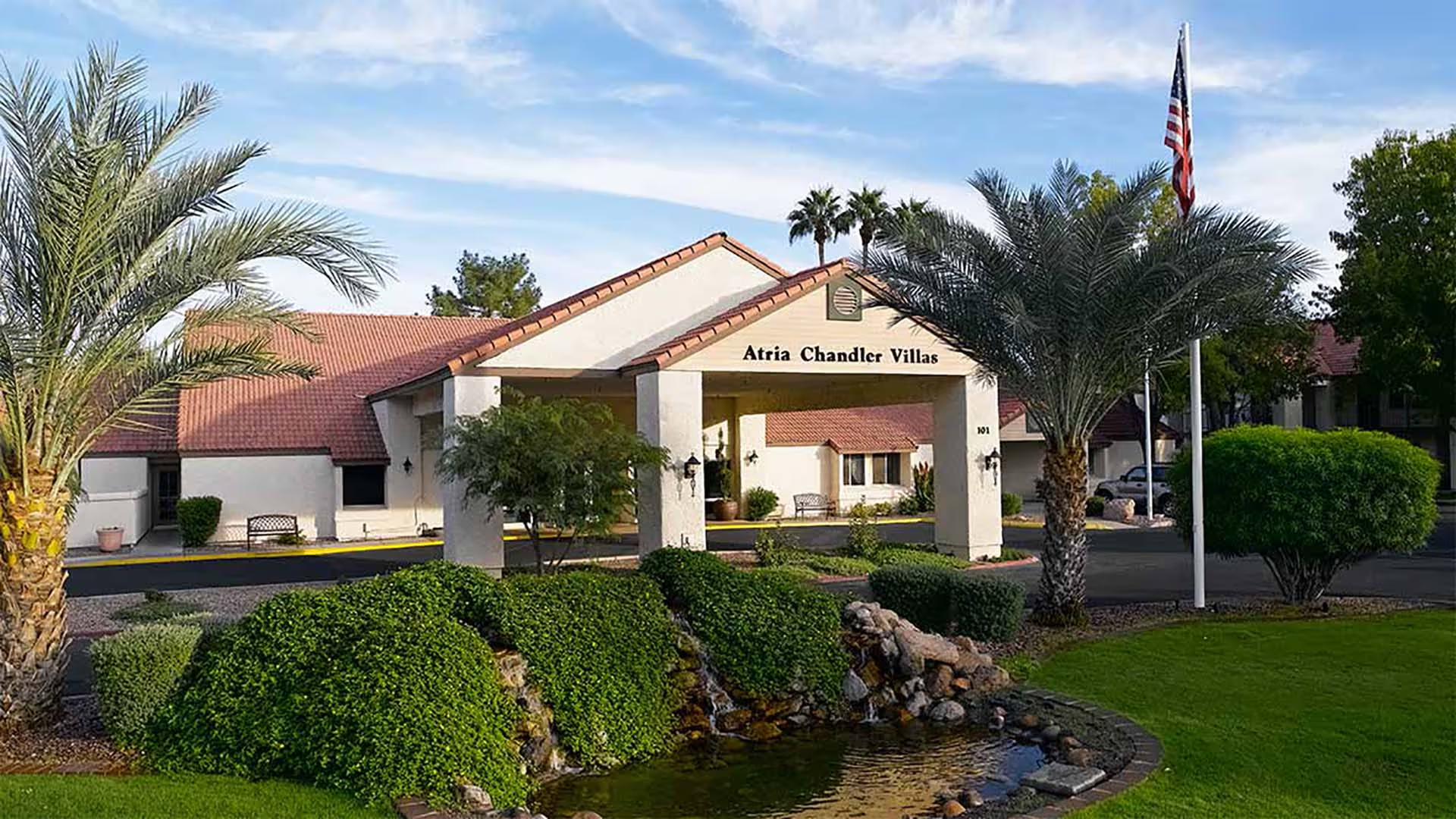
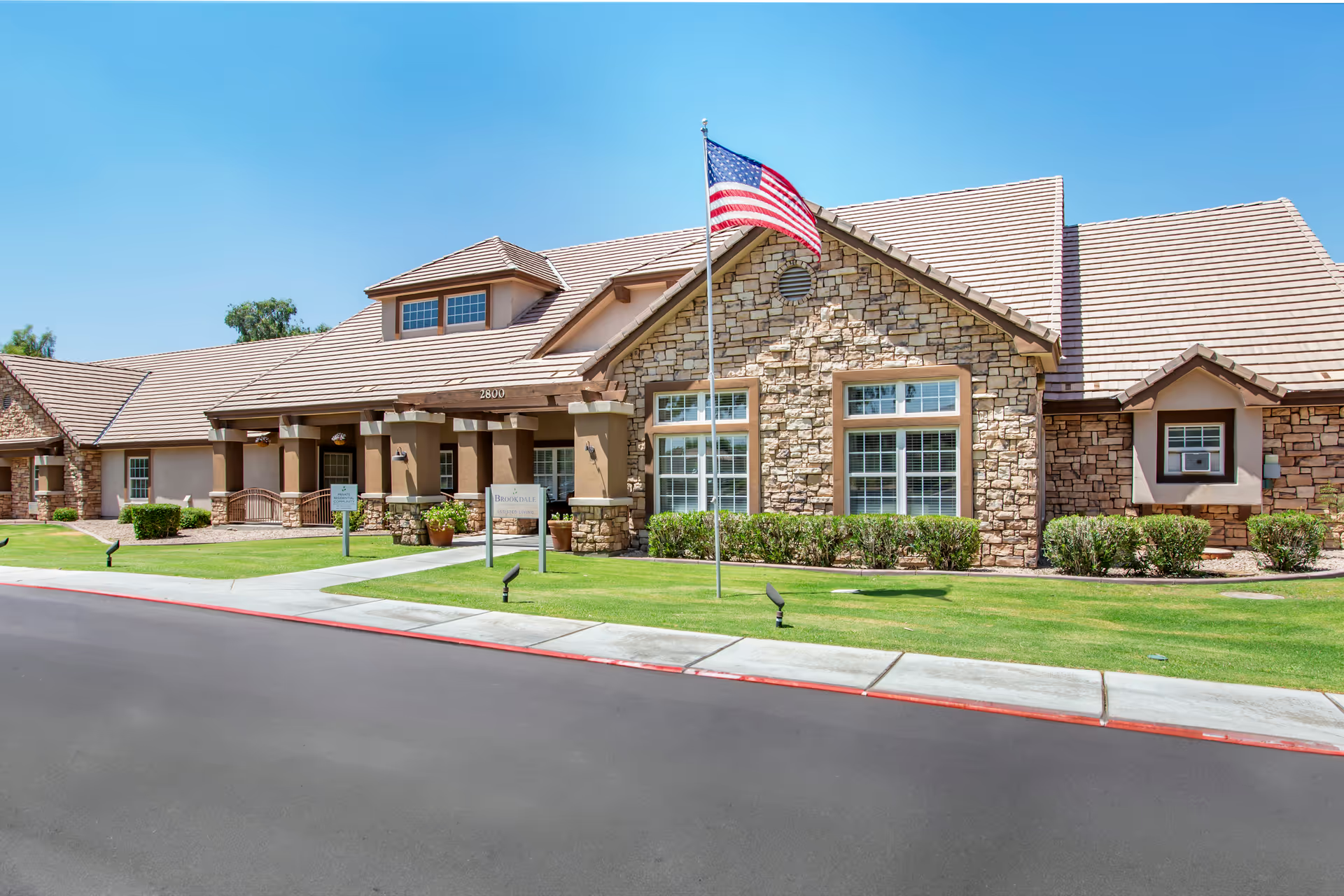
Reviewers portray Chandler Post Acute and Rehabilitation as a facility with clearly identifiable strengths alongside recurrent operational weaknesses. Positive accounts emphasize a caring front-line workforce — many families praise specific RNs, CNAs, and therapists for compassion and clinical skill — and a therapy program that is frequently described as effective, motivating, and outcome-oriented. The facility offers a range of amenities (patio, courtyard, activity rooms, beauty salon) and programs (daily activities, transportation, wound-care services, and case-management/discharge planning) that support rehabilitation and social engagement for many residents.
At the same time, a substantial pattern of concerns emerges around staffing and responsiveness. Multiple accounts indicate inconsistent staffing levels, with pronounced shortages overnight and on weekends, and long delays responding to call lights or requests for assistance. These delays are linked to unmet basic-care needs (including delayed toileting and bathing assistance), missed or delayed medications and pain management, and delays in clinical tasks such as bloodwork or timely wound care. Several families described situations that they considered medically consequential, and a smaller number of reports referenced serious outcomes that prompted regulatory complaints or hospital transfers.
Cleanliness and housekeeping receive mixed feedback. Many reviewers compliment common areas, lobby appearance, and certain well-maintained rooms, while others describe irregular housekeeping in resident rooms and corridors, odor concerns in some areas, and pest-control or maintenance issues. Dining is likewise variable: the facility provides three meals daily with a rotating menu and some families report good dietary accommodations and palatable meals, whereas others cite cold meals, missed trays, and lapses in honoring dietary restrictions.
Communication and administration are described as inconsistent. Positive experiences highlight helpful case managers and attentive admissions staff who facilitate discharge planning and benefits. Conversely, families report difficulty reaching managers or clinical leads after hours, billing and Medicare paperwork errors, and breakdowns in timely family notification following clinical changes. Therapy and rehabilitation are often singled out as a relative strength, but reviewers also note interruptions in therapy scheduling tied to insurance, staffing, or weekend coverage.
In summary, Chandler Post Acute and Rehabilitation appears to provide high-quality rehabilitation and has many staff members who deliver compassionate, effective care. However, recurring operational issues — chiefly inconsistent staffing and slow responsiveness, gaps in medication and continence-related care, variable housekeeping, and administrative/communication failures — create safety and quality concerns for some residents. Prospective residents and families should weigh the strong therapy and some exemplary clinical staff against the documented variability in nightly staffing, responsiveness, and housekeeping; visiting the unit during nights and weekends, asking about after-hours clinical coverage, and clarifying billing and discharge procedures may help set expectations and guide placement decisions.