The Abbington at Gilbert presents as a new, well-appointed memory-care and assisted-living community with consistent praise for front-line caregiving, dining, and amenities. Reviewers commonly describe a warm, home-like atmosphere supported by staff who are framed as compassionate, knowledgeable, and attentive to individual resident needs. The community’s memory-care orientation, small memory neighborhood, and flexible levels of care are repeatedly noted as strengths for families seeking focused cognition-support services.
Care quality and staff interaction are the most frequently cited positives. Families highlighted thorough education around the transition to memory care, individualized attention from caregivers, and smooth clinical transitions in many cases. Several comments emphasized strong family communication and a proactive care team. At the same time, a pattern of inconsistent professionalism and punctuality was mentioned, and administrative responsiveness and follow-through were uneven in some accounts — issues prospective families may want to probe during visits.
Dining and programming are standout features in the reviews. Meals are repeatedly described as high quality, with varied, well-planned menus and specialty touches that contribute to resident satisfaction. The activity program is broad and includes faith-based offerings such as Bible study as well as social amenities (an Ice Cream Parlor is cited), which supports engagement and a community feel.
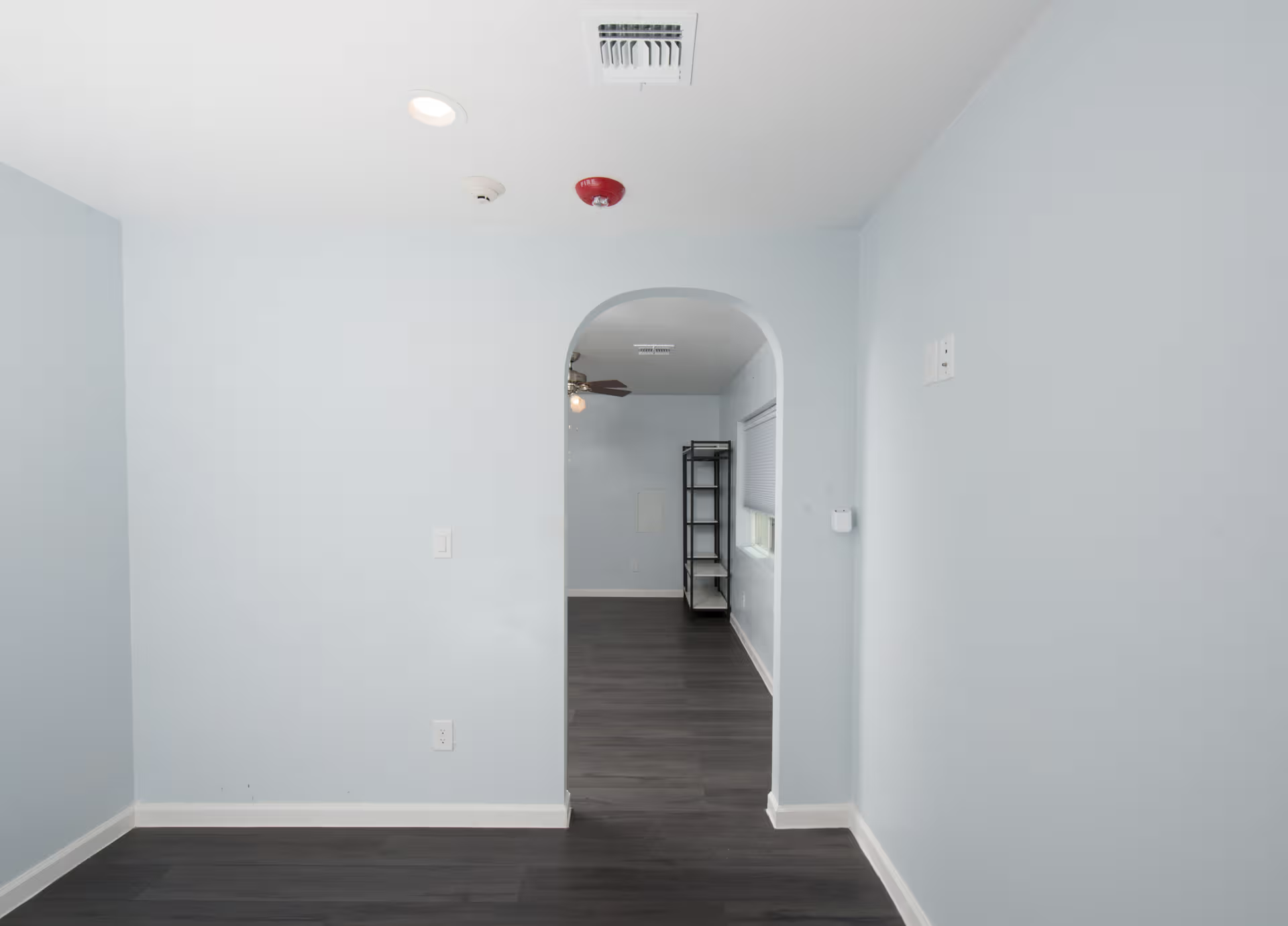
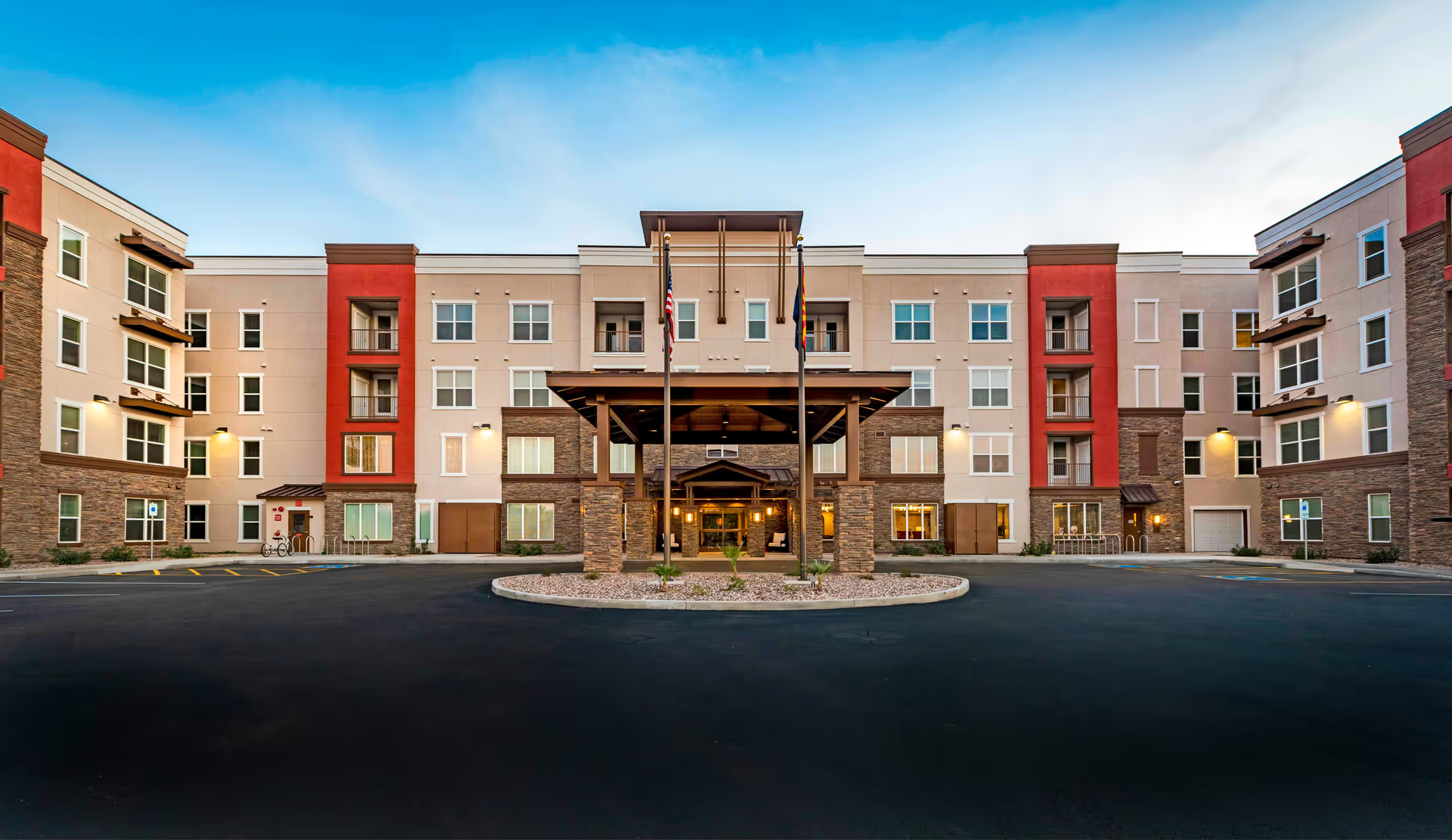
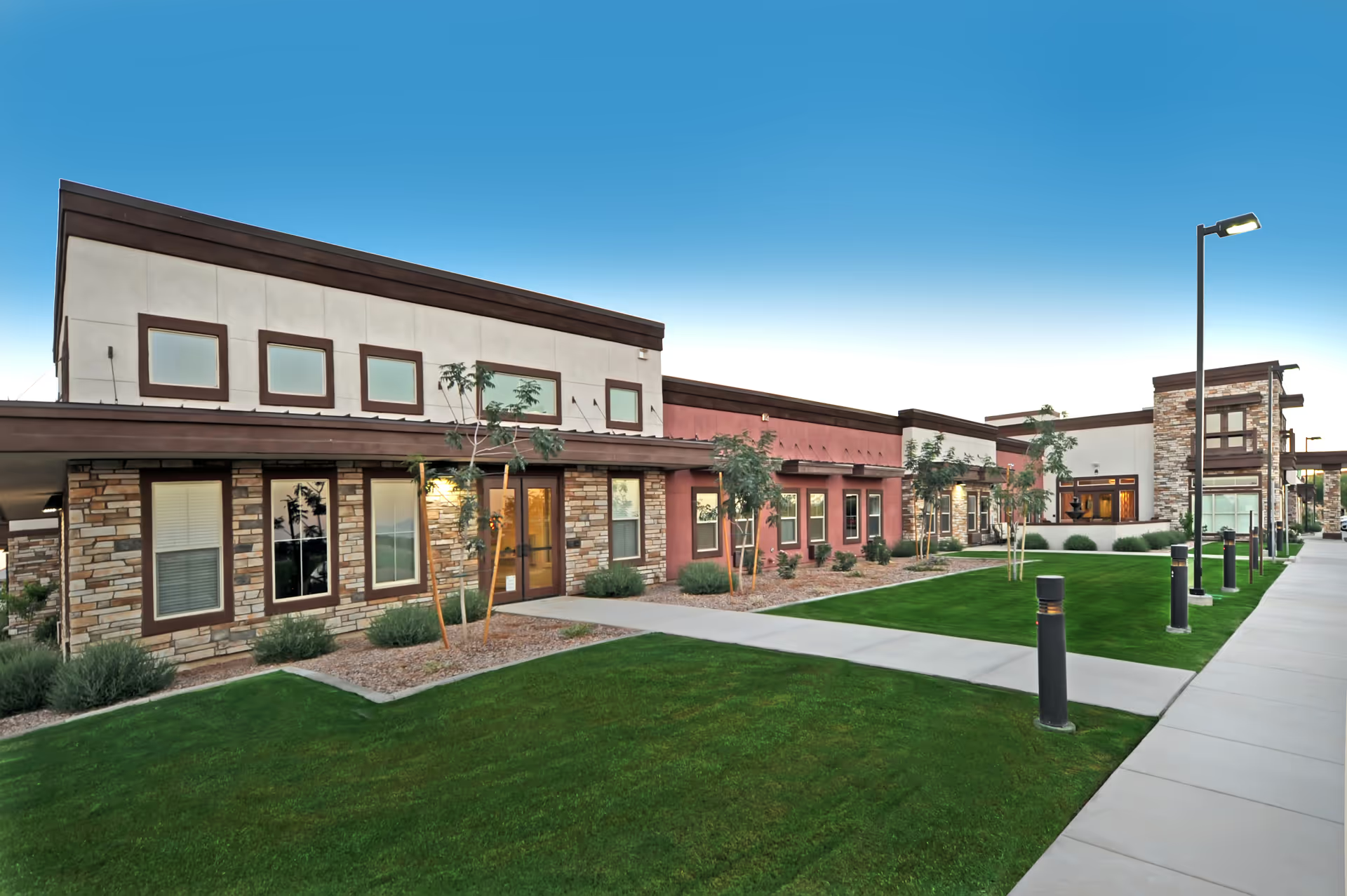
The physical facility is new and well maintained: bright, large apartments, modern finishes, and a compact size (about 86 units) that many reviewers found manageable. Occupancy appears high, with waitlists noted for certain unit types; this indicates both demand and potential limitations on immediate availability. Some visits occurred while parts of the community were still under construction, which has created temporary disruptions during move-in periods.
Notable concerns center on operational consistency and safety disclosure. A subset of reviewers described specific instances of unprofessional conduct and late staff arrivals; when abstracted, these point to variability in staff performance and occasional gaps in administrative follow-up. Several comments also raised issues around disclosure of exit-seeking (elopement) behavior and general security, suggesting prospective residents and families should ask for explicit information on resident-risk communication, monitoring protocols, and visitation/safety procedures. Construction-phase disruptions were also mentioned and could affect move-in logistics or early residency experiences.
Overall, The Abbington at Gilbert appears to offer strong clinical and hospitality fundamentals — particularly in memory care, dining, and resident engagement — supported by a caring staff and modern facility. Prospective families would be well served to tour the community, meet the memory-care leadership, and obtain specific written policies on safety monitoring, disclosure of behavioral risks, and admissions/transition coordination to confirm operational consistency before moving forward.