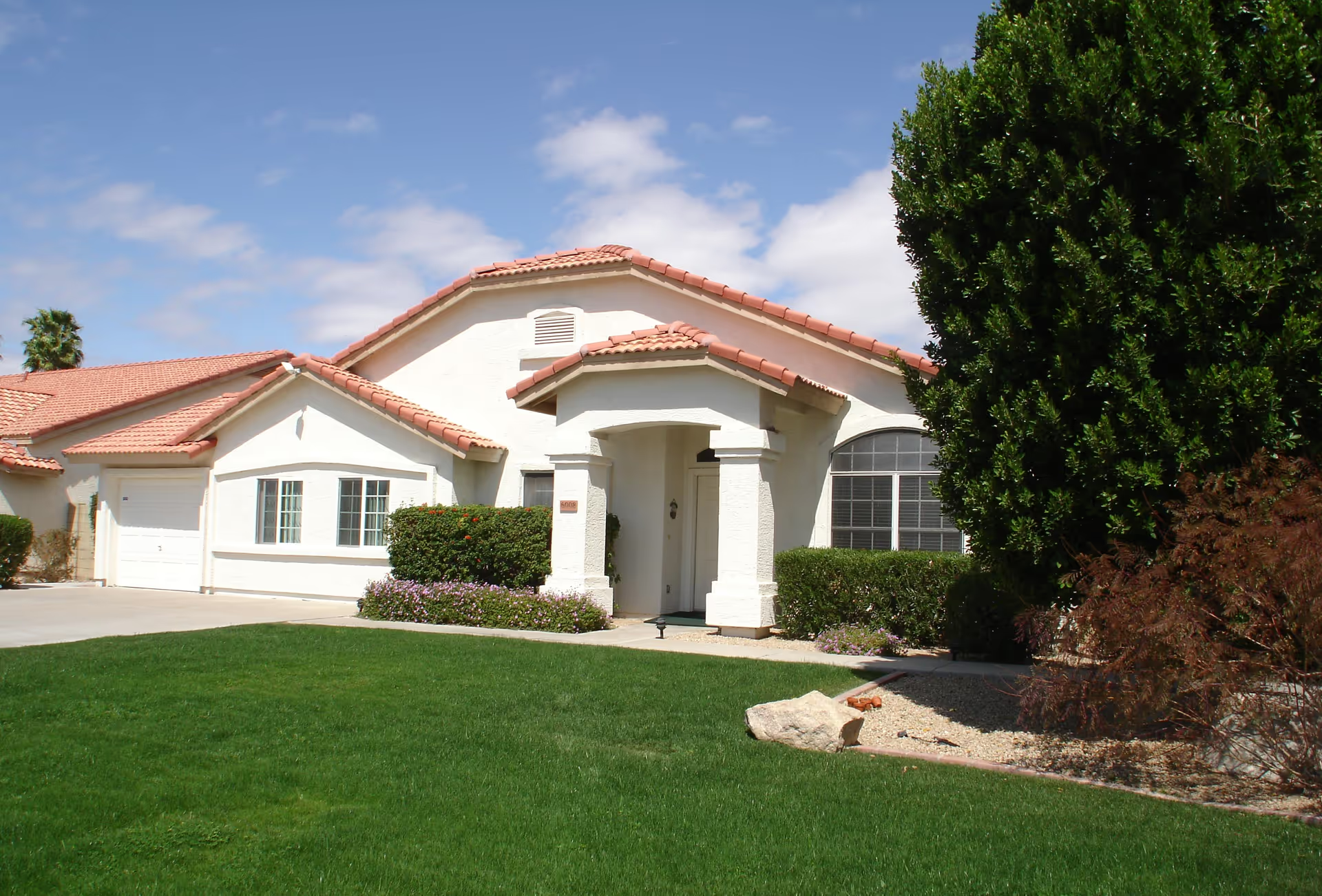
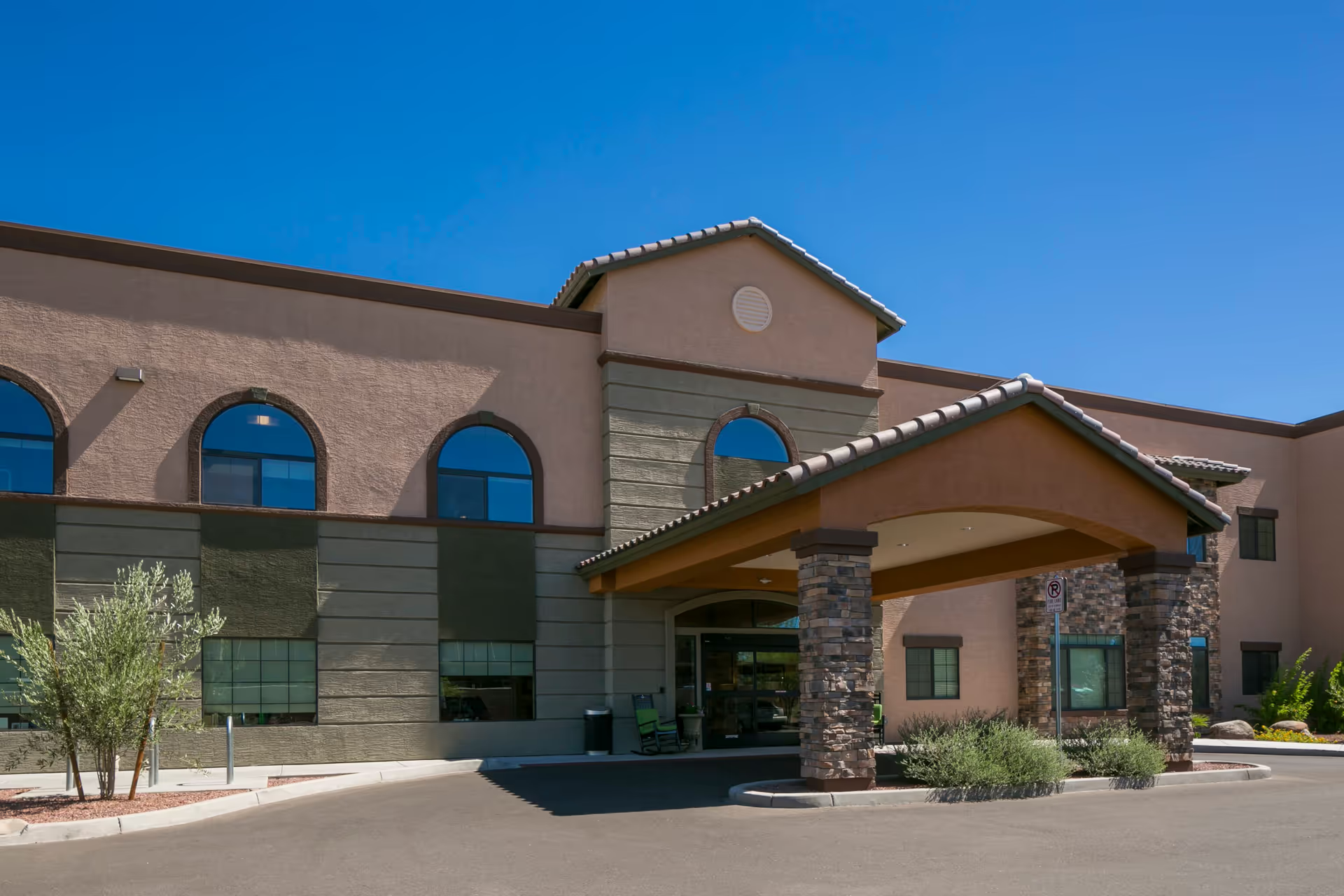
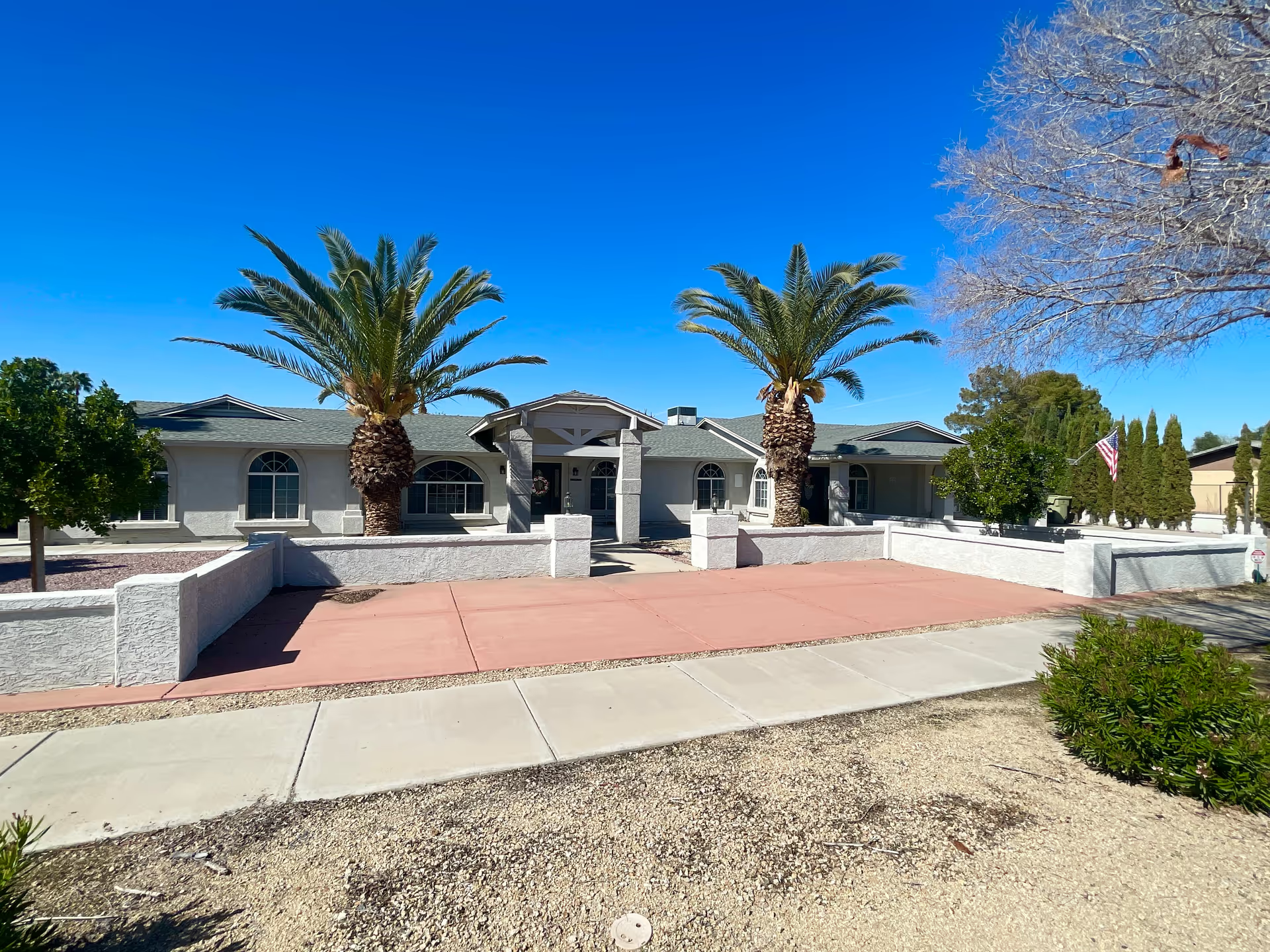
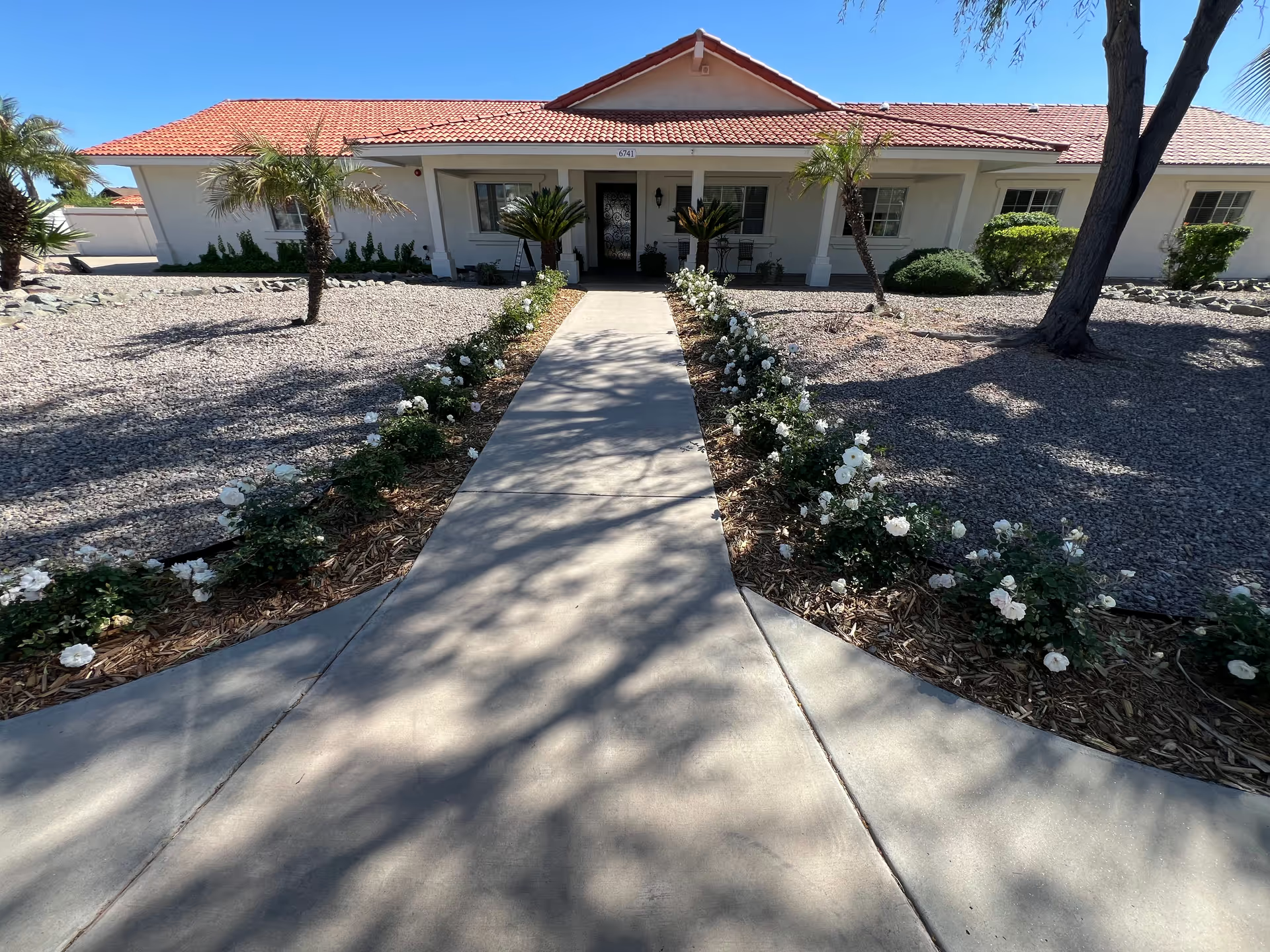
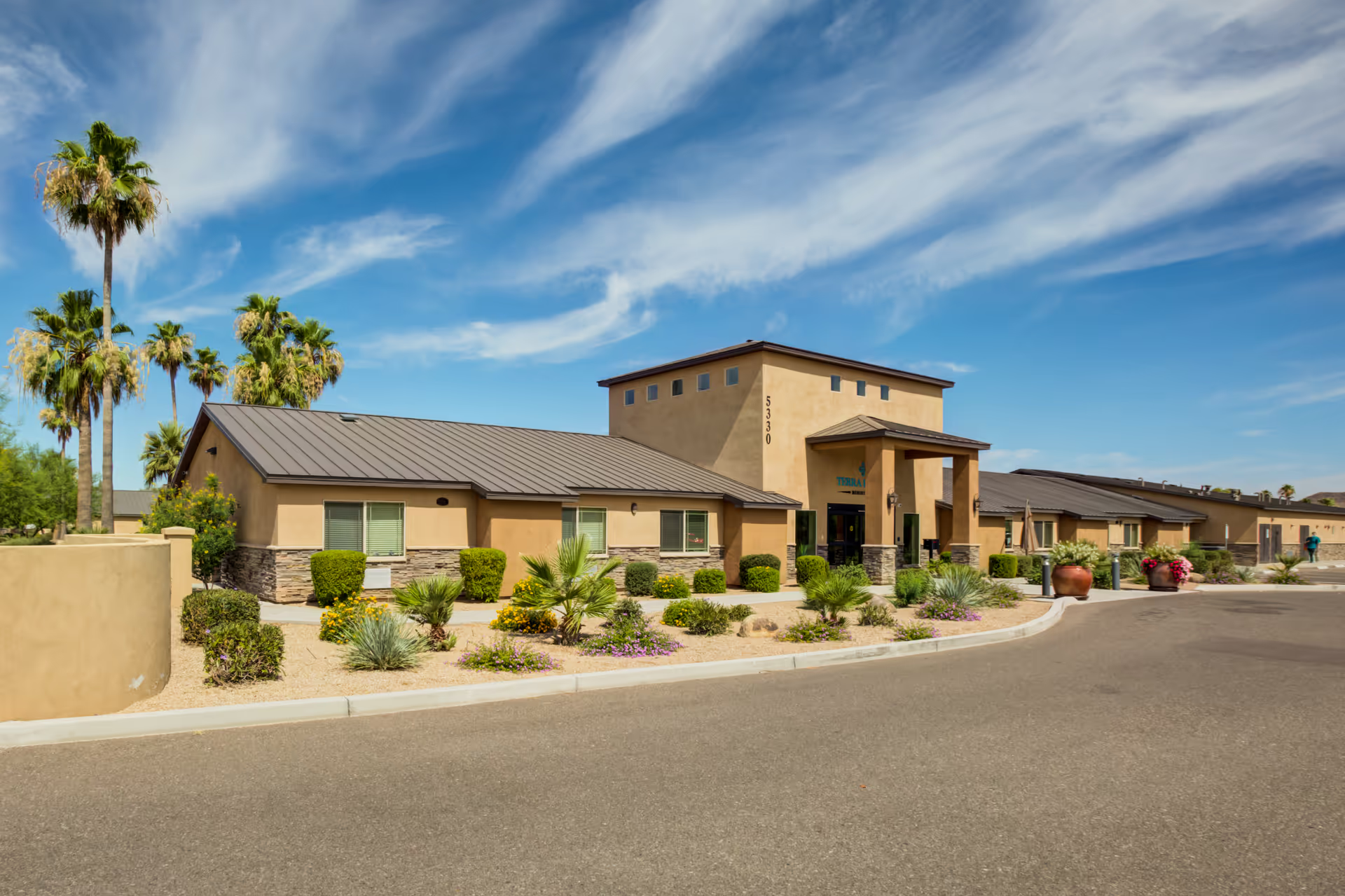
Advanced Health Care of Glendale elicits strongly polarized impressions. Many reviewers emphasize the facility’s physical environment and amenities: a hotel-like setting with attractive décor, large private rooms with en-suite bathrooms, plentiful natural light, and a modern rehabilitation gym. The property is frequently described as clean and well maintained, with an emphasis on a pleasant dining room atmosphere and high-quality meal presentation when services are operating as intended.
Rehabilitation and therapy stand out as a relative strength. Multiple accounts describe knowledgeable, effective physical and occupational therapists, a well-equipped therapy gym, and measurable functional improvements. When therapy staff engage consistently, families report good outcomes and smooth transitions to home care. Conversely, there are repeated accounts of therapy sessions being skipped, underused equipment, or clinical orders not followed — suggesting variability in how therapy plans are executed across stays.
Staffing and direct-care consistency are a central area of divergence. Numerous positive comments highlight compassionate, attentive caregivers and accessible leadership; however, an overlapping set of reports documents understaffing, slow or delayed responses to call lights, and tense or unprofessional interactions with families. These operational inconsistencies appear to affect basic care tasks (timely medication administration, hygiene assistance, linen changes) and contribute to caregiver–family communication breakdowns.
Clinical oversight and safety receive mixed evaluations. Several reviews point to serious clinical concerns such as medication-management deficiencies, delayed clinical assessment or escalation, and fall-related incidents that required hospital transfer. There is also mention of regulatory scrutiny related to medication practices. These items indicate gaps in medication administration controls, clinical monitoring, and transfer- or fall-prevention protocols rather than isolated aesthetic or hospitality issues.
Dining and nutrition are frequently praised for menu variety, presentation, and the presence of a chef, and many families describe meals as an asset to recovery. At the same time, other accounts describe unpalatable meals, lack of individualized nutrition planning, and inconsistency between reported dining standards and day-to-day delivery. Housekeeping performance and linen management similarly vary between consistently excellent and intermittent lapses.
Management and administration present a mixed picture. Several reviewers commend visible, responsive leadership and staff who go the extra mile; other reviews describe poor discharge coordination (medications and equipment not arranged at discharge), billing or financial-disclosure problems, and difficulty resolving clinical concerns. Infection-control and visitation practices also drew differing comments — some praising safety focus, others noting restrictive or inconsistent policies during infection events.
Overall pattern and guidance: prospective residents and families are likely to encounter either a high-quality, hotel-like rehabilitation experience or operational variability that affects clinical care and day-to-day responsiveness. To evaluate fit, visitors should verify current staffing ratios and turnover, review the facility’s medication-safety and fall-prevention protocols, ask for examples of therapy schedules and how clinical orders are tracked, confirm discharge-planning steps (medication reconciliation, equipment set-up, follow-up appointments), and obtain written billing and insurance disclosures. Observing shift changes, asking to see the therapy gym and meal options, and speaking directly with nursing leadership about clinical oversight can help clarify whether the facility’s strengths align with a particular resident’s clinical and personal needs.