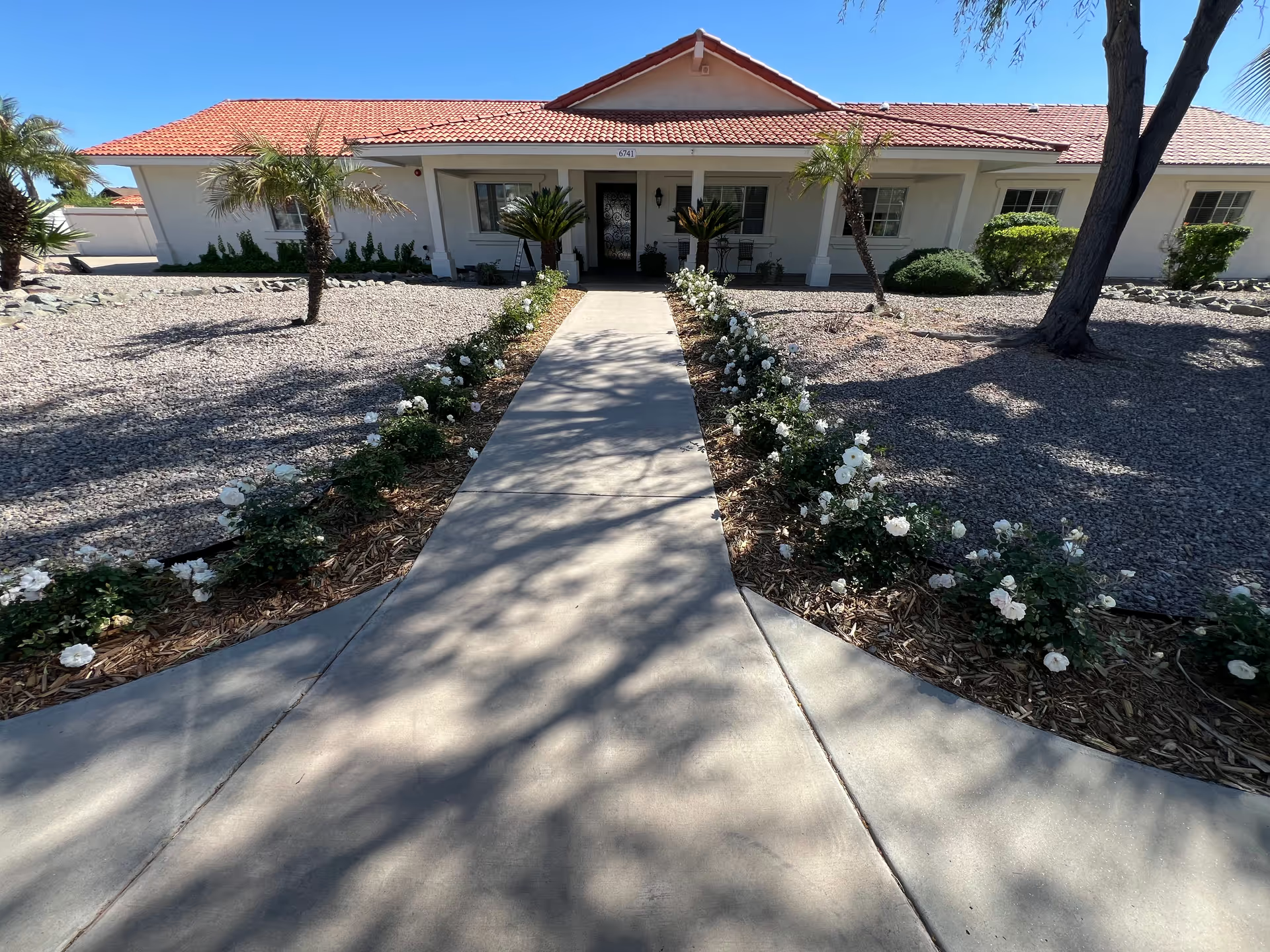
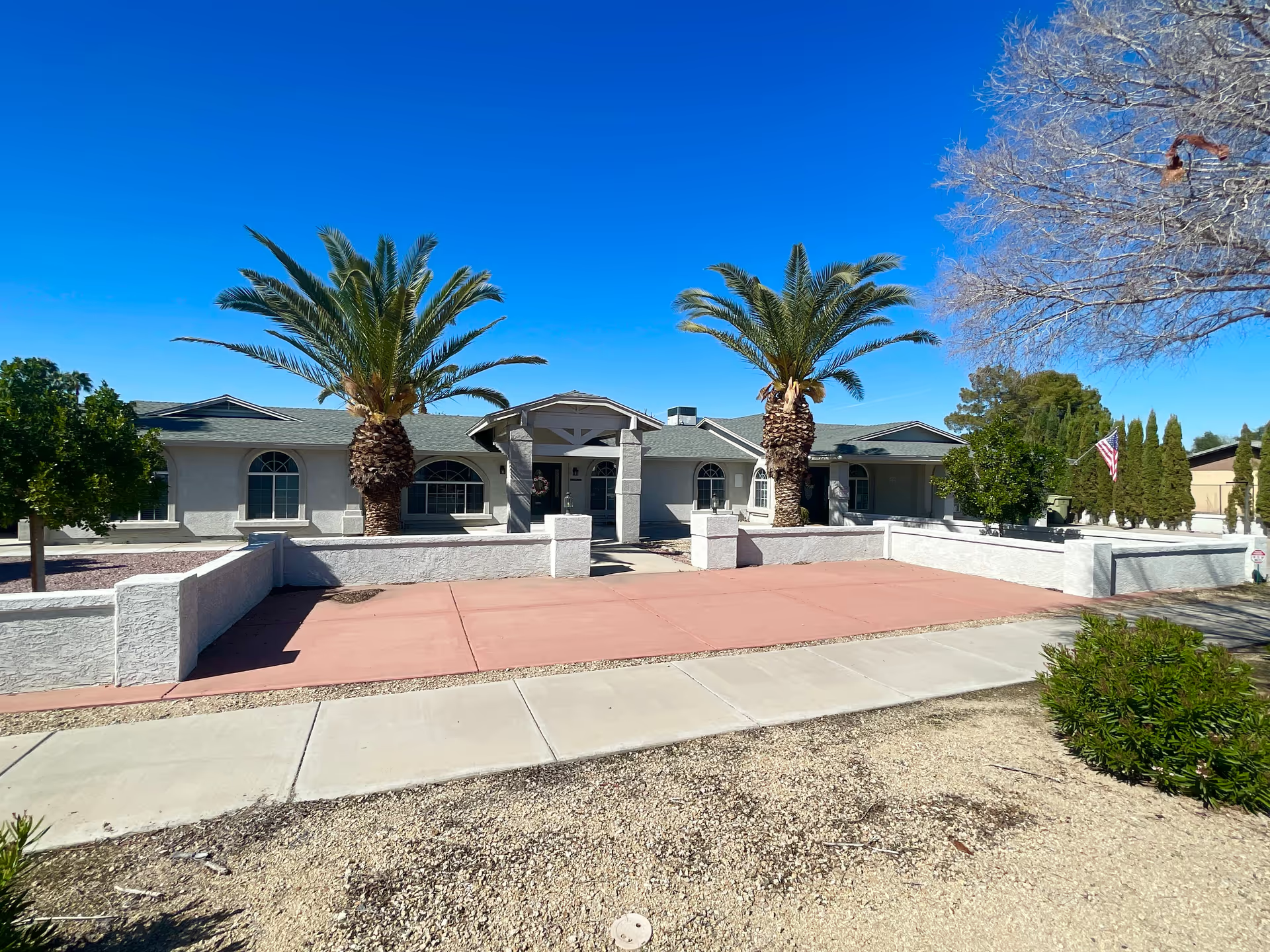
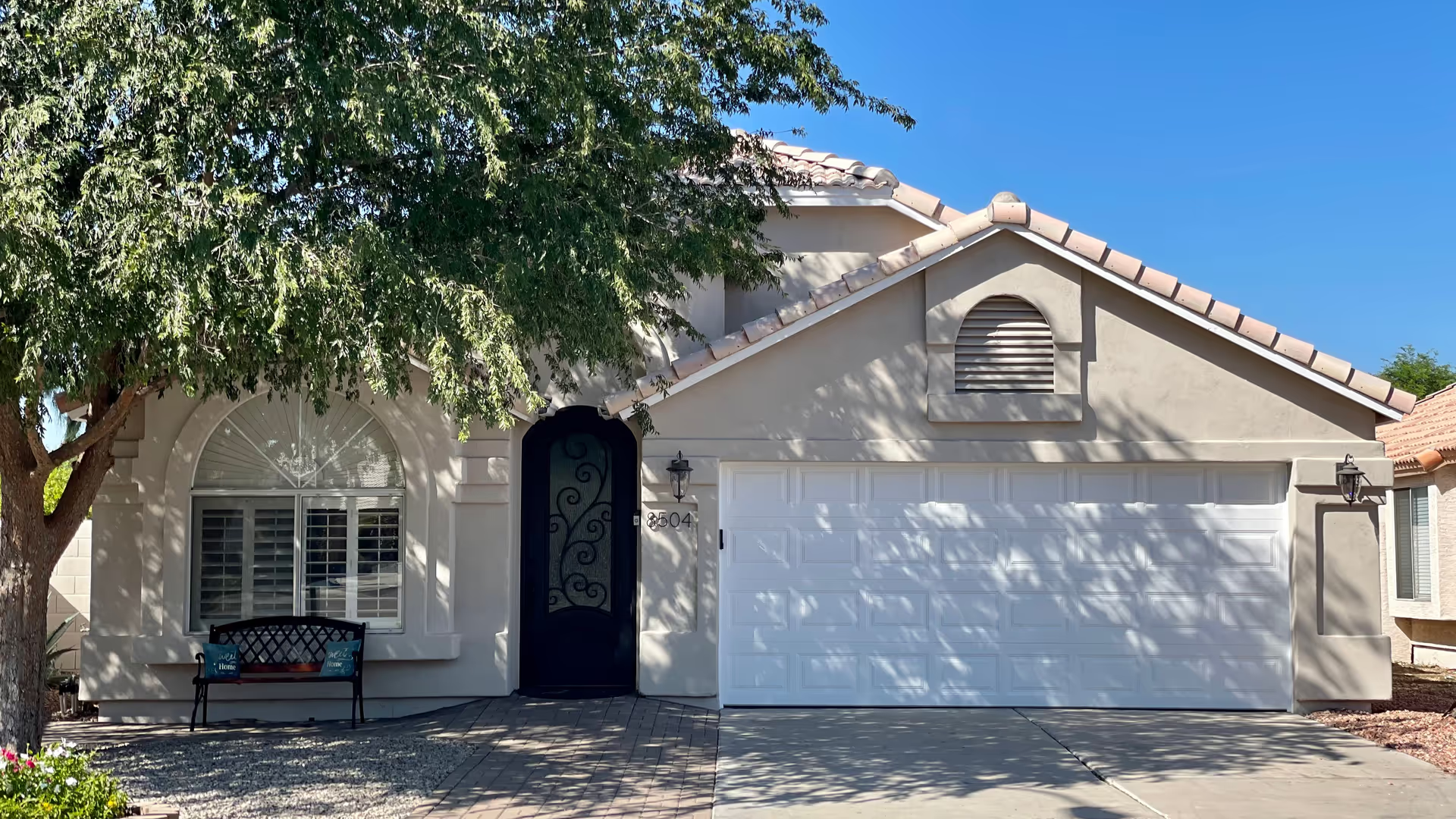
Vandermeyer Senior Homecare presents as a small, home-like facility with several tangible strengths: a clean, well-maintained house and grounds, newly updated furnishings and appliances, satellite-equipped televisions in rooms, and an outdoor yard and patio that families describe positively. The facility advertises a clinician on call and offers hospice and end-of-life support, and many reviewers highlighted warm, family-style interactions with staff and management presence during tours and transitions.
Care quality and staffing show a mixed picture. Numerous families praised individual caregivers for compassion, patience, dignity-preserving assistance, and willingness to go above and beyond (examples include overnight vigilance and hand-feeding when needed). At the same time, reviewers also described variability in staff engagement and availability. This translates into an operational risk that families should probe: while dedicated caregivers exist, overall staffing levels and day-to-day consistency appear uneven across shifts, and some accounts point to delays in assistance or limited direct interaction with residents.
Clinical-safety and communication patterns merit careful inquiry. Several reviews raise concerns consistent with weaknesses in medication-management, fall-prevention, and post-incident response; these were also tied to frustrations about management responsiveness and gaps in timely family updates. Those issues suggest the facility may benefit from clearer clinical protocols and stronger incident-communication practices. Families should ask about medication administration checks, fall-prevention procedures, incident reporting, and the process for escalating clinical issues to management or outside clinicians.
Dining and activities are another area of divergence. The facility provides three home-cooked meals daily and in-house laundry/housekeeping, and some families complimented the cook and meal environment. Conversely, other families described inconsistent or poor meal quality. Activity programming likewise divides opinion: some residents enjoy meaningful group events and holiday/birthday celebrations, while others experienced few activities or limited active stimulation, particularly for residents needing tailored cognitive engagement. Transportation services are not offered, which may limit off-site outings or medical appointments.
Facility management and culture show strengths in owner involvement and individualized attention during tours and admissions; several reviewers reported a smooth transition and a warm, family-like atmosphere. However, there are recurring remarks about inconsistent management responsiveness to concerns and occasional messaging that discouraged visits, which may reflect policy communication issues or staff training gaps. There are also isolated concerns about personal-property handling that families may wish to address before placement.
Overall, Vandermeyer Senior Homecare appears to be a clean, intimate option with clear strengths in individualized, compassionate care from some staff members, up-to-date physical amenities, and a homelike scale. The principal operational caveats are variability in meal quality and staff engagement, limited transportation, and identifiable gaps in medication/fall management and family communication. Prospective families should tour the home, meet caregivers and management, and ask specific questions about staffing ratios, medication and fall-prevention protocols, activity schedules (including dementia-specific stimulation), visitation policies, property-safeguarding practices, and how clinical incidents are communicated and resolved.