Palos Verdes Senior Living presents as a modern, well-appointed senior community with many features families commonly seek: newly updated apartments, resort-like common areas, landscaped outdoor spaces, and an extensive activities program. The campus offers a full continuum of care—independent living, assisted living, and memory care—with onsite clinical resources including physician house calls, pharmacy visits, licensed nursing support, and rehabilitative services (OT/PT). Many reviewers highlighted attentive emergency response measures, safety devices, and an overall emphasis on resident safety and mobility improvement.
Staff and caregiving received consistently strong praise. Reviewers used terms such as compassionate, helpful, and personable to describe caregivers, med techs, and wellness teams; long-tenured employees and specific staff members were often singled out for above-and-beyond assistance during move-ins and transitions. Families frequently credited the staff with providing peace of mind, responsive COVID-era communication, and supportive end-of-life care. That said, there is a pattern of variable leadership quality: some families described strong, visible directors and recent improvements under new managers, while others cited management turnover, uneven second-shift supervision, and concerns about the tone or responsiveness of particular administrators.
Dining and culinary services are a mixed area. The facility markets restaurant-style dining with menus, daily specials, and formal dining service, and many residents enjoy the food and dining atmosphere. Simultaneously, a recurring theme is inconsistency in meal preparation and quality—examples include entree quality variability, overcooked or reheated items, and occasional cold service. Management has acknowledged adjustments in culinary leadership in several accounts; several reviewers noted that meals appear to be under revision and that new chefs were being brought in to improve consistency.
Activity programming and social life are clear strengths. The calendar is broad—exercise classes, water aerobics (when offered), bingo, arts and crafts, karaoke, live entertainment, nightly movies, and organized outings to restaurants and shopping are commonly available. Facilities such as an in-house theater, pool, salon, and gathering rooms support a lively social environment. A minority of comments indicated temporary reductions in programming during leadership transitions or pandemic restrictions, but multiple accounts describe expanding and increasingly creative activities under current programming staff.
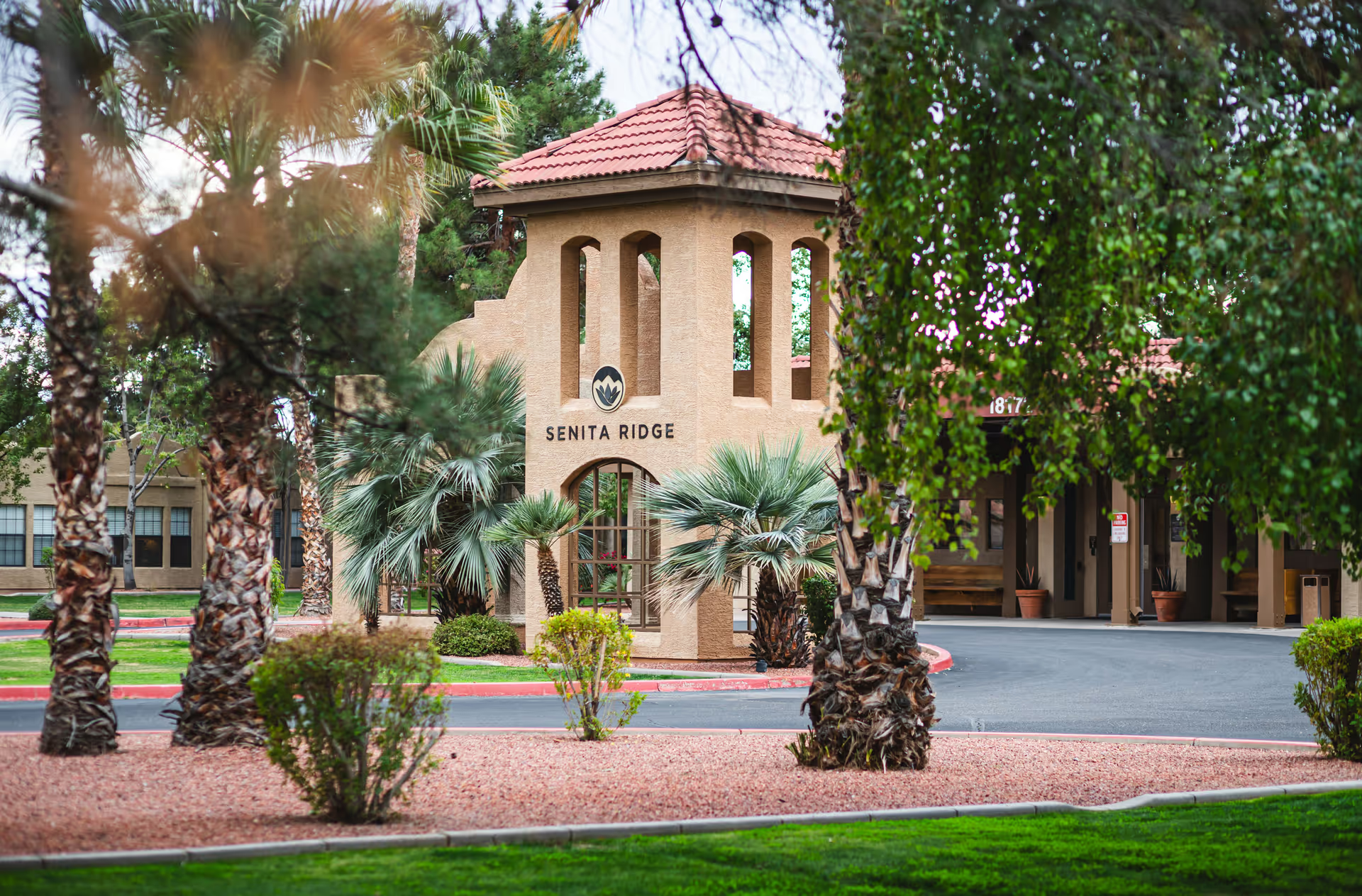
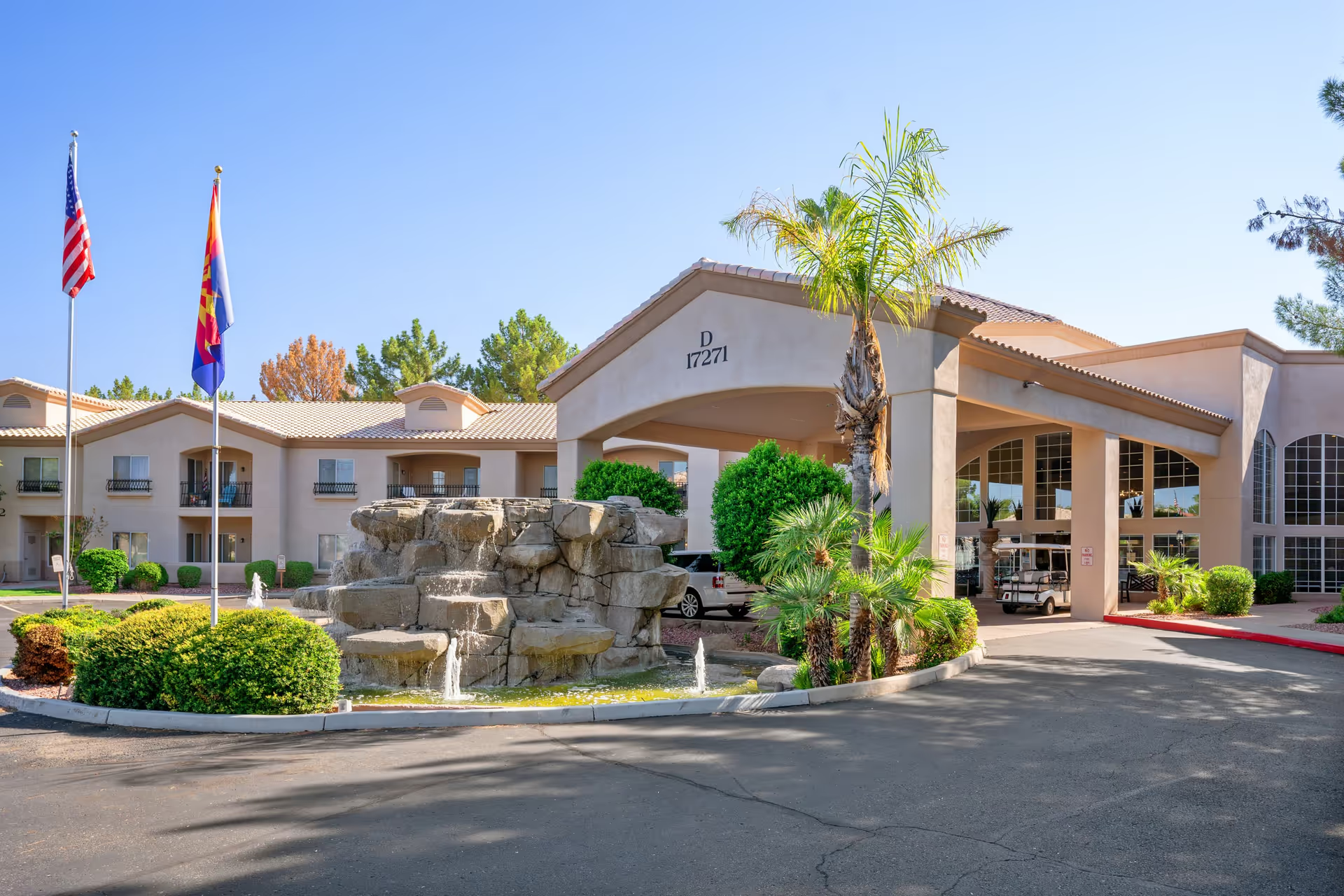
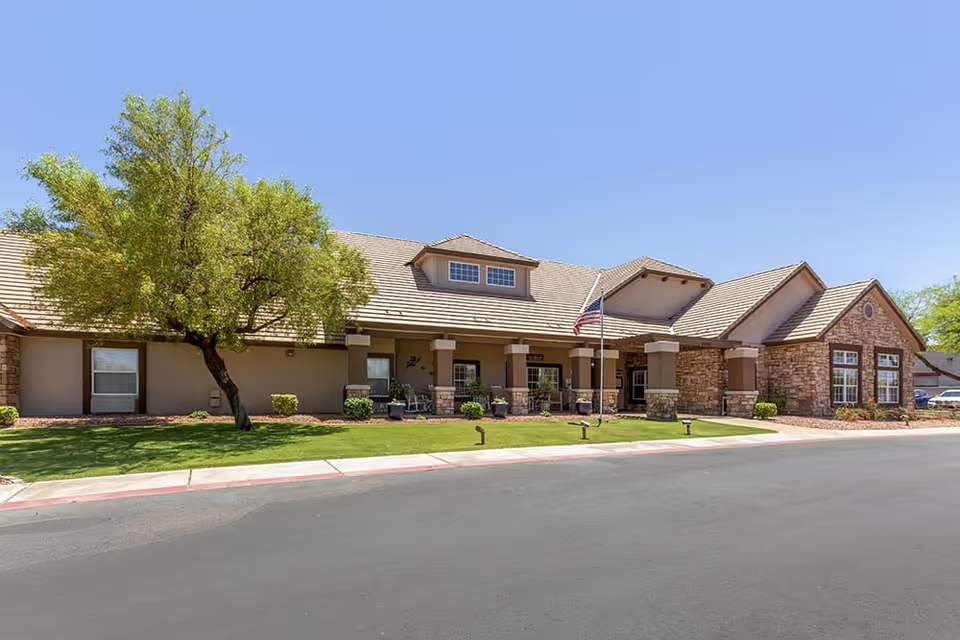
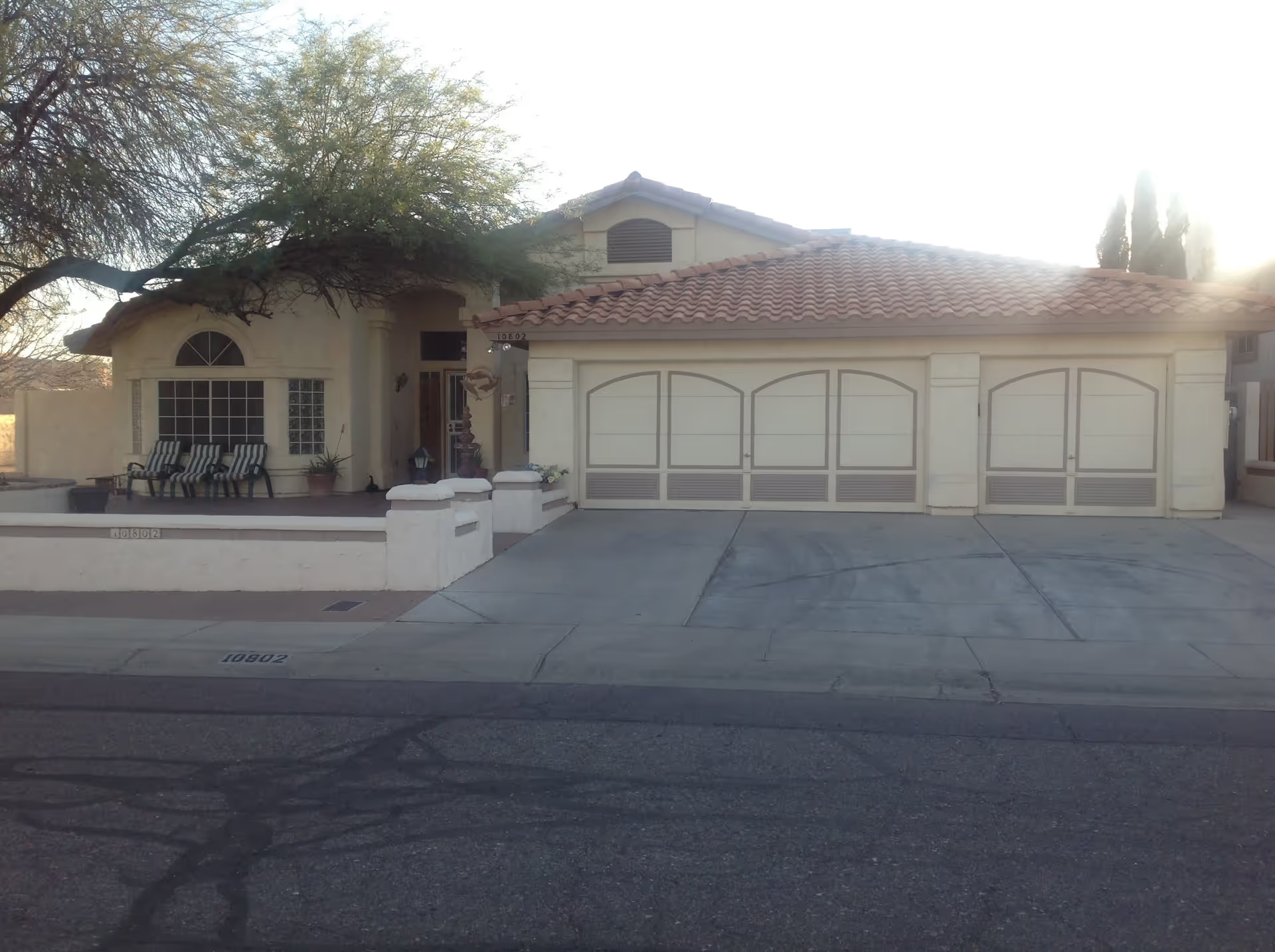
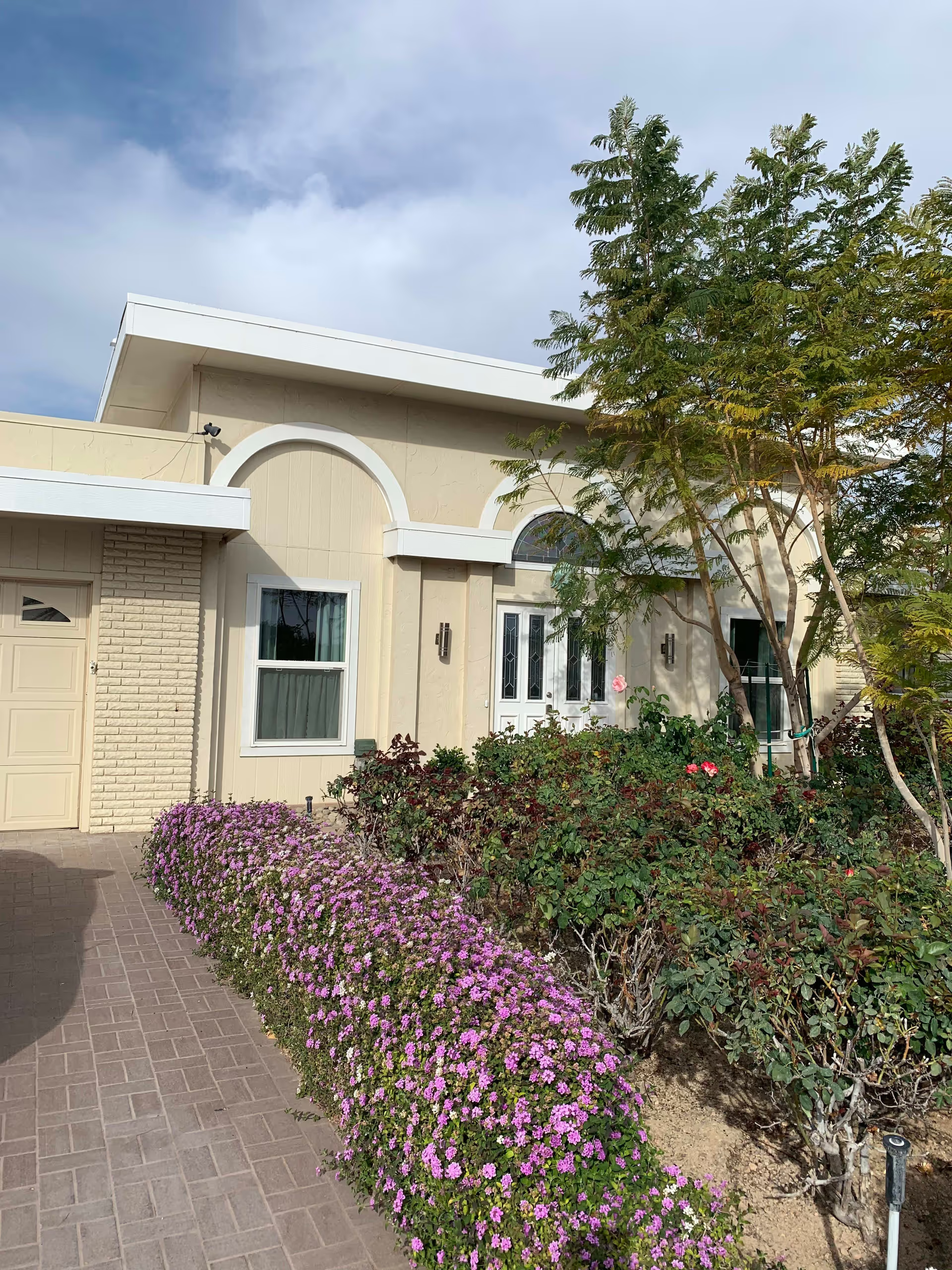
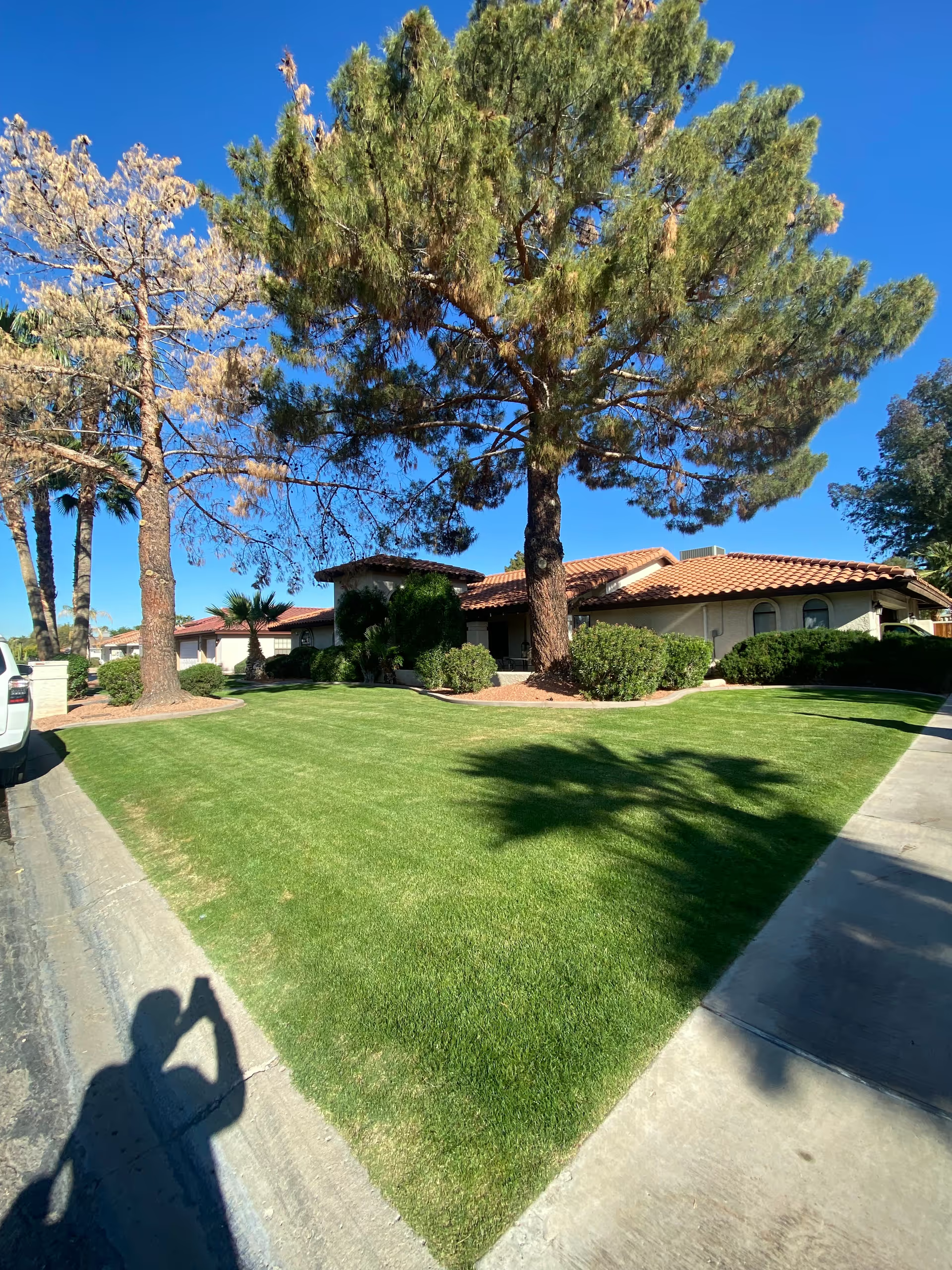
Facility condition and amenities are generally praised: reviewers described clean, modern interiors, well-maintained landscaping, and amenities such as salon services, an in-house movie theater, and accessible common spaces. Apartment offerings vary: larger independent units may include full kitchens, balconies, and in-unit laundry, while assisted-living units tend to be smaller; several families noted that certain unit types (for example, two-bedroom assisted-living units or balconies) may be limited or unavailable. Some reviewers also noted limited guest parking and constrained outdoor access for particular units as practical drawbacks.
Operational and policy patterns deserve attention from prospective families. Pricing and fee structures are frequently called out—many reviewers flagged a relatively high cost of care, periodic rent increases, and upfront nonrefundable community fees. Communication and billing transparency were uneven in some accounts, and there are multiple mentions of scheduling difficulties with facility transportation. Clinically, a recurring concern centers on inconsistent protocols for fall response and on how assistance is deployed between independent and assisted units; families suggested clearer, better-documented transfer and response procedures. There are also references to stronger or weaker management eras—while some residents report substantial improvements with new leadership, others described past contract or policy rigidity and a few serious complaints that led to external filings.
Overall, Palos Verdes is characterized by strong staffing culture, abundant activities, attractive facilities, and a comprehensive care continuum. Prospective residents and families should weigh the community’s social and clinical strengths against the potential for inconsistent dining, pricing and fee rigidity, transportation limitations, and variability in management or shift coverage. A thorough, focused tour that includes meal sampling, review of fall-response protocols, clarification of fee and refund policies, and conversations with current residents and clinical leadership will help determine whether the facility’s current service profile matches a prospective resident’s needs and priorities.