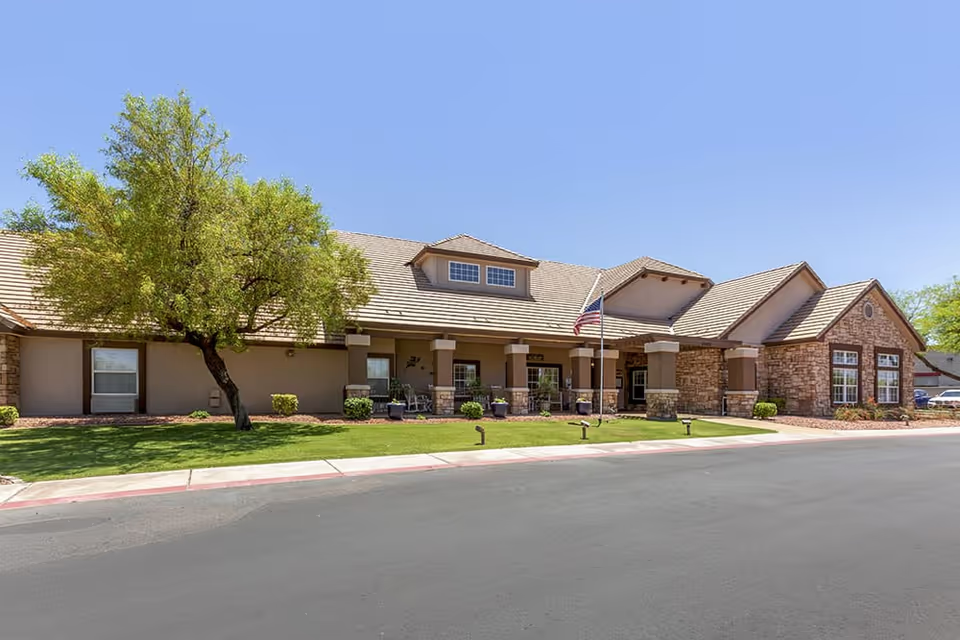
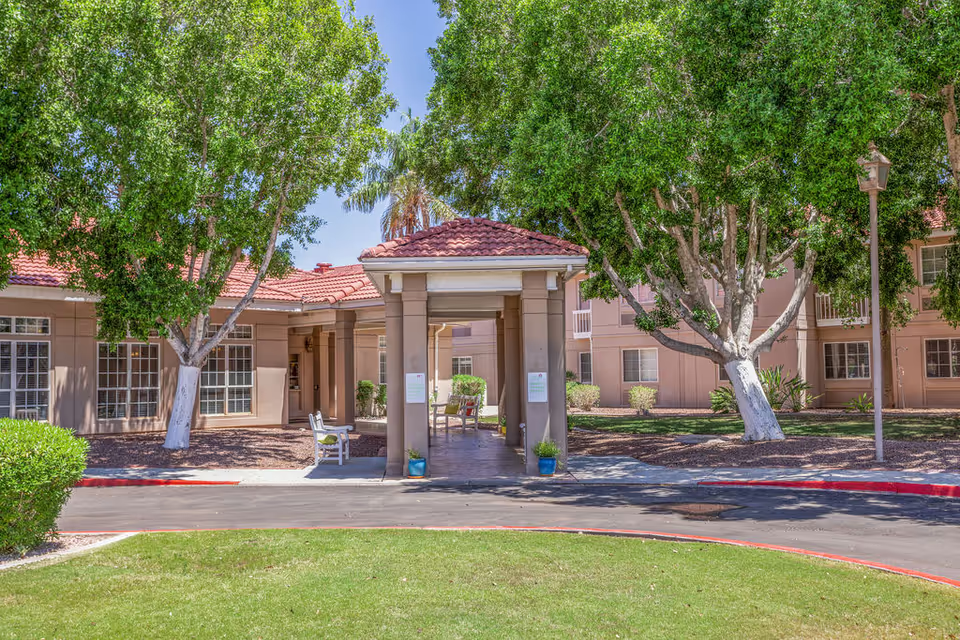
The Cottages at Peoria elicits strongly mixed but distinct impressions. Many families praise the facility’s home-like cottage model, well-kept grounds and outdoor spaces, and an active calendar of events (live music, themed days, concerts and crafts). Reviewers frequently highlight a core of compassionate, attentive caregivers, helpful admissions/tour staff, and consistent housekeeping and laundry service. Clinical supports such as on-site nursing and hospice care, plus virtual-visit facilitation and regular family communication, are also cited as important strengths that provide reassurance to families.
Care quality is described as uneven. Numerous accounts indicate very positive, hands-on caregiving and individualized attention in certain cottages and from specific staff members; families credited staff with meaningful one-on-one engagement and dignity-preserving end-of-life care. At the same time, a recurring pattern indicates variability in caregiver engagement, inconsistent personal-care follow-through (including grooming and hydration monitoring), and instances where staffing levels appeared insufficient during busy periods or overnight. Several reviews raised concerns about medication handling and documentation, and some described a higher-than-expected rate of ambulance calls and injuries, which collectively point to gaps in transfer-safety practices and incident response protocols.
Dining and activities are frequently cited as strengths: many reviews praise scratch-cooked meals, family-style dining, pleasant dining smells, and a broad array of activities that support socialization and memory care. However, the positive dining impression is not universal—some families described unappetizing meals or lack of a posted menu and noted difficulty ensuring residents were eating. Activity quality also varies by cottage: while the community runs many successful campus-wide events and cottage-level programming, engagement and participation appear inconsistent across different houses.
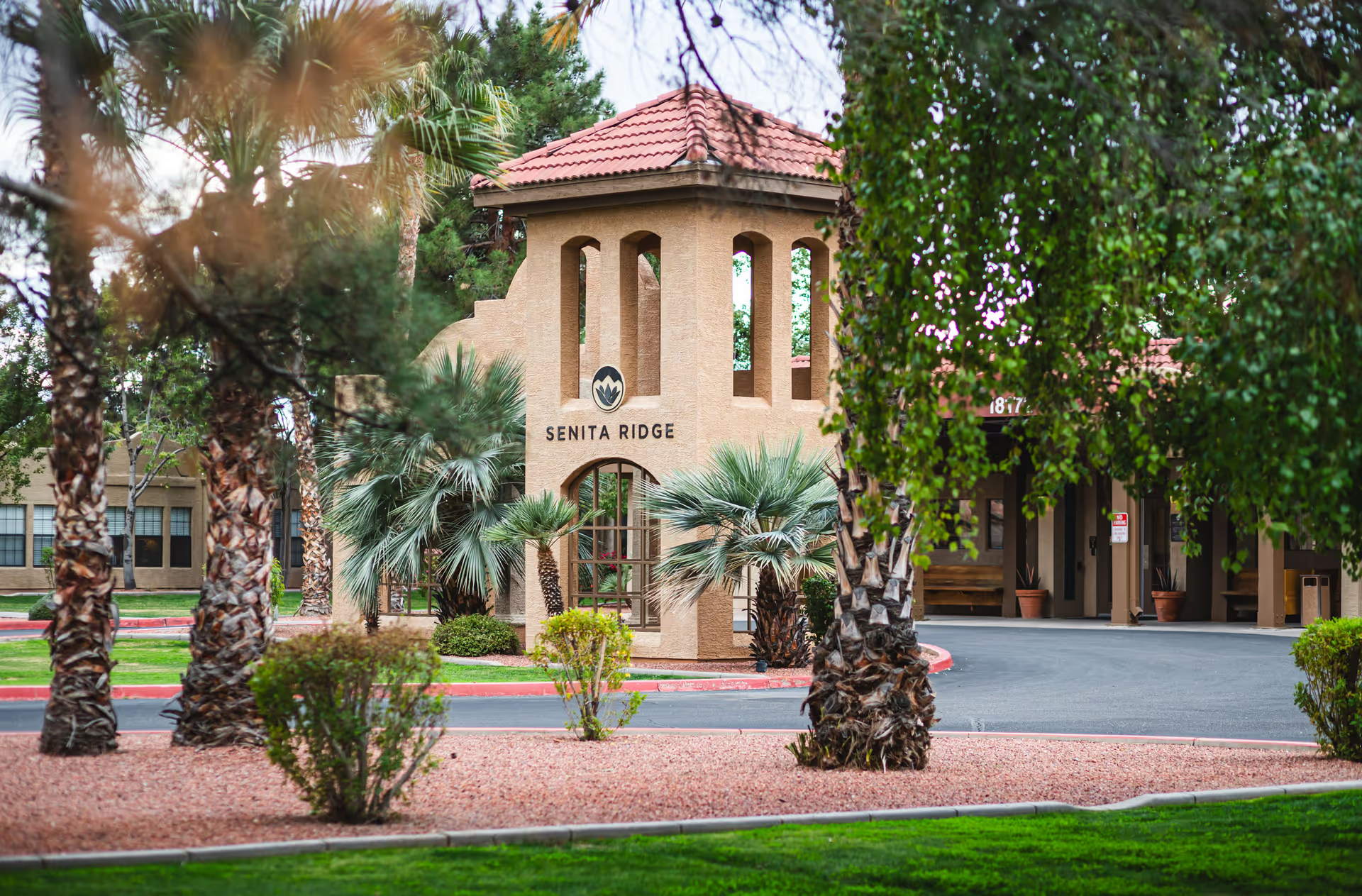
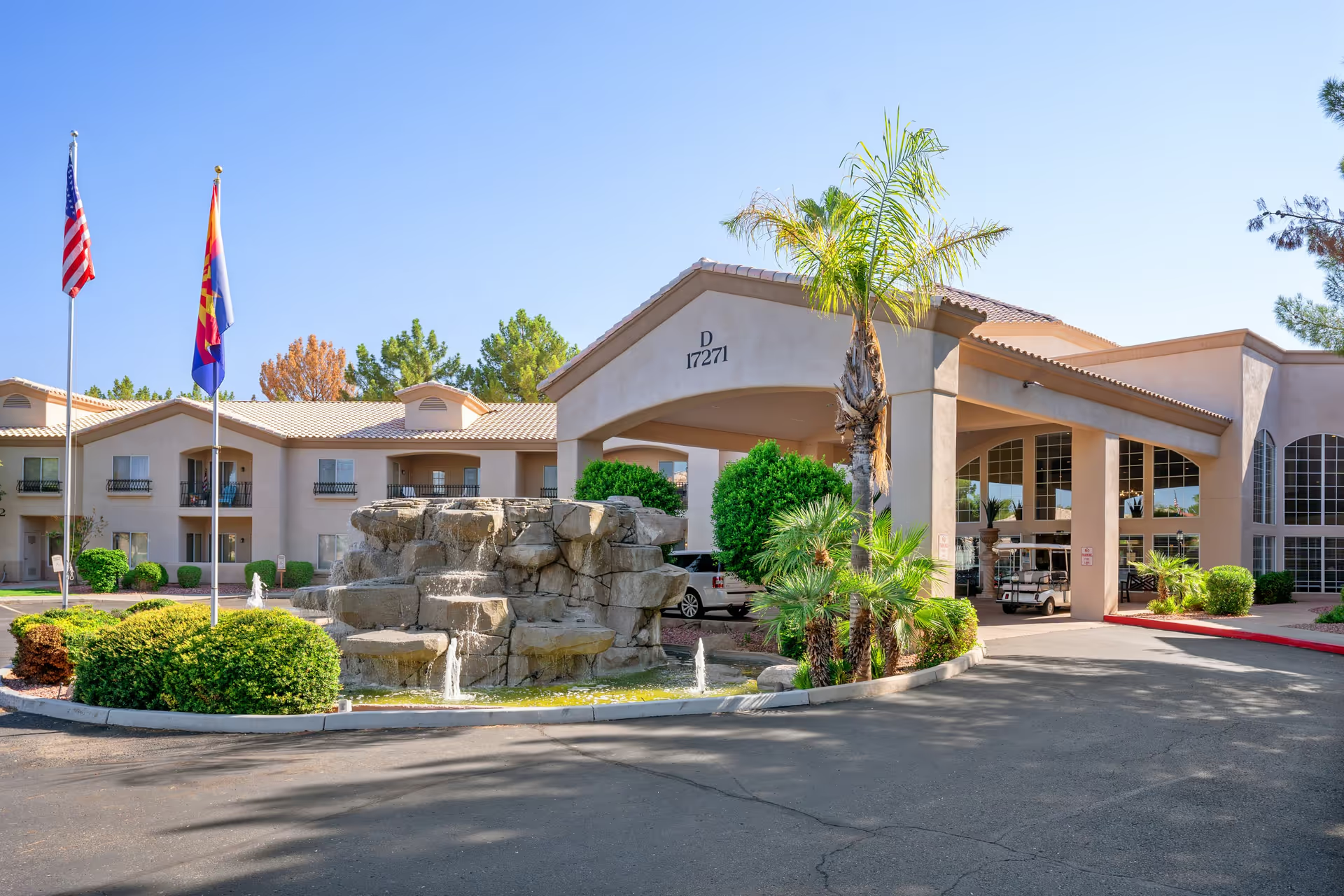
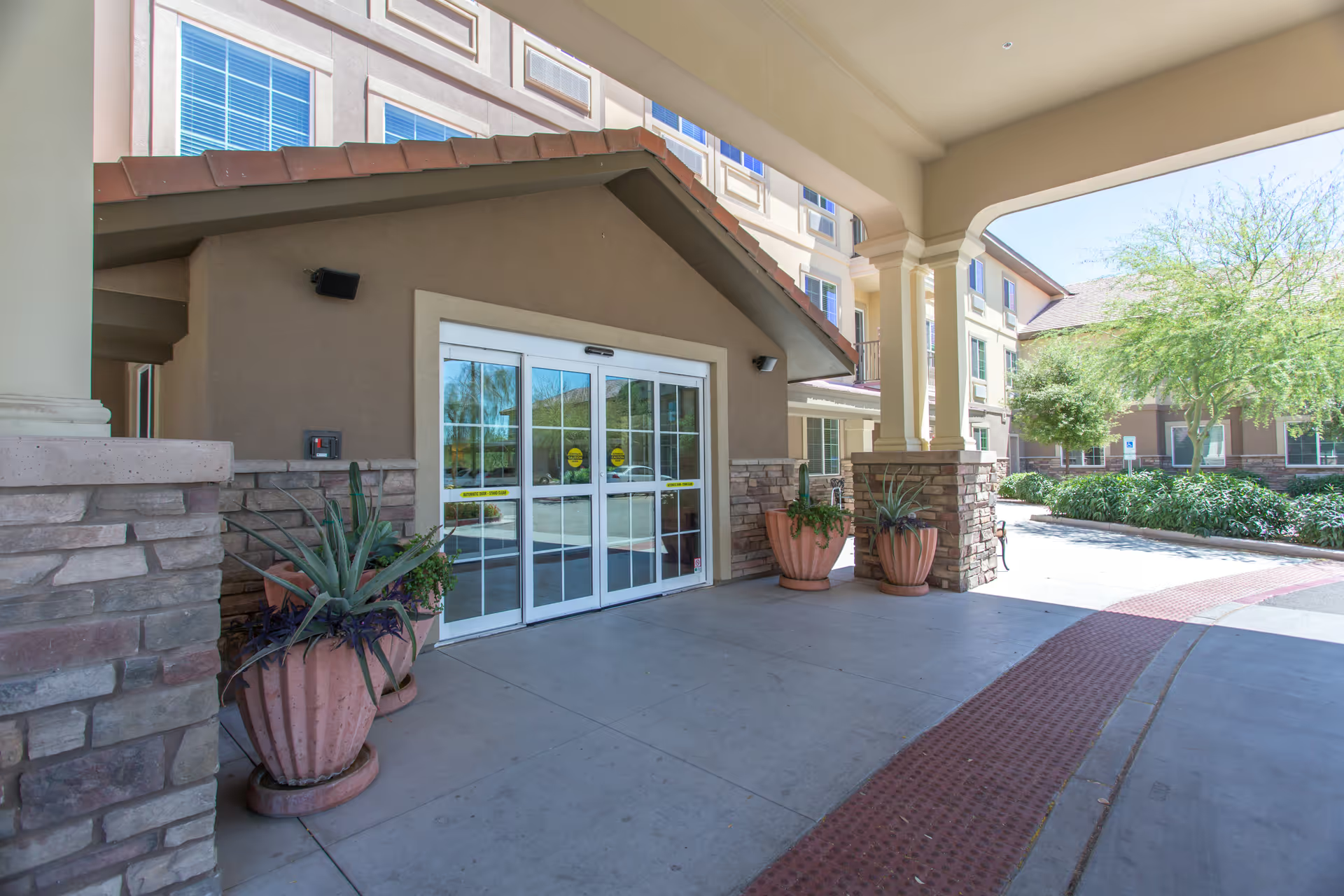
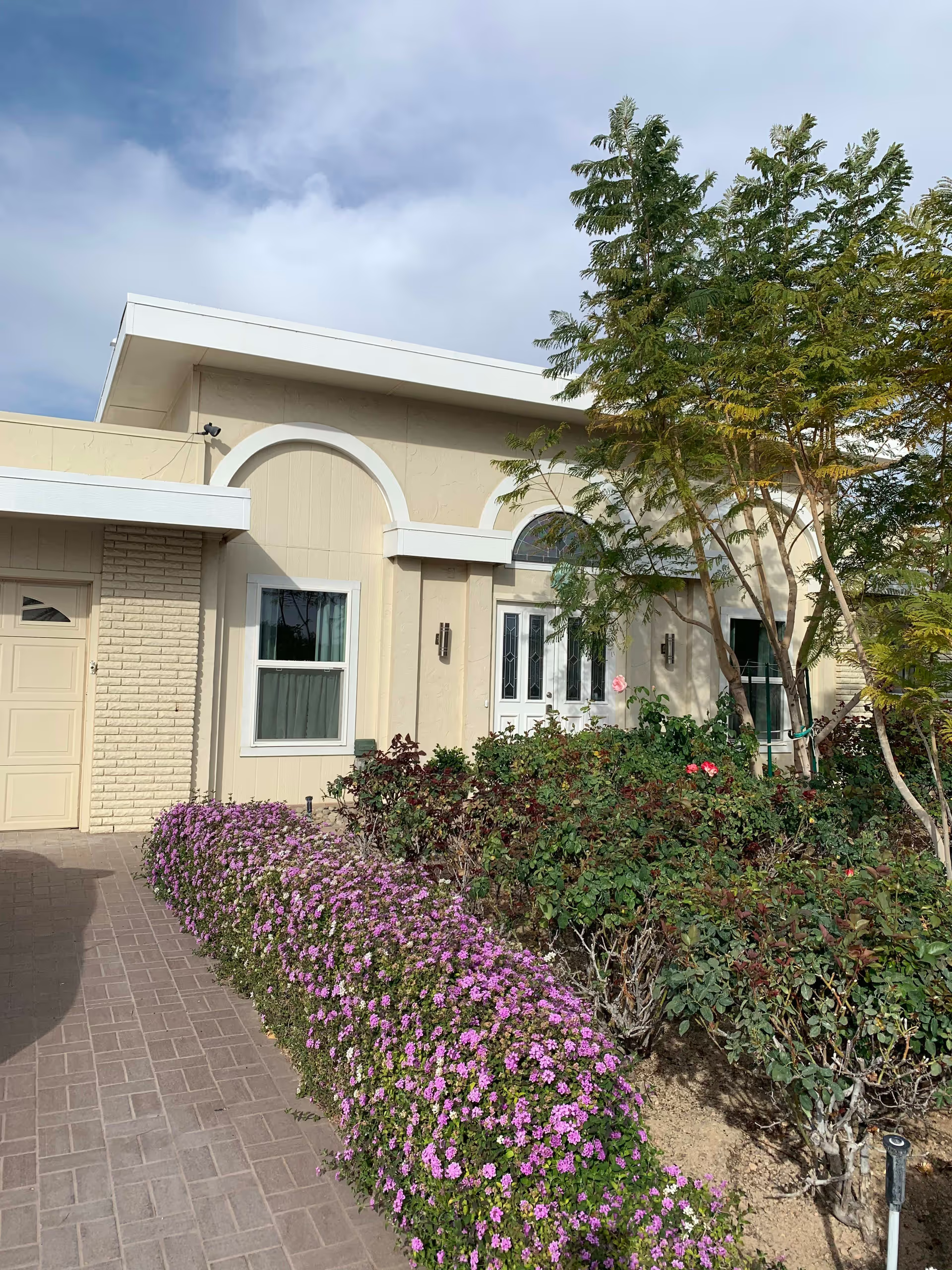
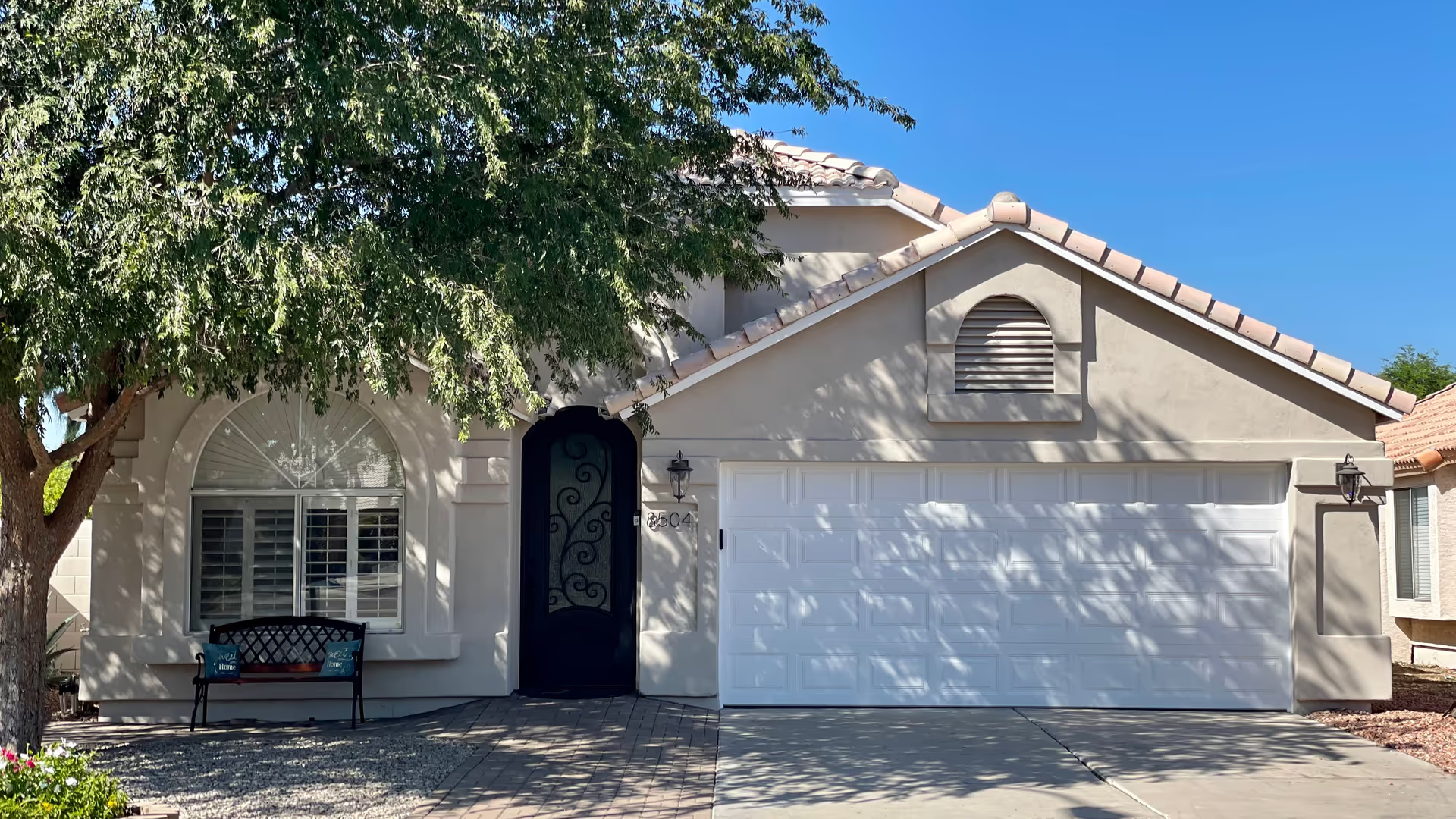
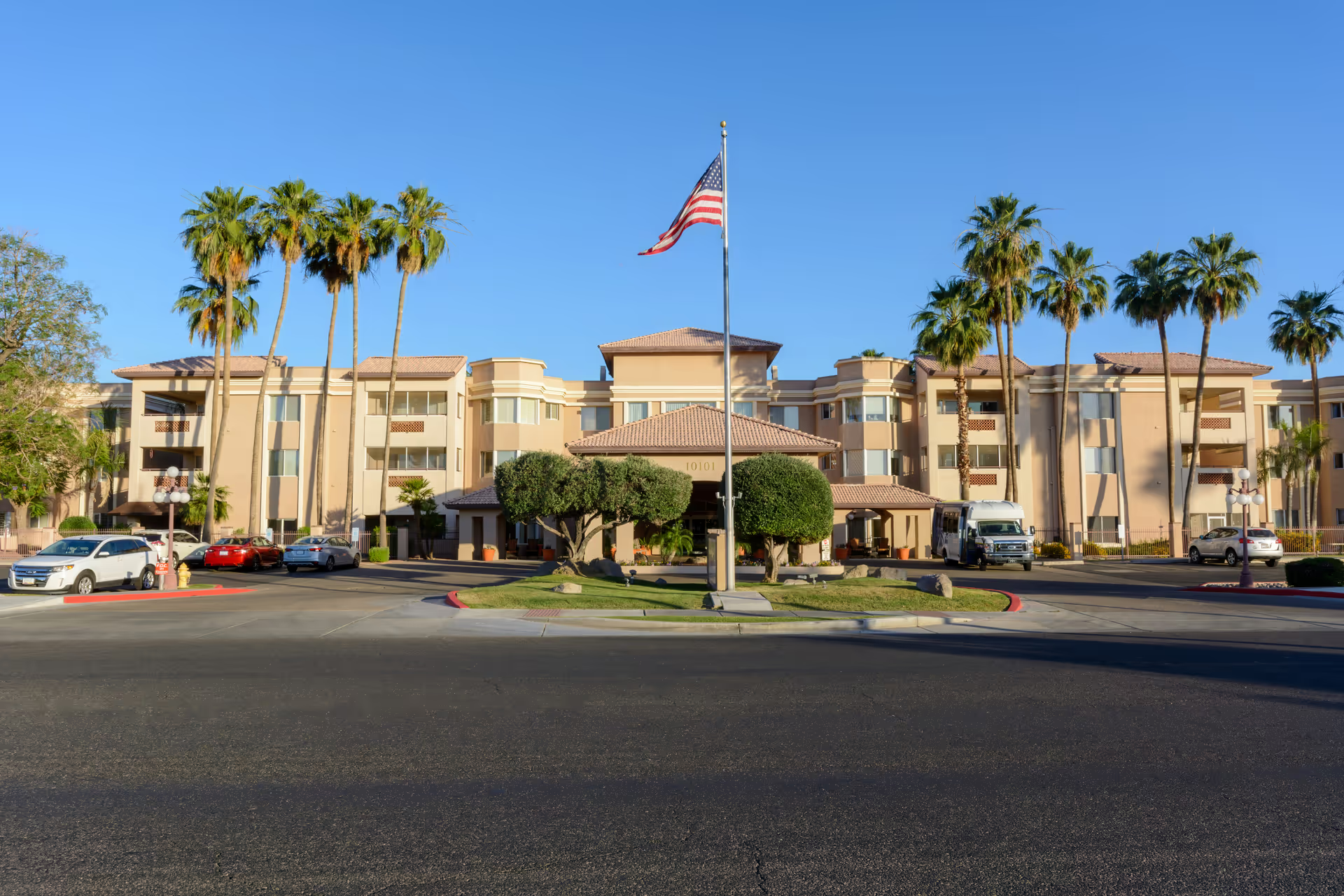
Facility and campus features receive favorable comments for cleanliness, cottage design, private bathrooms in some newer cottages, and secure gated access. At the same time, reviewers documented variability in room and bathroom maintenance, and mentioned pest-control concerns that suggest uneven facility-level environmental management. The cottage layout and small-group model are seen as beneficial for individualized care and social connection, but older buildings and inconsistent upkeep were also noted.
Leadership and management present a mixed picture. Several families praised directors and community relations staff for clear communication, responsiveness, and hands-on involvement; others described frequent management turnover, poor communication, and concerns about leadership tone and decision-making. There are also isolated but serious allegations concerning management conduct, including claims of discriminatory behavior; these accounts were notable in tone and suggest prospective families should discuss leadership stability and grievance processes during a tour.
Overall, the dominant pattern is polarization: the community delivers excellent, family-centered experiences for many residents—particularly where stable caregiver teams and engaged leadership are present—but operational weaknesses recur across reviews. The most actionable risk areas to verify during a visit are staffing consistency and turnover, transfer and mobility-safety protocols, hydration and meal-monitoring practices, medication-administration controls, pest-control history, and management stability/communication practices. Prospective residents and families would benefit from asking for recent staffing ratios, incident-reporting procedures, pest-control records, examples of staff retention, and references from current families in the specific cottage they would occupy.