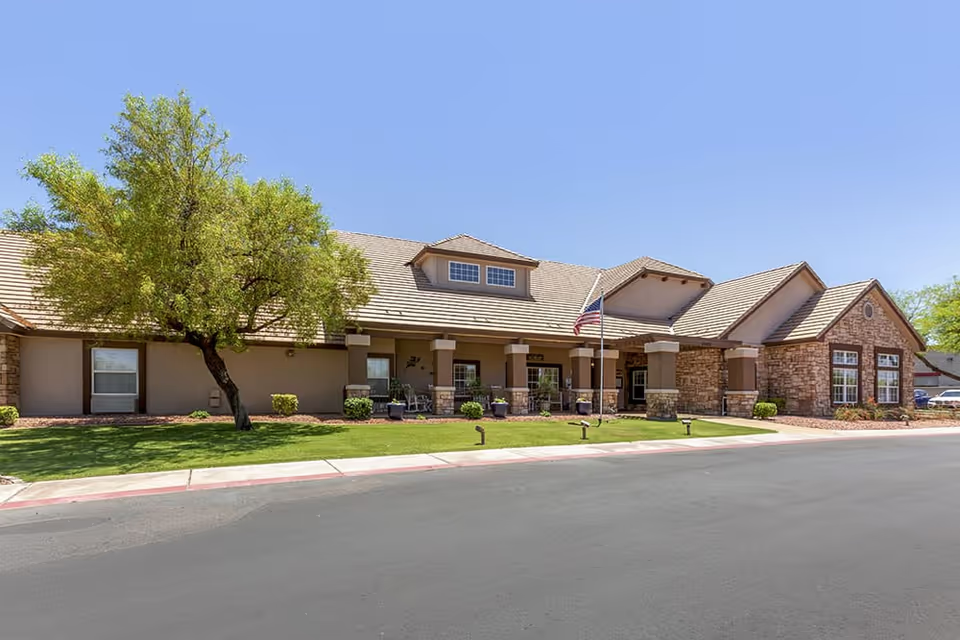
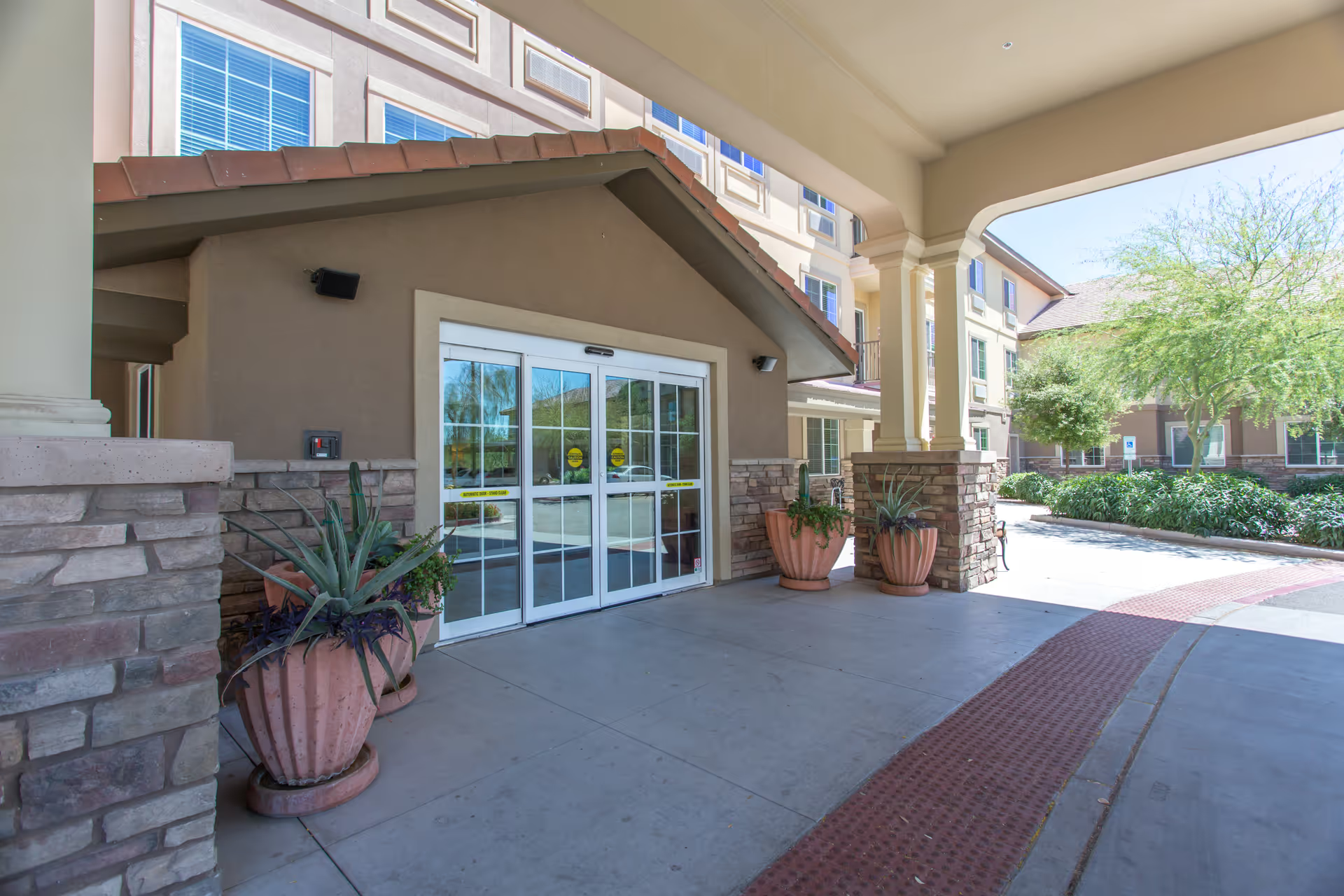
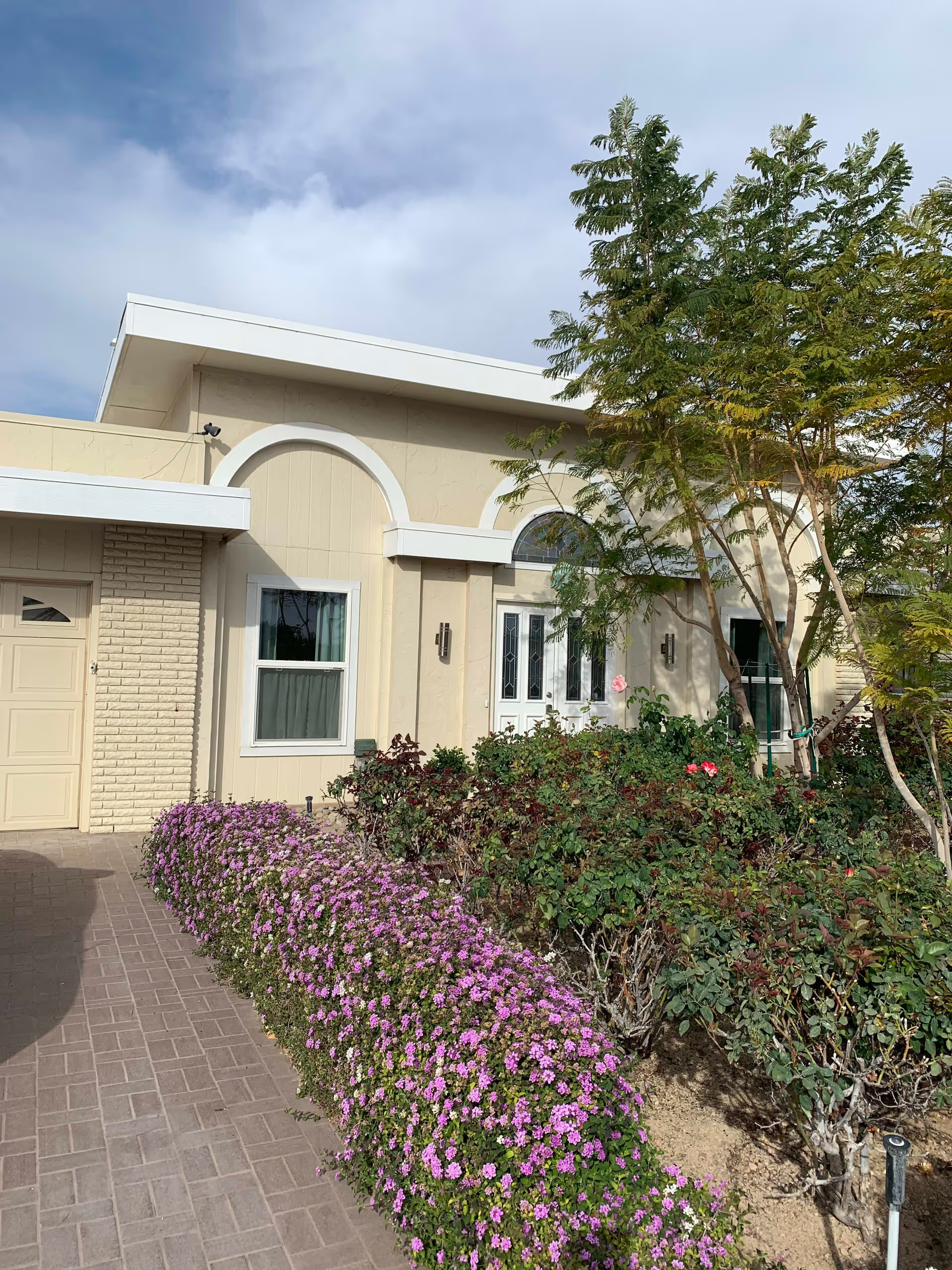
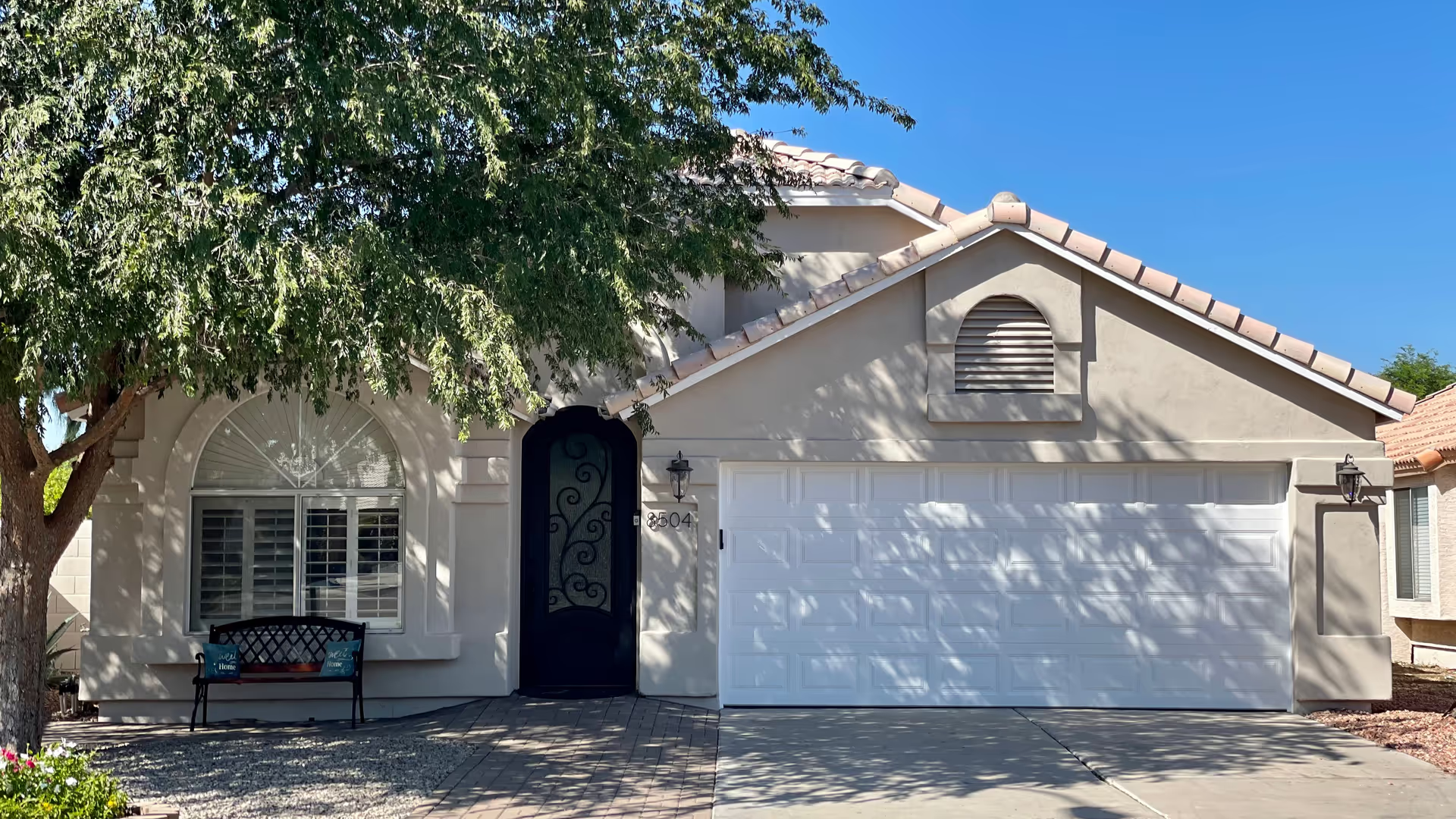
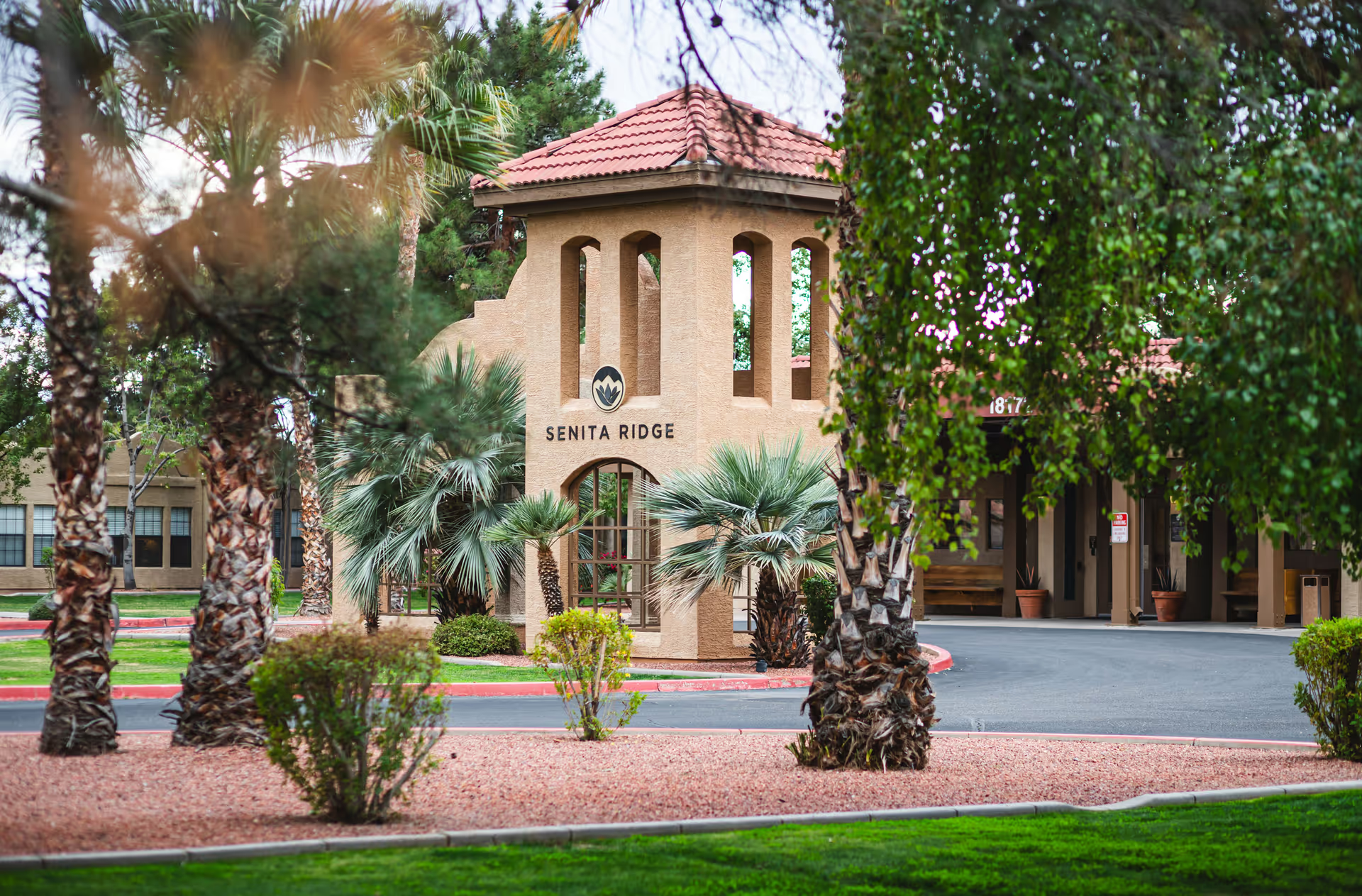
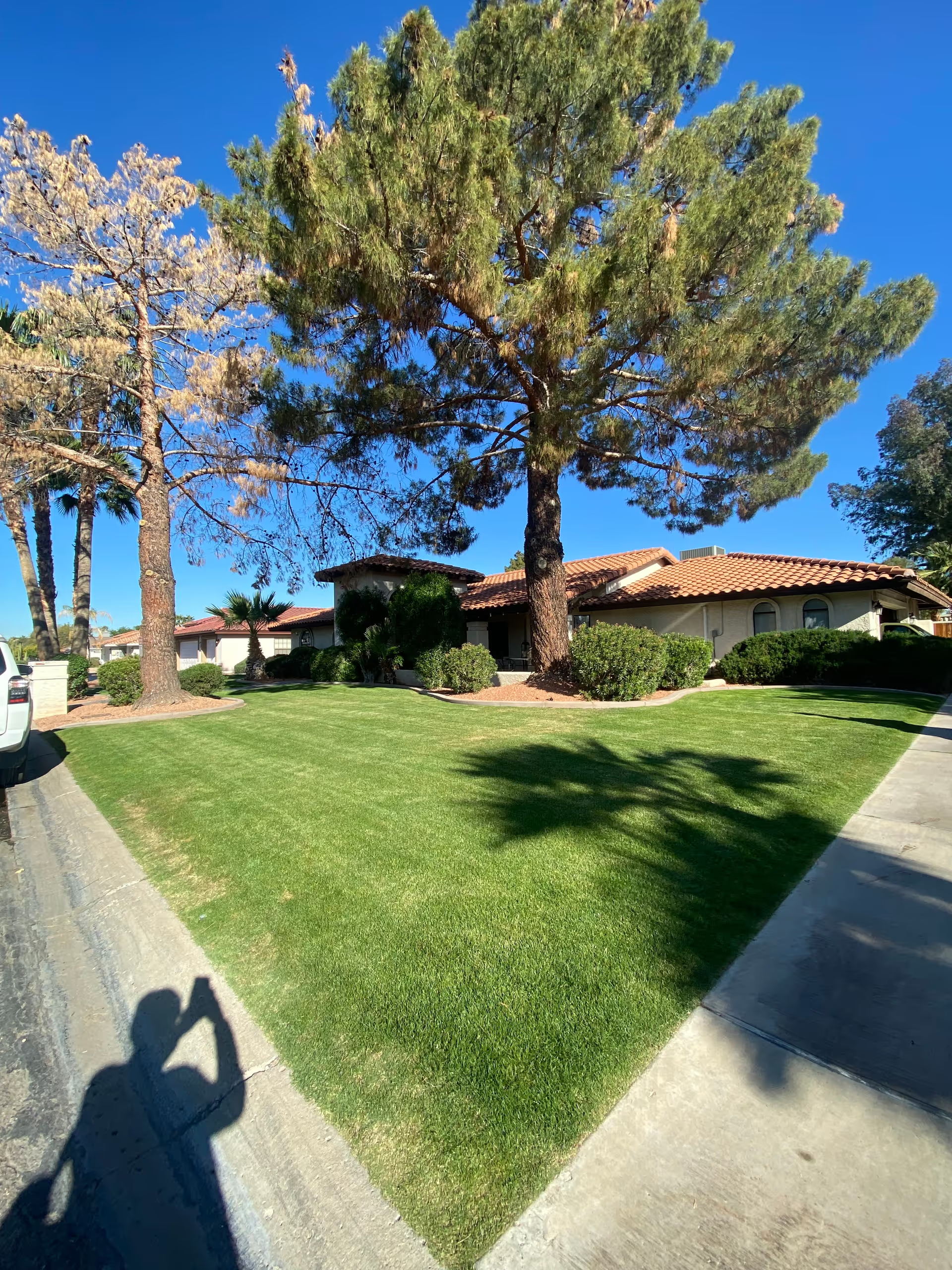
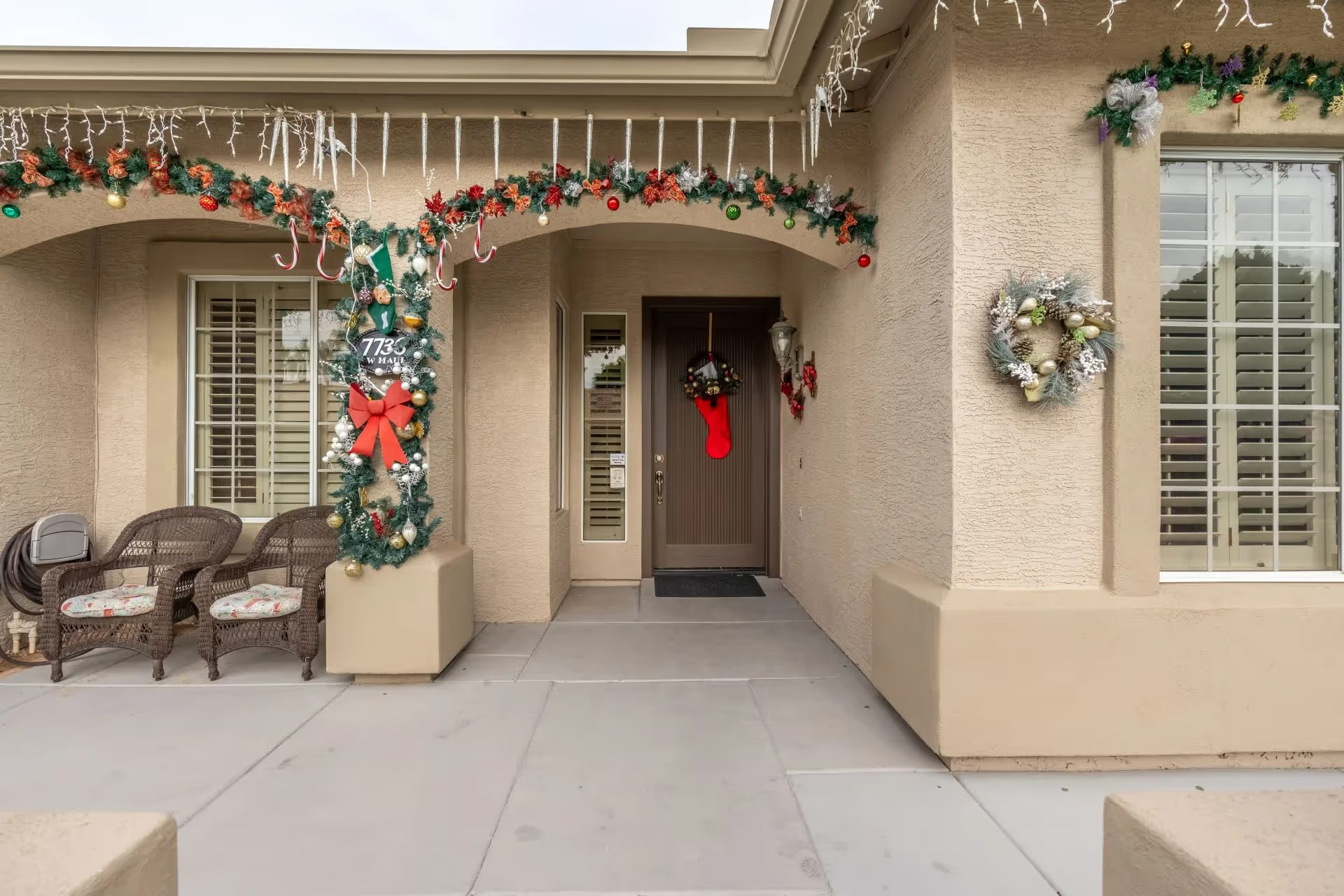
The Montecito presents as a large, resort-like senior community with extensive amenities and a wide range of housing choices. Reviewers consistently describe attractive, well-landscaped grounds, hotel-style common areas, and multiple unit types — including casitas, villas and apartment-style independent living — many of which include full kitchens, in-unit laundry, private patios and fireplaces. The campus offers multiple pools, beauty and salon services, recreation spaces, and both routine housekeeping and on-site maintenance, producing a broadly comfortable, safety-oriented environment for residents who value a resort atmosphere.
Staff and care receive frequent praise for being warm, attentive and proactive; long-tenured employees, helpful admissions personnel and individualized move-in support are recurring positives. At the same time, reviewers describe variability in frontline staffing levels (notably on weekends) and in clinical responsiveness. Concerns include delays in medication administration or in attending to residents, and isolated but serious allegations about staff conduct and security procedures. Prospective families should verify staffing ratios and documented clinical processes for medication and incident response during a tour.
Dining is a focal point of the community experience: many reviewers laud the chef-driven, restaurant-style meals, flexible dining options and special dishes (including higher-end selections). Others note inconsistency in food quality over time, kitchen turnover, limited breakfast variety and occasional service issues. Administrative factors such as meal billing, guest-meal policies and which meal services are included in rent vary between unit types; clarify contract inclusions and guest-meal costs in advance.
Activities and social programming are robust: residents report an active calendar with live entertainment, exercise classes, social clubs, outings and on-site transportation (buses and sedan services). That programming contributes to social engagement for many residents, though some reviewers — particularly those in separate independent living buildings — found that building layout and distance from the main activity center reduced spontaneous participation. Seasonal heat and limited outdoor shade were also mentioned as factors that can affect outdoor programming.
Facility condition is generally characterized as clean, bright and well maintained, with some recently renovated interiors and high-end finishes in parts of the campus. However, there are isolated concerns about deferred maintenance, slow resolution of certain repair requests, and specific cleanliness or pest-control issues in particular units or common areas. Memory-care spaces drew mixed feedback: some reviewers praised the staff and programming, while others observed that unit design, cleanliness and programming were more aligned with independent/assisted living than specialized dementia care. Families should request a focused walk-through of memory-care areas and ask about staffing, programming tailored to different dementia stages, and environmental safety features.
Management and administration earn both positive and critical comments. Admissions and certain directors receive strong commendations for responsiveness and personal attention, but other reviewers noted gaps in administrative processes such as billing errors, paperwork delays, and unclear fee structures for add-on services. Cost is frequently described as premium; several reviewers recommended weighing the price against the specific unit type and the included services. Given the mixed feedback on operational consistency, prospective residents should review the residence agreement carefully, confirm what services are included, and ask for current information on staffing, kitchen leadership, pest-control history, and recent quality-improvement measures.
Overall, Montecito offers a well-appointed, activity-rich community with many features attractive to independent and assisted living residents who desire a resort-style setting. The dominant strengths are campus amenities, variety of living options, and engaged staff in many roles. The primary patterns of concern are variability in staffing and service consistency (especially in dining and clinical responsiveness), administrative friction around billing and fees, and uneven memory-care environment elements. A visit that inspects specific unit types, memory-care accommodations, staffing levels at different times of day, and current contract inclusions will be important for families deciding whether the community fits their needs.