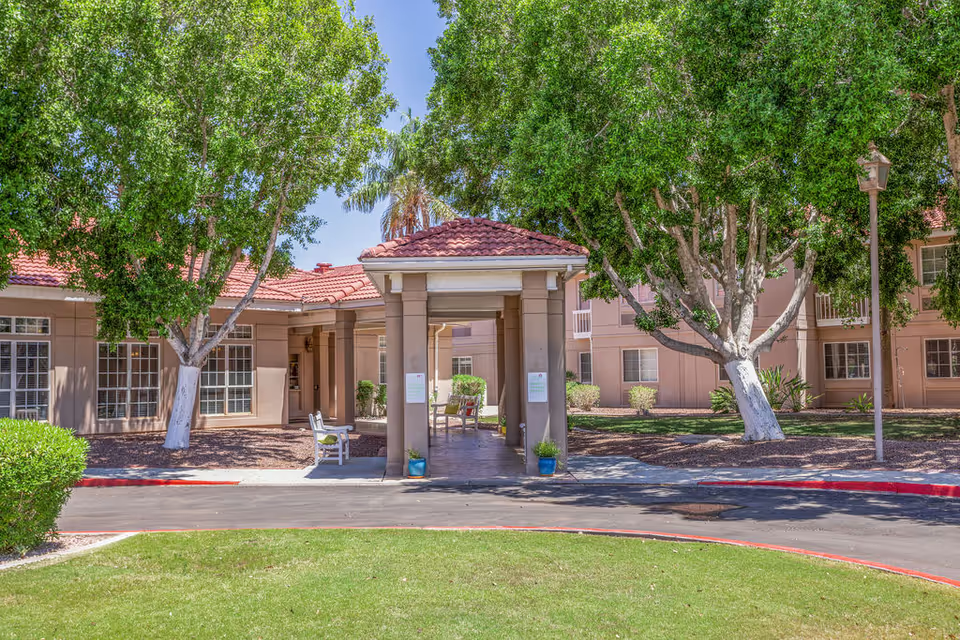
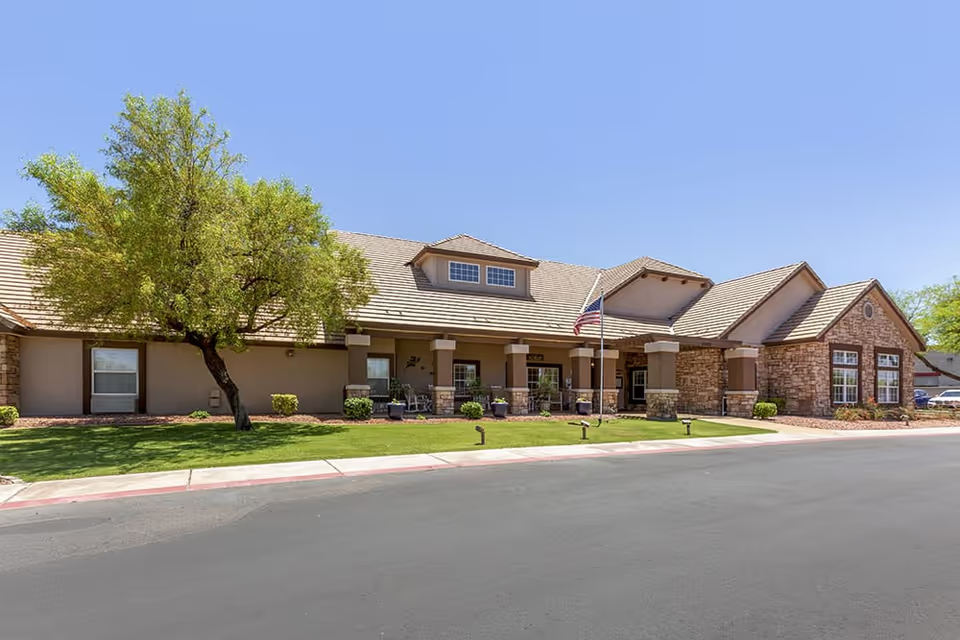
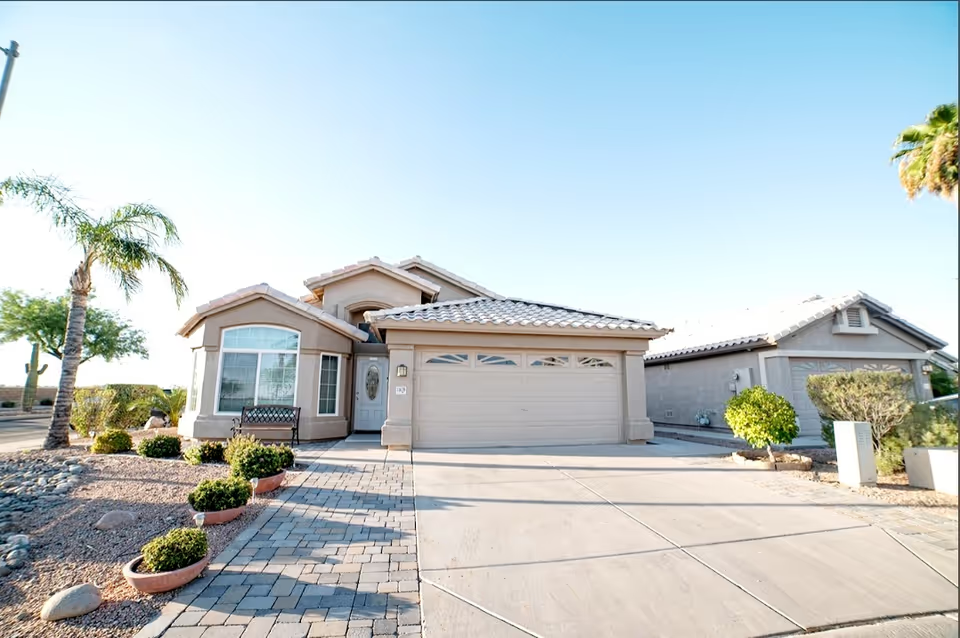
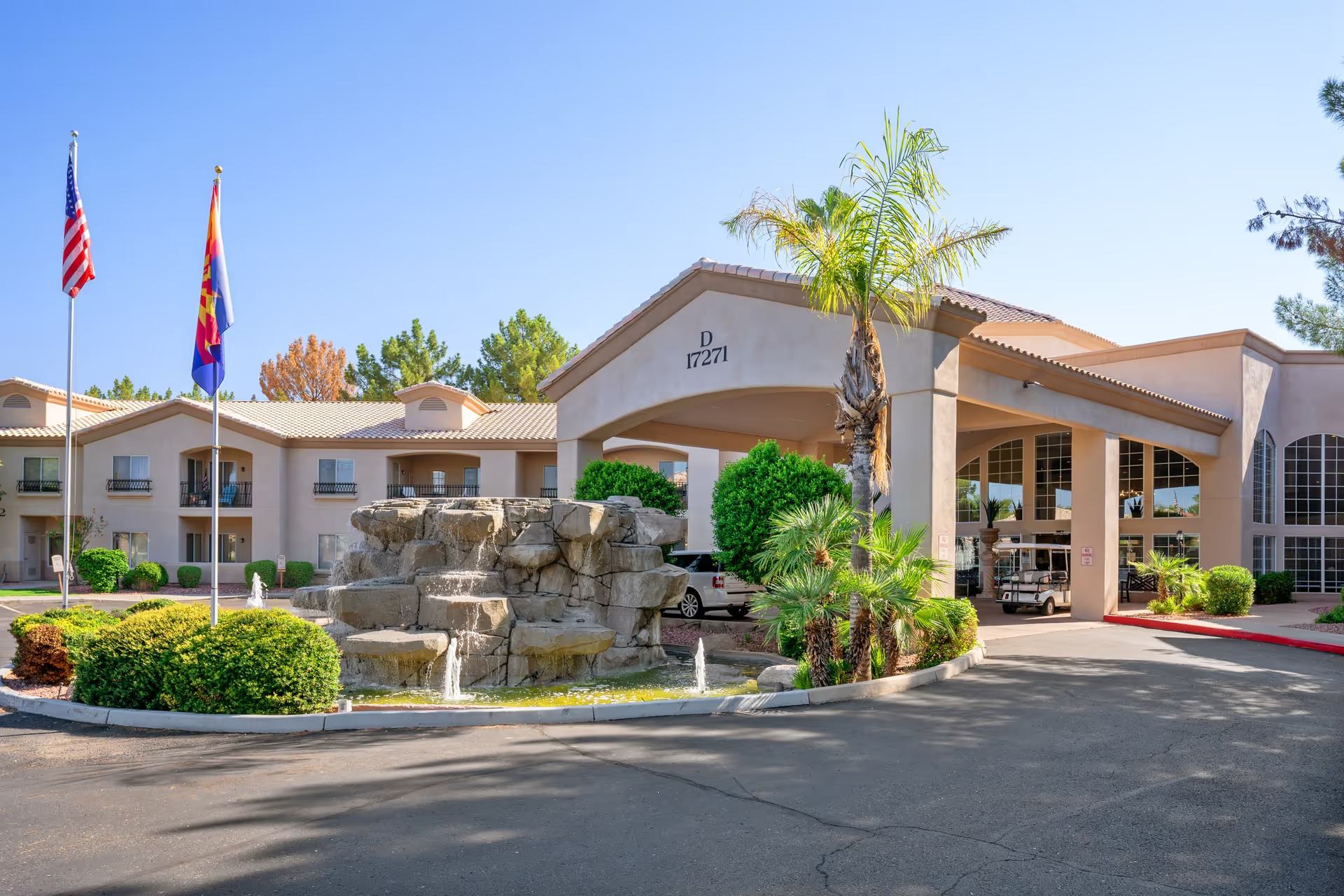
Overall impression: The Palms at Sun City presents as a large, amenity-rich community with resort-like grounds and ample communal spaces. Many residents and families highlight spacious, bright apartments (often with balconies), a broad social calendar, and on-site conveniences such as a pool, exercise facilities, salon, library and multiple gathering rooms. The Independent Plus model and continuum options are frequently cited as features that support aging-in-place without a buy-in. The community’s location and shuttle access to nearby recreation and medical services are additional practical benefits.
Care and staff: Direct-care staff are the facility’s most consistently praised element. Numerous comments describe compassionate, attentive caregivers, strong receptionist and liaison support, clear family communication, and staff who go beyond baseline duties during transitions and end-of-life situations. Several reviewers specifically noted positive experiences with memory-care approaches. That said, reviewers also reported high turnover among caregiving and activities staff. This turnover appears to affect continuity of care and the resident experience in some units, and a subset of families expressed concerns about staff professionalism and responsiveness in specific incidents. Prospective families should ask about current staffing stability, staff-to-resident ratios, and emergency/incident-response procedures.
Dining: Dining experiences at the community are mixed. Many residents enjoy flexible dining hours, daily specials, a coffee bar, and special-theme meals; some named kitchen staff and chefs received praise. However, a substantial pattern of concerns centers on inconsistent food quality, with specific references to increased use of pre-prepared or frozen items, limited vegetable portions, repetitive menus, and variable portion sizes. Dining-room staffing shortages and slow table service were also noted. These dining inconsistencies appear to correlate with management or vendor changes at times. Visitors should sample multiple meal types, inquire about current kitchen staffing and sourcing, and clarify meal-plan details before committing.
Activities and social life: The activity program is robust in many respects — arts and crafts, fitness classes, card games, lectures, social events and community outings were commonly cited as strengths that foster engagement and reduce isolation. Families report a lively social environment and broad opportunities for participation. Some reviews describe turnover among activities staff or temporary reductions in programming during transition periods; confirm current monthly calendars and staffing for programs of interest during a visit.
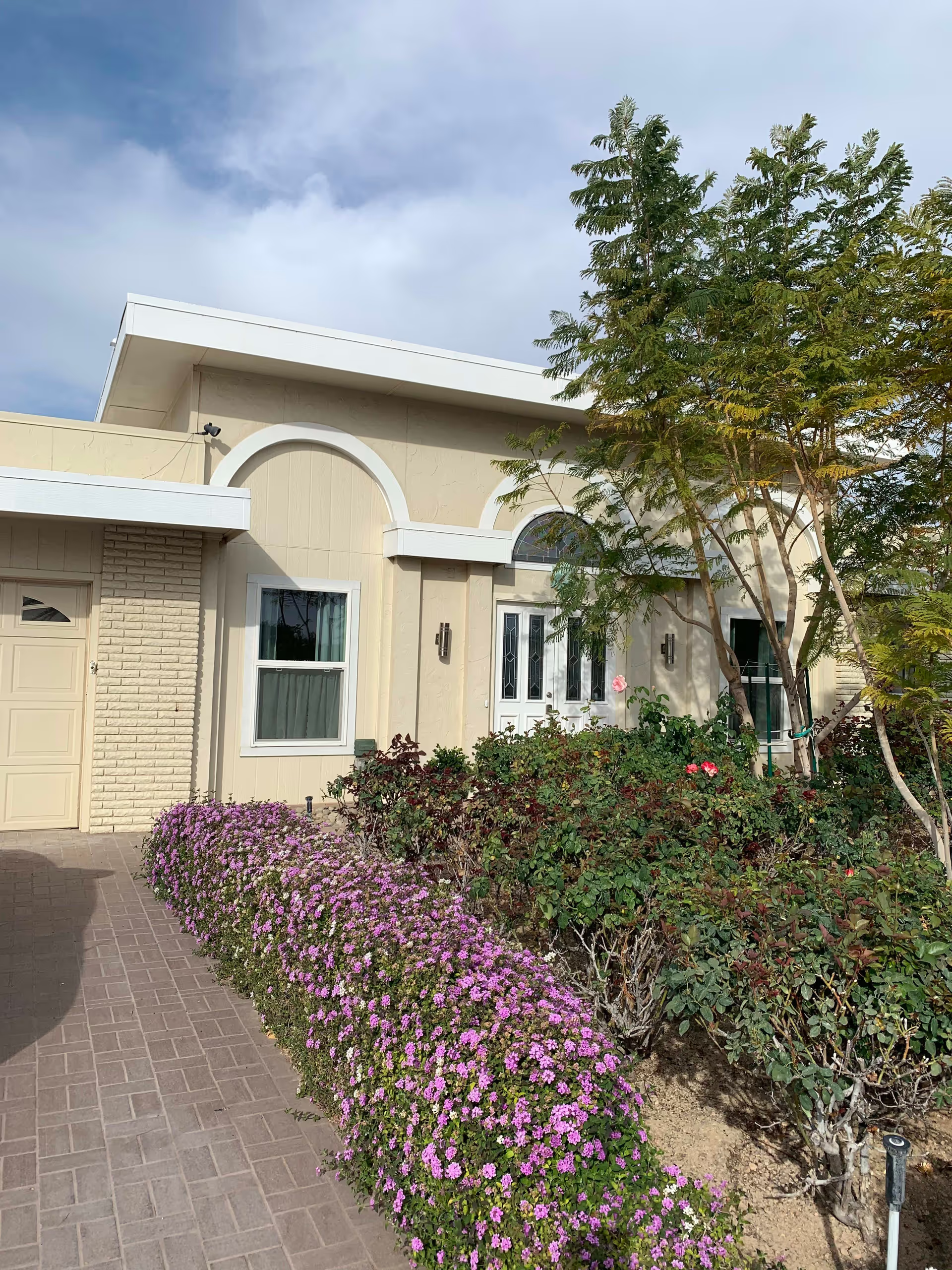
Facilities and maintenance: Physical plant strengths include attractive landscaping, ongoing renovations, clean common areas, and a variety of unit sizes (including large two-bedroom plans and units with full kitchens). Maintenance responsiveness received both praise and critique: many families described prompt, proactive maintenance, while others reported delays or inconsistent move-in cleaning. Accessibility can be an issue in some layouts (long corridors, heavy bathroom doors, elevator/dining access in larger wings); assess the specific unit’s circulation and doorway thresholds relative to mobility needs.
Management and trends: Reviews suggest a history of management transitions and periods of uneven service quality tied to ownership or leadership changes. Some families described improvement after newer leadership and highlighted particular managers and staff who have stabilized operations; others described a prior or interim period of poor communication, service reductions, and pricing changes. Financial concerns — especially recent rent increases and questions about extra fees — emerged as a recurring theme. There are also isolated but serious allegations involving staff financial conduct; these warrant direct inquiry and documentation from the provider.
Notable patterns and guidance for families: The most consistent strengths are the physical environment, variety of amenities, and caregiving staff who are praised for compassion and family communication. The most consistent weaknesses relate to dining quality and operational consistency (staffing stability, management transitions, and fee transparency). For prospective residents and families, recommended due diligence includes touring during a mealtime, asking for current menus and sourcing practices, reviewing recent staffing and turnover data, requesting written policies on emergency response times and incident communication, confirming housekeeping and maintenance schedules, and obtaining a clear fee and rent-increase schedule. These steps will help determine whether the community’s current operational state matches the aspects that reviewers most commonly valued.