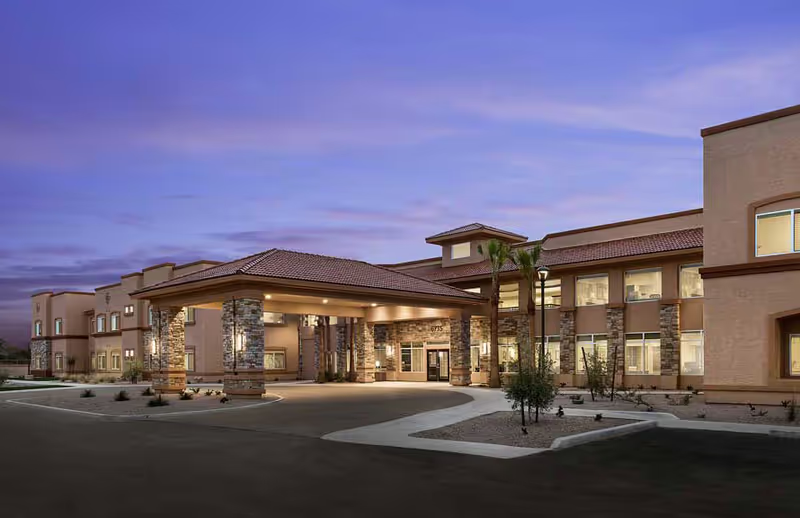
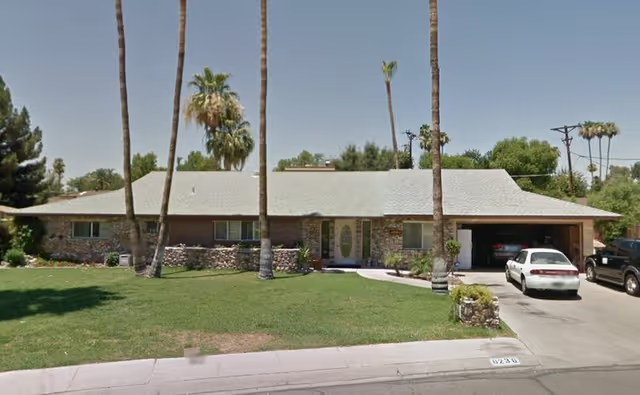
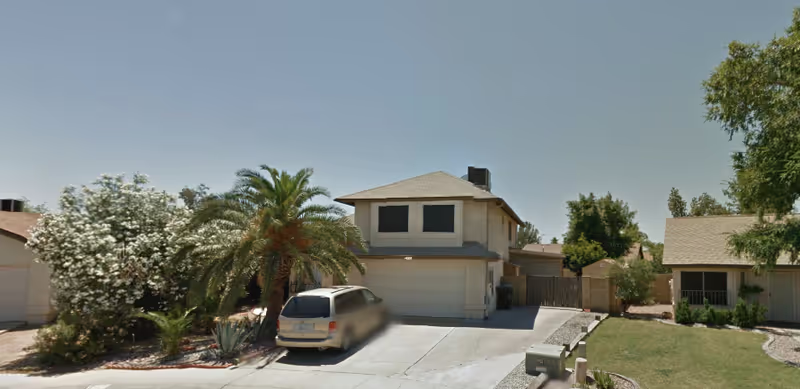
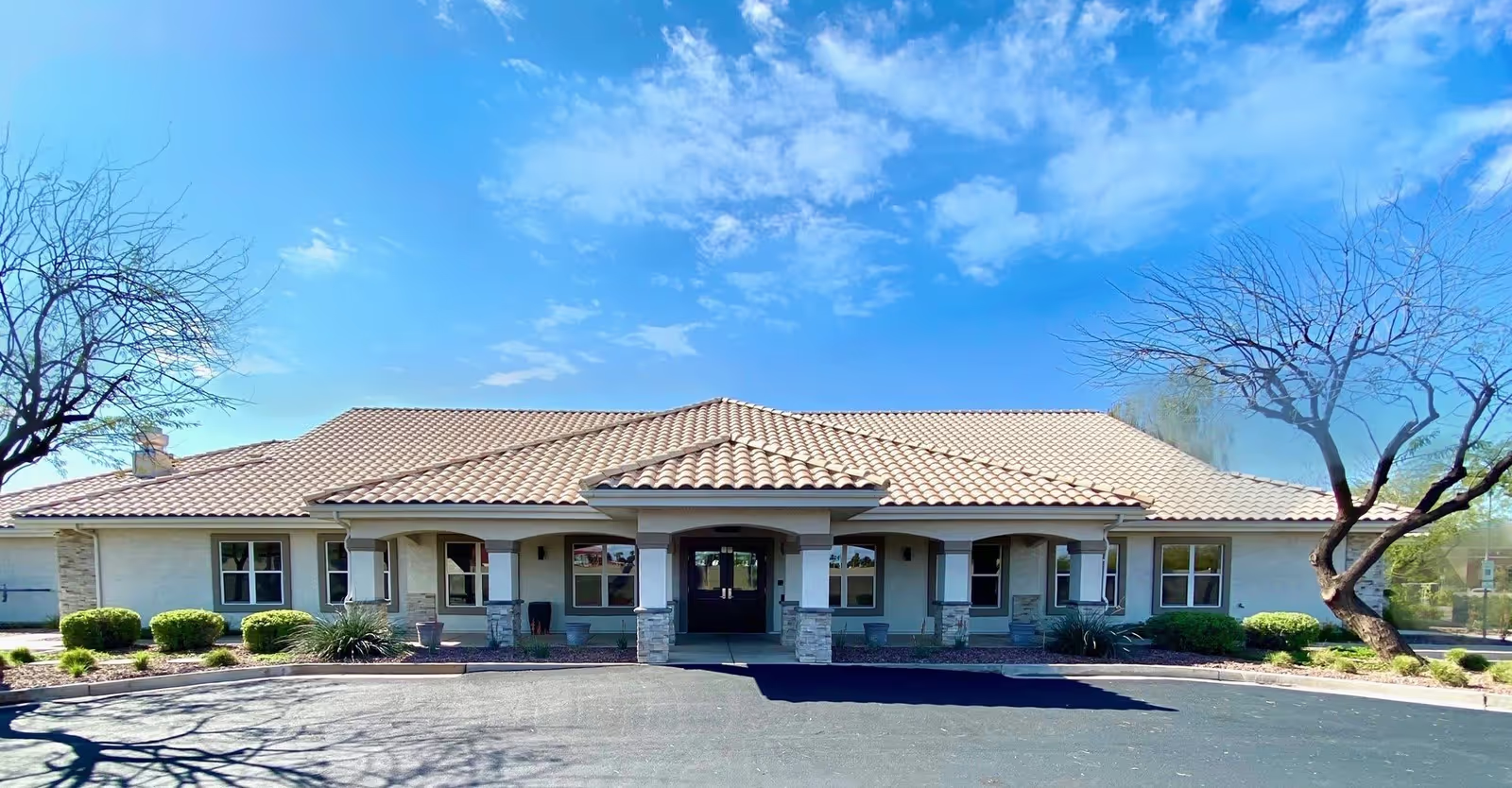
Glencroft Center for Modern Aging is a large, full-service senior campus offering a broad continuum of care and an extensive set of amenities. Strengths repeatedly noted include a wide activity program (exercise classes, quilting/arts, music and entertainment, and frequent social events), multiple on-site dining venues, a rehabilitation/therapy center and on-site medical clinic, and campus conveniences such as a grocery, bank, post office, thrift shop and beauty/barber services. The property includes a variety of housing options from casitas with full kitchens to apartment-style independent living and dedicated assisted- and memory-care units, which supports residents who want to age in place within the same community.
Staff and maintenance are commonly cited as positive attributes. Many comments reflect courteous, helpful, and long-tenured team members who provide personalized attention; maintenance work and customization requests (flooring, filters, door repairs) are frequently described as timely. Housekeeping and apartment turn-over services receive praise when available, and landscaping and grounds upkeep are regularly mentioned as well-kept and attractive. The campus also scores well for social atmosphere, transportation services, faith-based programming, and perceived value for some price points, including HUD-qualified and nonprofit pricing options.
At the same time, reviewers describe a set of operational and clinical concerns prospective residents and families should evaluate. There are recurring accounts of inconsistent clinical monitoring and medication-administration practices, along with reports of delayed responses to call buttons and care requests; together these indicate variability in nursing oversight and frontline caregiving at times. Staffing stability is uneven — some notes praise low staffing ratios and professional leadership while others describe turnover, short staffing, and distracted staff behavior — suggesting that staffing levels and training can fluctuate across units and shifts.
Dining and housekeeping elicit mixed feedback: many residents praise chef-prepared meals and multiple dining choices, but others describe inconsistent food quality, undercooked items, and variability between venues. Housekeeping scope and frequency also vary by contract and building; some residents receive comprehensive cleaning while others describe lighter service. Facilities condition is mixed as well. The campus includes well-maintained grounds and renovated units, but much of the physical plant is older, with dated interiors in some buildings, elevator reliability issues, and a large campus layout that can be confusing or require long walks to activities and dining.
Additional operational patterns to consider are sanitation and pest-control concerns raised in some accounts, pricing and billing transparency issues (unexpected fees, rent increases, mandatory meal charges), and occasional lapses in incident response or family communication following clinical events. These matters are organizational in nature rather than isolated to a single unit, and they appear with varying frequency across reports.
Recommendation: Glencroft offers a comprehensive, activity-rich campus with substantial on-site services that will appeal to residents seeking a full-service, faith-friendly community with many social and clinical resources. Prospective residents should schedule an extended tour and ask specific questions about current staffing ratios by shift, clinical protocols for medication and monitoring, housekeeping scope and frequency for their unit type, pest-control practices, elevator contingency plans, and a detailed breakdown of fees and recent rent/fee adjustments. For families considering higher-acuity placements, it is advisable to review clinical oversight procedures, incident response policies, and recent outcomes for assisted- and memory-care programs before making a decision.