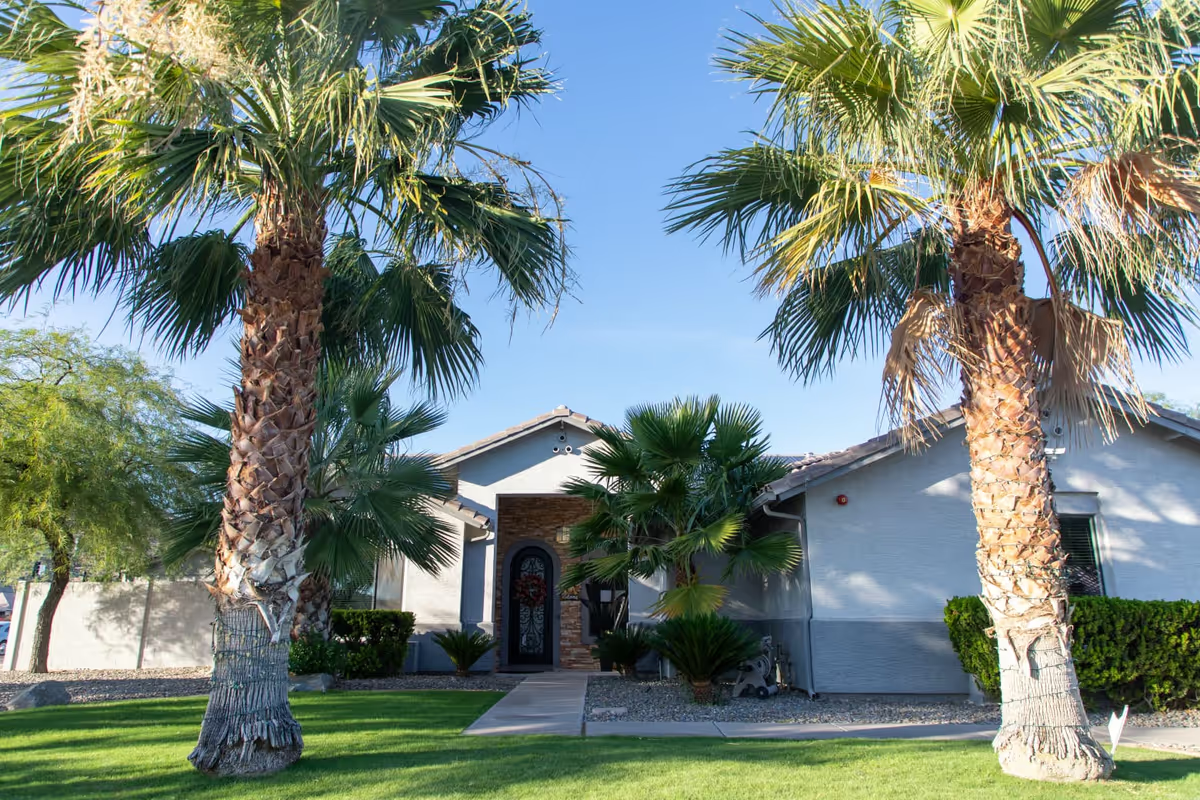
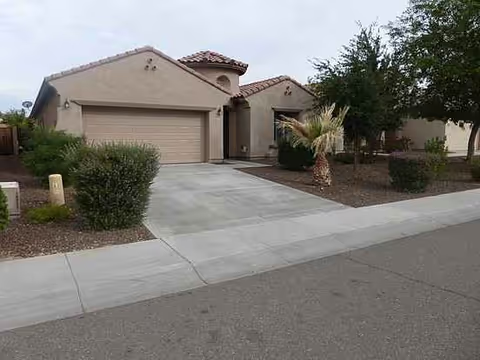
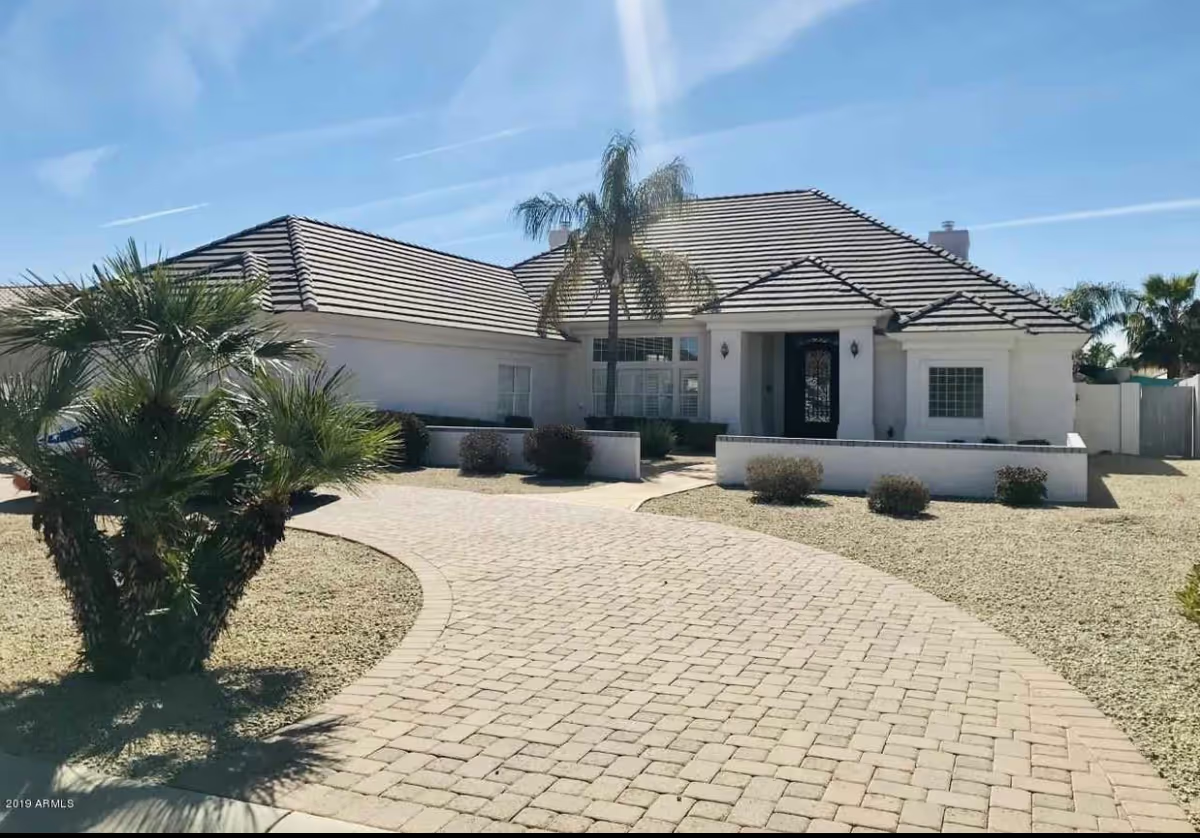
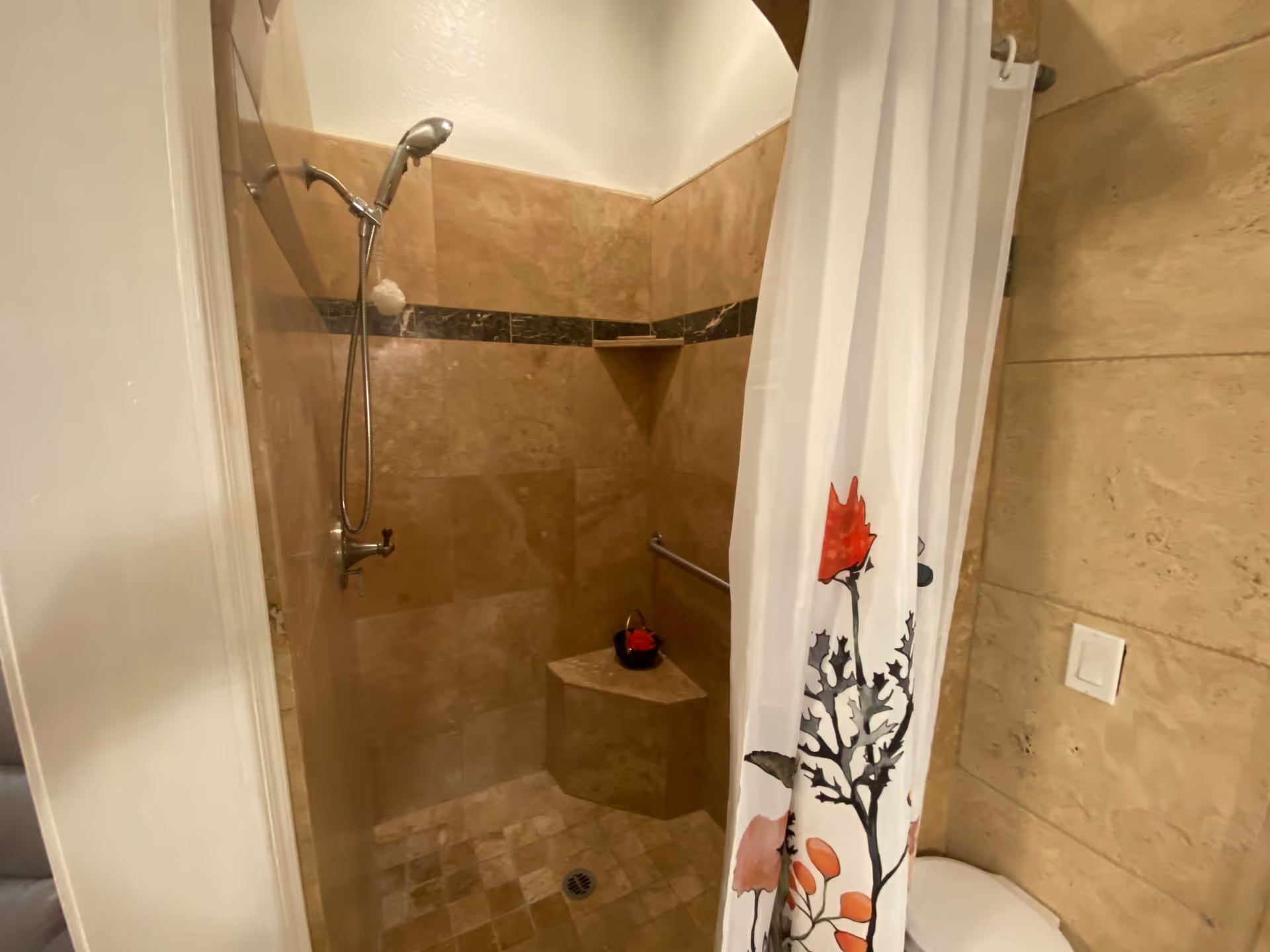
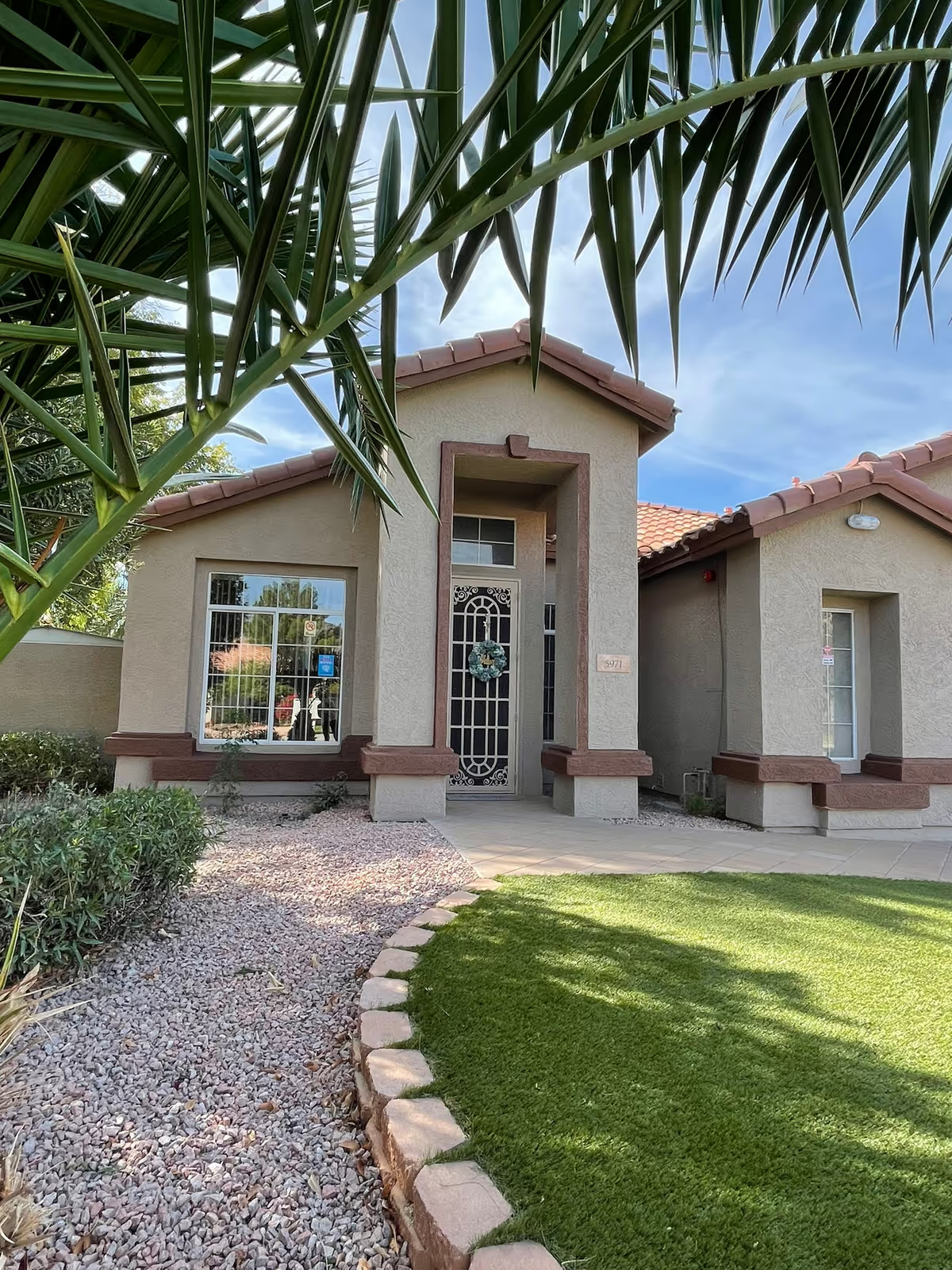
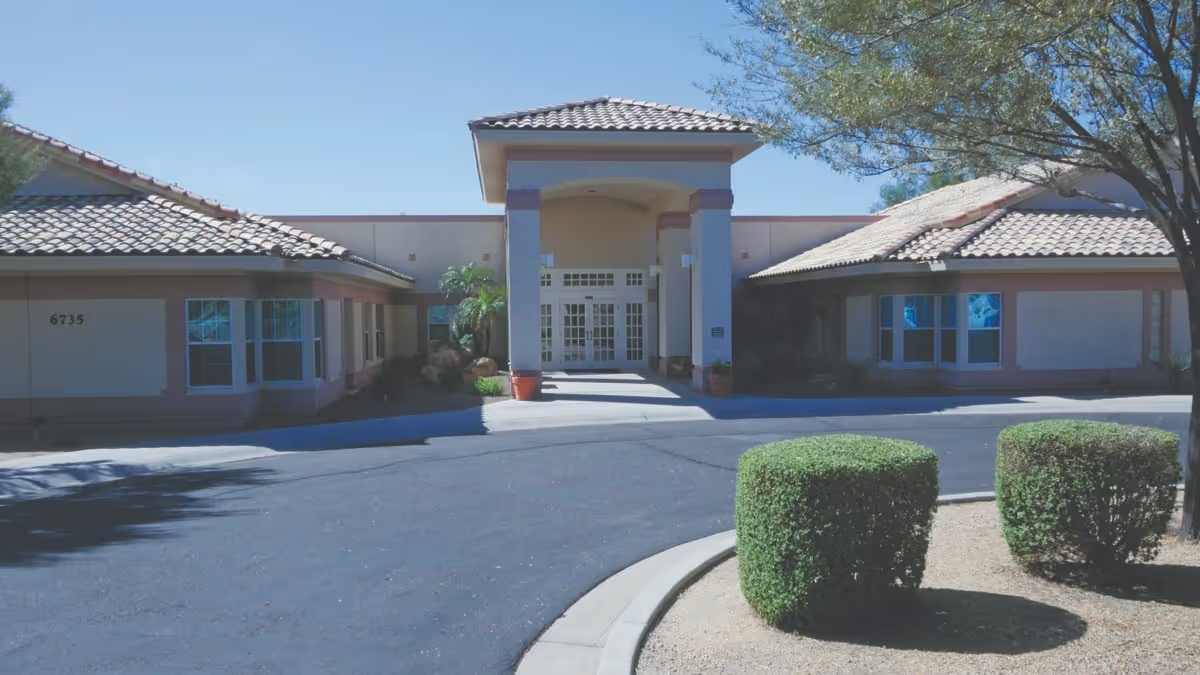
Goldwater Assisted Living 1 presents a strong physical and programmatic offering: reviewers consistently describe a scenic, well-kept campus and a purpose-built, modern building with spacious private rooms and en-suite bathrooms. The facility’s interior is frequently characterized as elegant and hotel-like, and several families praised the secured environment. These elements support a first impression of a high-quality assisted living setting well suited for residents seeking a social, comfortable living environment.
Day-to-day resident experience is described in mixed terms. Positive accounts emphasize attentive, compassionate caregiving staff, prompt communication about medications and needs, and a family-style culture in which residents are treated with respect. At the same time, there is a distinct pattern of operational concerns: reviewers described inconsistent staffing levels—notably on night shift—and an overreliance on a small core of caregivers. Those operational patterns correlate with reports that the community can struggle to provide consistent care continuity under staffing constraints and may lack sufficient licensed clinical presence for residents with more complex cognitive or behavioral needs, such as sundowning.
Dining and programming are clear strengths. Meals are prepared on-site and consistently described as fresh and well organized. The activities program is robust and varied, with a notable music program (including piano), morning exercise sessions, and regular social events such as bingo, crafts, and parties. These offerings support social engagement and daily structure for residents who can participate in assisted living–level programming.
Management and family-relations themes are an area for careful evaluation. While some families praise responsive owners and caregivers, others reported confrontational management communication, including ultimatum-style interactions and instances that led to eviction notices or threatened discharge. High occupancy and an ongoing waitlist were also mentioned, which can limit immediate placement and may influence how the community triages resident needs. Prospective residents and families should review admission agreements, grievance procedures, and staffing plans, and ask for documentation of clinical staffing levels and supervision protocols.
Recommendation: Goldwater Assisted Living 1 may be a good fit for residents who primarily need assisted living support, value strong dining and activity programming, and prefer an elegant, socially active setting. Families considering the community should verify night-shift staffing, dementia-care competencies, and management policies before committing—particularly if the prospective resident has advanced cognitive impairment or frequent behavioral fluctuations. Observing care during different shifts and speaking directly with clinical leadership and current family contacts will help determine operational fit.