Haven Health Lakeside elicits a strongly mixed set of impressions. Many families and residents commend individual caregivers, therapy staff, and frontline employees for compassionate, hands-on care and for rehabilitation that supports return to home. Positive comments focus on competent CNAs and RNs, a robust PT/OT program (including cognitive rehabilitation and strength training), attentive case workers, helpful reception staff, and an activities program that includes pet therapy, games, and crafts. Several reviewers specifically praised clear discharge planning and proactive clinical communication that provided families with reassurance.
At the same time, there are recurrent operational concerns that appear across reviews. Understaffing—especially on weekends and during nights—was described as a persistent issue and is linked in some accounts to delays in attending to resident needs, incomplete personal-care routines, and limited therapy support outside peak hours. Multiple reviews indicate gaps in medication-administration and basic infection-control processes, as well as problems with clinical documentation and medical-history handoffs; these types of process weaknesses increase the risk of avoidable clinical complications and warrant careful inquiry by prospective families.
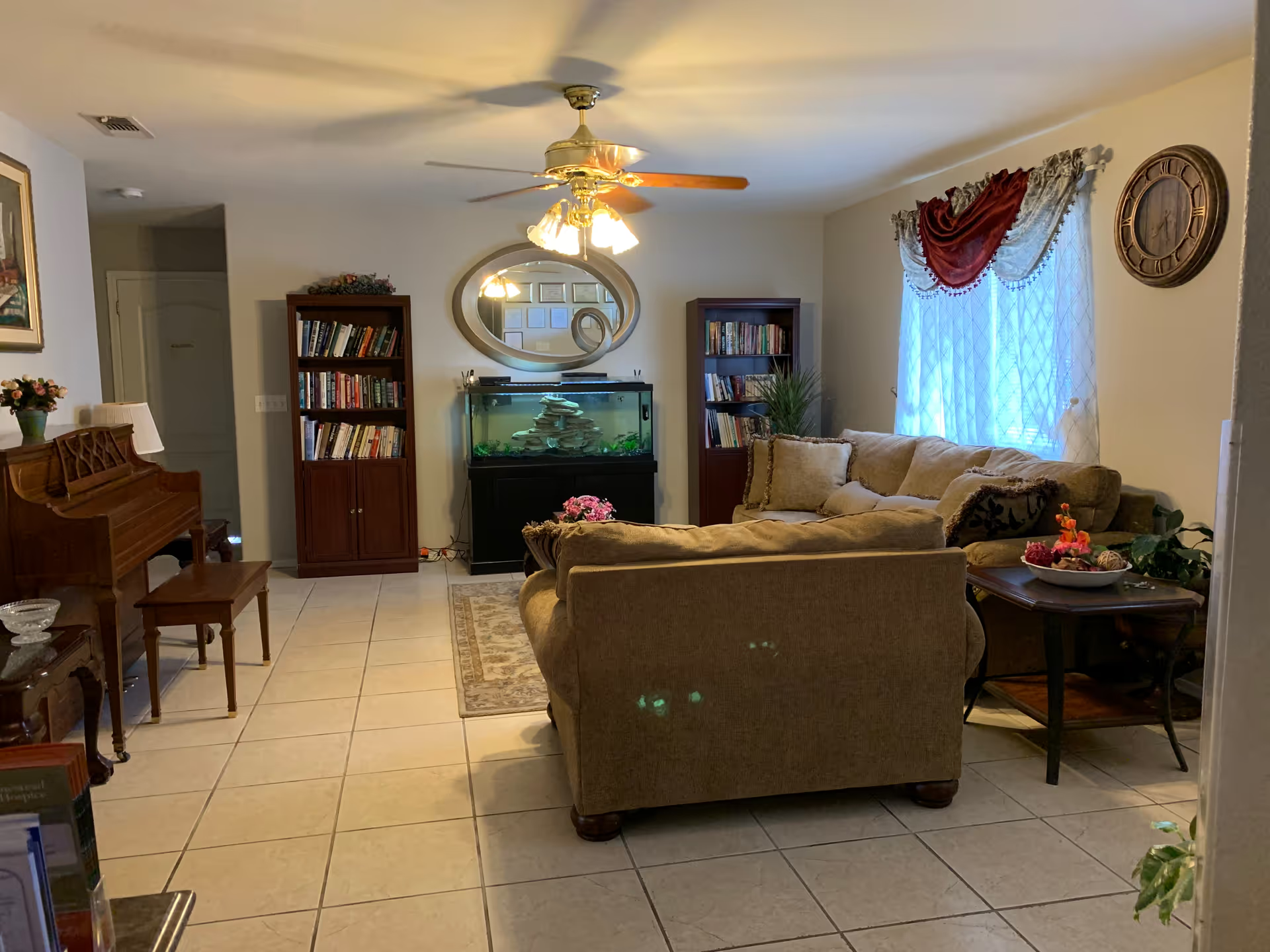
Housekeeping and facility-maintenance show uneven performance. While many reviewers describe daily cleaning, organization, and a comfortable environment, others raise sanitation concerns related to bedding and room upkeep and note inconsistent housekeeping follow-through. Security and inventory controls for resident belongings are another area of concern, with several families reporting missing personal items or inadequate storage safeguards. There are also mentions of hiring and background-screening questions and a documented history of regulatory complaints and citations; these items merit attention during a tour and when requesting facility records.
Communication and management responsiveness are described inconsistently. Some reviewers single out administrators and specific staff (for example, named care coordinators) who provide compassionate, detailed updates and who resolve issues promptly. Others describe delayed communication, unresponsiveness from leadership, or conduct and tone problems in staff–family interactions. These divergent experiences suggest variability in local management practices or shift-to-shift differences in supervisory coverage.
Dining and activities are generally viewed positively by many families, with frequent praise for meal quality, available beverage options, and engaging programming. Therapy services receive consistently strong praise for clinical effectiveness and for enabling recovery. Prospective residents and families should weigh those strengths against the operational concerns documented by other reviewers.
Given the mix of consistently strong clinical/rehabilitation strengths and recurring operational gaps, prospective residents and their families should perform targeted due diligence. Recommended steps include touring during different shifts (including evenings/weekends), asking for current staffing ratios and weekend staffing plans, reviewing medication-administration and infection-control policies, requesting recent inspection or complaint histories, inquiring about belongings-security procedures, and meeting the therapy and nursing leads who would oversee a potential admission. This approach will help clarify whether the facility’s strong rehabilitative and interpersonal attributes are paired with reliable, facility-wide operational practices for the level of care needed.