Overall impression: Reviews indicate a highly polarized set of experiences at the community. Many families and residents describe a clean, modern facility with a warm, family‑like atmosphere and strong day‑to‑day supports. At the same time, a subset of reviewers report clinically significant lapses in care and operational inconsistencies that warrant careful inquiry by prospective residents and families.
Care quality: The facility receives frequent praise for its direct‑care staff — CNAs, several nurses, and named therapists were commended for day‑to‑day caregiving and rehabilitation work. Therapy services (PT/OT/Speech) are repeatedly described as robust and effective for many residents. However, there are repeated indications of inconsistent clinical performance: delays in attending to residents, failures in repositioning that contributed to pressure‑injury concerns, fall‑risk supervision gaps, and variable rehabilitation outcomes. These patterns suggest the facility can deliver high‑quality clinical care but may have uneven reliability across shifts or units.
Staff and management: Staff are often described as caring, professional, and going above and beyond; admissions and some leaders receive specific positive mention. Conversely, reviews also describe understaffing, slow responses to family calls, inconsistent communication about status and plan changes, and a perception by some that financial priorities drive decisions. There are also serious safety‑related allegations, including claims of staff violence; these are significant outliers that should prompt direct questions about incident reporting, staff training, and corrective action when evaluating the community.
Dining and activities: The campus offers a wide range of dining venues and activity programming. Many reviewers praise excellent, healthy meals and multiple cafes and dining spaces, plus active programming and exercise options. Others report inconsistent meal quality, small portion sizes, or institutional‑style offerings at times. Prospective families should verify current menu offerings, portioning policies, and accommodations for dietary needs.
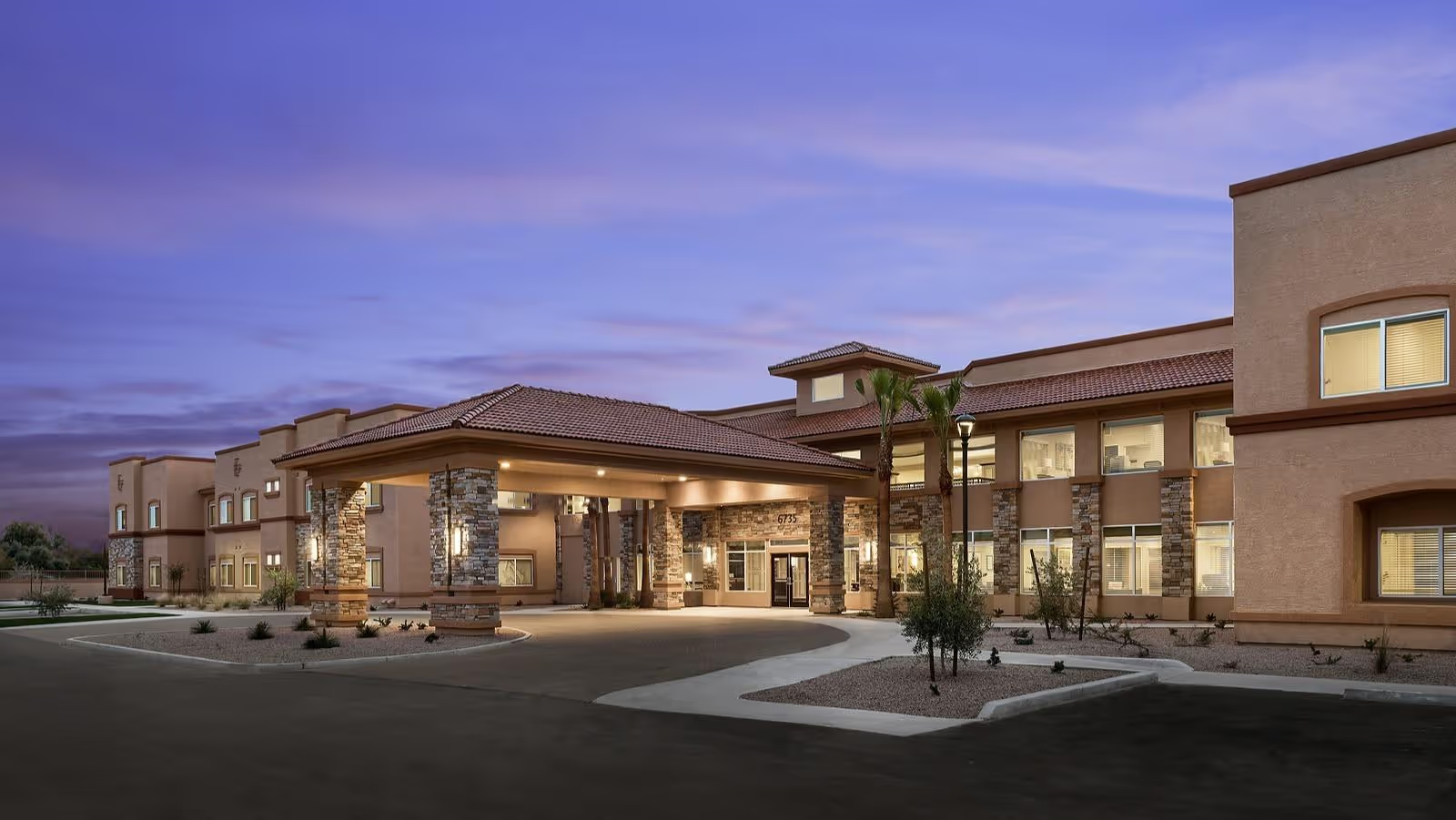
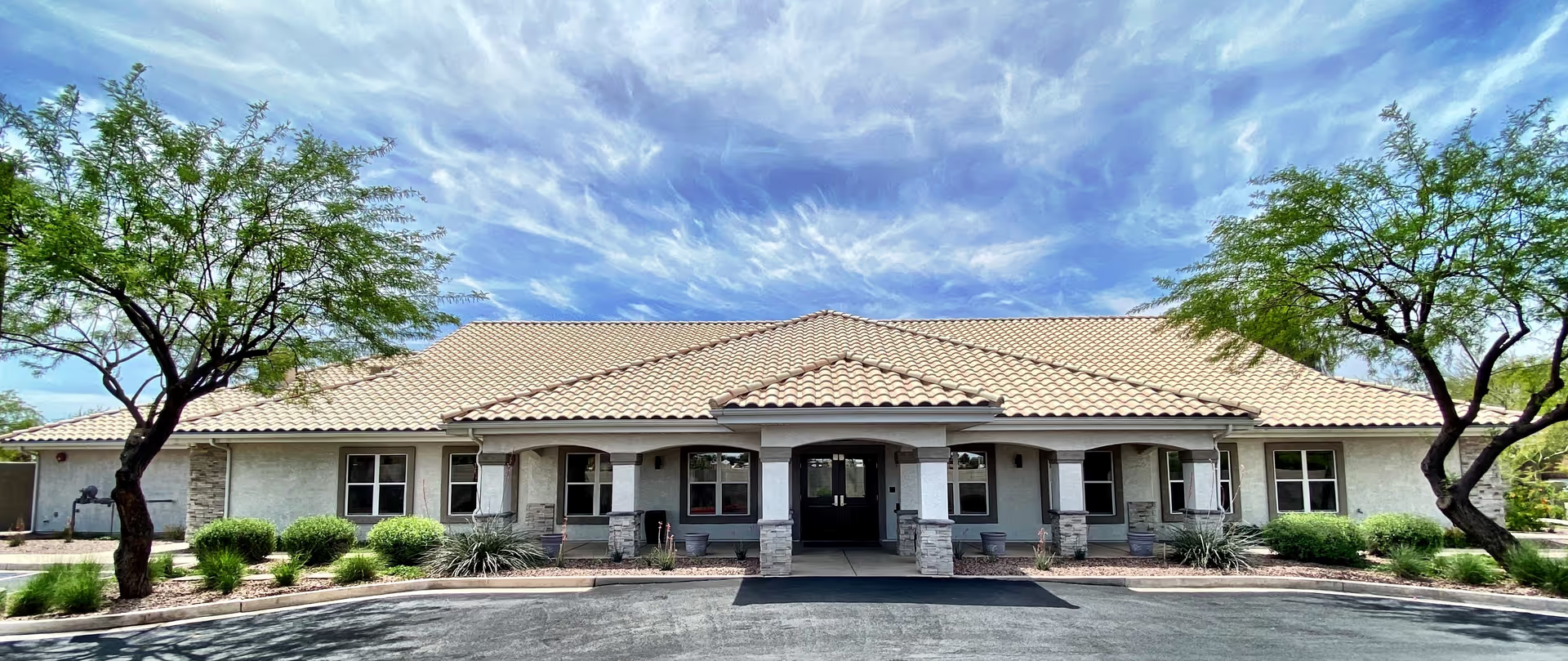
Facilities and amenities: The physical plant is commonly described as modern, well‑kept, and attractive, with private apartment options, communal amenities (theater, restaurant, bank), and fitness equipment. At the same time, a few reviewers cite room‑level maintenance shortcomings and lost or mishandled laundry. Overall the setting is a clear strength but may have intermittent unit‑level maintenance variability.
Operational patterns and recommendations: The dominant themes that emerge are variability and inconsistency. Positive experiences cluster around well‑staffed units with engaged teams; negative experiences appear linked to staffing shortfalls, communication breakdowns, and lapses in clinical follow‑through. Before choosing this community, families should ask specific questions about staffing ratios by shift, protocols for fall prevention and pressure‑injury prevention, medication‑administration checks, discharge testing and follow‑up procedures, family communication policies, ancillary fees, and recent incident/complaint resolution. An in‑person visit that inspects unit cleanliness, discusses current rehabilitation caseload, and reviews examples of individualized care plans will help clarify whether the facility’s strengths align with a prospective resident’s needs.