Experiences at Santé of Mesa vary substantially. Many patients and families describe successful short-term rehabilitation, attentive staff, and meaningful gains in mobility and independence. Physical and occupational therapy are among the most consistently praised services: reviewers often describe knowledgeable therapists who tailor exercises, encourage participation, and help patients prepare to return home. Other accounts, however, raise significant concerns about basic care and clinical follow-through, especially for residents who are immobile, cognitively impaired, unable to communicate easily, or otherwise dependent on staff for routine needs.
Staff interactions are a prominent strength in positive accounts. Patients and families frequently praise nurses, CNAs, therapists, case managers, and front-desk staff for kindness, patience, humor, and practical help. Named employees are often credited with making stays more reassuring, arranging appointments, explaining care, or supporting families through admission and recovery. At the same time, other families describe delayed responses, uneven professionalism, and difficulty reaching staff or receiving promised updates. The contrast suggests that the quality and timeliness of support can differ by caregiver, shift, and level of patient need.
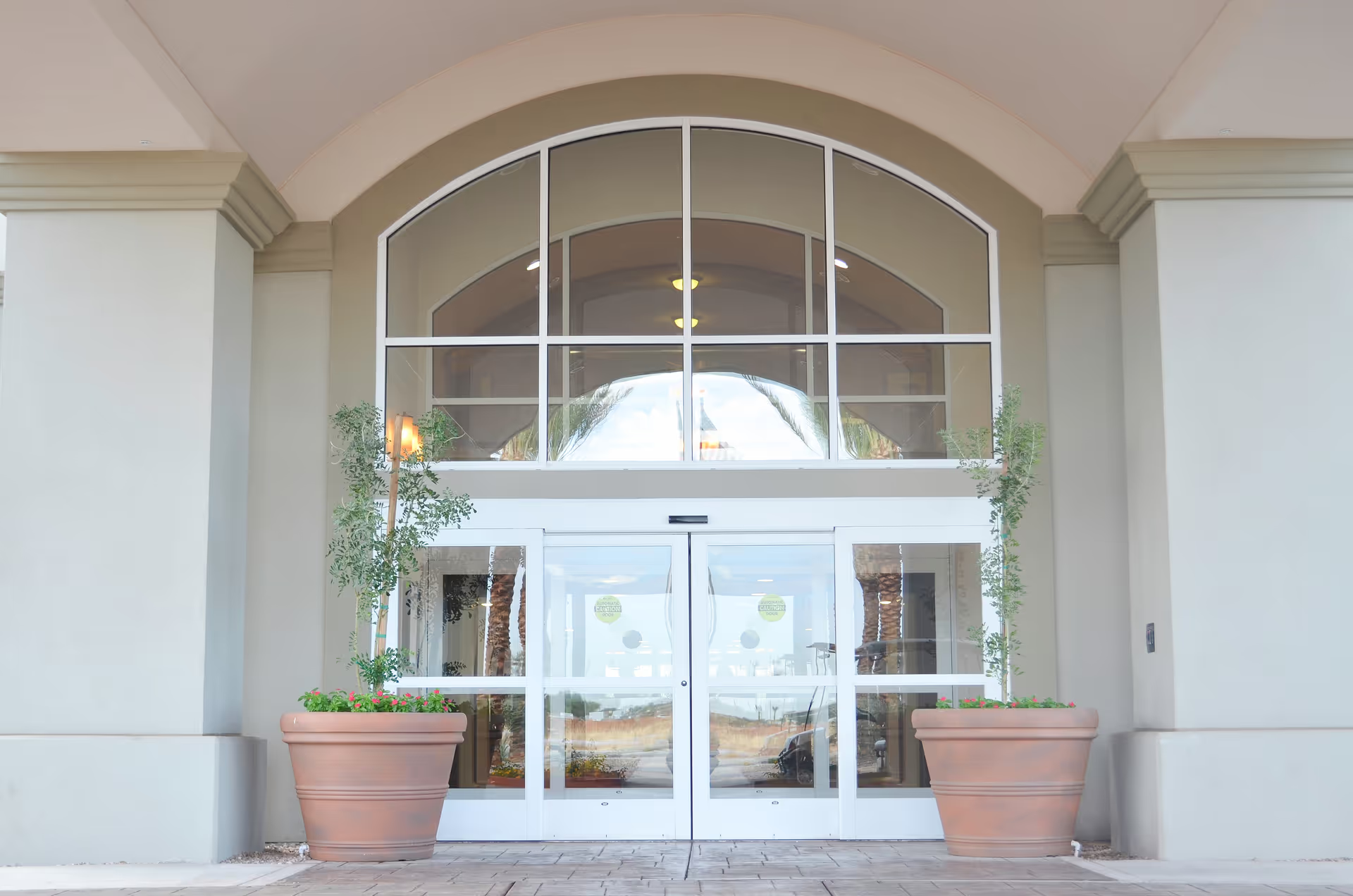
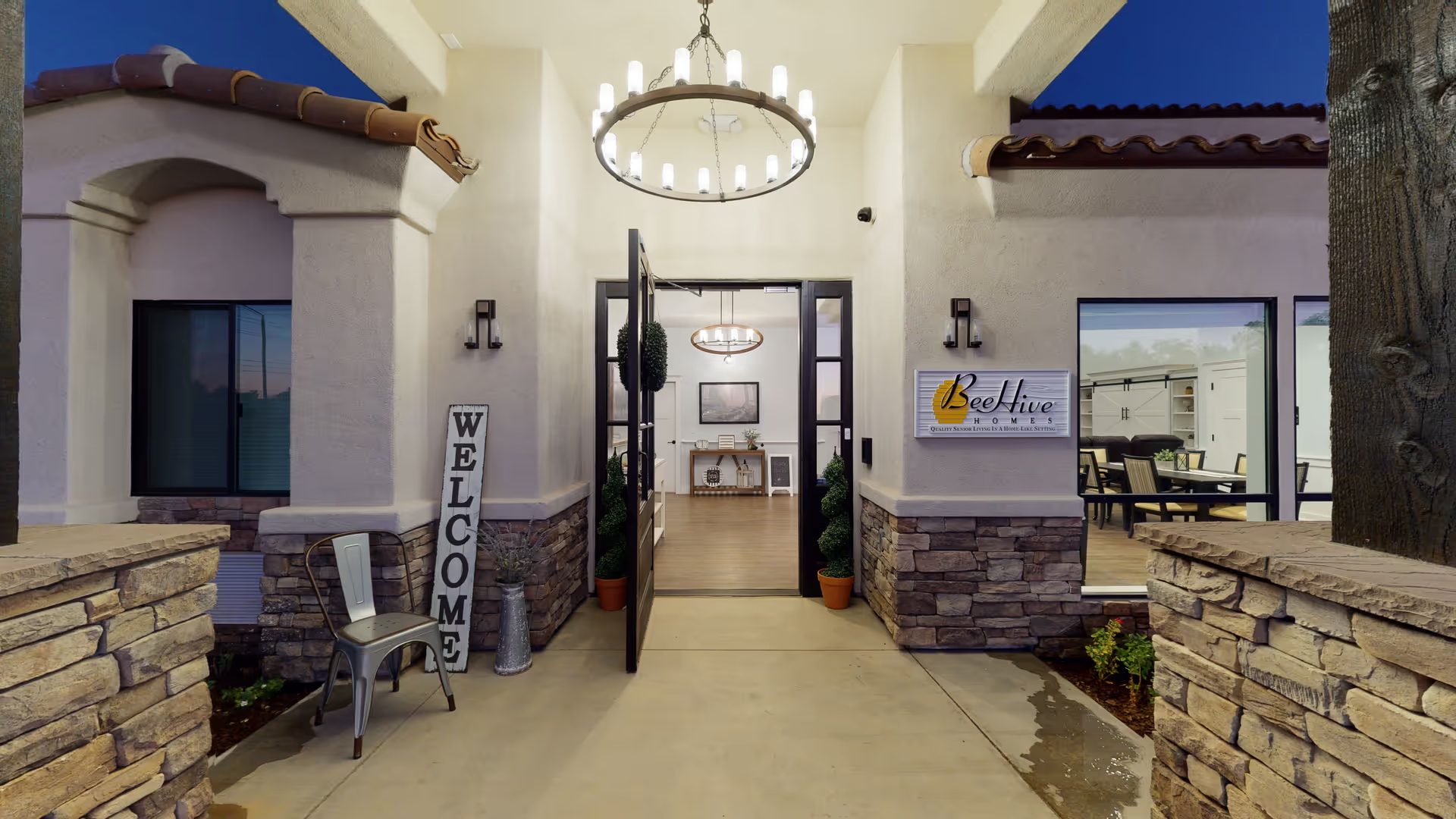
The facility is commonly described as clean, spacious, and welcoming, with comfortable rooms, outdoor areas, and amenities such as a café, dining room, and visitor accommodations. Dining receives frequent praise for variety, taste, and flexibility, although other accounts cite cold or delayed meals and inconsistent attention to modified diets or meal assistance. Activities, including games, music, crafts, and seasonal events, are valued by patients and families; the life-enrichment program receives particular recognition for helping residents stay socially engaged and lift their spirits.
Operational concerns recur around staffing capacity, call-light response, personal care, medication timing, pain control, and communication between departments and families. Some accounts describe falls, skin injuries, infections, or changes in condition that families felt were not promptly recognized or communicated; these are serious reported concerns, though experiences are not uniform. Discharge planning and insurance-related communication also receive mixed feedback, ranging from smooth transitions and helpful coordination to confusion about medications, equipment, services, or timing. Prospective families may wish to ask how the facility supports residents who cannot reliably use a call system, how staffing and response coverage work across shifts, how changes in condition are escalated, and who will coordinate discharge and follow-up care.