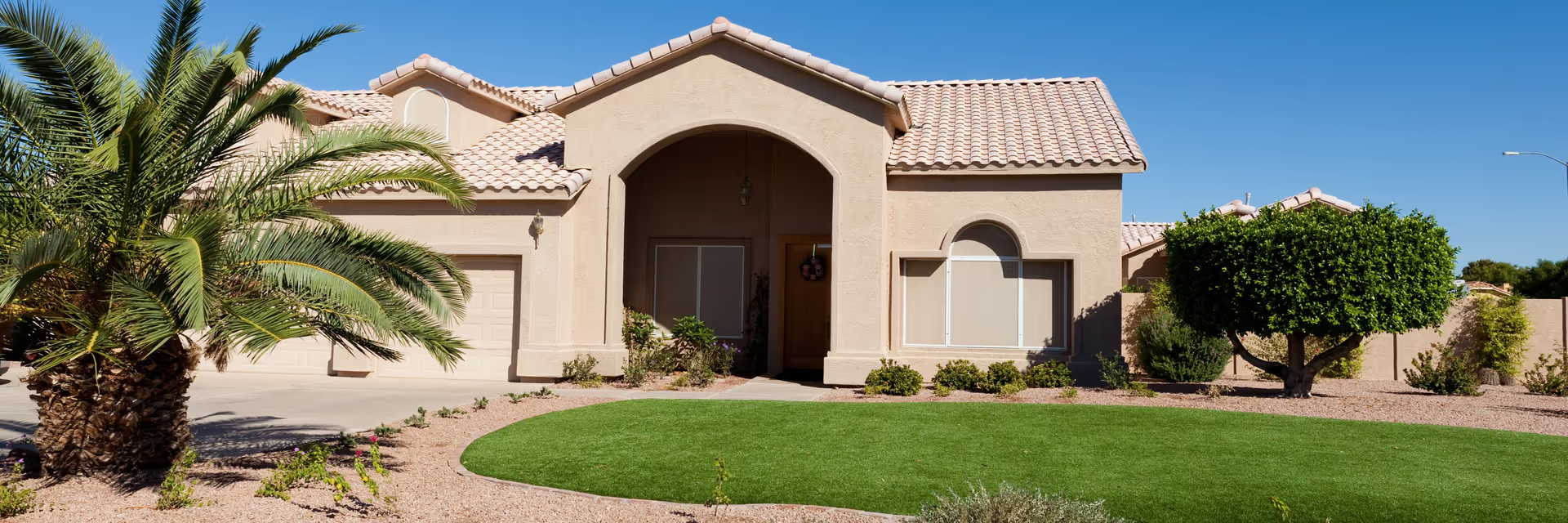
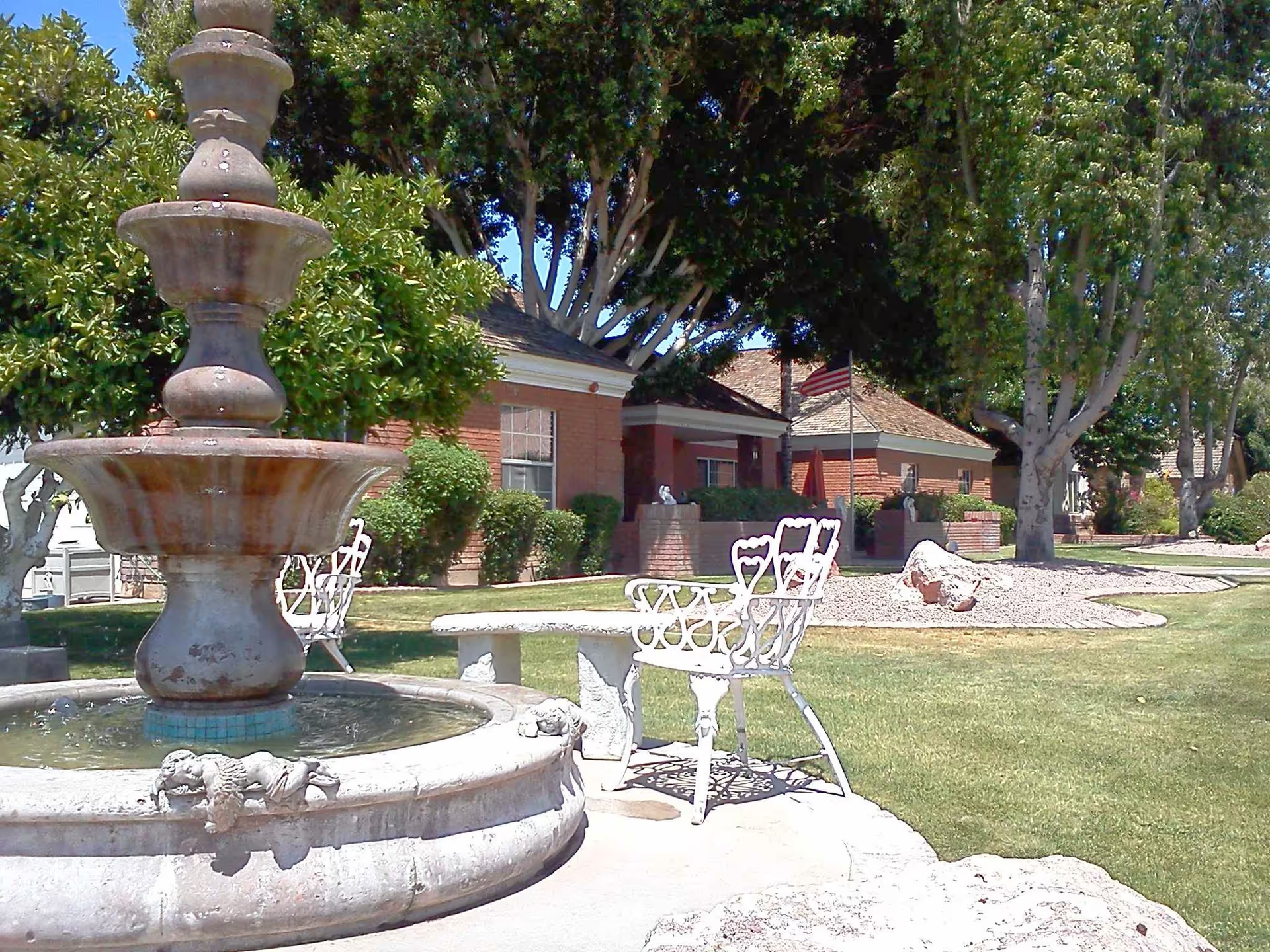
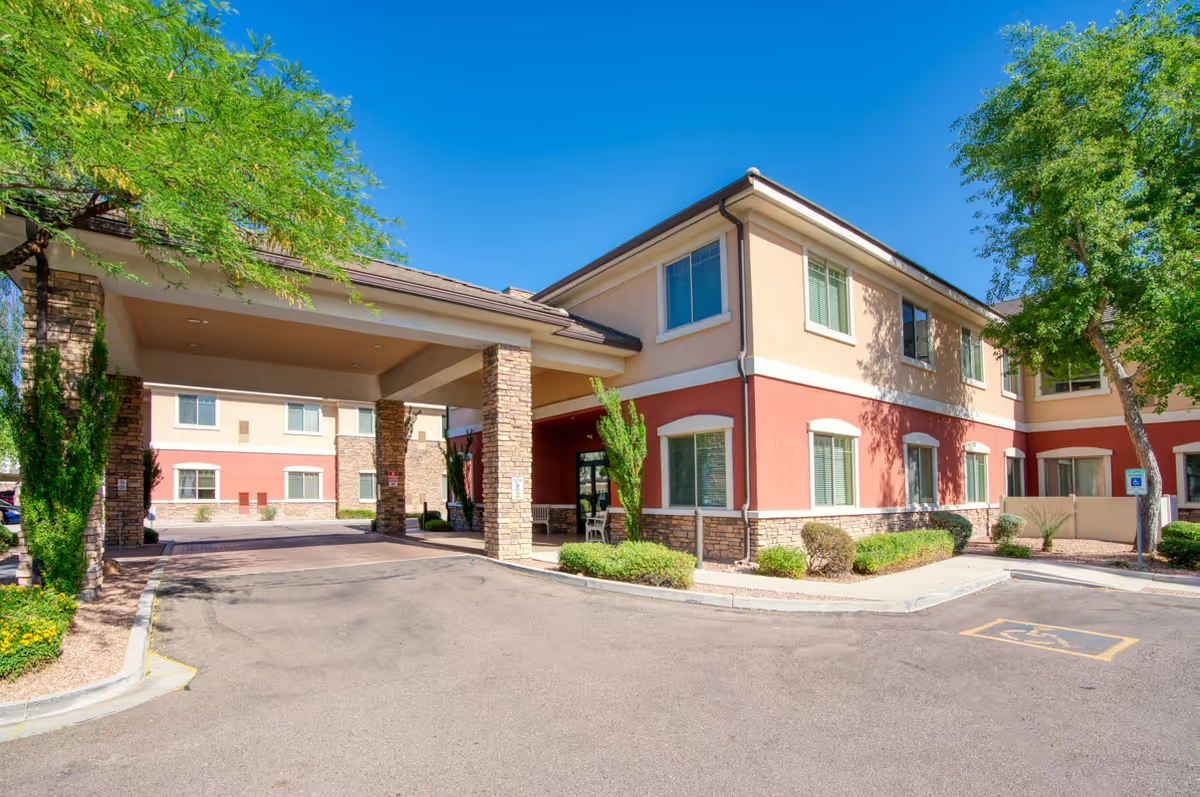
Emerald Glen presents as a physically attractive, well-appointed assisted living and memory-care community with a clear emphasis on environment and programming. Multiple family accounts highlight upscale interiors, large sunlit rooms, themed corridors, and thoughtful touches such as resident display shelves and a grand piano. The campus includes secure outdoor access, raised garden beds and on-site chickens, which several families cited as contributors to meal quality and resident engagement.
Care quality and staff behavior are described in mixed terms. Many families praise compassionate, attentive caregivers who establish close, family-like relationships and who implement individualized care plans that have produced noticeable positive changes in resident mood and engagement. At the same time, there are recurring operational concerns: reviewers describe inconsistent staffing levels and gaps in dementia-care training that can translate into delays in personal-care assistance and toileting support. There are also specific medication-management concerns raised by families, including the use of sedating drugs without clear justification; these points suggest prospective families should ask detailed questions about clinical protocols and oversight.
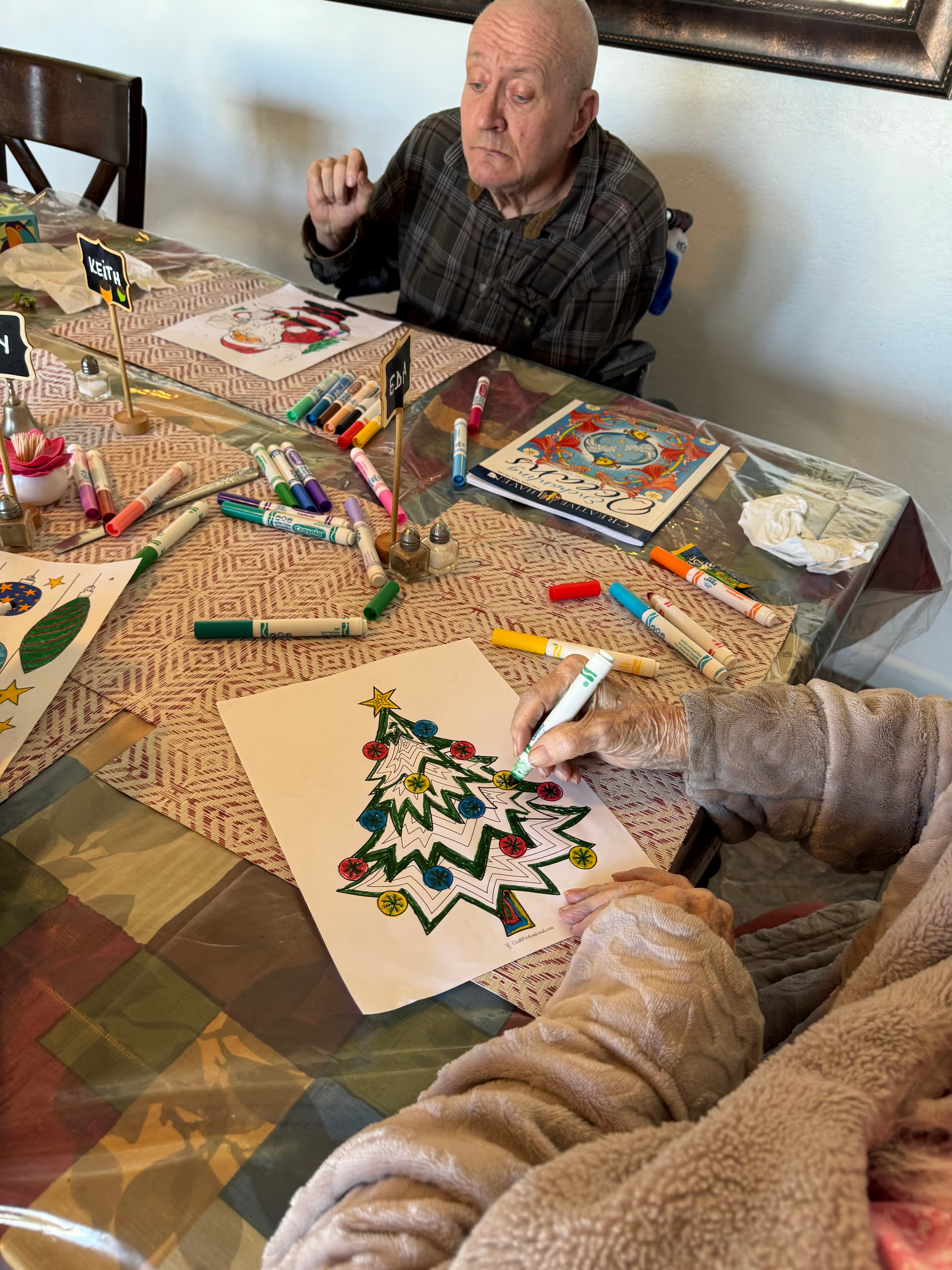
Dining and activities are frequently cited strengths. Family-style dining, customized meals, and the use of fresh produce from the on-site gardens were praised, and many reviewers reported timely medication administration. The activity program is lively when fully delivered — daily music, bingo, presentations, school and dance performances, and holiday celebrations were described as meaningful social opportunities. However, some families reported variability in how consistently activities are offered, indicating program delivery may depend on staffing or unit-specific factors.
Facility operations and management show both positive and negative patterns. Several families noted visible, engaged owners and proactive communication; others experienced limited leadership follow-through and perceived inconsistent oversight. Cost and contractual issues are another recurrent theme: some families questioned the value relative to pricing and expressed concerns about restrictive or unclear discharge/termination policies. Cleanliness and presentation of common areas were generally praised, but sanitation and personal-care responsiveness were areas of concern when staffing was constrained.
Notable patterns: the strongest, most consistent positives are the physical environment, meal quality, and the potential for a warm, activity-rich daily life under attentive staff. The most consequential operational weaknesses involve staffing consistency, dementia-specific training, personal-care responsiveness, and medication-management oversight. Prospective residents and families should schedule a tour that includes a review of staffing ratios on the unit, dementia-care training programs, medication and sedation policies, personal-care response protocols, activity schedules, and the facility’s contract/termination policies. Checking up-to-date licensing and inspection records and speaking with current resident families can help clarify whether the community’s strengths are consistently realized for all residents.