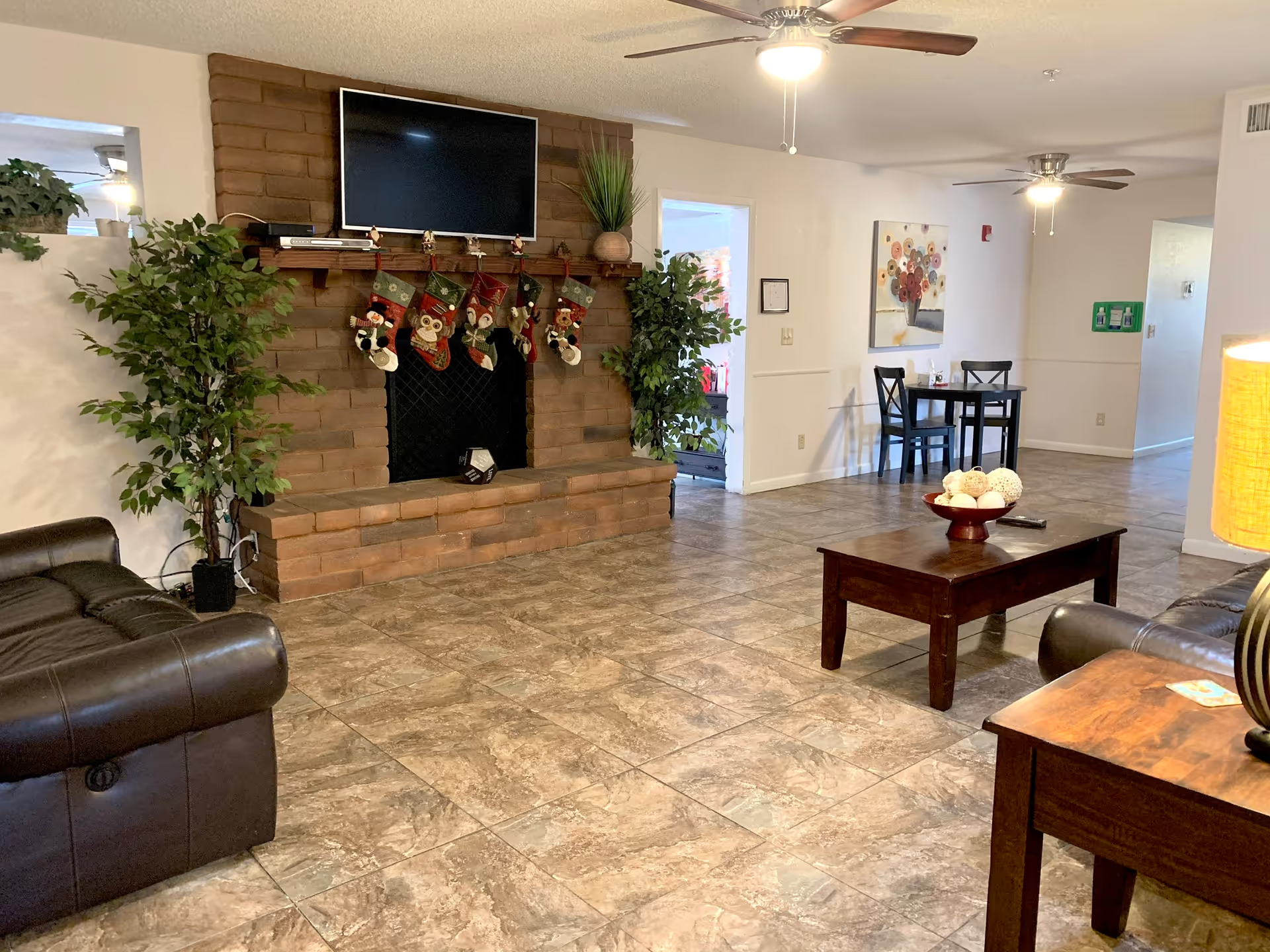
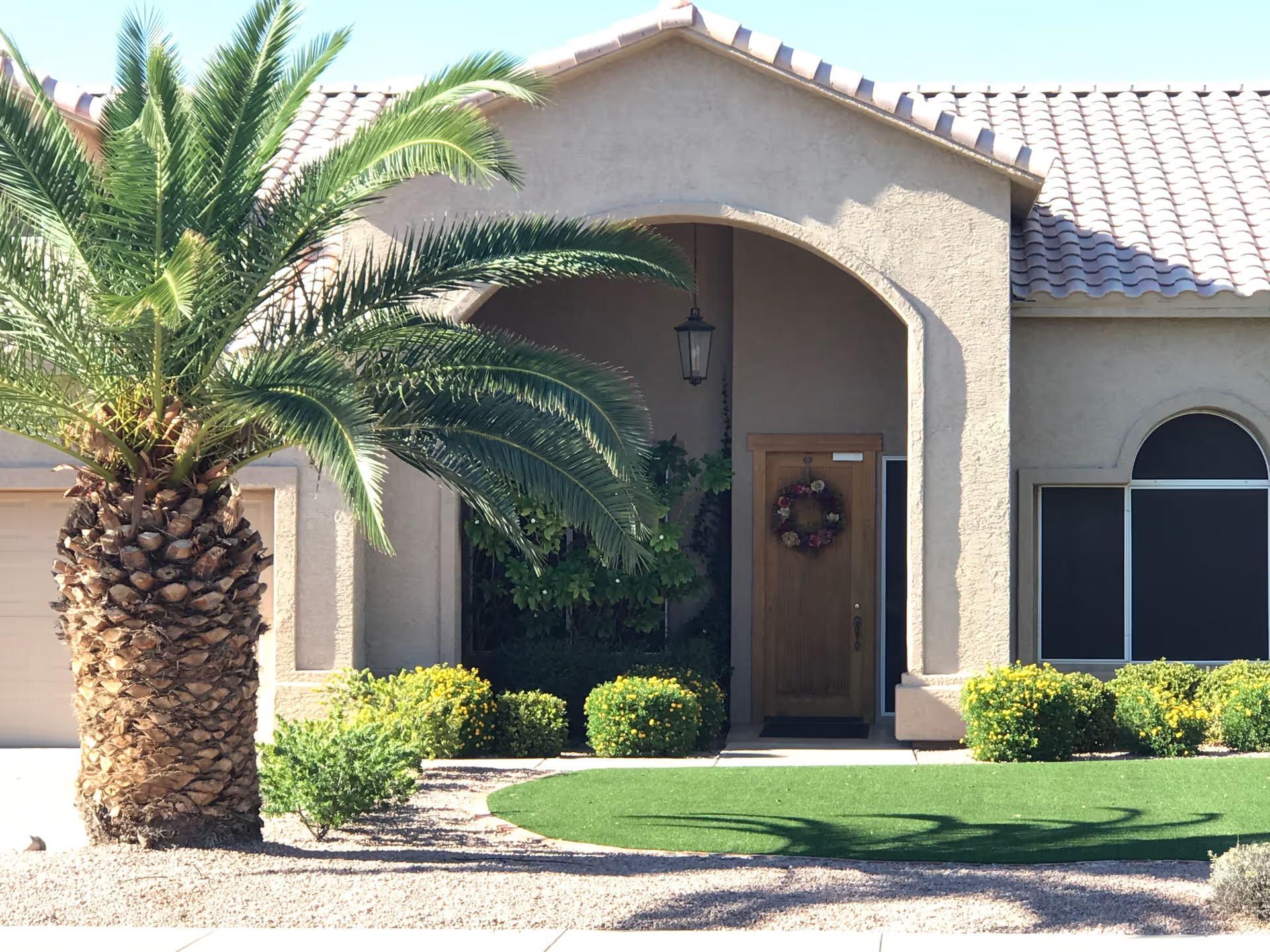
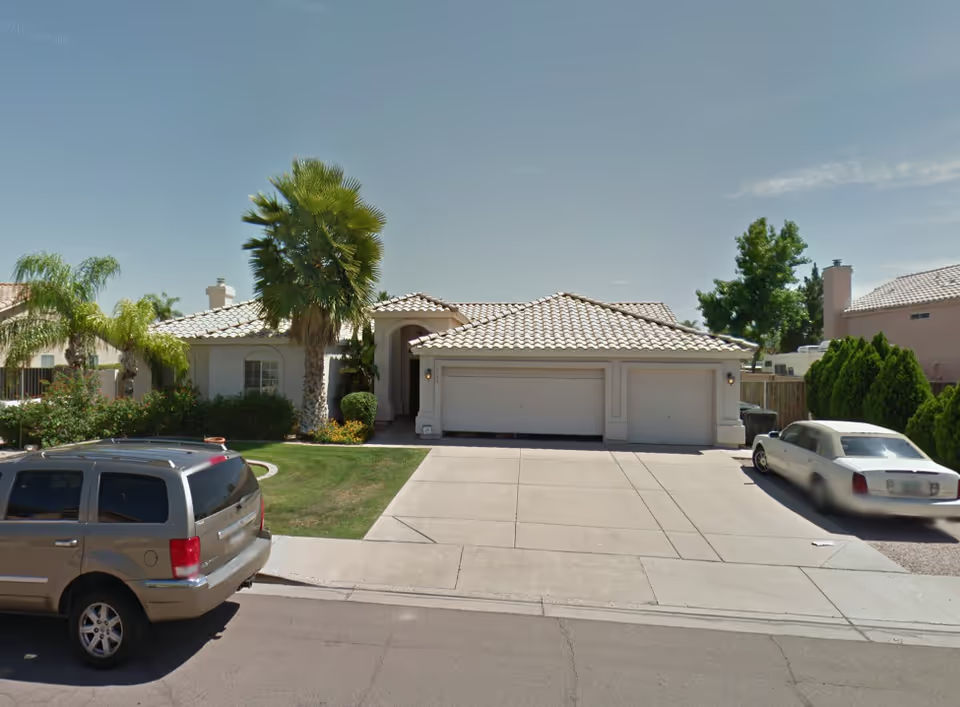
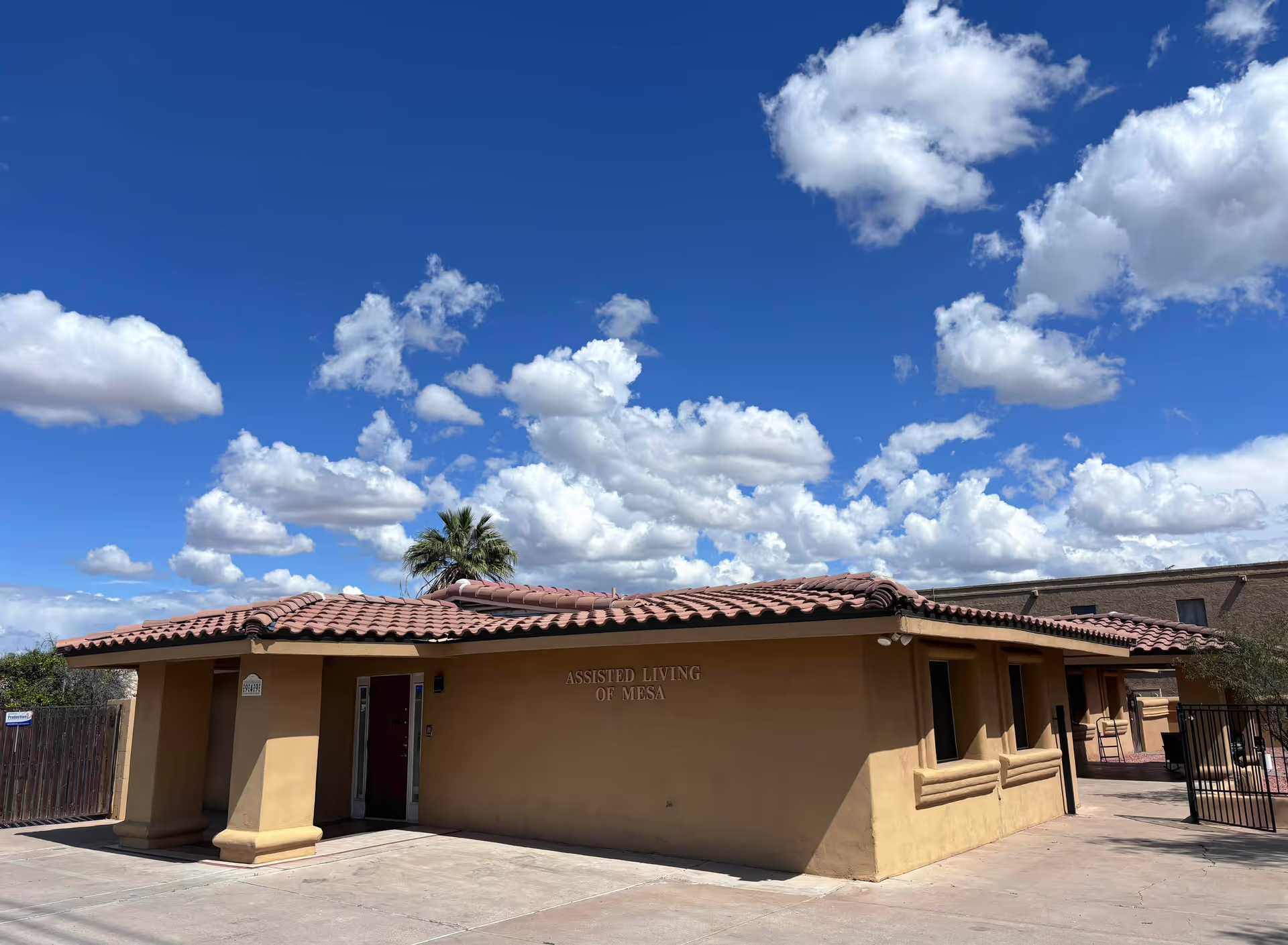
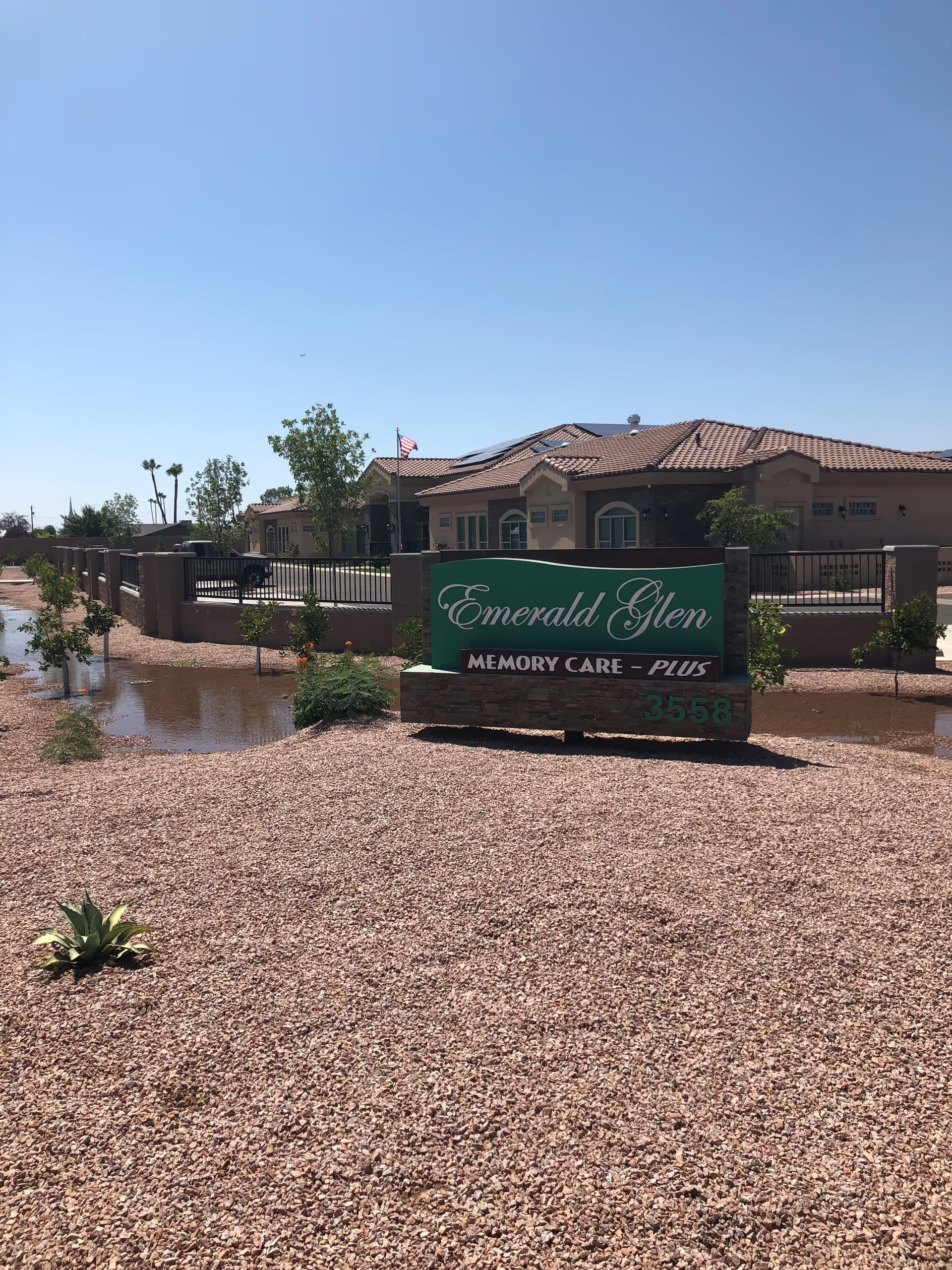
The reviews present a mixed picture of Family Care Homes. Positive feedback emphasizes a clean facility on initial tour, friendly and professional caregivers, and capability in dementia care. Several families described compassionate end-of-life management in collaboration with hospice, and some reviewers singled out managerial leadership and the broader staff for praise and strong recommendations.
Care quality appears variable. When staffing and communication are functioning well, families described attentive caregiving, professionalism, and effective coordination with hospice that supported peaceful, comfort-focused transitions. However, other reviews point to operational strains—most notably chronic understaffing—that appear to compromise consistency of daily care and limit individualized attention.
Staff dynamics are a key theme. Many comments praise the kindness and professionalism of direct-care staff; conversely, concerns were raised about management communication style and responsiveness. These management-related issues intersect with staffing shortages, producing gaps in follow-up after incidents and unanswered family inquiries. The combination of limited responsiveness and incomplete incident communication is a recurring pattern that prospective families should note.
Dining and activities also show contrasts. Some families did not raise concerns about food quality, but multiple notes about early or inflexible mealtime schedules indicate that meal timing may not align with every resident’s routine. Activity programming was another concern: reports that residents spent extended periods without meaningful interaction suggest limited opportunities for engagement or insufficient activity staffing.
Facility appearance and specific care areas receive positive mention; the environment was described as clean during tours. At the same time, systemic issues—staffing levels, communication protocols, and limited resident advocacy—are the primary operational weaknesses identified across reviews. These traits, rather than isolated incidents, appear to drive much of the variability in family experience.
For prospective residents and families, recommended inquiries include current staffing ratios and agency use, sample daily schedules (including mealtime times and activity calendars), policies for incident reporting and family notification, and the facility’s process for coordinating with hospice and other outside providers. Observing staff–resident interactions during a visit and asking about how individualized care plans and advocacy concerns are handled can help clarify whether the facility’s strengths align with a prospective resident’s needs.