Reviews present a divided but coherent picture of Hacienda Healthcare. Many comments praise frontline care: reviewers describe medical and support staff as skilled, compassionate, and respectful. Caregiving is frequently characterized as attentive and relationship-focused, with staff who communicate with families, provide continuity for long-term residents, and treat people with dignity. Several accounts emphasize a supportive, family-like culture among staff and reliable routine nursing attention.
At the same time, reviewers raise very serious safety and oversight concerns that affect the facility's overall risk profile. There are allegations of severe staff misconduct and instances that families describe as failures of supervision and resident protection. Those claims have driven calls for stronger accountability, independent review, and change in management practices. Even when day-to-day caregiving is praised, these high-severity allegations create material concerns about safeguarding, background vetting, and the facility's ability to prevent and manage critical incidents.
Information about dining and activities is limited in the available summaries. Where lifestyle aspects are mentioned, the emphasis is on personal attention rather than programmatic offerings; reviewers most often discuss nursing and support interactions rather than the quality or variety of meals and organized activities. Prospective families seeking detail on recreational programming, menu quality, or social engagement should request current schedules and sample menus directly from the facility.
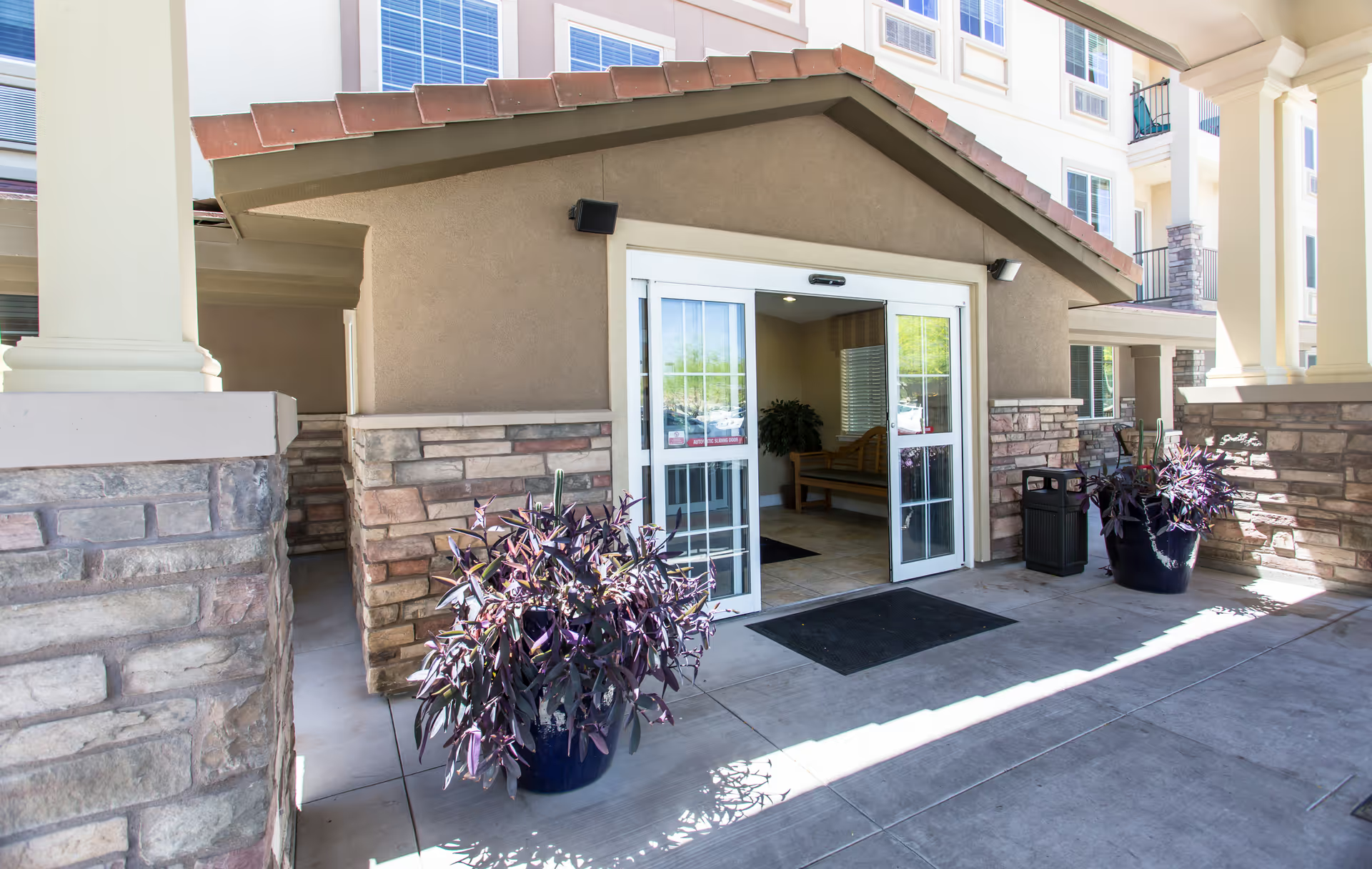
Facility condition and environment are described positively by some families, who felt their relatives were safe and well cared for on a day-to-day basis. However, the broader pattern of oversight concerns tempers those impressions. Management-level issues cited include gaps in incident-response processes, unclear corrective actions following serious events, and insufficient public transparency about what changes have been implemented. These operational weaknesses contribute to ongoing reputational and potential regulatory risk.
Taken together, the reviews indicate a facility where many frontline staff deliver compassionate, consistent care, but where systemic weaknesses in supervision, safeguarding, and incident accountability have led to significant family concern. For prospective residents and their families, recommended next steps would be to review recent regulatory inspection reports, ask the facility for detailed information on background-check and supervision policies, request documentation of any corrective-action plans, and arrange in-person meetings with clinical leadership to evaluate both everyday care practices and the measures in place to protect vulnerable residents.