Sunshine Circle Assisted Living Enclave presents as a memory-care–focused community with many families highlighting strong clinical competence and a compassion-driven culture. The facility emphasizes specialized dementia care—Alzheimer’s training and familiarity with conditions such as Lewy Body dementia were specifically noted—and maintains a 24/7 nursing presence. Reviewers consistently describe staff as warm, attentive, and respectful, and several accounts underscore dignified, compassionate support during end-of-life transitions.
The programs and daily life receive frequent praise. An active activities program includes regular musical visits (including symphony appearances), entertainers, therapy animals and structured games that reviewers found engaging and stabilizing for residents. Dedicated activity coordinators and family-oriented programming were mentioned as contributors to residents’ engagement and well-being. The dietary team is described as responsive, with homemade-style meals and specific positive mentions of menu items; overall mealtime service is presented as adequate to good.
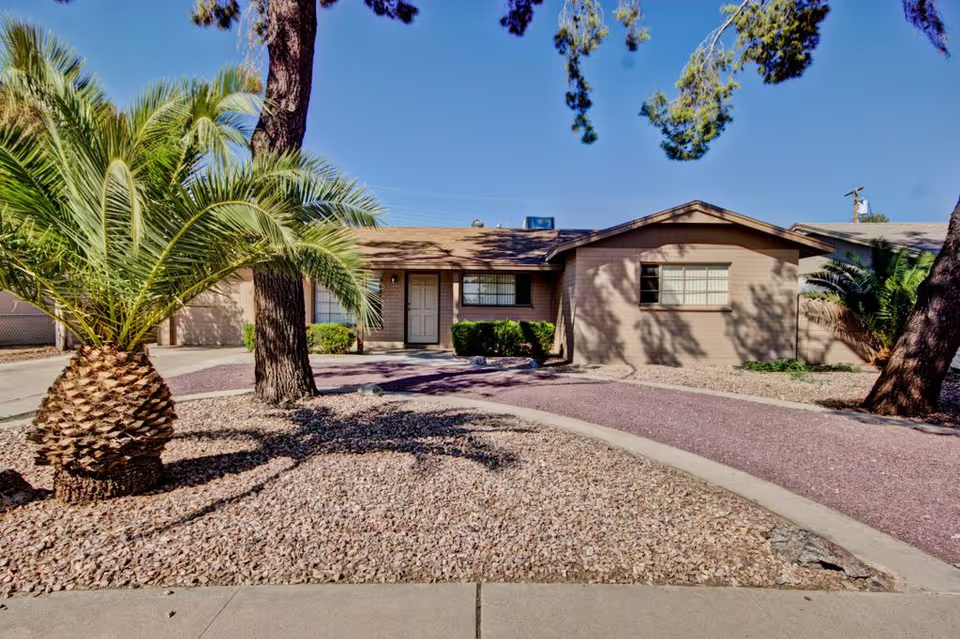
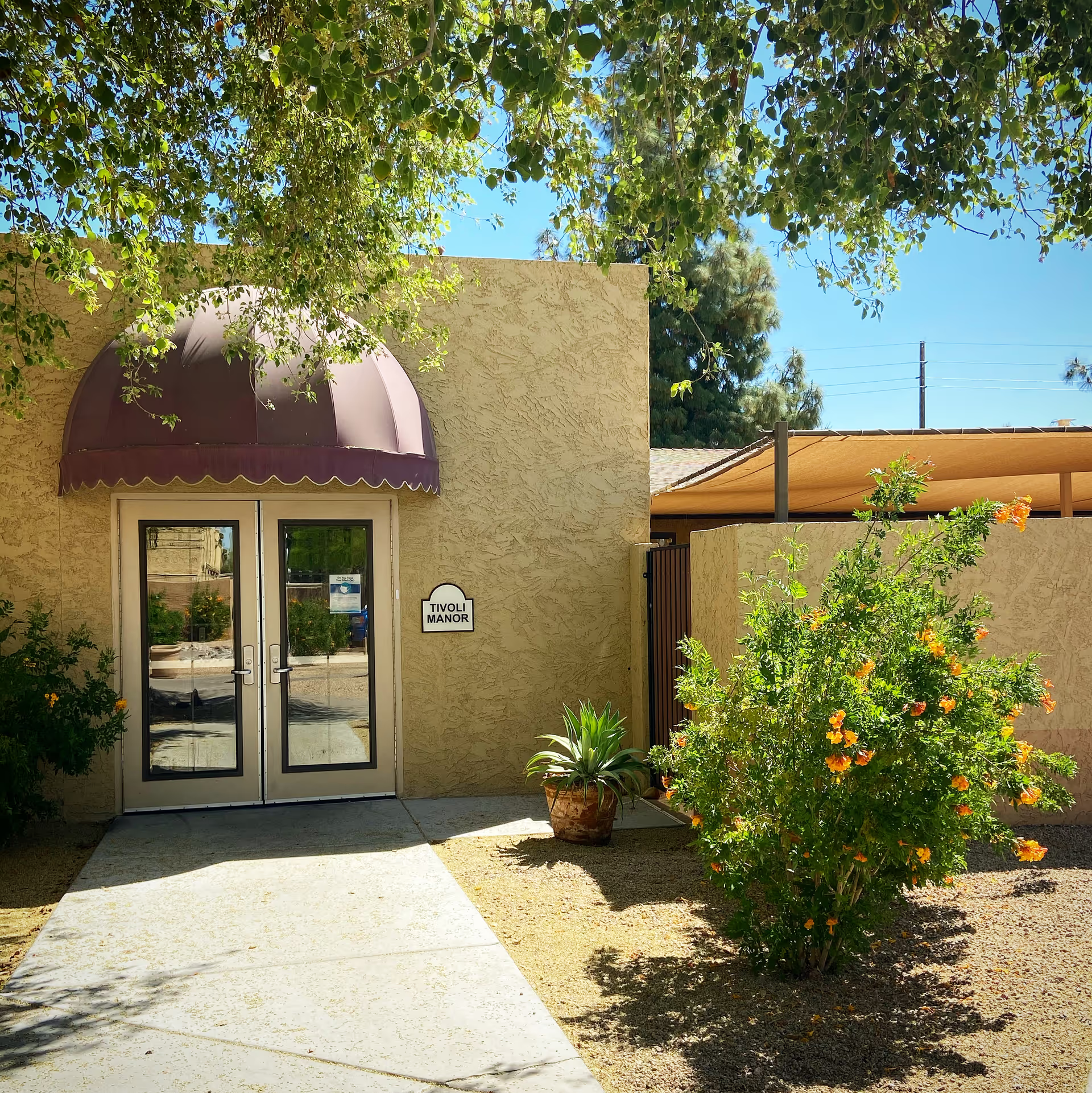
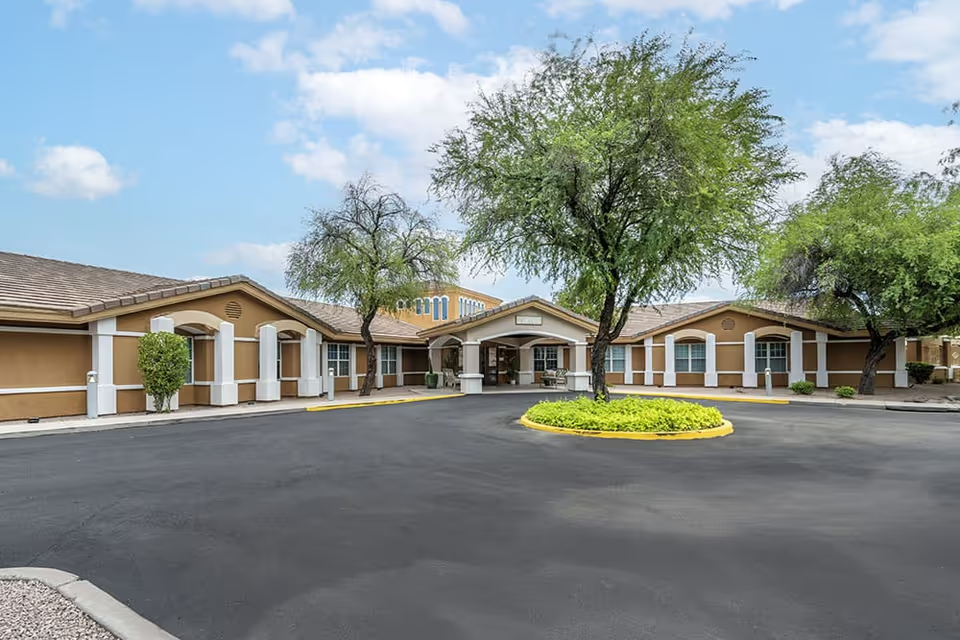
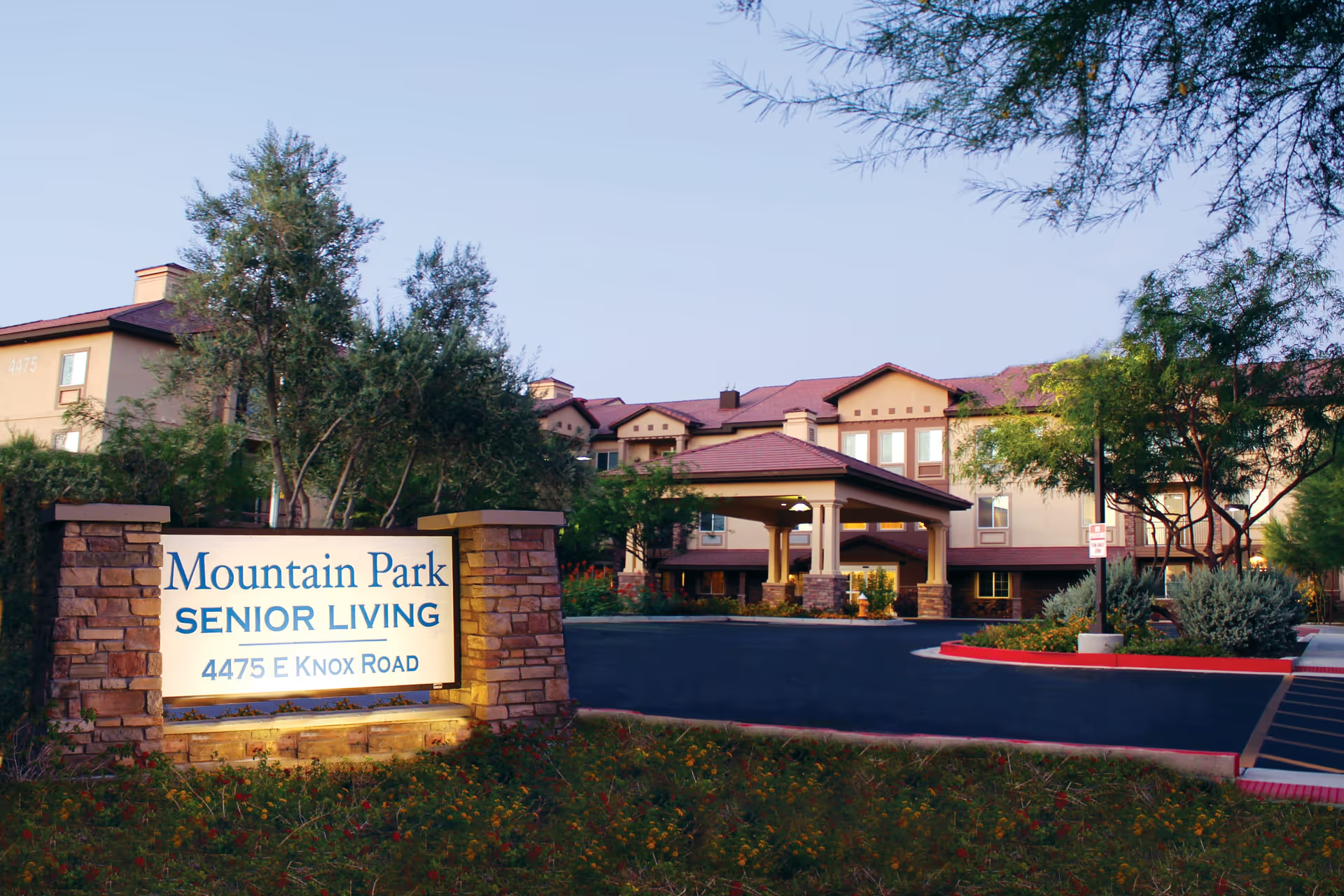
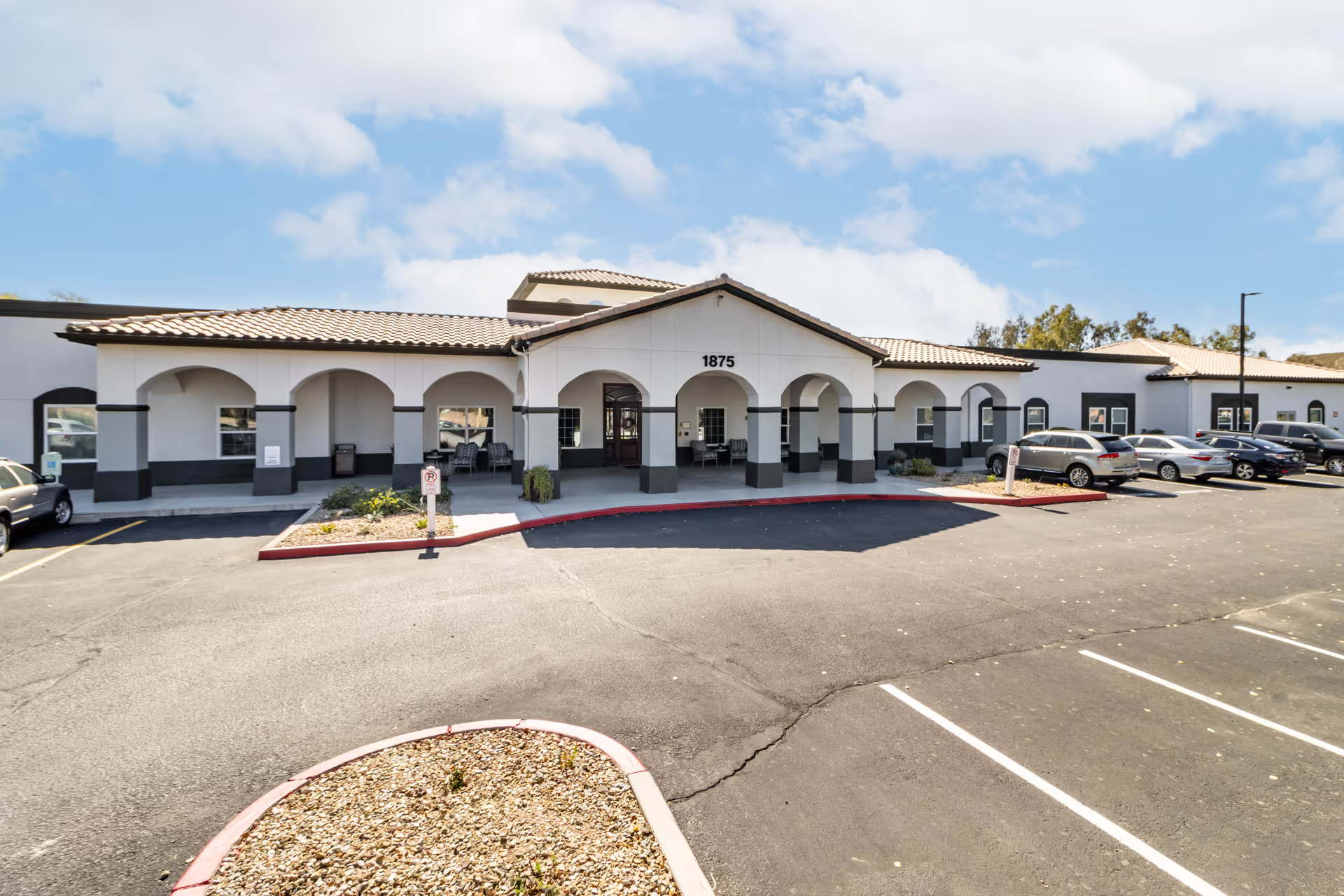
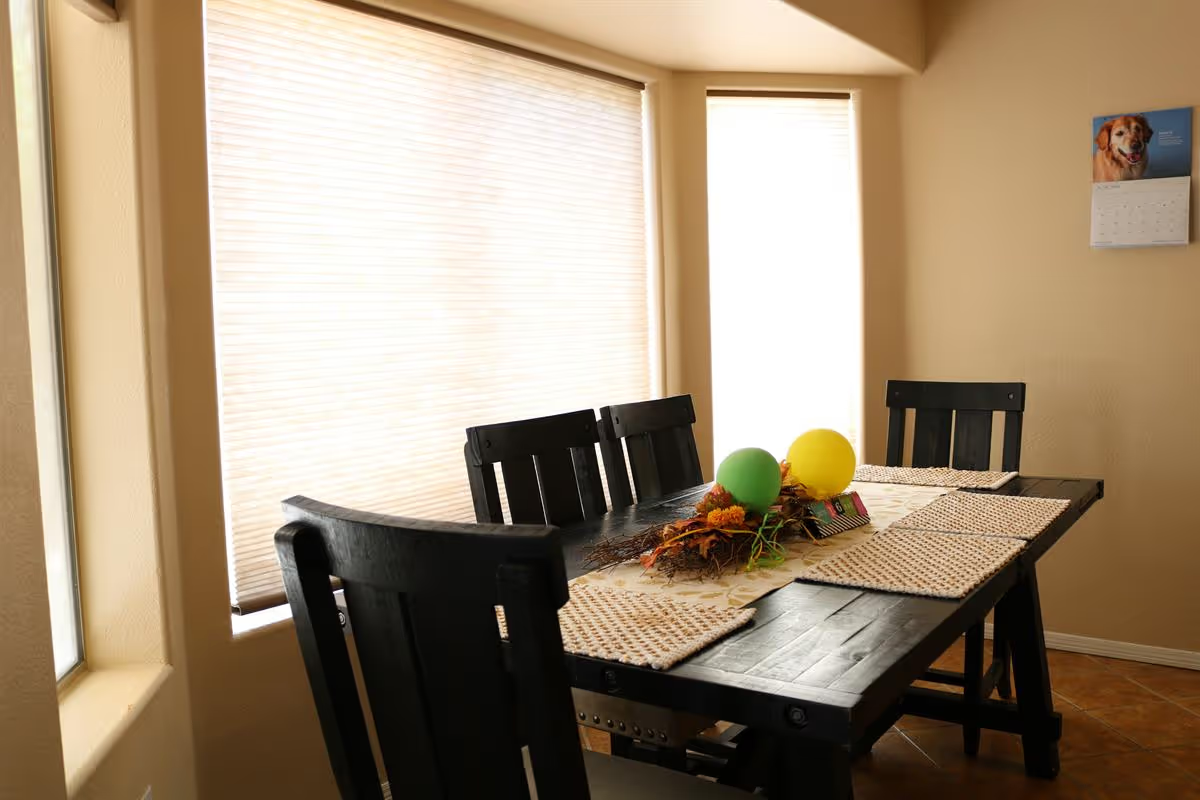
Facilities and environment are commonly cited as strengths. The community is organized into home-like cottages/casitas and a pod-format layout with open courtyards and attractive, well-maintained grounds. Interiors are generally described as clean and recently renovated, supporting a homelike atmosphere that families appreciate. The physical design—smaller cottages and accessible outdoor spaces—supports family visits and a neighborhood feel.
Operational patterns show both positives and areas for attention. Families report proactive care coordination, thorough record-keeping, and administrative support with admissions and benefits processes (including ALTCS enrollment). At the same time, reviewers indicate variability: staffing instability and turnover appear to affect consistency of care, and care quality can vary depending on a resident’s level of independence and acuity. A hybrid physical layout and some shared-room arrangements were also identified as operational traits that can complicate care delivery or limit private-room availability.
Management and communication are generally described as engaged and family-friendly; several reviewers singled out clinical leaders and front-desk staff by name for their responsiveness. However, there are isolated accounts of perceived inconsistencies in administrative professionalism or responsiveness. Prospective families should weigh the facility’s clear strengths in memory care, activities, and environment against the potential for variability related to staffing and accommodation configuration. A tour focused on staffing patterns for specific shifts, room options, and care plans for higher-dependency needs would help align expectations with the community’s operational profile.