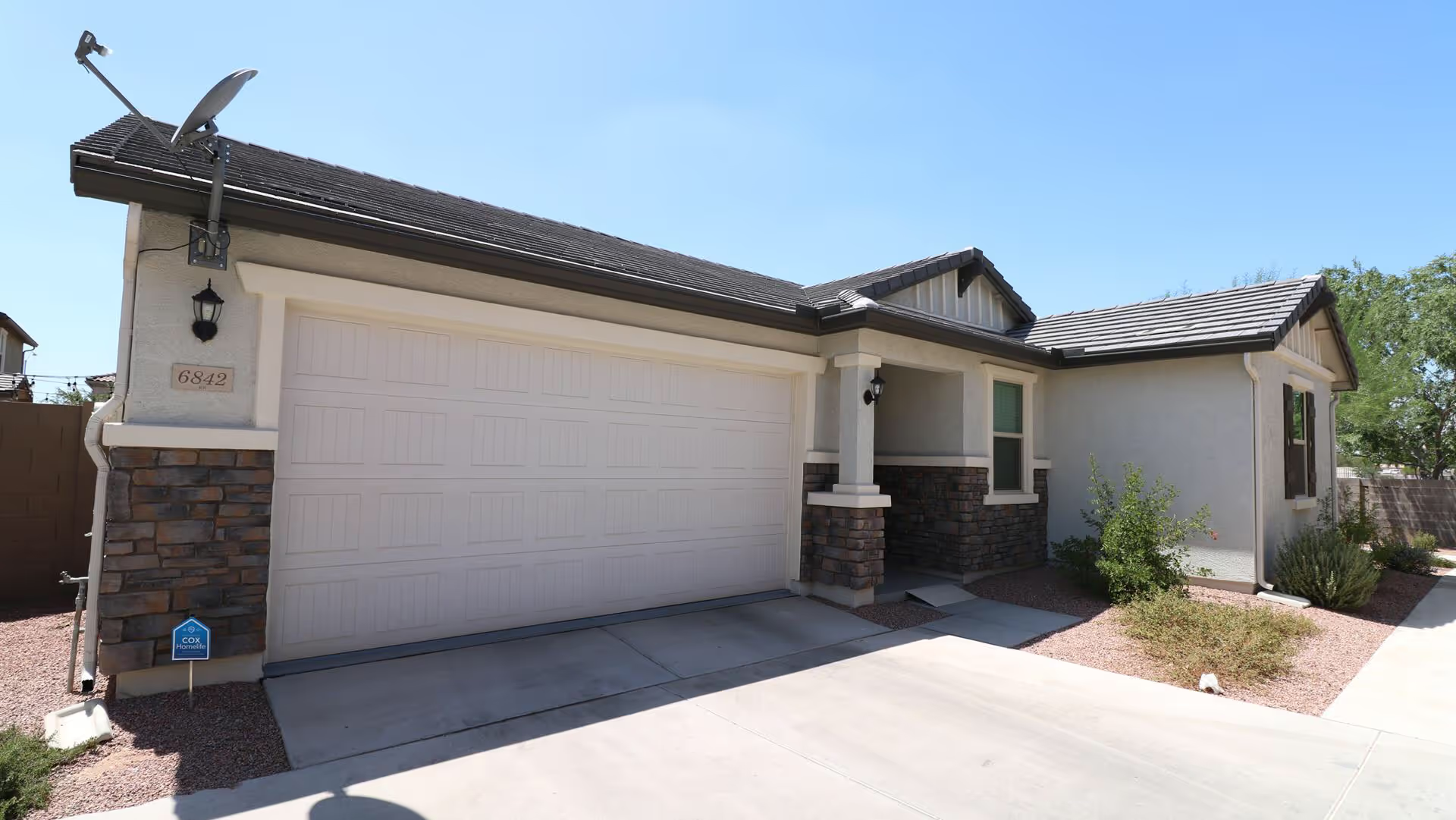
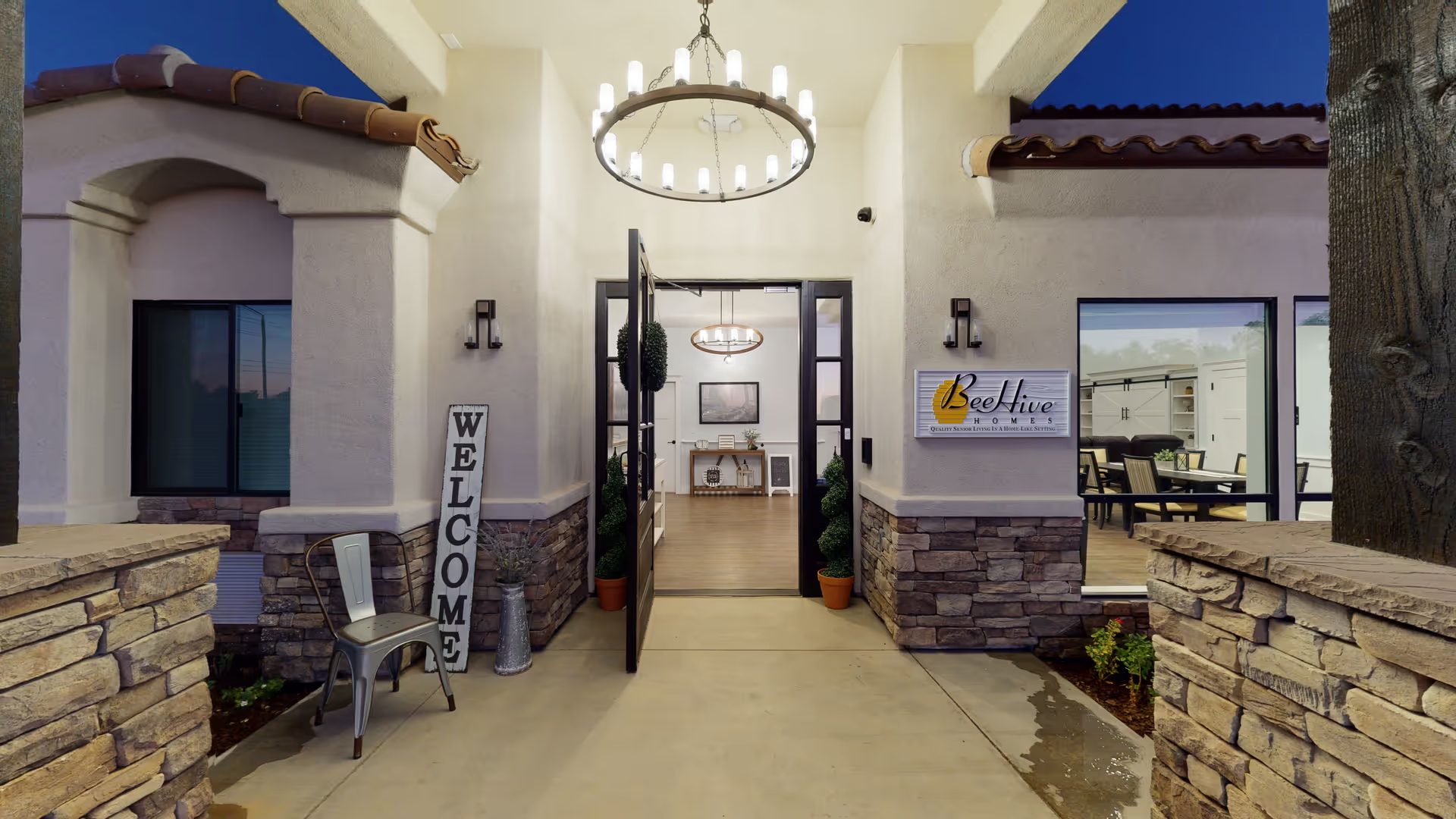
Overall impression: Families and observers describe a small, home-style assisted living setting where caregiving staff are often described as consistent, familiar, and compassionate. Multiple accounts highlight patient, family-like interactions and continuity of caregivers, and several reviewers praised the facility's on-site medical support. The physical environment is generally seen as clean and accessible, with some families reporting that the setting feels more like a private home than an institutional facility.
Care and staff: Strengths center on the interpersonal quality of caregiving — staff are characterized as friendly, patient, and attentive to resident personalities. The presence of an engaged medical team is viewed positively for clinical oversight. However, there are recurring operational concerns about responsiveness and proactive care planning. Several reviewers described instances that suggest delays in attending to incontinence needs and unclear documentation of those care tasks, indicating potential gaps in routine care protocols and record-keeping.
Dining and programming: The facility prepares meals on-site and some families appreciated home-cooked food. At the same time, food quality appears variable when regular kitchen staff are absent, which points to limited continuity in meal-service staffing or contingency planning. Programming and activities were noted as an area of weakness: reviewers reported few organized activities, minimal music or therapeutic offerings, and an overall lack of engagement programming for residents.
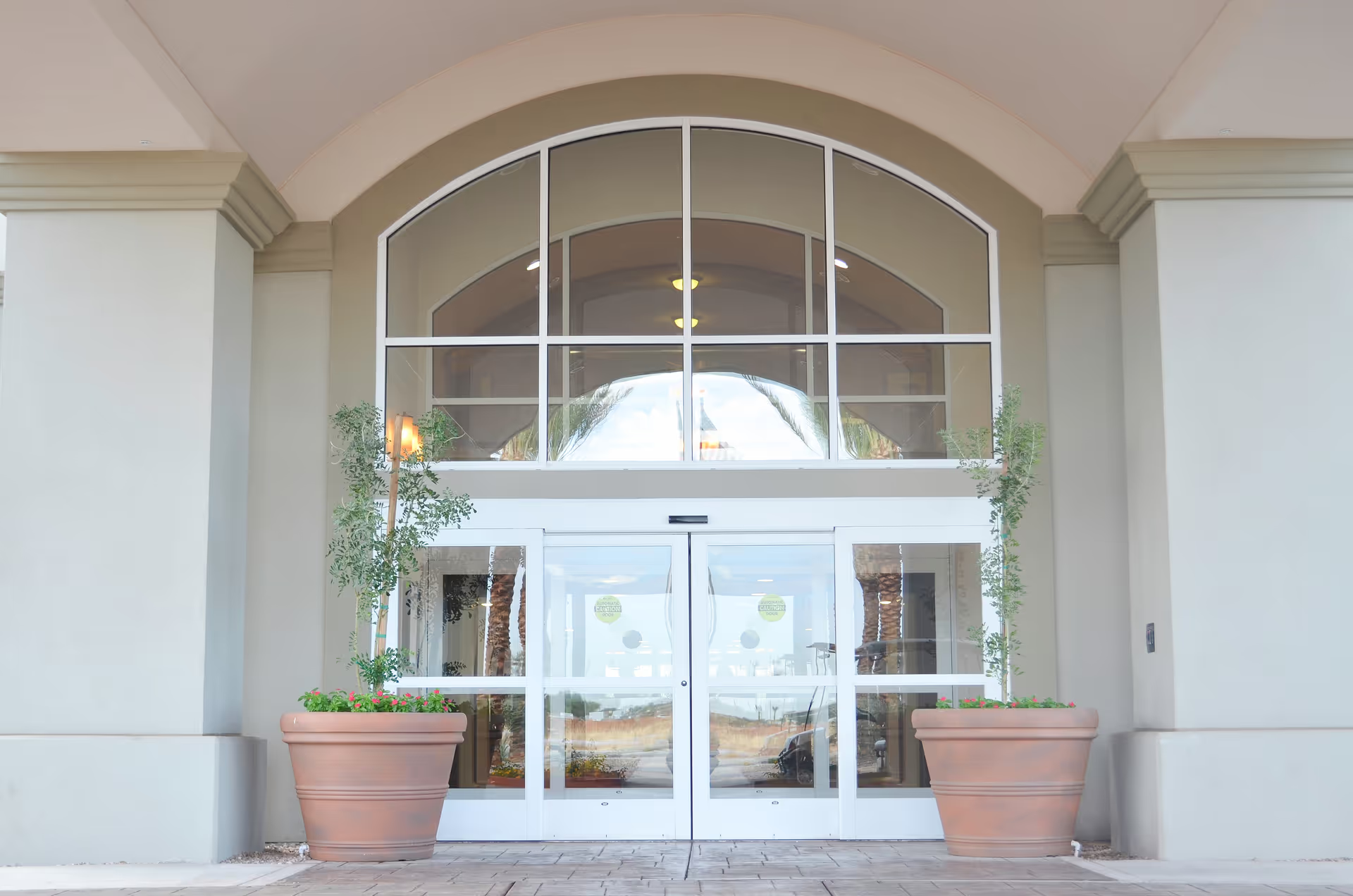
Facilities and maintenance: Interior cleanliness and accessibility receive positive mention, but reviewers identified specific maintenance and upkeep issues in outdoor and common areas that could benefit from attention. There are also isolated odor concerns in resident rooms that families called out, which relate to the previously noted incontinence-care and sanitation issues rather than general housekeeping alone.
Management and communication: Families described uneven follow-through on promised services and variable communication about care tasks. These patterns manifest as unclear explanations about what services are included, inconsistencies in how certain care needs are documented, and at least one report of restrictive visitation practices. Together these issues suggest opportunities for stronger operational policies around service delivery, documentation, staffing backups, and family communication.
Notable patterns and considerations: The dominant positive theme is relational — consistent caregivers and a family-like atmosphere — while the dominant negatives are operational: inconsistent responsiveness, gaps in incontinence management and documentation, limited activities, and occasional maintenance lapses. Prospective families should weigh the facility’s strong interpersonal care culture against these operational areas and ask targeted questions about care protocols, staffing contingency plans, activity schedules, and visitation policies during a tour.