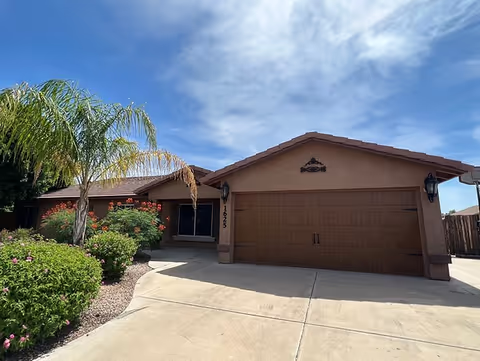
Feedback for Mountain Vista Manor Corp Assisted Living is mixed, with clear areas of strength alongside several operational concerns that families should evaluate further. Many accounts describe a caring, stable workforce that provides personalized support, maintains a clean environment, and offers a homelike atmosphere with holiday decorations. Several families praised regular meals, observed weight gain in residents, and appreciated the 24/7 helpline and on-site staff presence. Assistance with medical equipment and consistent care-plan maintenance were noted as positive aspects of daily operations.
Care and staffing observations are polarized. Positive reports emphasize compassionate caregivers, low turnover, and staff accessibility. In contrast, other accounts point to limitations in clinical oversight—specifically the absence of regular nursing coverage and instances that suggest gaps in recognizing and responding to clinical incidents such as falls or head injuries. There are also recurring concerns about staff conduct and communication tone, and reports of inconsistent attentiveness during overnight shifts. Prospective families should confirm nurse availability, staff training, and the facility's incident-response protocols.
Medication management and safety are a recurring area of concern. Comments suggest weaknesses in medication security and tracking processes, which were linked in some accounts to missing medications and unsecured medication storage. Physical-security matters also appeared—examples included unlocked doors and general access-control weaknesses. These issues, together with reported regulatory citations, indicate the importance of reviewing the facility's medication procedures, security practices, and state inspection history during a tour.
Dining and activities produce mixed impressions. Several reviewers praised the quality of the meals, three-meal service, and resulting appetite improvements. Others reported inconsistent meal quality and food-temperature problems. Activity programming exists, but accessibility and engagement appear variable; some residents are described as unable or uninclined to participate, and common spaces were characterized by some as crowded or dim. Families should ask about individualized activity plans and visit during meal and activity times to assess suitability for a prospective resident.
Facility management shows strengths in communication and family-oriented practices—staff who live on site, responsive family interactions, and help with equipment logistics were highlighted. At the same time, budget concerns and regulatory citations were mentioned, suggesting areas for administrative improvement. Overall, experiences differ considerably between families; the pattern is one of high satisfaction for some residents and substantive safety or care-process concerns for others. Visitors should perform an on-site assessment focused on nursing coverage, medication controls, overnight staffing, incident reporting, sanitation and incontinence-care practices, meal preparation procedures, activity accessibility, and recent regulatory records to determine fit for a particular resident's needs.