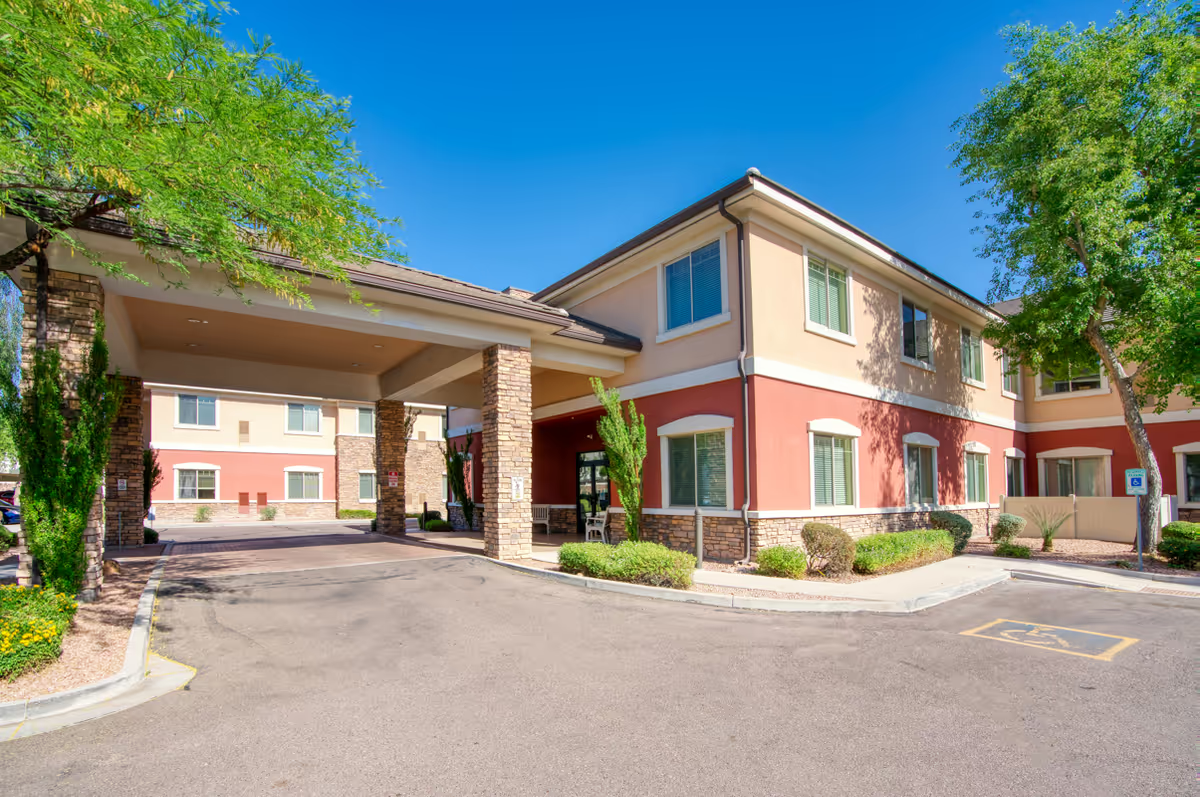
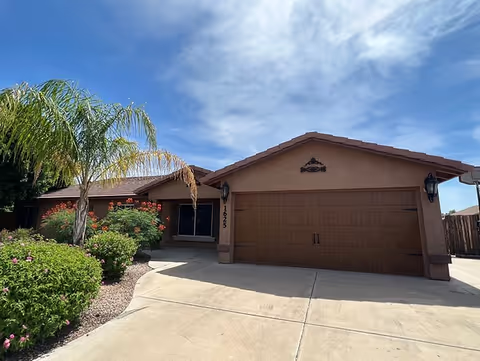
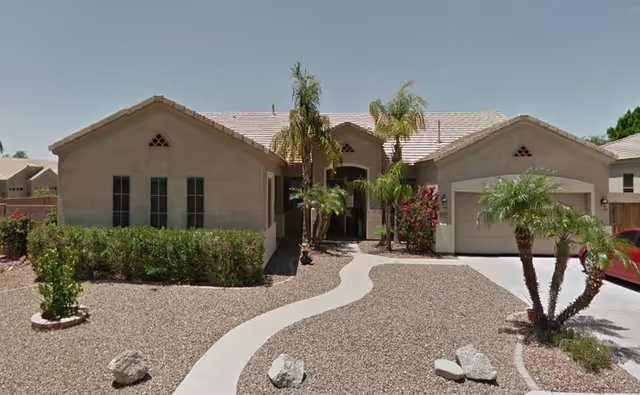
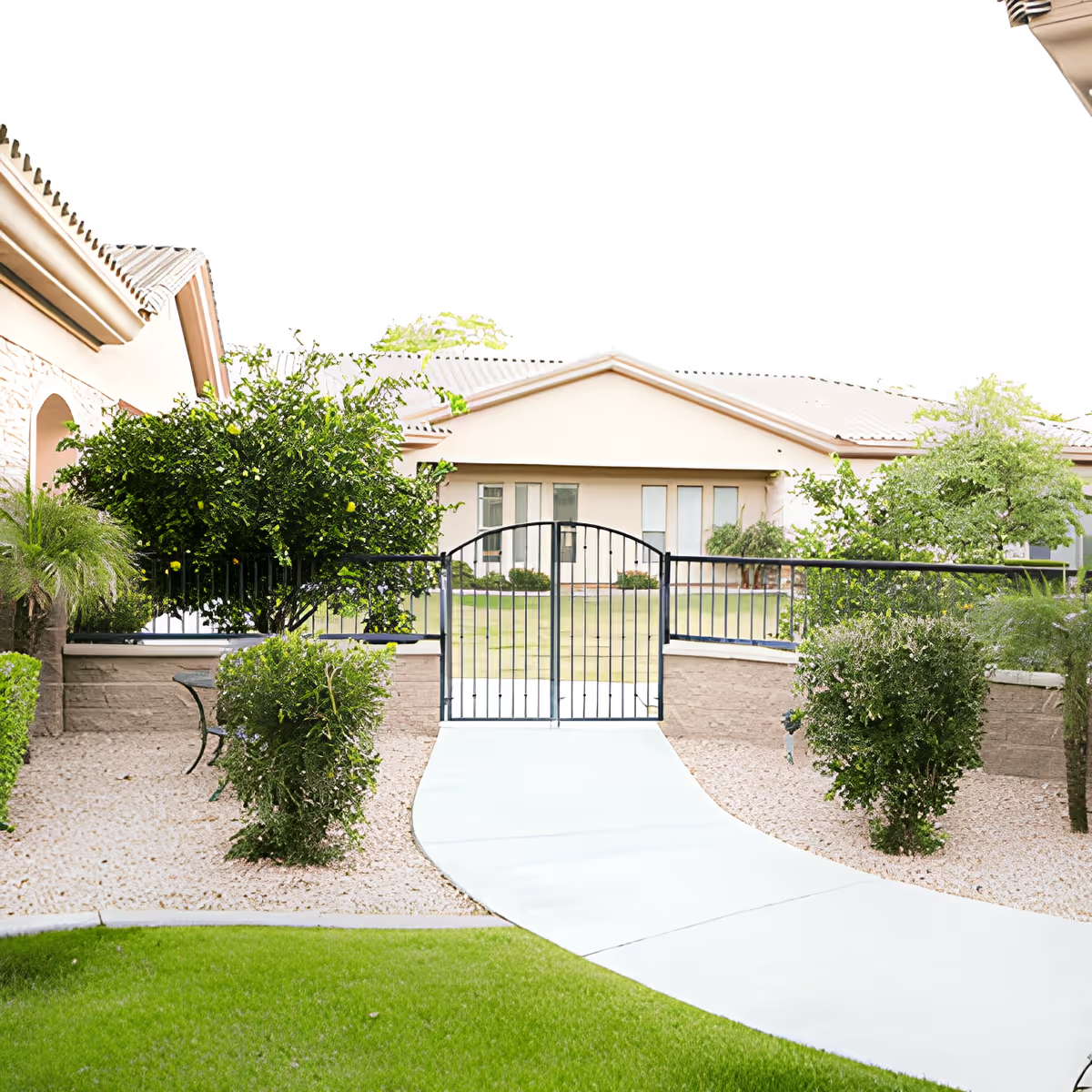
Seven Haven II is presented as a small, family‑oriented assisted living home where interpersonal care and meal quality are prominent strengths. Reviewers frequently describe staff as compassionate, attentive, and caring; the facility's small size is associated with personalized attention and a "loving" atmosphere. Multiple accounts highlight clean living spaces, active monitoring of residents, and meals that are both appealing and well regarded by families.
Care and staffing are central to the facility's positive reputation. The staffing model appears to support individualized attention and close resident oversight, which families connect to a sense of safety and satisfaction. At the same time, some reviews describe language differences between staff and families that create communication challenges. Those communication gaps have been linked to concerns about responsiveness and the accuracy of care coordination when family members and staff cannot easily converse.
Dining is a clear strength: reviewers emphasize excellent meals with good presentation and aroma, and express gratitude toward kitchen and care staff. The food quality seems to contribute materially to resident satisfaction. Facility cleanliness and routine monitoring practices are also cited as strong operational features.
Programming and engagement are areas of concern. Several reviewers reported a lack of organized activities and limited opportunities for mental stimulation, which can affect residents who need regular cognitive or social engagement. This suggests the facility's activity schedule may be minimal or inconsistently implemented relative to expectations for assisted living.
Management and positioning relative to larger providers is notable: some families contrast Seven Haven II's smaller, non‑corporate model favorably against larger, more impersonal facilities and cite a preference for its personal approach. However, the language‑related communication gaps and limited activity offerings indicate operational areas that would benefit from focused management attention, such as staff training in cross‑language communication, formalized activity programming, and strengthened care‑coordination protocols.
Overall, Seven Haven II's strengths are interpersonal care, a small‑home environment, and dining/cleanliness standards. Prospective residents and families should weigh those positives against the potential for communication barriers and limited structured activities; when these issues are important to a family, specific questions about staff language abilities, activity schedules, and care‑coordination practices are advisable during a tour or intake discussion.