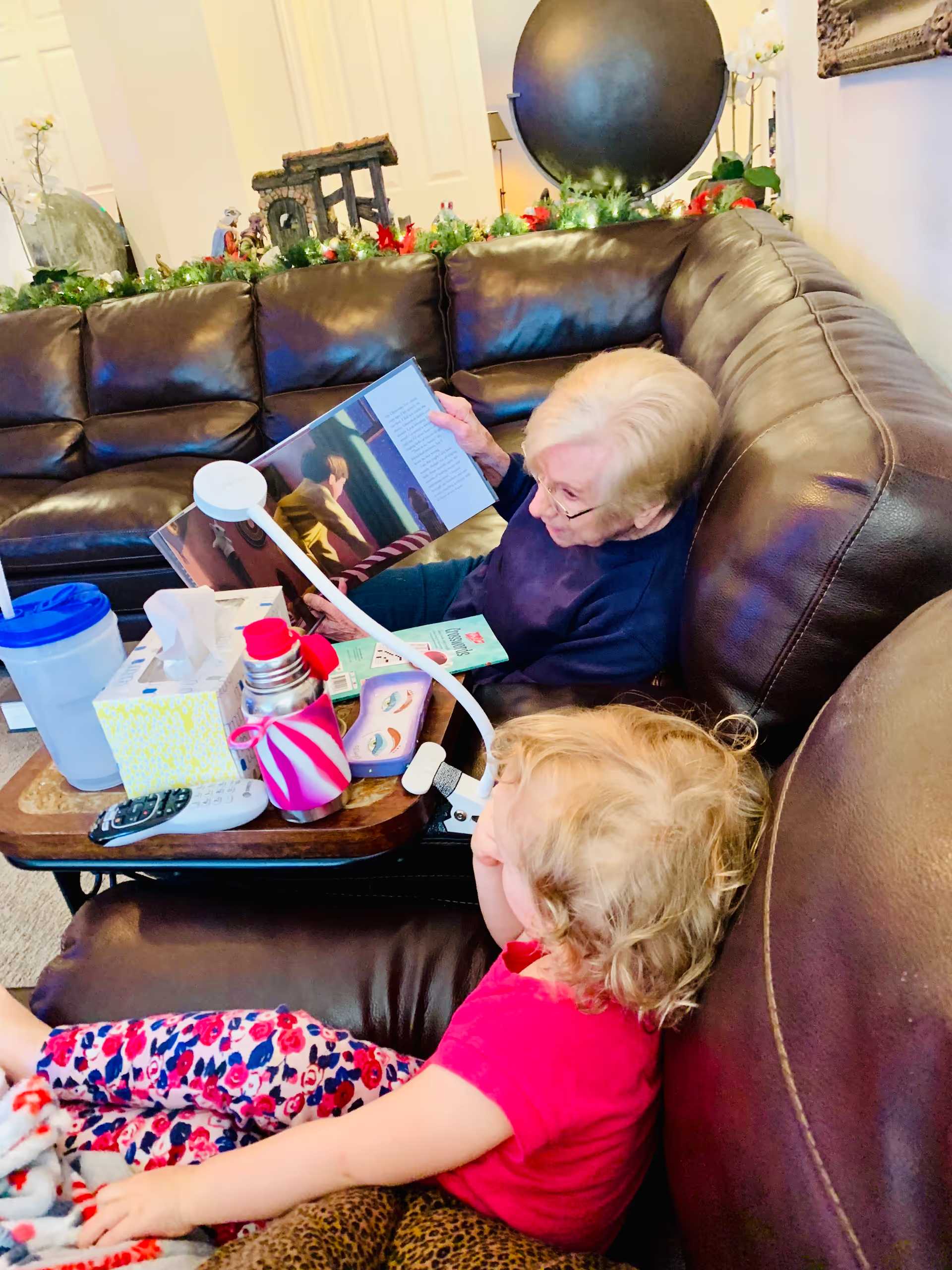
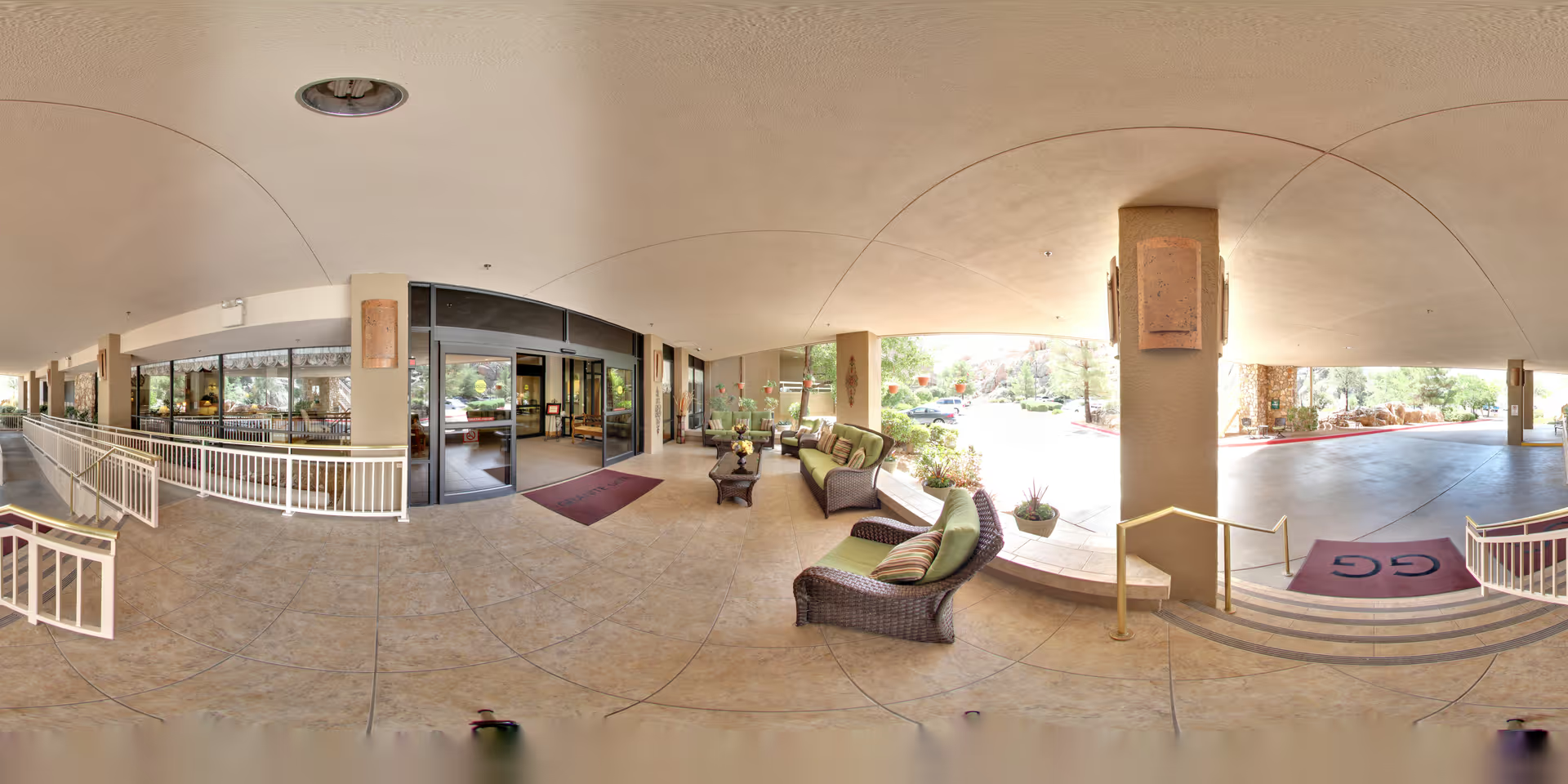
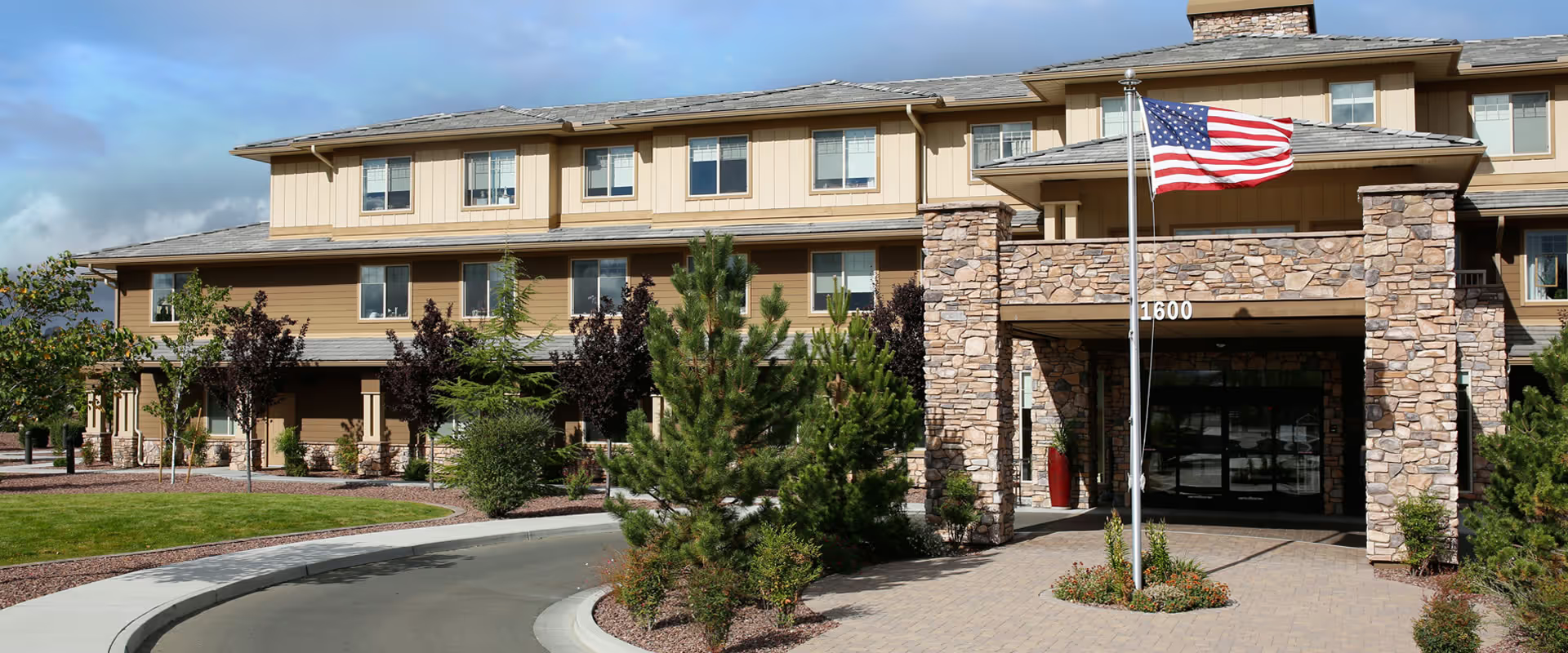
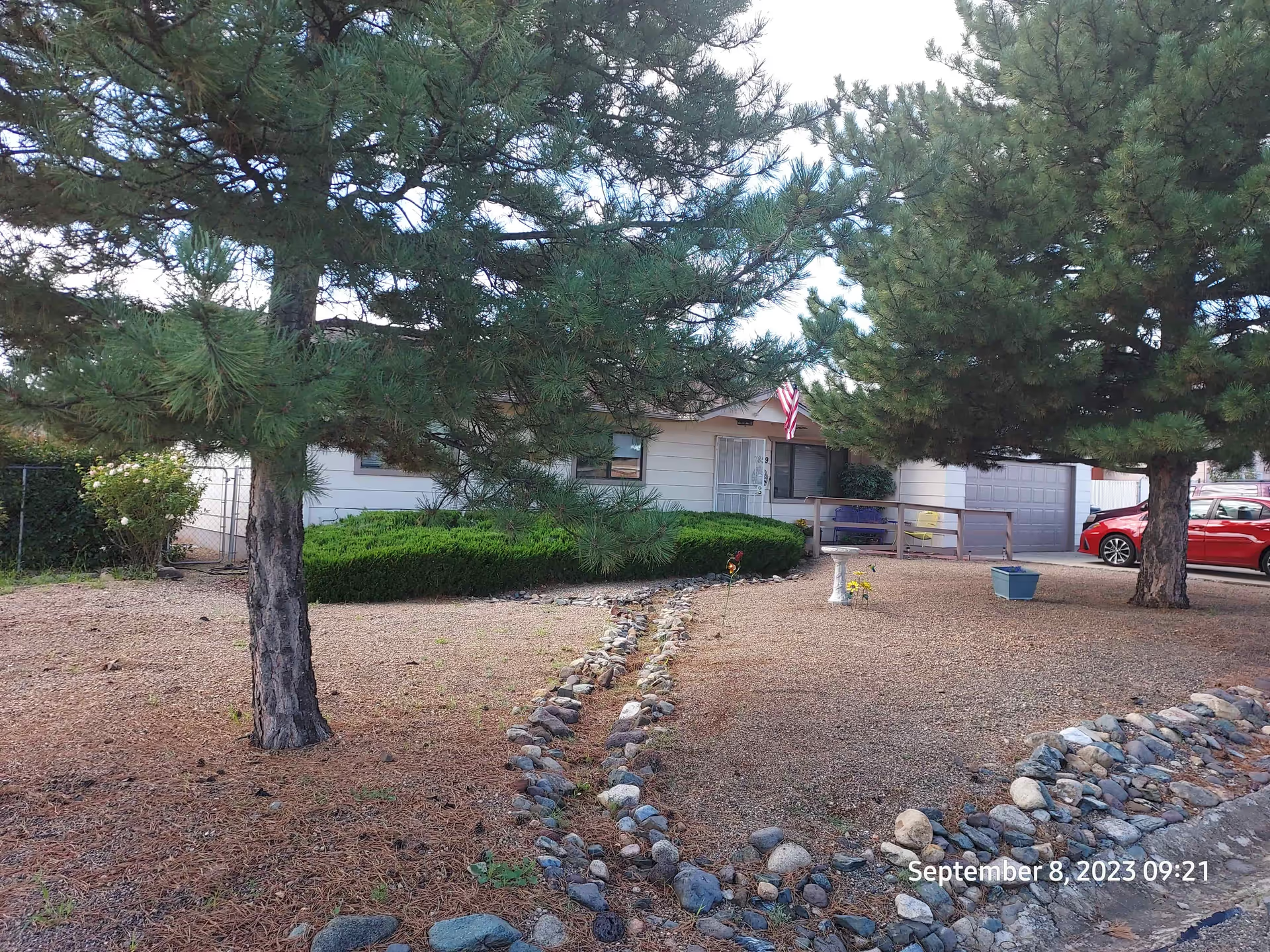
Reviewer feedback for Rutledge Ranch Retreat is polarized, with a substantial body of commentary praising the facility’s small, home-like environment, and a separate cluster of concerns focused on operational controls and oversight. Positive remarks emphasize an intentional, faith-oriented culture, a tranquil country setting, and staff who are described as caring and invested in resident wellbeing. The property, grounds, and interior spaces are frequently described as clean and well maintained, and many families highlight animal interactions (horses, donkeys, burros, and a cat) and a decorative, welcoming atmosphere as meaningful contributors to residents’ quality of life.
Care and staffing draw both high praise and notable concern. On the positive side, reviewers describe passionate, attentive caregivers and consistent overnight staffing that keeps staff on-site at night. In contrast, other comments indicate chronic staffing shortfalls and an insufficient number of certified or licensed caregivers on duty. Related operational weaknesses include gaps in medication-administration controls and instances where non-clinical staff appeared to be performing clinical tasks; these raise questions about training, scope of practice, and formal medication-management procedures. Reviewers also raised incontinence-care process and responsiveness issues and described limitations on resident mobility and autonomy in some situations. Together these items point to variability in clinical oversight and daily-care responsiveness.
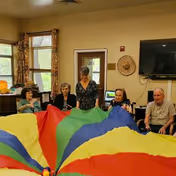
Dining and activities receive mixed notes. Many families report homemade, healthy meals and a social, calming dining environment. Animal interactions, bingo, and outdoor engagement are cited as positive diversion and activity options. However, other reviewers mention off-site meal arrangements and limited or inconsistent scheduled activities, suggesting that program consistency may vary depending on staffing or scheduling.
The facility and environment are commonly described as an appealing, peaceful retreat with well-manicured landscaping and a homey interior. The animal program and plants contribute positively to resident engagement. At the same time, some commentary raises concerns about unconventional overnight-staffing arrangements that can affect resident privacy or routine; prospective families may want to clarify how overnight coverage is structured and how privacy is preserved.
Management and administrative practices are another clear area of divergence. While many reviewers endorse the staff and mission, others cite management and communication inconsistencies and question billing and personal-property accounting practices; there are even allegations of inappropriate post‑mortem charges. These financial and leadership concerns are significant and merit direct, written clarification from the provider before placement.
Advice for prospective families: conduct an in-person tour that includes observation of meal service, activities, and overnight staffing arrangements; request written policies on staffing ratios, the number of certified/licensed caregivers per shift, medication-administration procedures, incontinence-care protocols, mobility and transfer practices, incident reporting, and detailed billing and property-handling policies. Asking to speak with administrative leadership and to review recent licensing or inspection records can help verify qualifications and identify any outstanding compliance issues. Given the strongly positive culture-related amenities alongside operational concerns, families should weigh the facility’s therapeutic environment and small-scale model against the need for rigorous clinical oversight and transparent administrative practices.