Paseo Village elicits strongly mixed impressions. Many families describe compassionate, attentive caregivers and nursing staff who provide solid day-to-day support, good coordination with physicians, and clear responsiveness to designated decision-makers. Reviewers frequently praise an active, engaged activity program (with a notable activity director), renovated private rooms, attractive grounds, and routine housekeeping. Several accounts highlight positive end-of-life care and timely family updates, and multiple families said staff went above and beyond in day-to-day care and in helping navigate external assistance.
At the same time, reviewers describe substantive operational weaknesses that translate into inconsistent resident experiences. Medication-management issues appear as a recurring concern: reviewers cite timing errors, missed or late medications, and broader inconsistencies in medication administration protocols. Staffing is another recurring theme: high turnover, staffing shortages, and perceived gaps in training were linked to variable care quality and responsiveness. An unreliable emergency call/alert system and slow response to repair requests were also mentioned as operational deficits that affect resident safety and comfort.
Dining and activities present a mixed picture. Many reviewers complimented meal quality and the social aspects of dining, and the activity program — particularly for memory-care and brain-injury residents — received positive comments. However, there are also reports that dietary restrictions and special nutritional needs are not always accommodated consistently, suggesting uneven communication between nursing and dietary services.
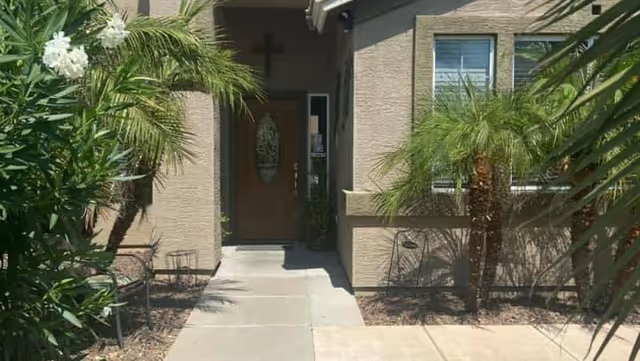
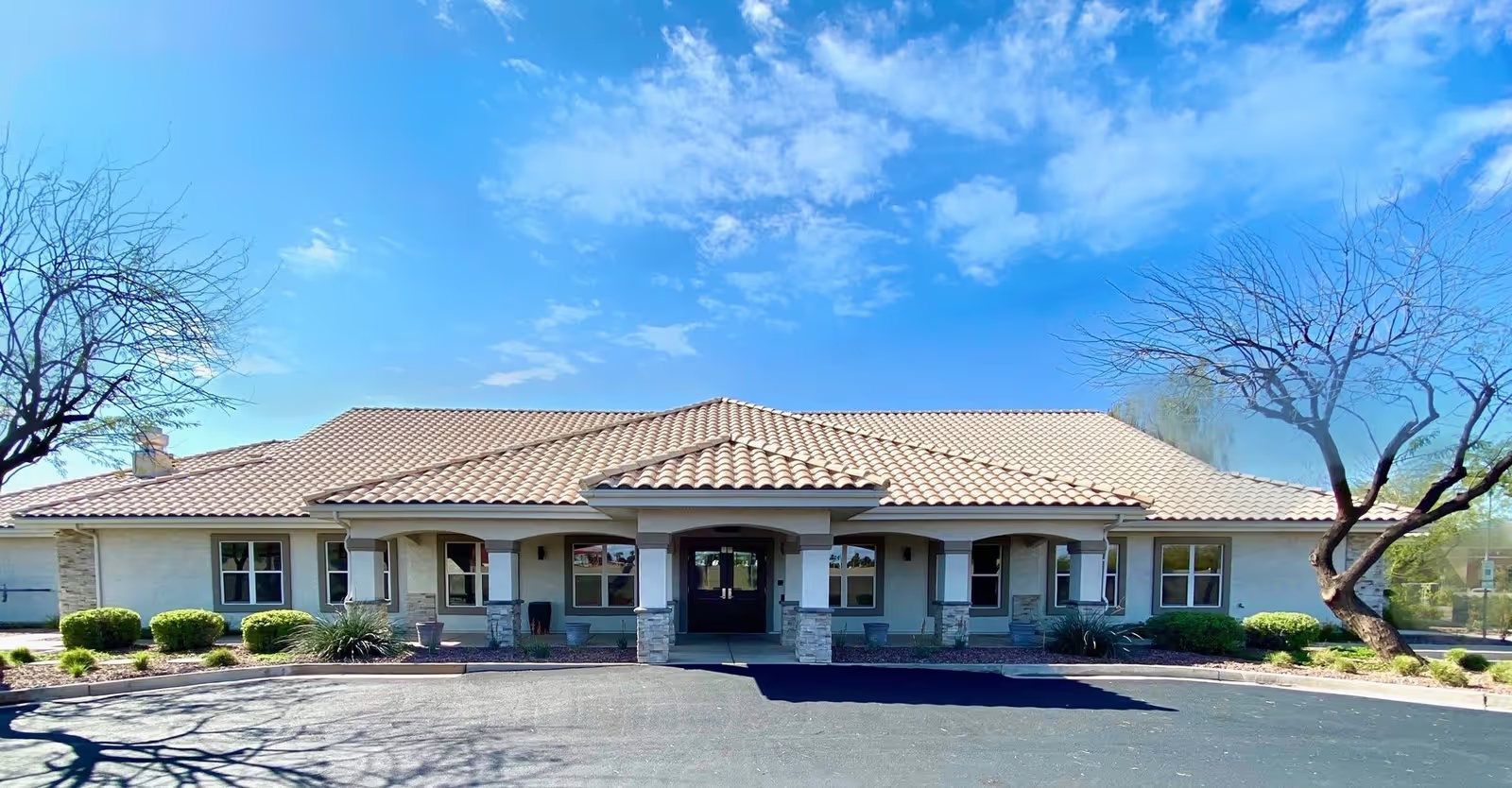
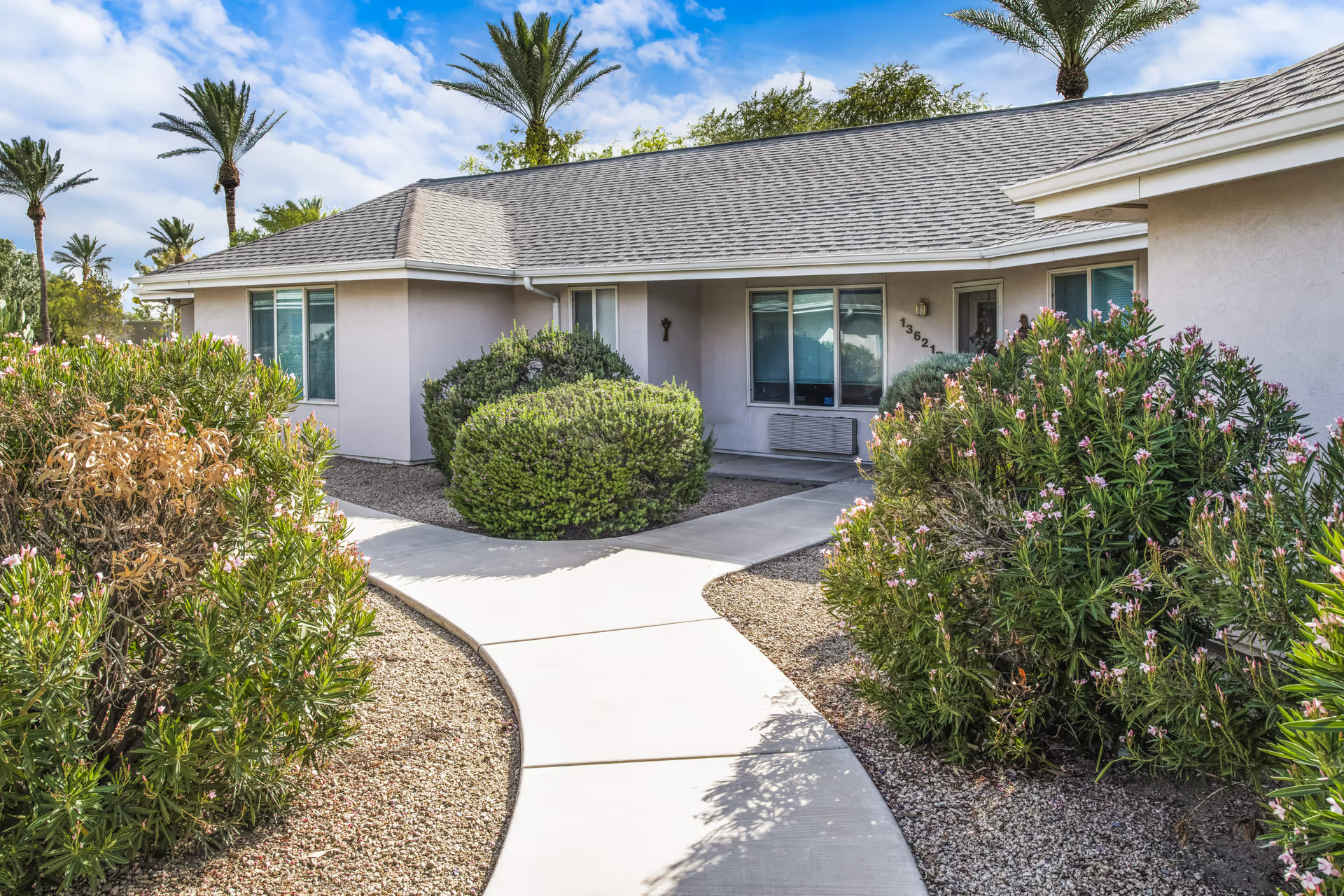
Facilities are generally described as clean and recently renovated in some areas, with private rooms and pleasant grounds. Conversely, the memory-care unit is characterized by some reviewers as dated and lacking in comfort, with odor concerns and an institutional feel cited. Slow maintenance and unmet promises about repairs or room requests (for example, flooring preferences) were noted.
Management and administration emerge as a polarizing area. Several reviewers expressed frustration with poor communication practices around critical events, including family notification processes, and concerns about billing transparency and rent increases. There are also serious claims, including allegations of theft and improper retention of personal mobility equipment; these assertions are significant and underscore the importance of verifying property-handling policies. A change in ownership was noted, with some reviewers perceiving a shift in priorities following the transition.
Notable patterns: positive experiences cluster around consistent staffing, strong activity leadership, and renovated living spaces; negative experiences cluster around medication management, staffing instability, communication failures, and administrative opacity. Prospective residents and families should arrange a tour, ask for current staffing ratios and turnover data, review medication-administration protocols and emergency-call procedures, verify policies for property handling and billing, and observe memory-care common areas in person to assess comfort and odor control. These checks can help determine whether Paseo Village’s strengths align with an individual resident’s needs and expectations.