Overall impression: Reviews coalesce around a clear strength in interpersonal care and an active social environment. Families and residents frequently describe a family-like culture driven by compassionate staff, an engaged activities director, and management that often acts personally to resolve problems. The community offers many on-site amenities and a strong activity calendar that contributes to socialization and resident satisfaction for many who seek an independent-living environment with optional assistance.
Care quality and staffing: The facility is generally characterized by attentive caregiving, visible front‑desk and concierge support, and staff who go beyond basic expectations. Several reviews praised specific staff members and leadership for effective communication, COVID‑era responsiveness, and individualized attention. At the same time, reviewers raised operational concerns that indicate variability in staffing levels and conduct: dining and activity staffing shortages were mentioned, some families experienced slow maintenance response times, and a few reviews noted communication tone or reception issues. Importantly, there are reports of residents needing higher levels of personal care than an independent living model typically provides, which creates a potential mismatch for certain residents and families to evaluate.
Dining: Dining is a prominent feature. Many reviewers compliment the chef-prepared meals, variety of choices, and dining presentation; multiple accounts describe three meals daily, chef engagement, and positive entrée options. Counterbalancing this, a recurring theme is inconsistent food quality and meal-service continuity — examples include cold plates, last-minute menu changes, short meal service windows, and limited accommodation of low-salt, low-sugar, or specialized therapeutic diets. Prospective families should verify current dining procedures, sample meals, and ask about accommodations for specific dietary requirements.
Activities and social life: Activity programming is a widely reported strength. The community provides a range of offerings — pool/aquatic classes, arts and crafts, live entertainment, outings, themed events, and social games — that many residents find stimulating and community‑building. However, some reviewers felt programing was unevenly suited to residents with differing care needs: independent, active residents sometimes wanted more variety or intensity, while memory‑impaired residents had limited specialized programming. Confirming how activities are tailored to specific resident populations is advisable.
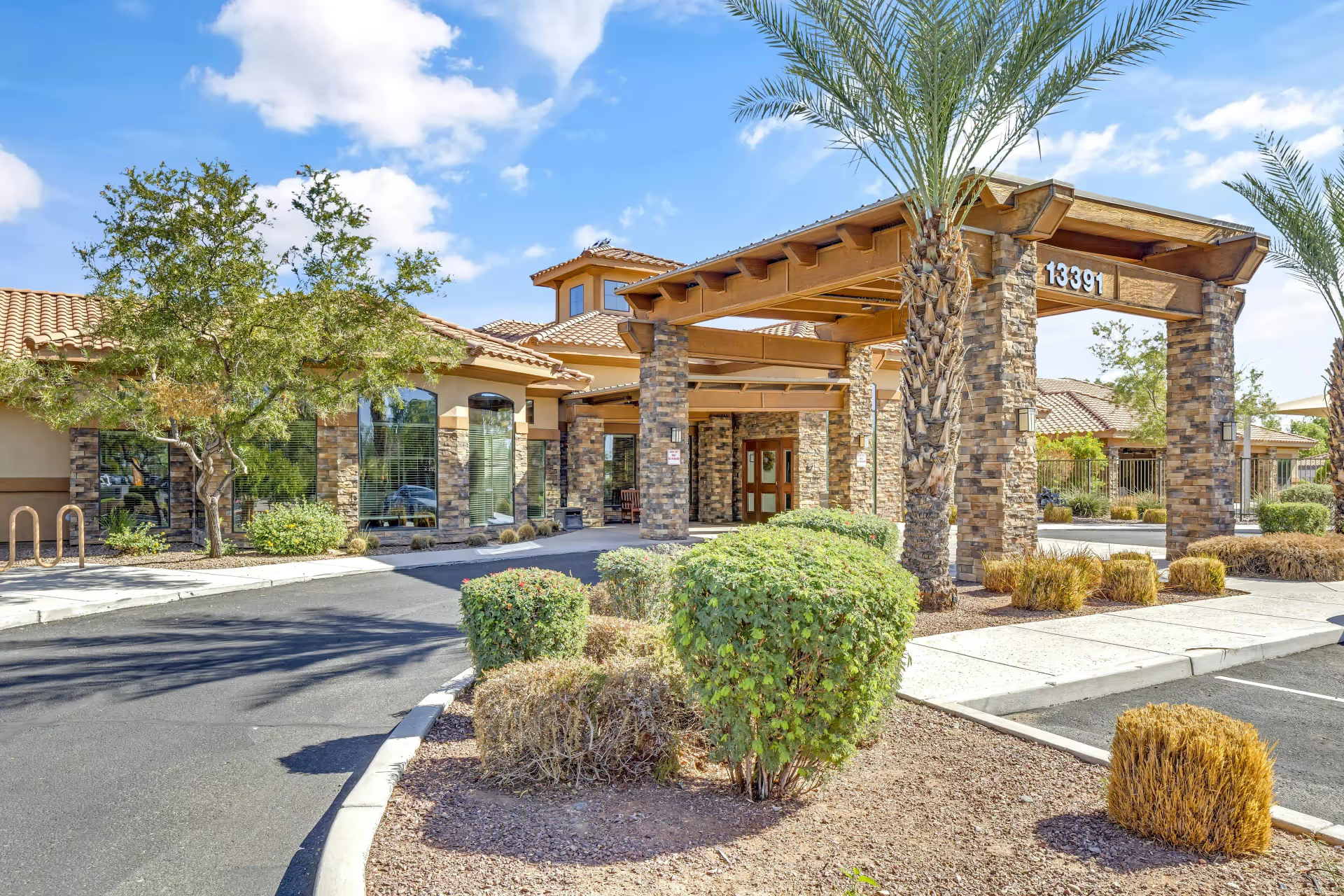
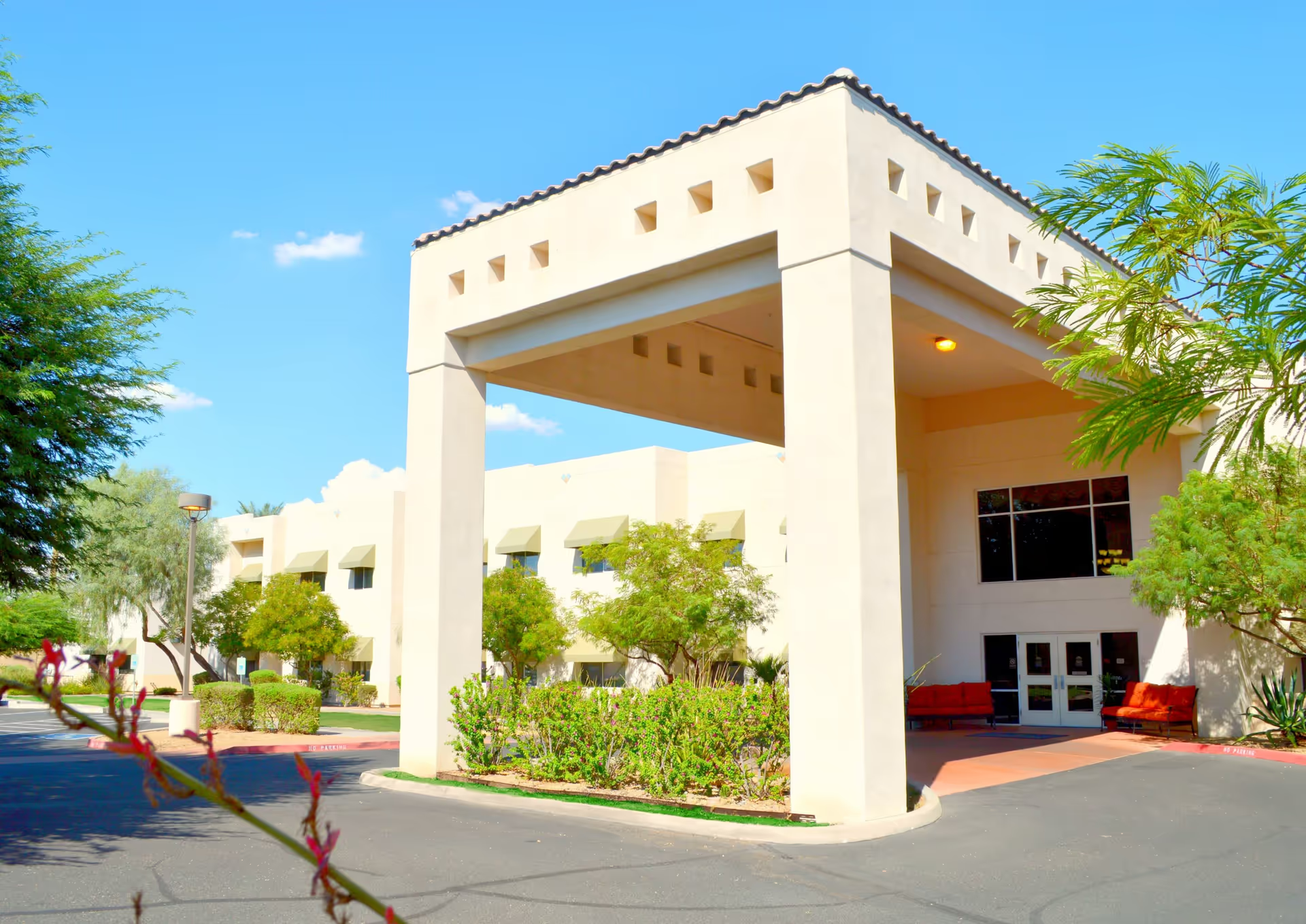
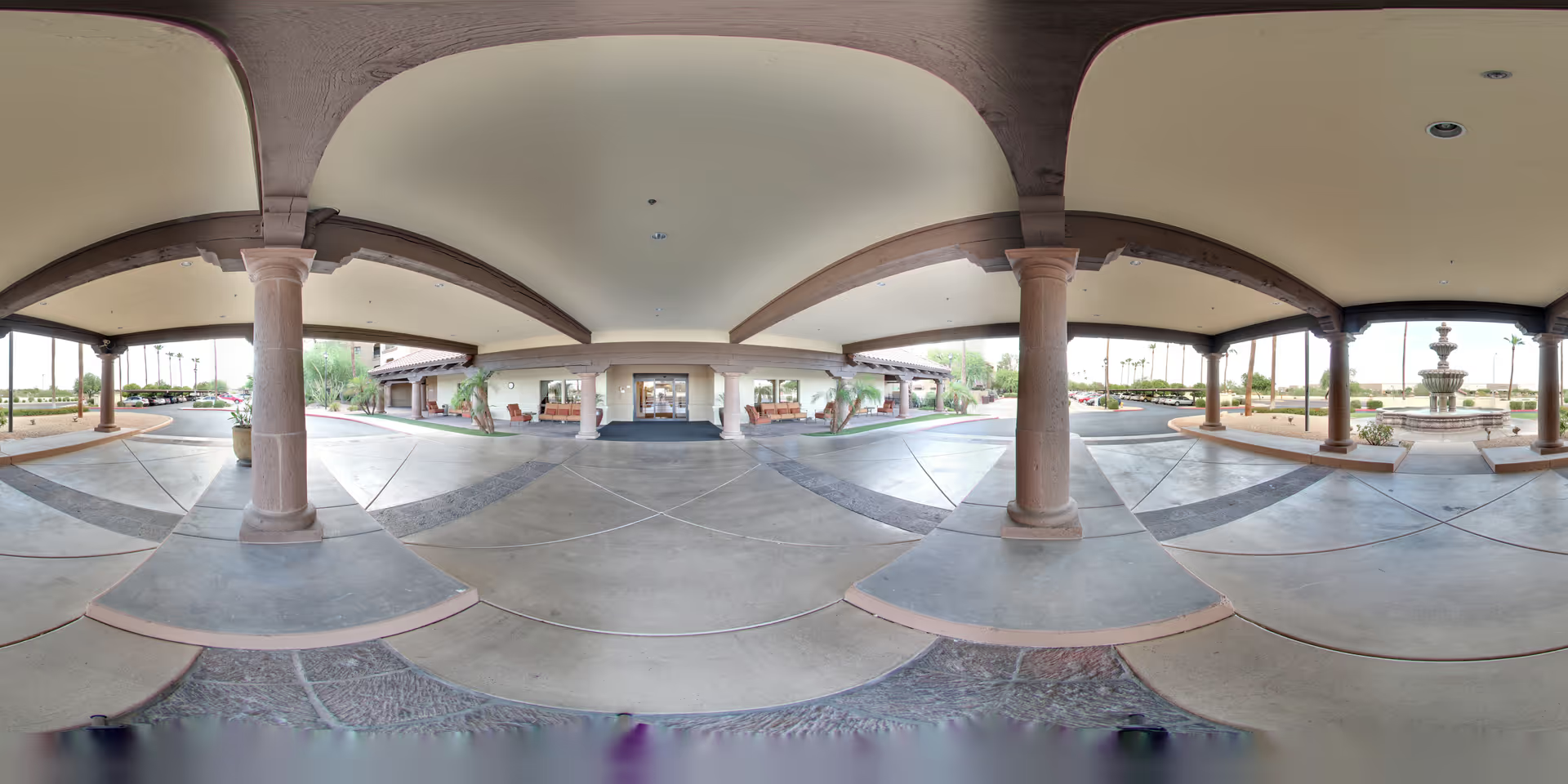
Facilities and maintenance: The campus presents a mix of recently remodeled and older areas. Many reviewers praised clean grounds, an attractive atrium, updated kitchens/windows in some units, and pleasant common areas. Conversely, recurring concerns include dated bathrooms and finishes in portions of the building, HVAC or air‑conditioning noise, elevator reliability, and occasional odor or sanitation concerns in limited locations. Maintenance responsiveness was praised in some accounts and described as slow in others. Apartment sizes and storage vary (small studios to roomy two‑bedrooms), so unit selection will materially affect resident comfort.
Management, contracts, and transparency: Management receives both commendation and criticism. Numerous families singled out leadership for above‑and‑beyond actions, strong communication, and helpful move‑in support. At the same time, several reviews raised concerns about pricing clarity, perceived aggressive sales tactics, and contract/pricing changes. There are also notes of management turnover and periodic service changes (e.g., staffing levels in dining). Prospective residents should review contract terms carefully, ask about escalation procedures for clinical and service issues, and seek clarity on pricing, meal-service hours, and level‑of‑care policies.
Notable patterns and recommendations: The strongest, consistent theme is the community’s relational strengths — staff engagement, active social programming, and a family atmosphere — which make Vista del Rio attractive for many older adults seeking social connection and basic assistance. The principal areas of caution are operational consistency: meal quality and service continuity, variable maintenance response, infrastructure age in portions of the property, and a potential mismatch between marketed independent living and the actual mix of resident care needs. When evaluating the community, prospective residents and families should (1) tour during a meal and an activity to observe staffing and service flow, (2) sample food and ask about diet accommodations, (3) inspect the specific apartment type under consideration for noise, storage, and accessibility, and (4) seek clear written terms about level‑of‑care availability and pricing to ensure alignment with the resident’s current and anticipated needs.