Overall assessment The Inn Assisted Living and Memory Support is characterized by consistently positive family impressions of clinical care, staffing, and day-to-day operations. Reviews emphasize an attentive, compassionate care culture with 24/7 nursing availability, daily leadership rounds, and individualized care planning. Memory-care services are described as well developed, with a dedicated unit and staff who know residents by name; families report high satisfaction with safety and the quality of assistance provided.
Staff and management Staff quality is the facility's most frequently cited strength. Caregiving, nursing, activities, and support personnel are described as responsive, kind, and culturally diverse. Administrative leaders are noted as visible and familiar with residents, supporting coordination between independent, assisted, and memory-care levels. Low turnover and active family collaboration are recurring themes, contributing to continuity of care and smoother transitions when a resident's needs change.
Dining and activities Dining is reported as nutritious and reliable, with three meals included and an on-site deli/dining room option. Reviewers often praise food quality and meal presentation. Programming is varied and frequent: live music therapy, chair exercises, card games, movies, sing-alongs, bingo, organized events such as Miles for Minds, and incentive-based activities. Staff encourage participation, and organized events are generally described as engaging and well run, which families view as beneficial for resident well-being.
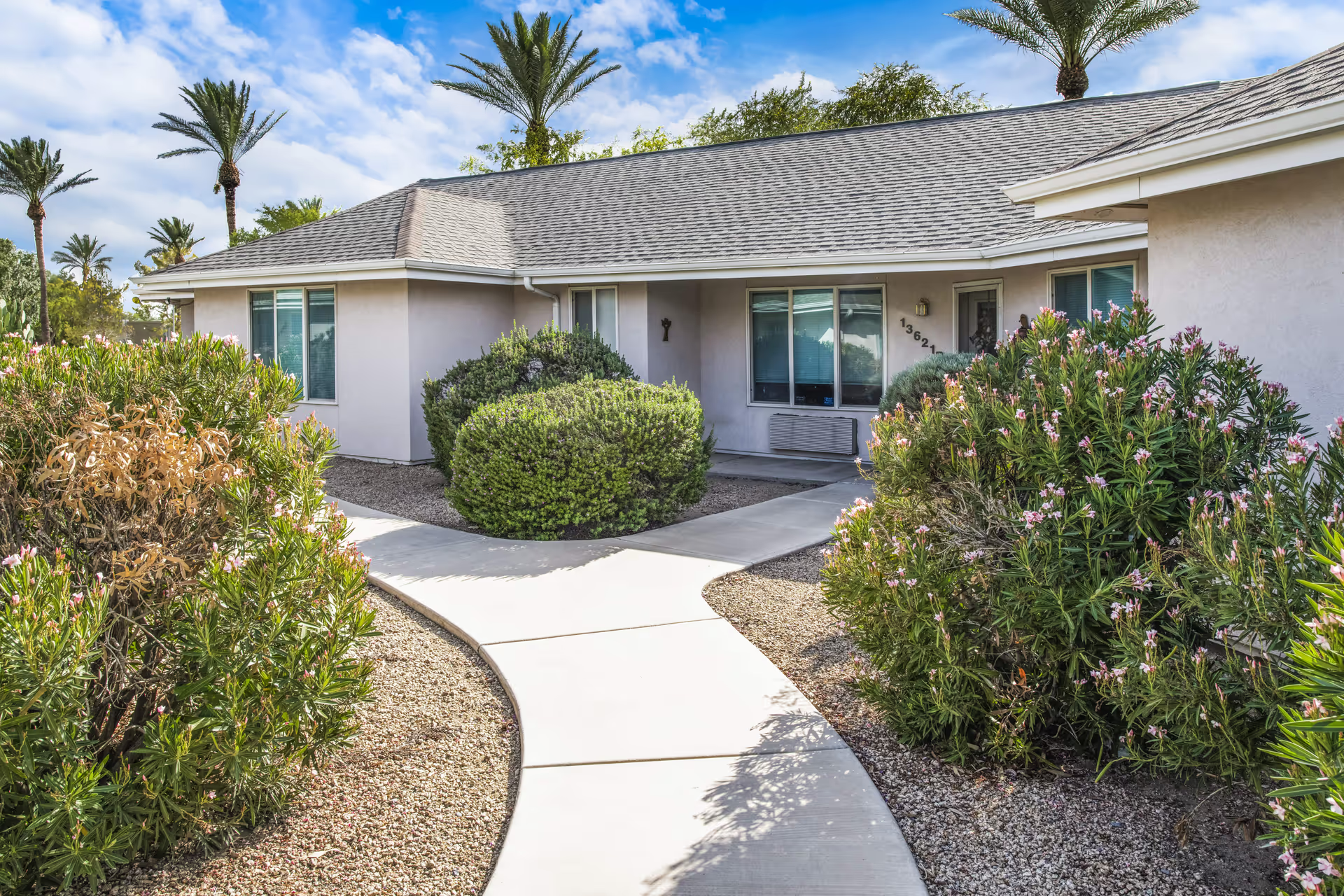
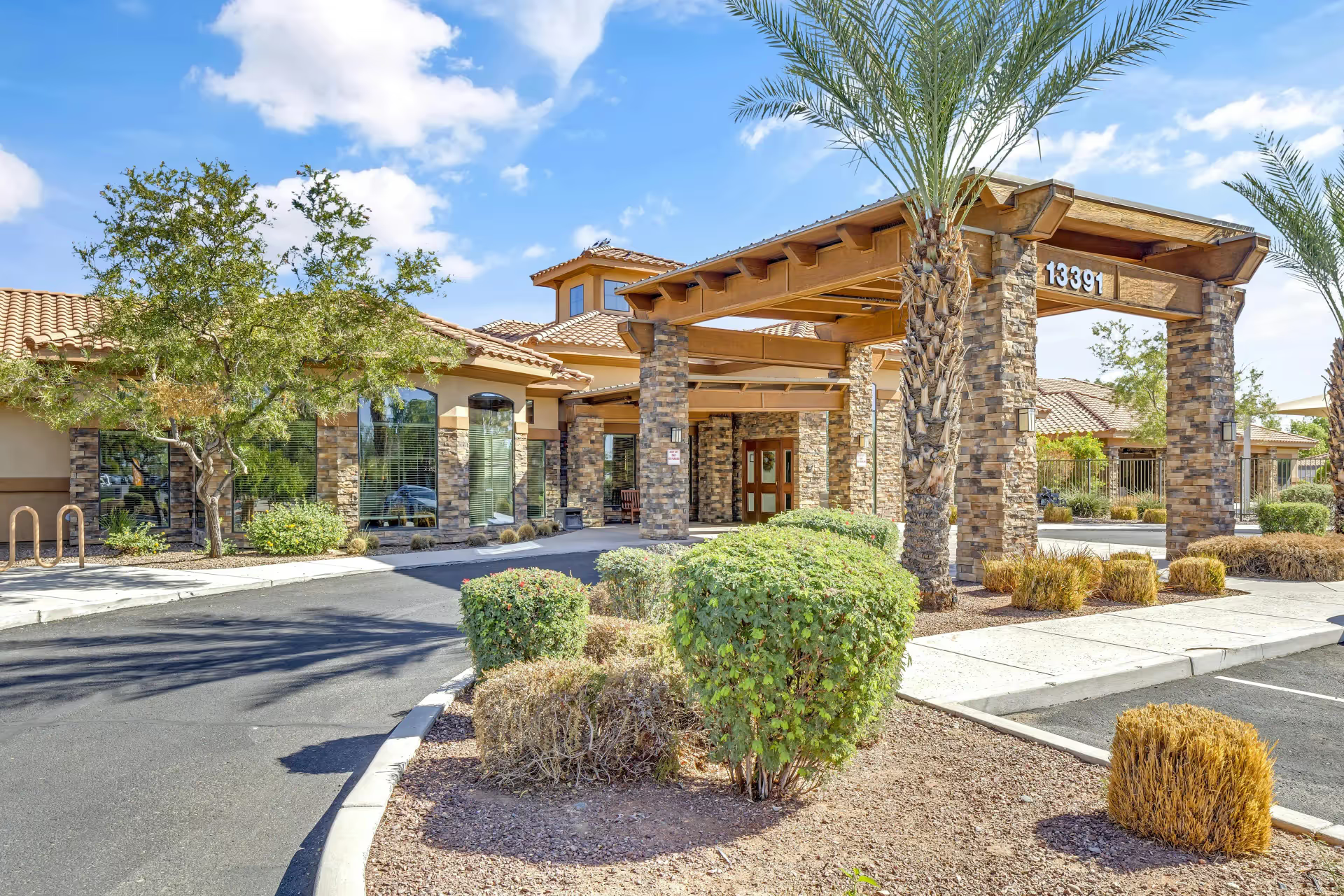
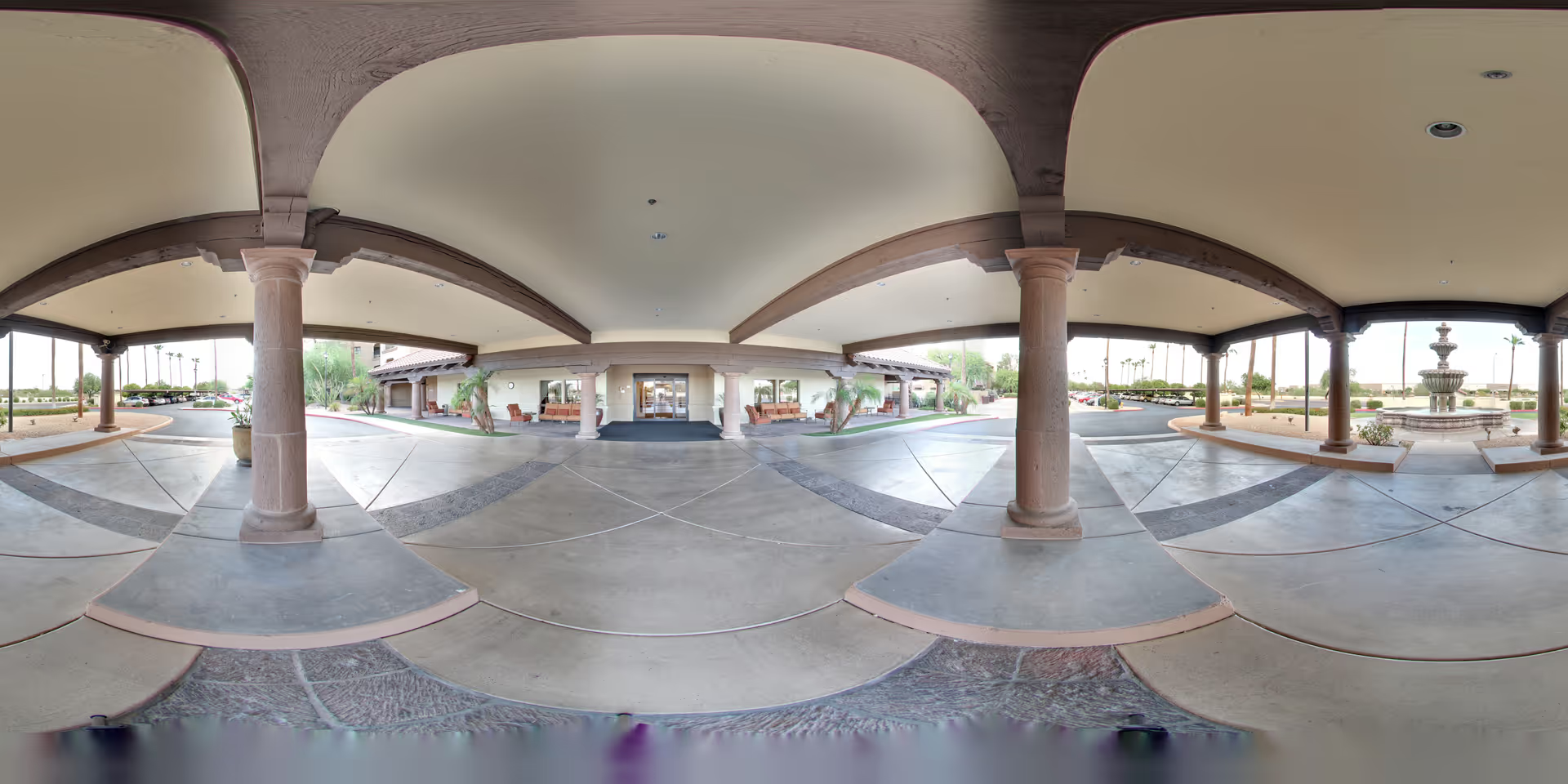
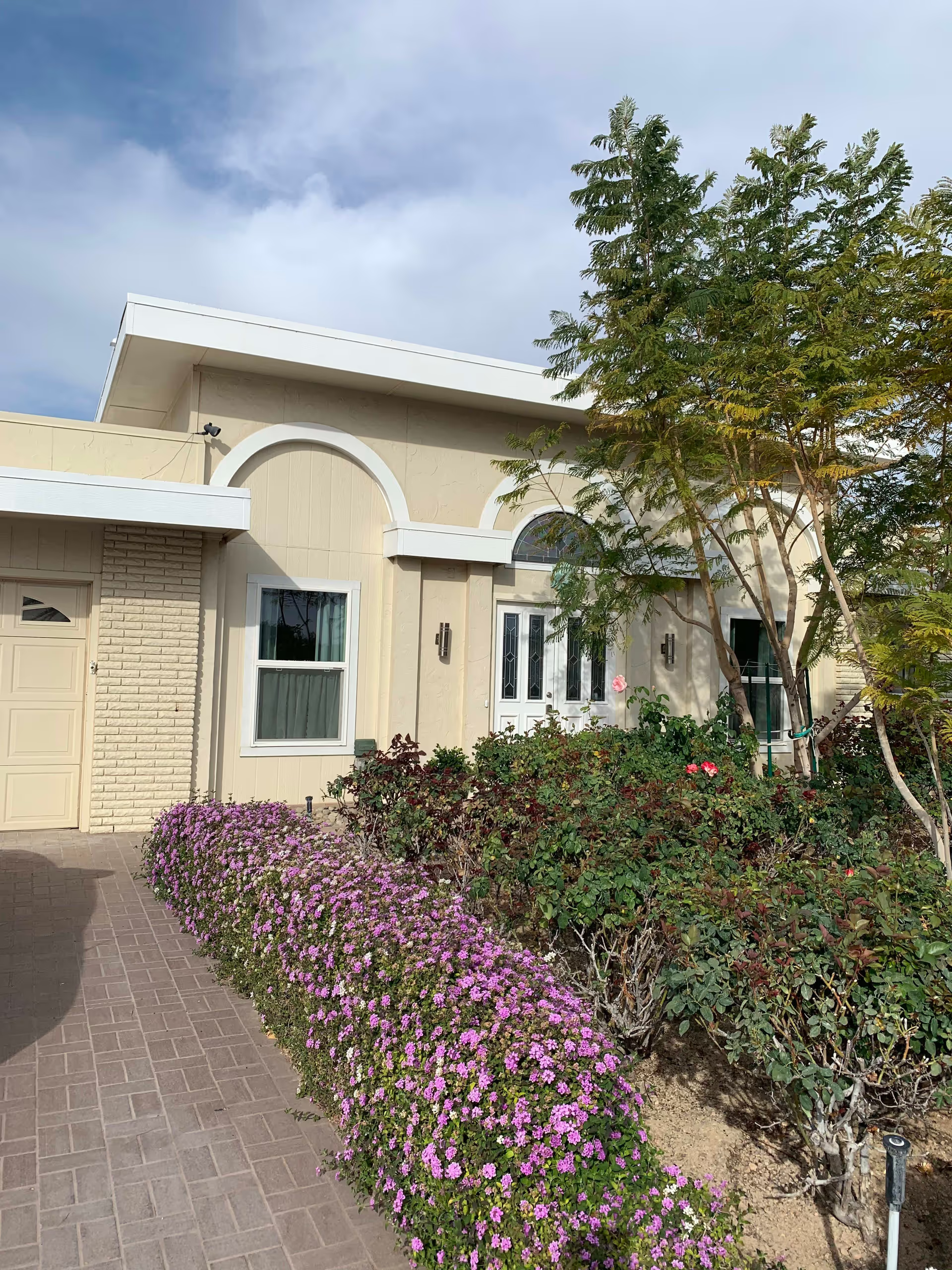
Facilities and clinical supports The building and common areas are described as clean, inviting, and well maintained. Private apartments vary in size; some units include a small kitchen and walk-in shower, while others are noted as compact, so spatial constraints are a consideration. On-site clinical supports such as physical therapy and access to physicians are cited positively, particularly in the memory-care wing where space and programming are described as ample.
Operational patterns and cautions While the overall tone is favorable, several operational patterns emerge as potential concerns for prospective residents and families. There are instances of scheduling rigidity (notably around meal times) and intermittent gaps in activity staffing (for example, occasional exercise-instructor no-shows). A change in management was associated with brief periods of perceived coldness in staff interactions for some families, suggesting that transitions in leadership can temporarily affect service tone. These issues appear to be operational and scheduling in nature rather than systemic clinical failures.
Practical considerations Prospective families should consider asking about apartment-size options and availability, current activity staffing and contingency plans, and meal scheduling flexibility during tours and admissions discussions. Overall, the facility's strengths in staffing, memory care, clinical supports, dining, and programming make it a strong candidate for people seeking an engaged, supportive assisted-living or memory-care environment, with the caveat of confirming operational details that matter to individual residents.