Care quality: Reviewers predominantly describe reliable, hands-on care characterized by attentive staff, frequent monitoring, and specific clinical competence (for example, seizure management). Several comments highlight gentle, consistent assistance and success supporting residents with behavioral-health goals such as sobriety. At the same time, there are indicators of uneven care consistency that prospective families should evaluate directly during a visit.
Staff and staffing: The facility is commonly described as staffed by kind, respectful, and professional caregivers; ownership is often called hospitable and family-oriented. These positive staff attributes are repeatedly cited as a reason families feel comfortable placing a loved one. Conversely, there are isolated concerns about staff or owner conduct and communication style; these suggest variability in interpersonal interactions and underscore the value of observing staff–resident exchanges and asking about staff training and supervision.
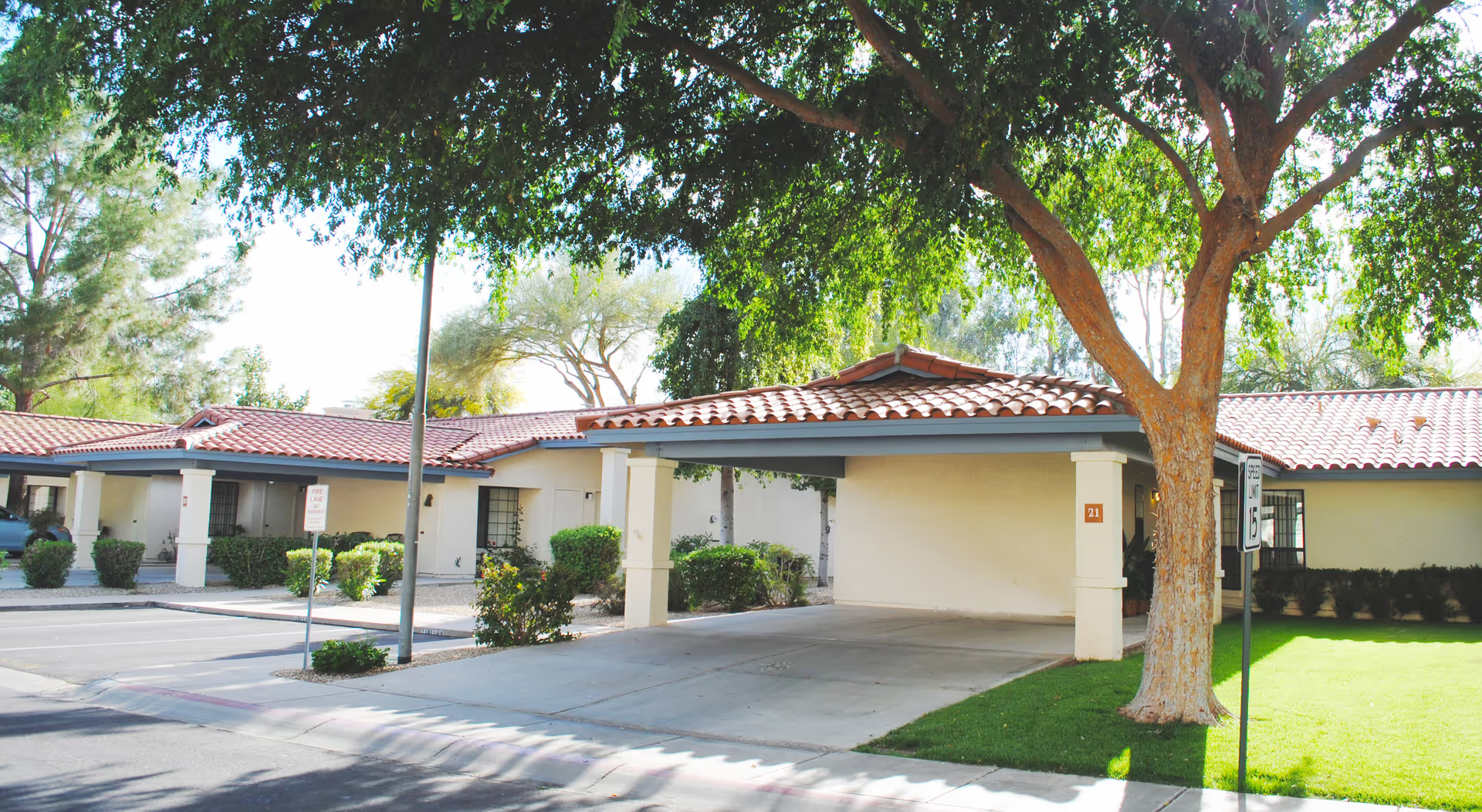
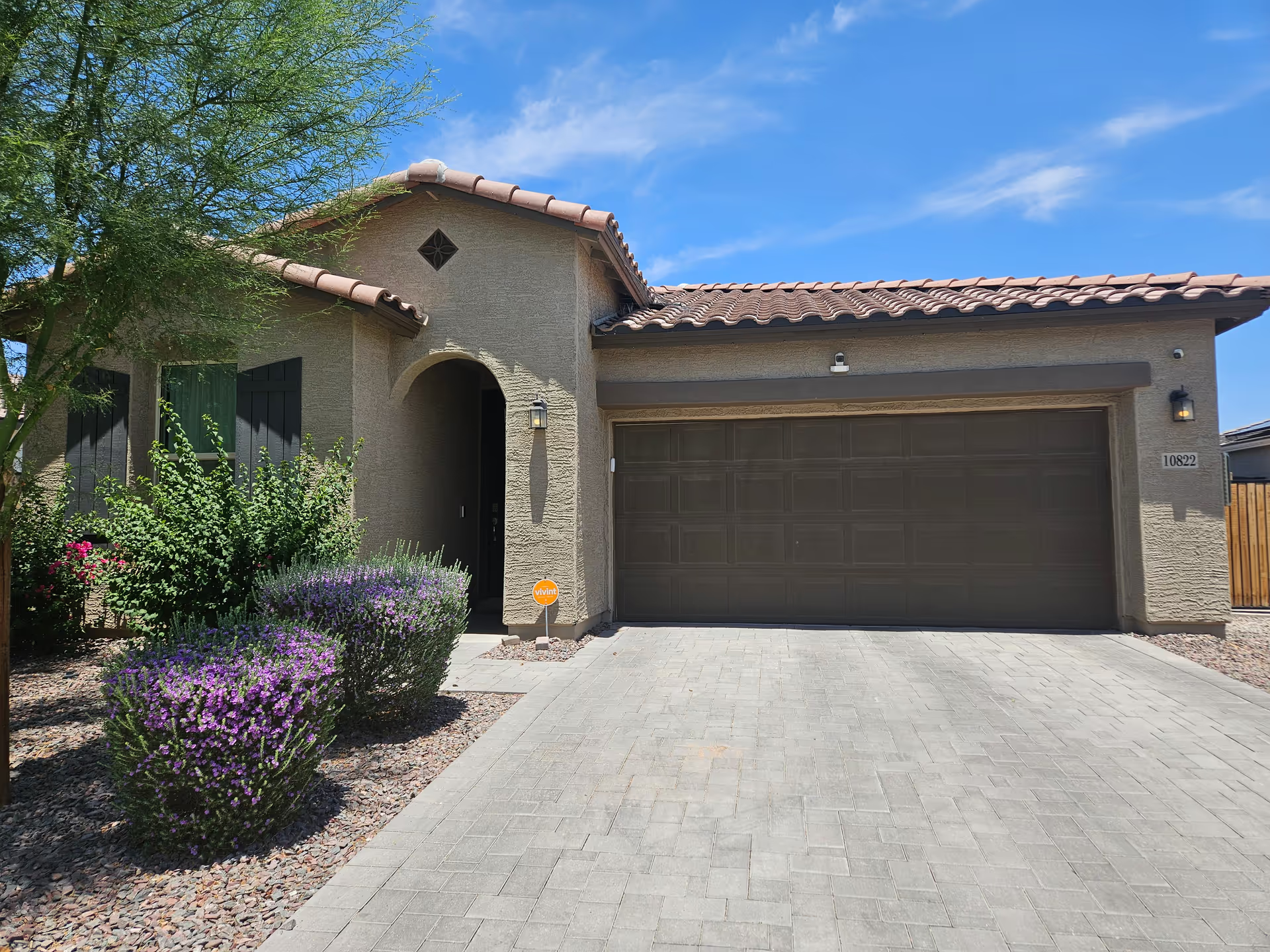
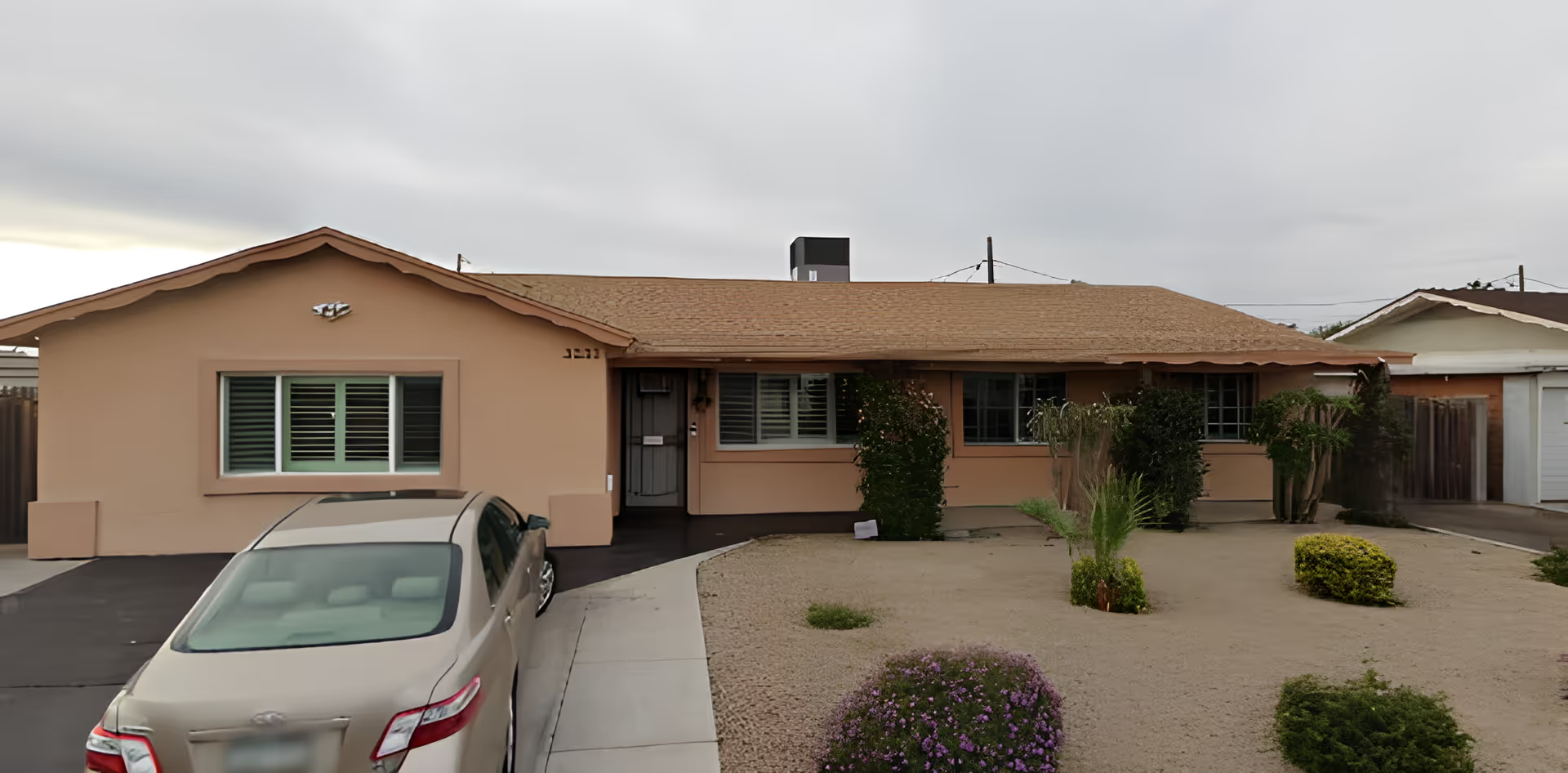
Dining, activities, and facilities: The environment is consistently portrayed as home-like and comfortable, with informal recreational touches cited (examples include treats and streaming entertainment). Reviewers mention small-group, family-style interactions rather than an institutional activity program. There is limited review detail about formal meal plans or therapeutic activities, so families should inquire about menu options, special-diet handling, and the regular activity schedule during a tour.
Management and operational patterns: Ownership involvement appears strong and creates a family-oriented culture for many residents, which some families find highly supportive. However, one significant concern raised involves transfer difficulties; operationally this maps to potential gaps in transfer coordination, documentation, or safety practices. Prospective families should request information about transfer protocols, staffing ratios, emergency procedures, and how the facility communicates with family members and outside providers.
Notable patterns and recommendations: Overall impressions are positive, with frequent praise for compassionate caregiving and specific clinical strengths. The notable negative feedback centers on conduct and transfer coordination rather than facility infrastructure. When evaluating Desert View Adult Care Home, visitors should observe staff–resident interactions, review clinical protocols for seizures and transfers, ask about staff continuity and training, and seek family references to assess consistency over time.