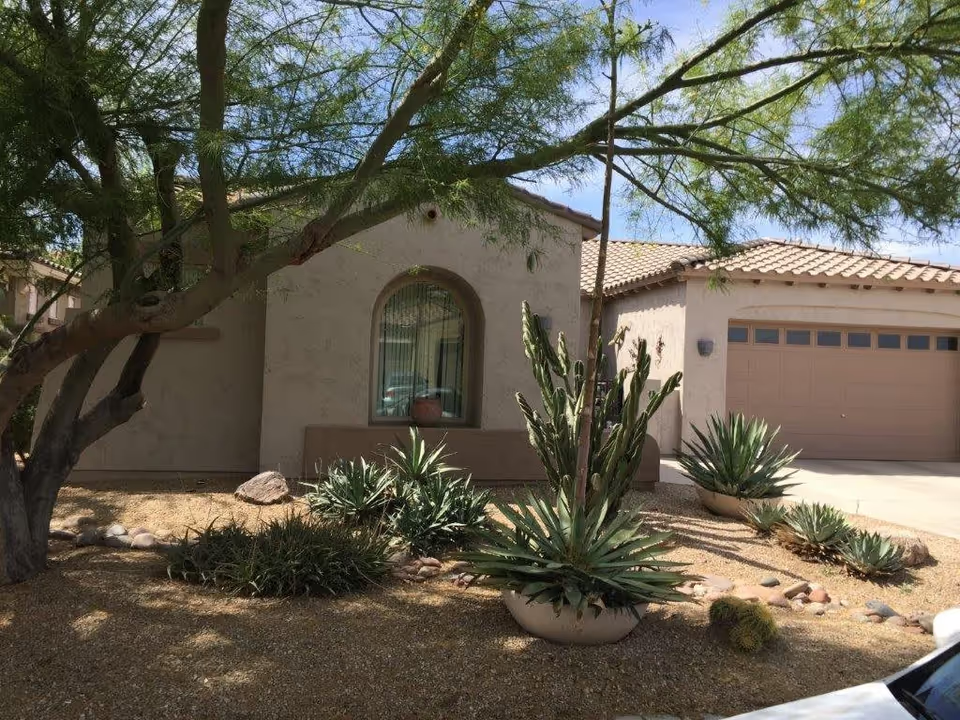
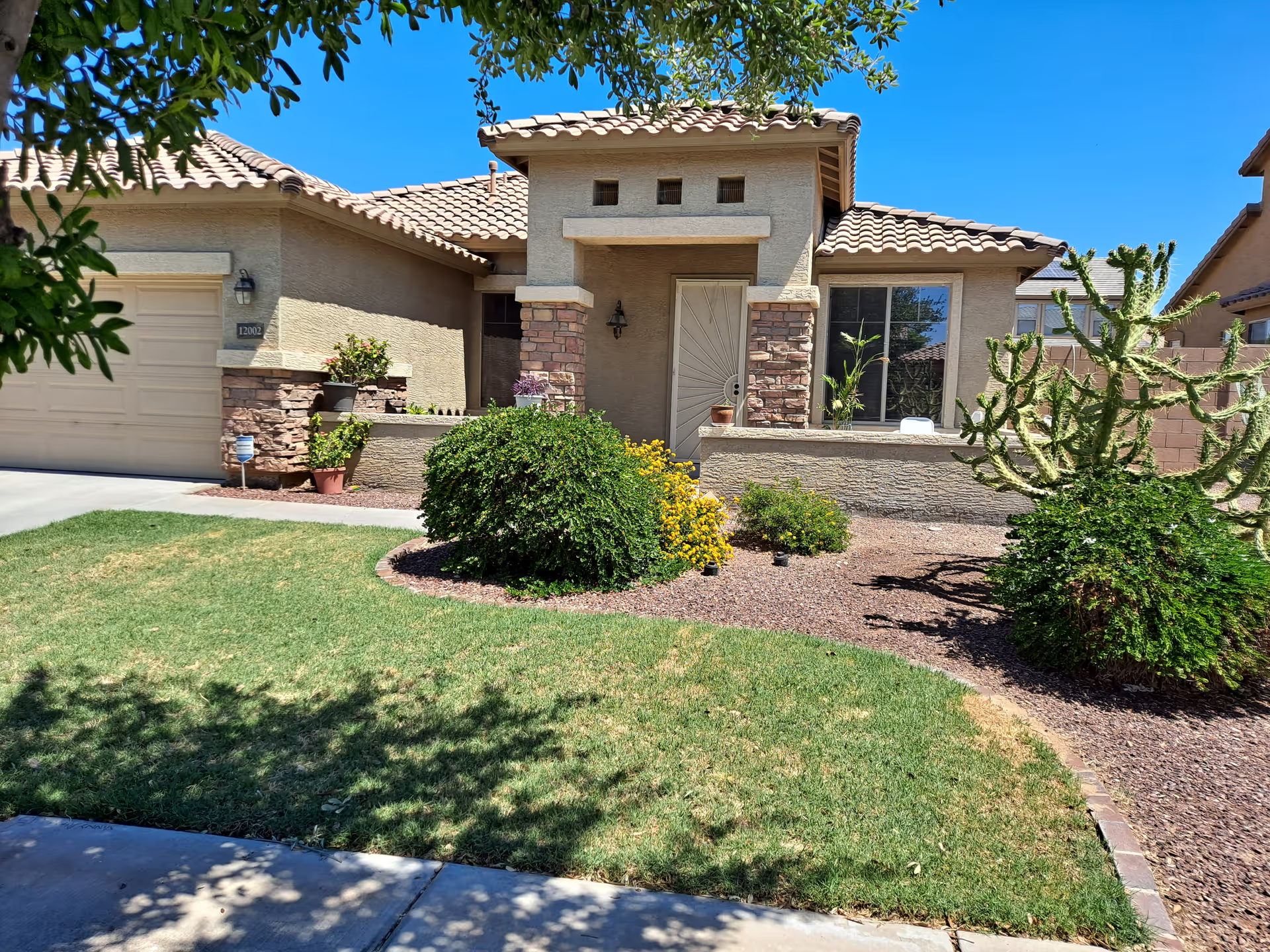
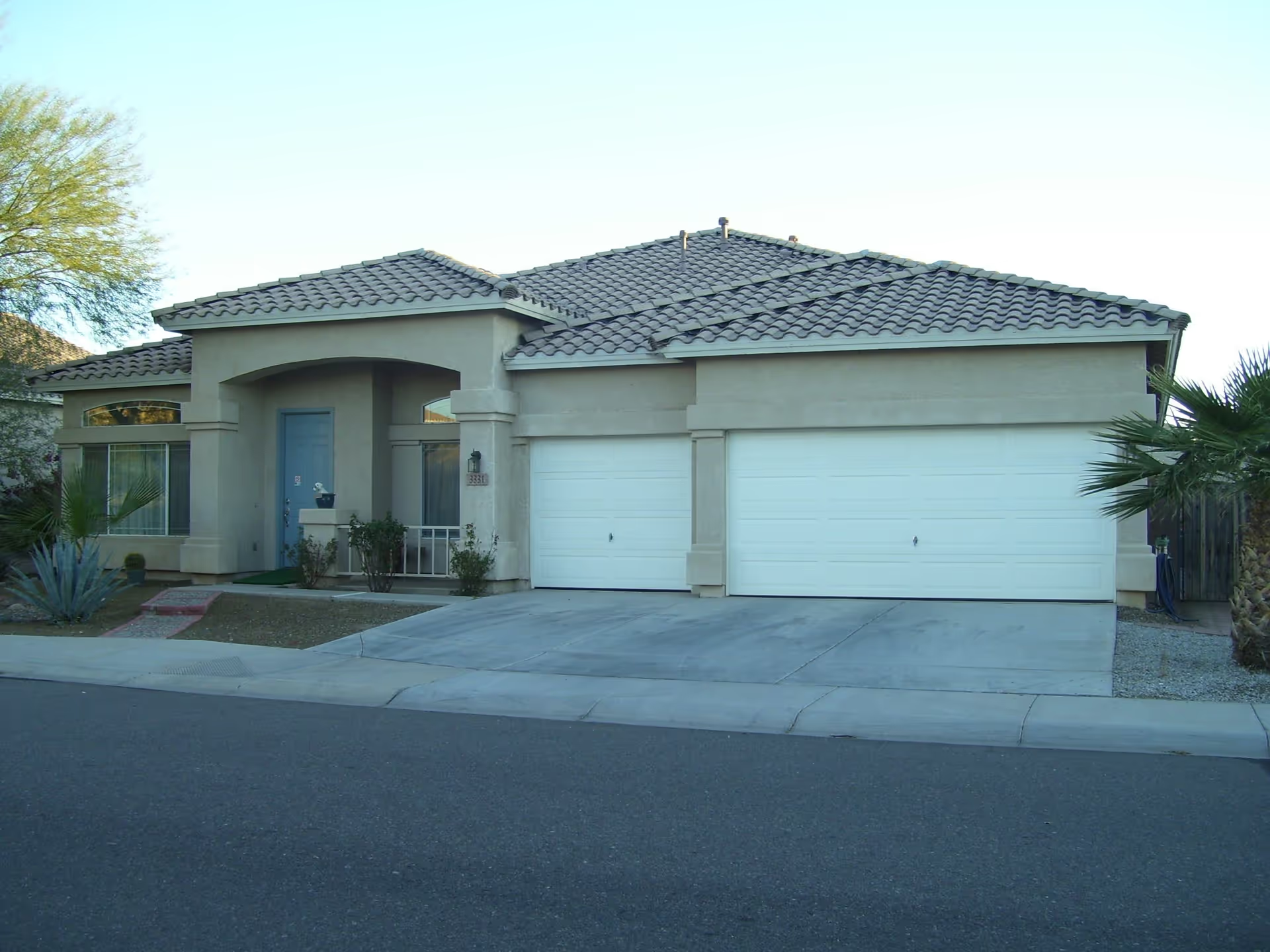
The reviews present a mixed but predominantly negative picture of Gibson Lane Assisted Living, with a cluster of operational concerns balanced by recent changes in ownership that some families view as promising. Recurring themes include unclear or misleading communications about licensing and insurance acceptance, problems with billing and refunds, sanitation and odor concerns in communal spaces, and questions about resident placement and safety during transitions. At the same time, several comments note that a new owner has taken over and is outlining plans to renovate the property and expand activities.
Care quality appears uneven and concentrated around the admission and transition period. Several families described abrupt moves or early discharges and noted limited clinical follow-up immediately after admission. There are also expressed worries about how resident acuity is matched to the home’s capabilities; reviewers signaled that some residents may not have been appropriately placed for their needs. These patterns suggest gaps in intake assessment, transfer-safety practices, and post-admission clinical oversight that prospective families should evaluate directly.
Staff-related feedback is conflicted. Multiple accounts describe poor customer-service responsiveness and inconsistent family communication, particularly around licensing, insurance, and billing questions. Conversely, the incoming ownership and some onsite staff were described positively, with an expressed desire to improve operations and resident life. Overall, there is a perception of staff strain and inconsistent communication during the recent ownership transition rather than uniformly poor interpersonal conduct.
There is little substantive information about dining quality in the supplied summaries; reviewers did not provide detailed comments on meals, menu variety, or nutritional practices. Prospective families should request sample menus, observe mealtime service, and ask about dietary accommodations during tours.
Activities and facilities emerge as split areas. Several comments praise current or planned resident activities, and the new owner is said to be planning property improvements. At present, though, the physical environment has been criticized for sanitation and odor concerns in common areas and for a general need for refurbishment. These facility issues, together with the concerns about resident-mix and safety, indicate that the property may be in transition and that physical upgrades will be an important part of any improvement plan.
Management and administrative practices are the most significant pattern in the reviews. There are strong complaints about misleading statements concerning licensing and insurance acceptance and about inconsistent handling of deposits, rent charges for short stays, and withheld refunds—allegations of false licensing claims and withheld refunds appear in the accounts. The new ownership has publicly committed to resolving insurance and licensing items by a stated target date and to undertake property fixes, but operational instability during the transition remains a concern for families seeking predictable admissions and reliable financial and regulatory practices.
For prospective residents and families: verify licensing and insurance acceptance directly with regulatory authorities and insurers; obtain clear, written contract terms about deposits, billing, and refund policies; conduct an in-person tour focused on cleanliness, odor, and resident acuity mix; observe staff–resident interactions and mealtime; and ask for a written plan describing how the facility manages transfers, clinical follow-up after admission, and changes in ownership. Given the patterns in these summaries, those steps will help determine whether current management improvements have been implemented and whether the facility is appropriate for a particular level of care need.