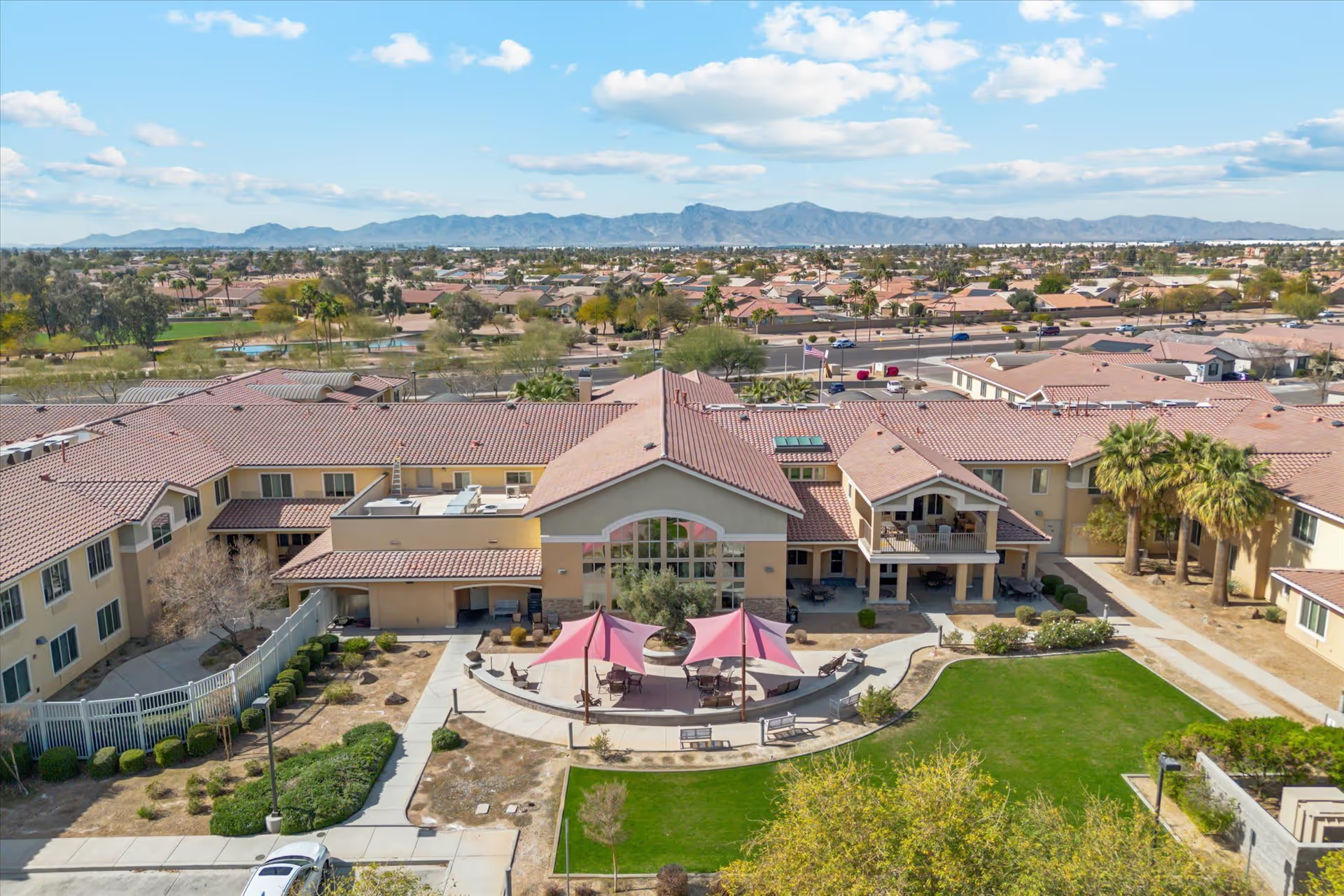
Legacy House of Avondale presents as a modern, hotel‑style assisted living community with many strengths in hospitality, dining, and interpersonal care. Commonly cited positives include a warm, family‑like atmosphere, an executive chef who prepares scratch meals and interacts with residents, and a leadership team that is generally accessible during admissions and outreach. Apartments and common areas are described as clean, well maintained, and thoughtfully appointed; maintenance and housekeeping services are frequently praised. The community also markets a monthly fee that bundles meals, some utilities, transportation and laundry for linens, which multiple families found to be good value relative to peers.
Care quality and staff interactions are frequently highlighted as a core strength. Reviewers emphasize compassionate, personable caregivers, individualized attention, staff who greet residents by name, and effective move‑in support that eases transitions. Memory care and end‑of‑life support receive positive mention where applicable. The community offers on‑site medical visits and coordination with clinicians, which families found convenient, though there are occasional notes of difficulty in communicating with outside physicians.
Dining and programming are clear focal points. Many reviewers praise the variety, portion sizes, and the presence of a chef who engages with residents; daily specials, scratch cooking and special events (for example holiday or Mother's Day brunches) are repeatedly noted. At the same time, staffing constraints appear to impact dining operations: families describe slow order taking, food arriving cold or late at times, inconsistent bussing, and a need for additional restaurant‑floor training. The activities program is broad — exercise classes, bingo, movies, happy hours and outings — but resident participation can be uneven and some families attribute limited engagement to staffing or scheduling issues.
Several operational patterns warrant attention. A recurring theme is inconsistent staffing levels and relatively high turnover, producing strain on nursing and service coverage; reviewers linked this to slower response times, longer waits for meals or services, and occasional gaps in follow‑up after incidents. A small number of severe individual incidents raised concerns about emergency response timeliness and subsequent family communication; these are described as isolated but meaningful to those affected. Other pragmatic concerns include limited transportation availability for medical appointments, variability in housekeeping/cleanliness practices, occasional issues with personal‑property handling, and the need for clearer billing transparency for short stays or interim charges.
In summary, Legacy House of Avondale is frequently described as a warm, well‑appointed community with strong hospitality and a kitchen that many residents enjoy. Prospective residents and families who prioritize atmosphere, dining, and an engaged caregiving culture will likely find many strengths here. Those for whom clinical nursing coverage continuity, rapid emergency response, consistent dining‑room service, or frequent transportation to off‑site medical appointments are top priorities should ask specific questions about current staffing levels, emergency protocols, transportation schedules, staff training programs, and billing practices during their tour. Requesting recent staffing metrics, sample activity calendars, dining‑service workflow descriptions, and examples of post‑incident communication practice will help families gauge whether the community’s current operational practices match their expectations.