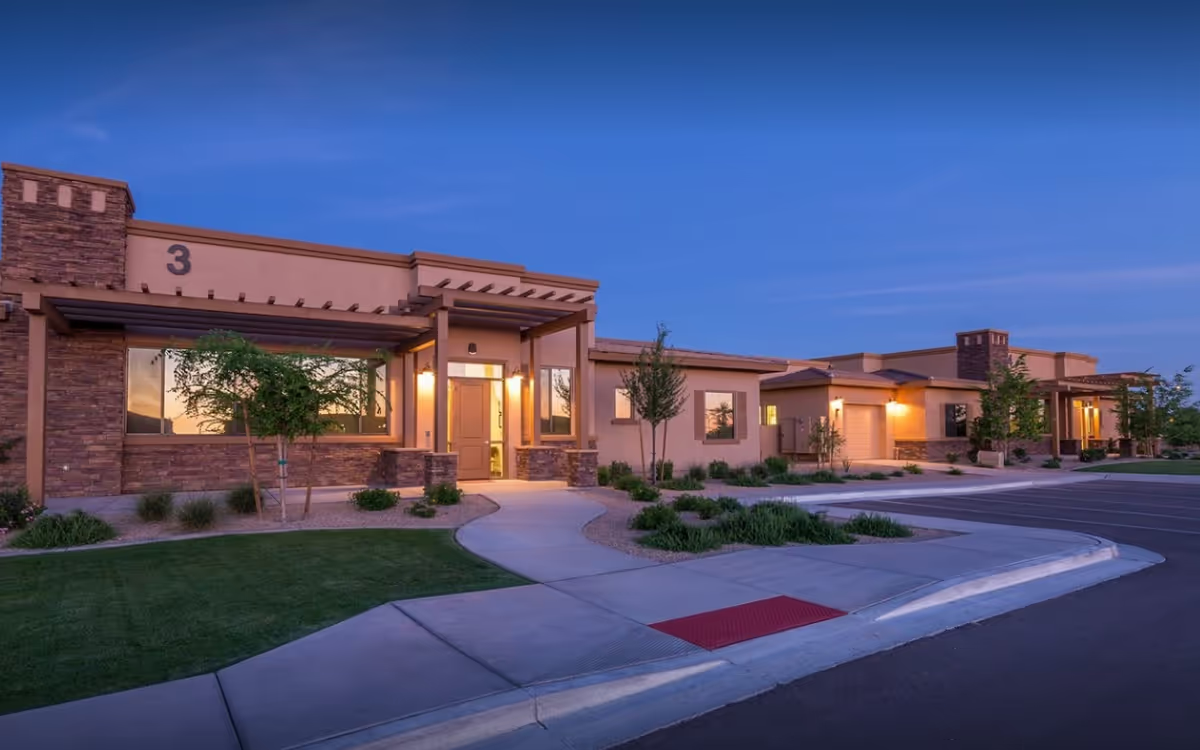
Overall impression: The Groves presents as a modern, well-appointed assisted living and memory-care community with many consistently praised amenities and a strong emphasis on social programming. Reviewers frequently note a clean, bright environment, extensive common areas (salon, theater, exercise room, multiple fireplaces, courtyard), and a broad menu of activities that encourage resident engagement. Move-in coordination and welcome processes are often described as smooth, and several staff members are repeatedly named for positive interactions during tours and transitions.
Care and staff: Staff behavior is a prominent strength in many accounts. Families and residents describe compassionate, attentive caregivers, med-techs, and front-desk personnel who learn residents' names and engage socially. At the same time, an important pattern emerges around staffing stability: reviews indicate periods of adequate, engaged staffing as well as episodes of understaffing and high turnover. Those staffing inconsistencies are linked to concerns about delayed responses to resident needs, variable assistance levels at night, and uneven clinical follow-up after incidents. Communication with families and with outside medical providers is generally effective in many cases, but there are also documented care-coordination gaps and at least one noted medication-timing/communication issue.
Dining: Dining is a mixed but central feature. The facility’s restaurant-style, anytime dining (typically 7:00 a.m.–7:00 p.m.) and an involved chef earn repeated praise for menu variety, presentation, and special events. Conversely, there are recurring reports of inconsistent meal quality, occasional missed or late meals, and restock delays in the dining room. Those discrepancies appear to correlate with staffing or operational changes in the kitchen and have contributed to divergent family assessments of value and satisfaction.
Activities and social life: Activity programming is a clear strength when fully staffed and supported. Residents are described as socially active, with regular offerings such as bingo, church services, exercise, crafts, field trips, live music, and holiday events. Multiple reviewers credit the community with reducing loneliness and encouraging participation. However, some accounts describe reductions or cessations of outings and library access following management or operational shifts, indicating that program robustness may be sensitive to budgetary or staffing decisions.
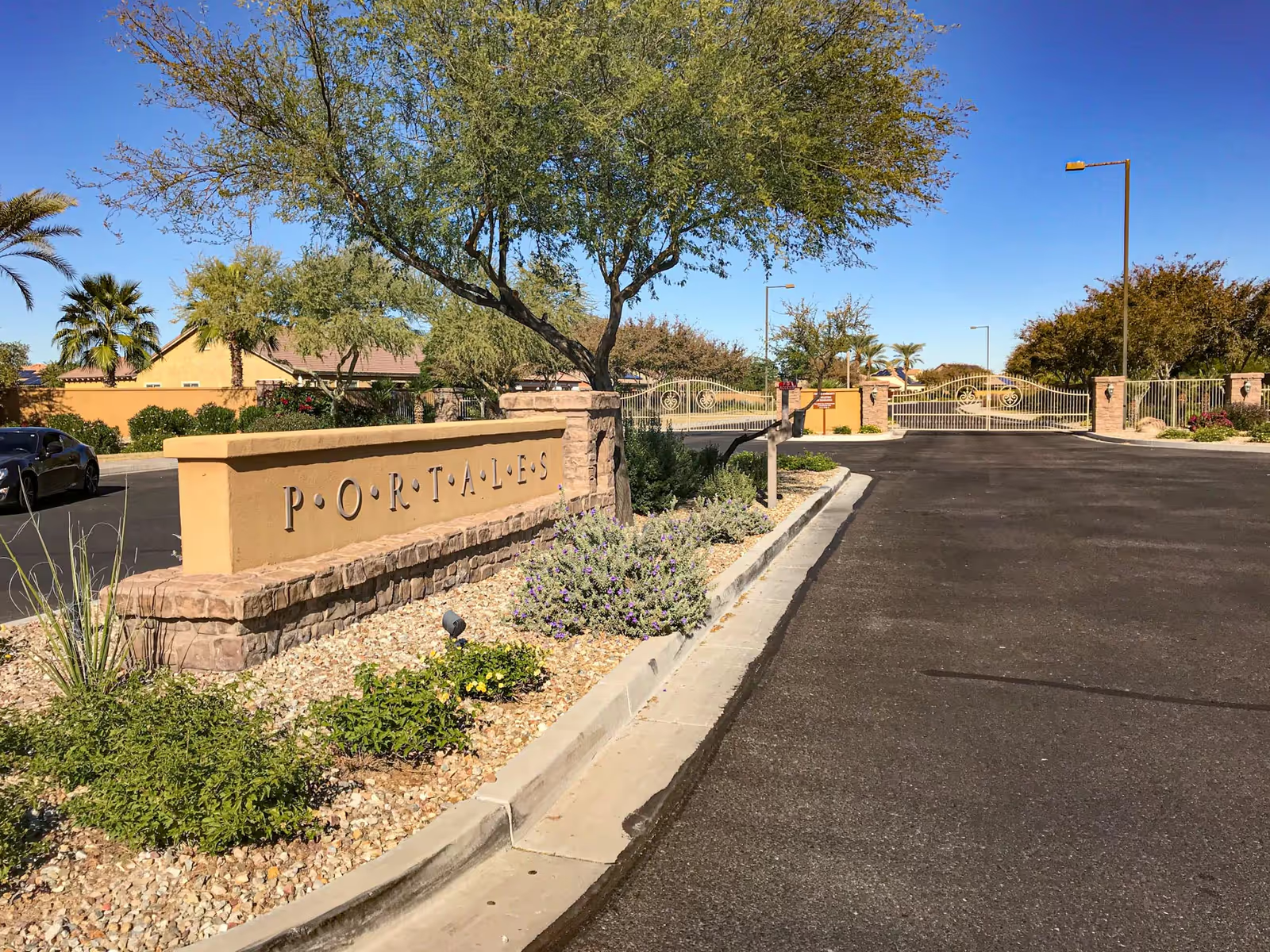
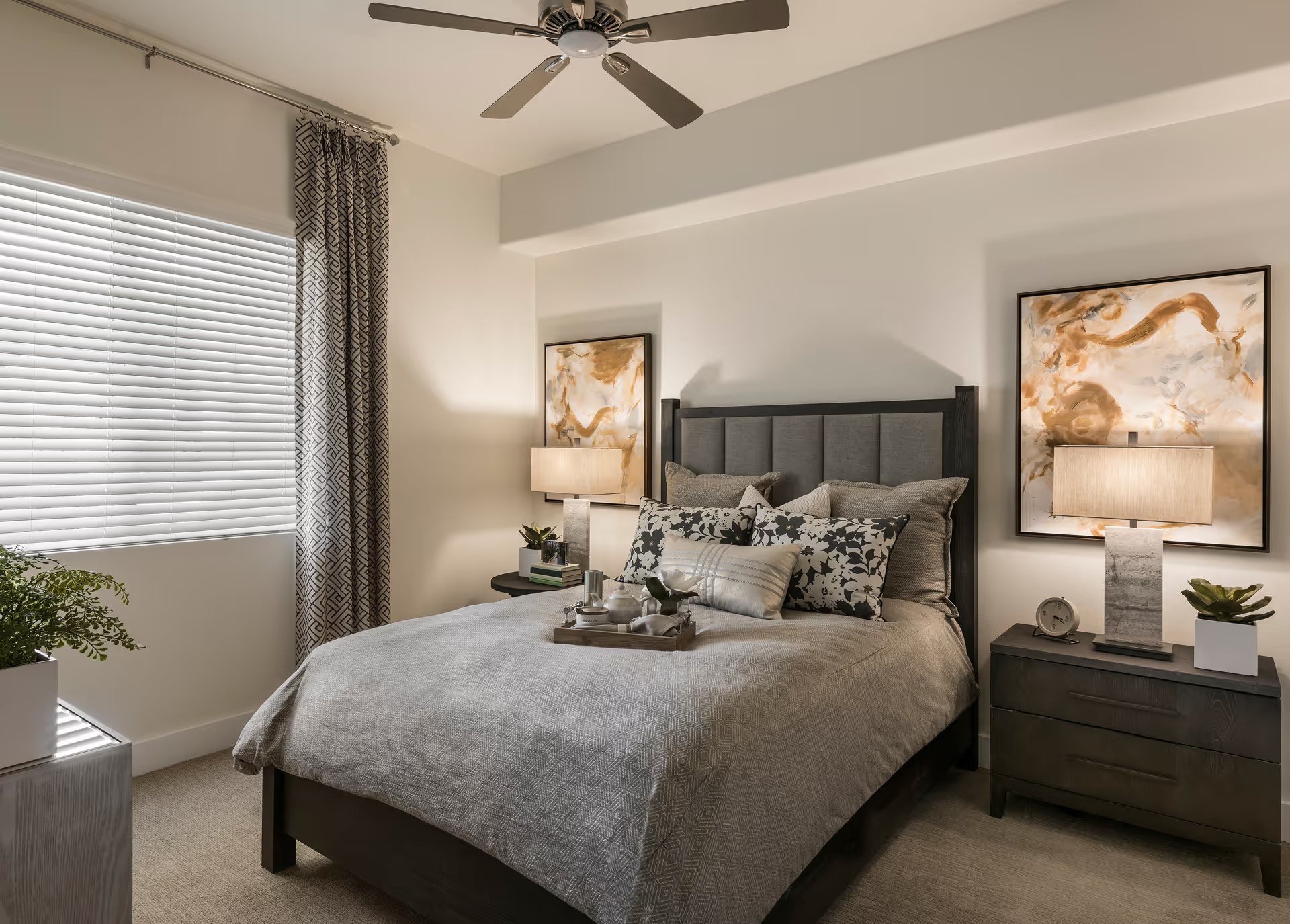
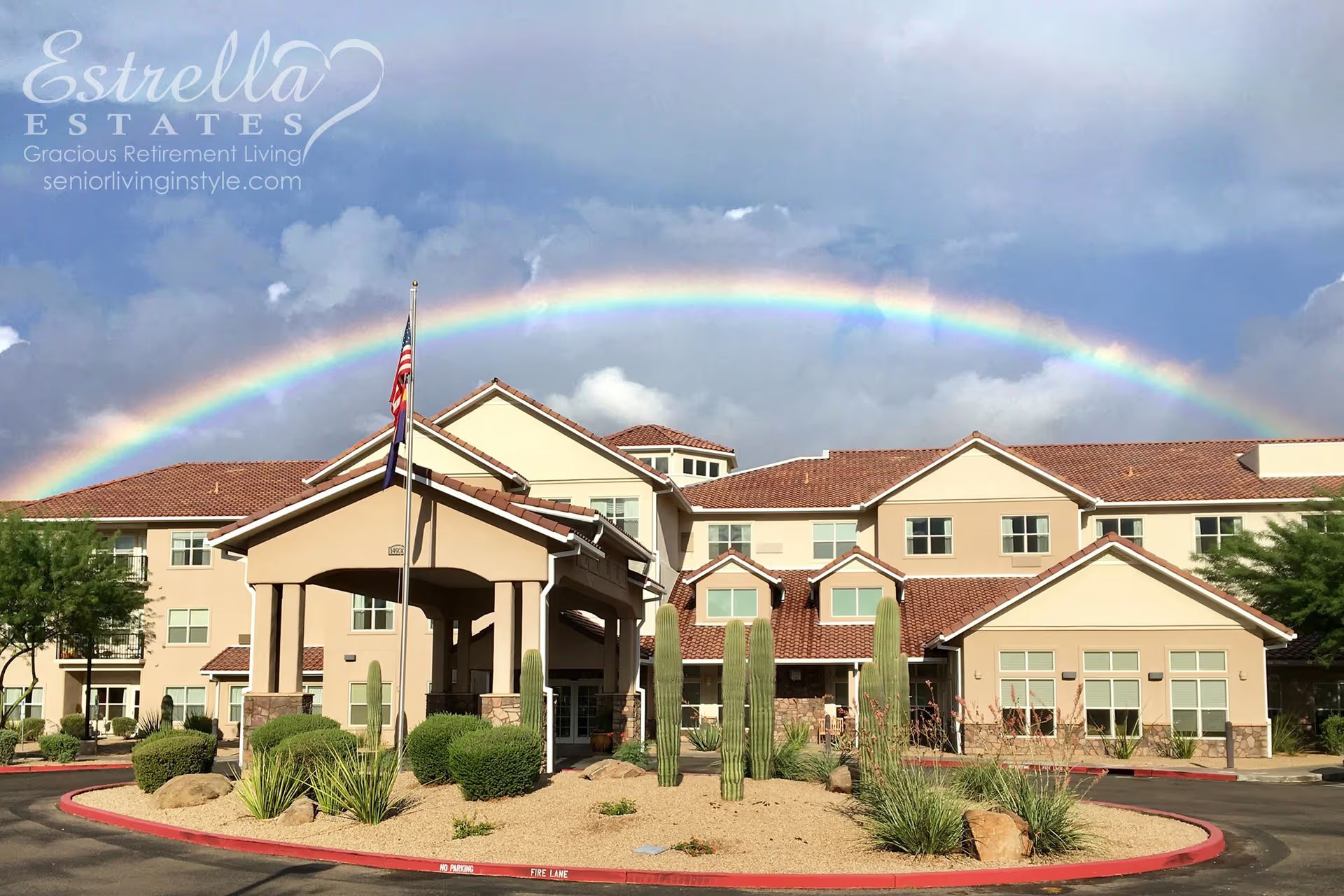
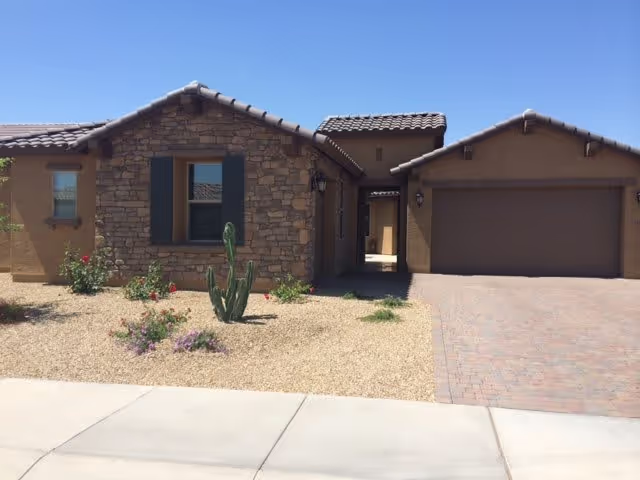
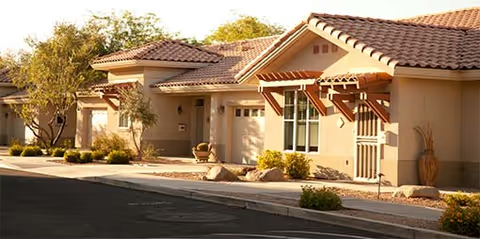
Facilities and services: The physical plant and amenities receive consistently positive remarks — new construction, tasteful décor, accessible design, and well-kept grounds. On-site services (salon, on-site PT/OT, visiting dentist, shuttle service) add convenience. A few families note that certain apartments are smaller or feel dated relative to the rest of the community, and some memory-care areas were described as less home-like by some observers.
Management and operations: Management impressions are mixed. Several reviews highlight responsive, engaged managers who address issues and cultivate family relationships; others point to administrative shortcomings such as billing delays, refund processing problems, and occasional front-office inefficiencies. A subset of reviews alleges serious care failures and documents family-initiated legal concerns—these reports, while not the predominant narrative, are serious and indicate that some families experienced outcomes they considered unacceptable.
Notable patterns and recommendations: The overall pattern is polarized—many families describe high satisfaction driven by staff warmth, amenities, dining, and activities, while others report significant operational issues primarily tied to staffing, communication, and consistency of clinical response. Prospective residents and families should visit during multiple times of day (including evenings/night shifts if possible), ask for recent staffing ratios and turnover data, request examples of care-coordination protocols with outside clinicians, and review billing and incident-reporting procedures. Asking for sample activity calendars, recent menus, and how memory-care plans are individualized will help assess fit for a specific clinical and social need.