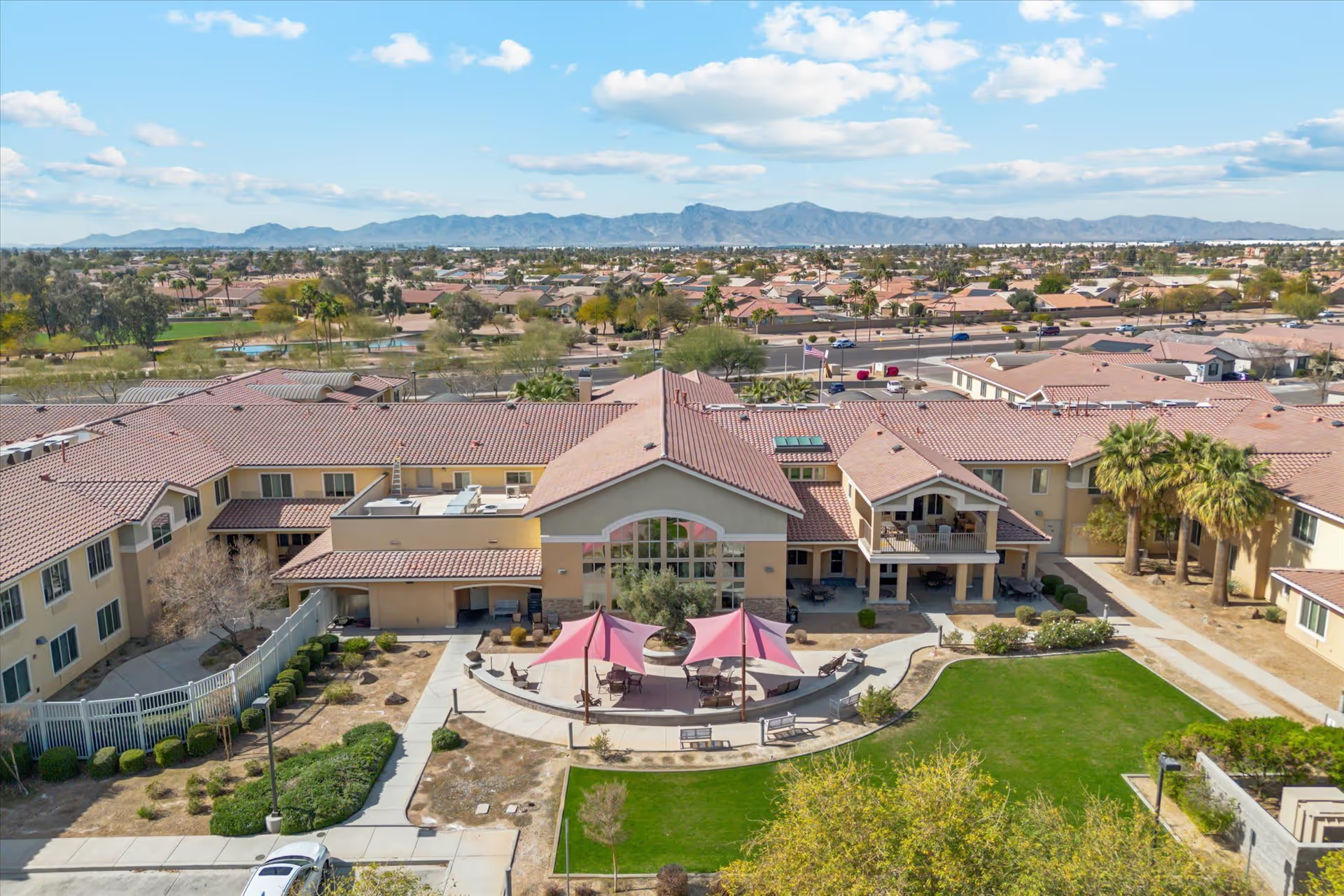
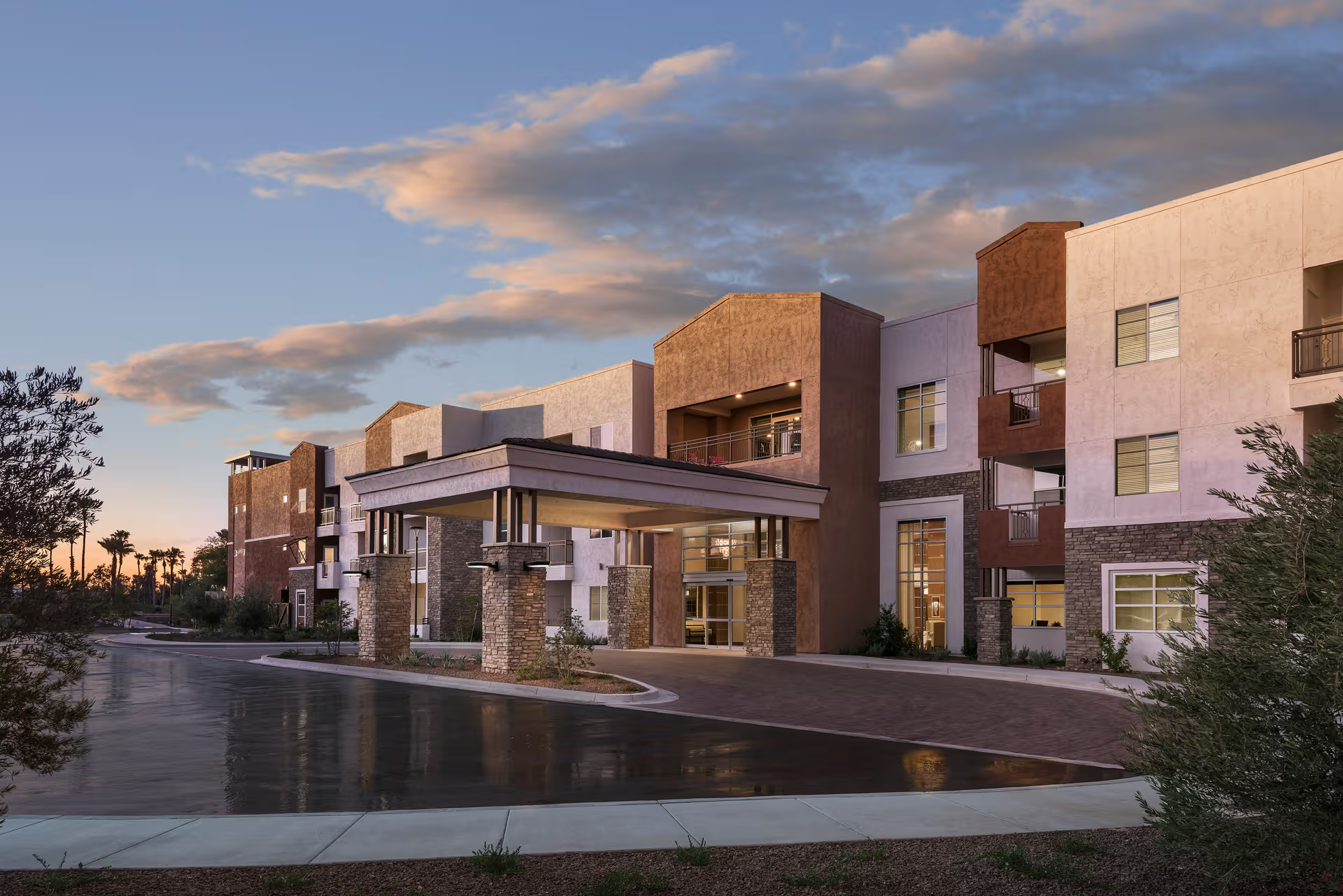
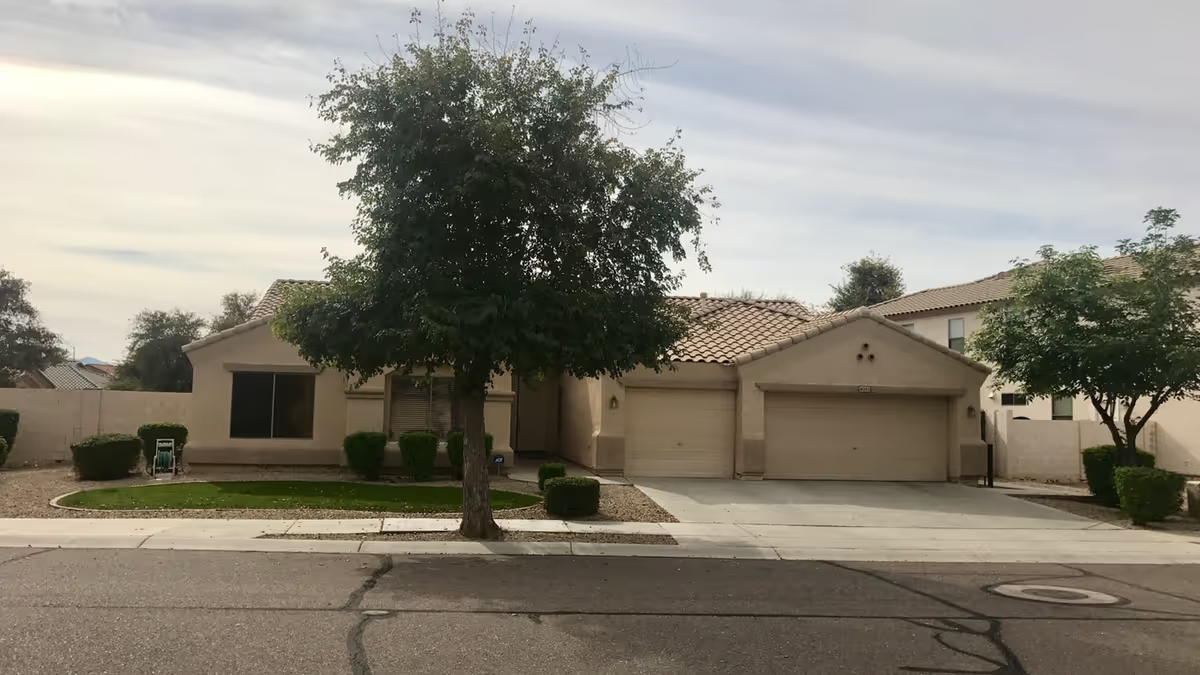
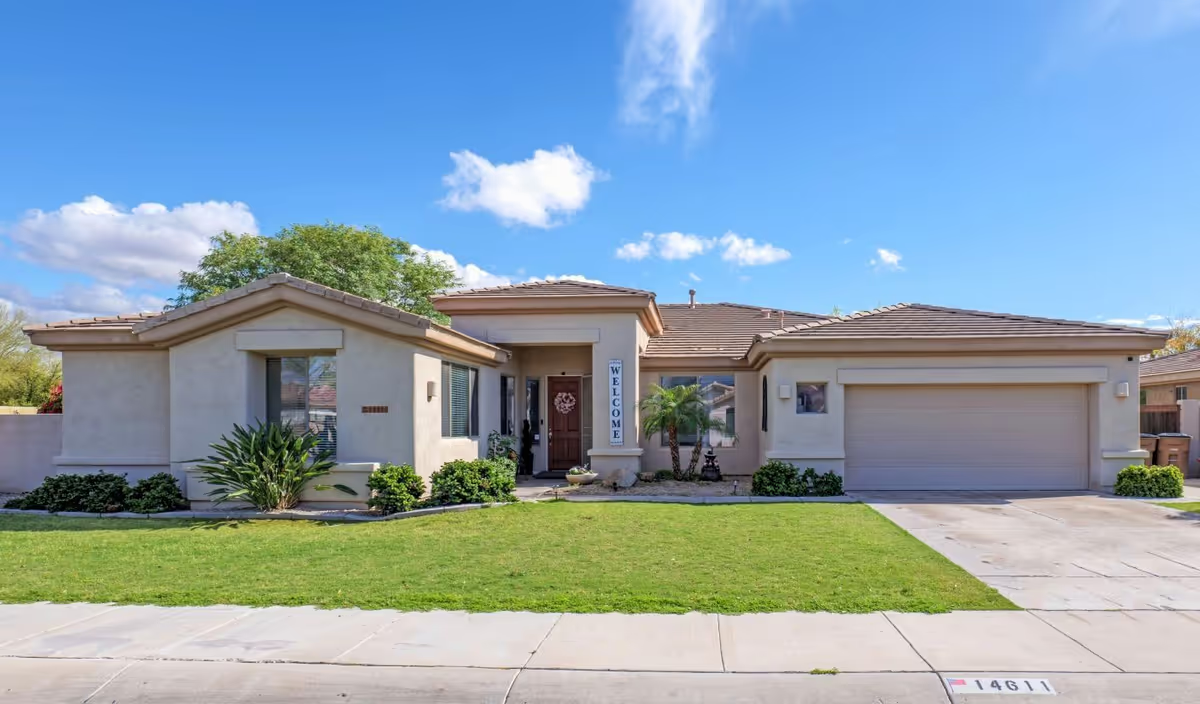
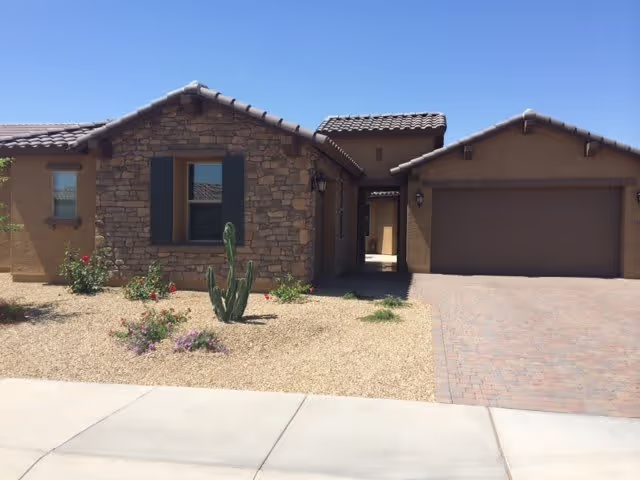
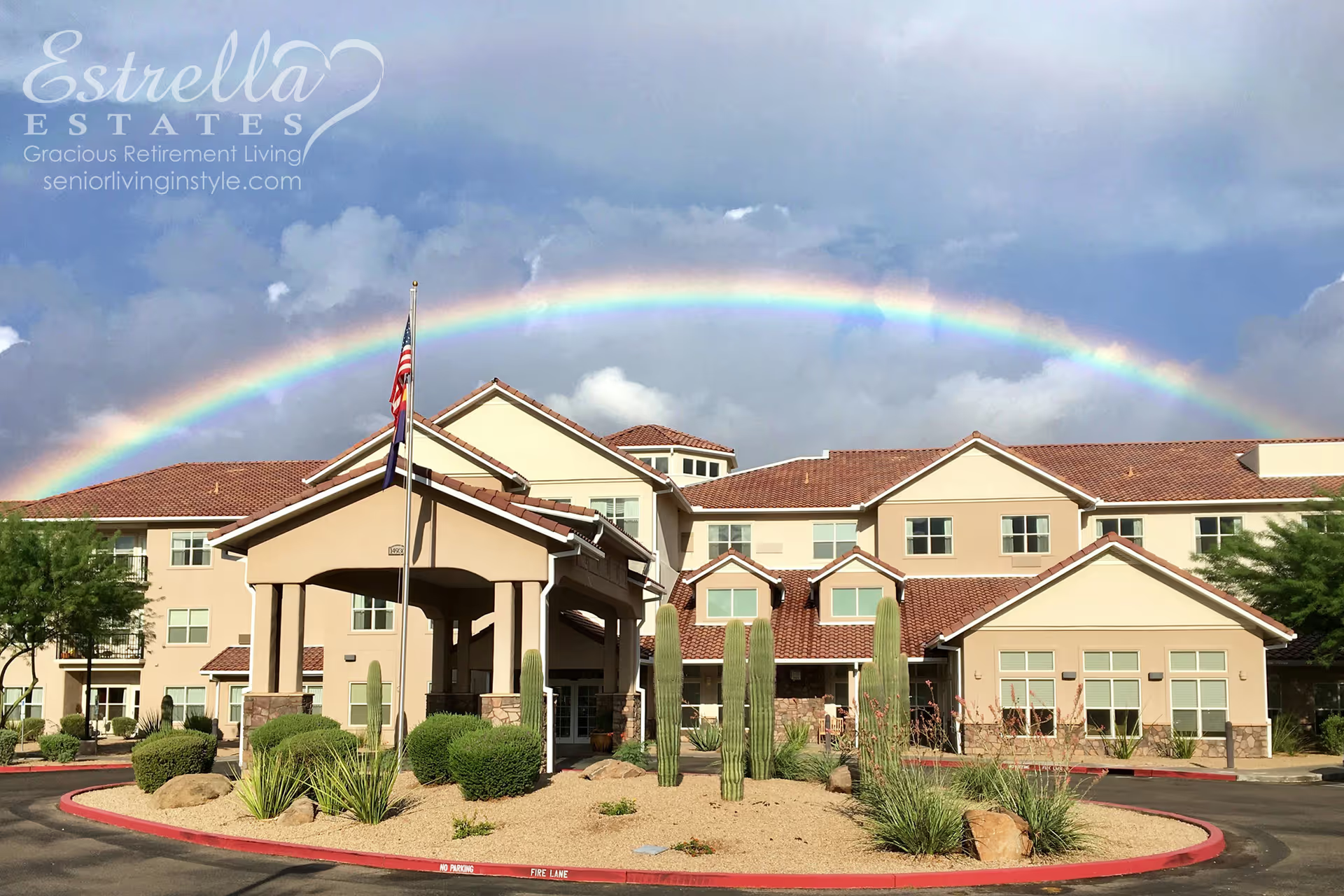
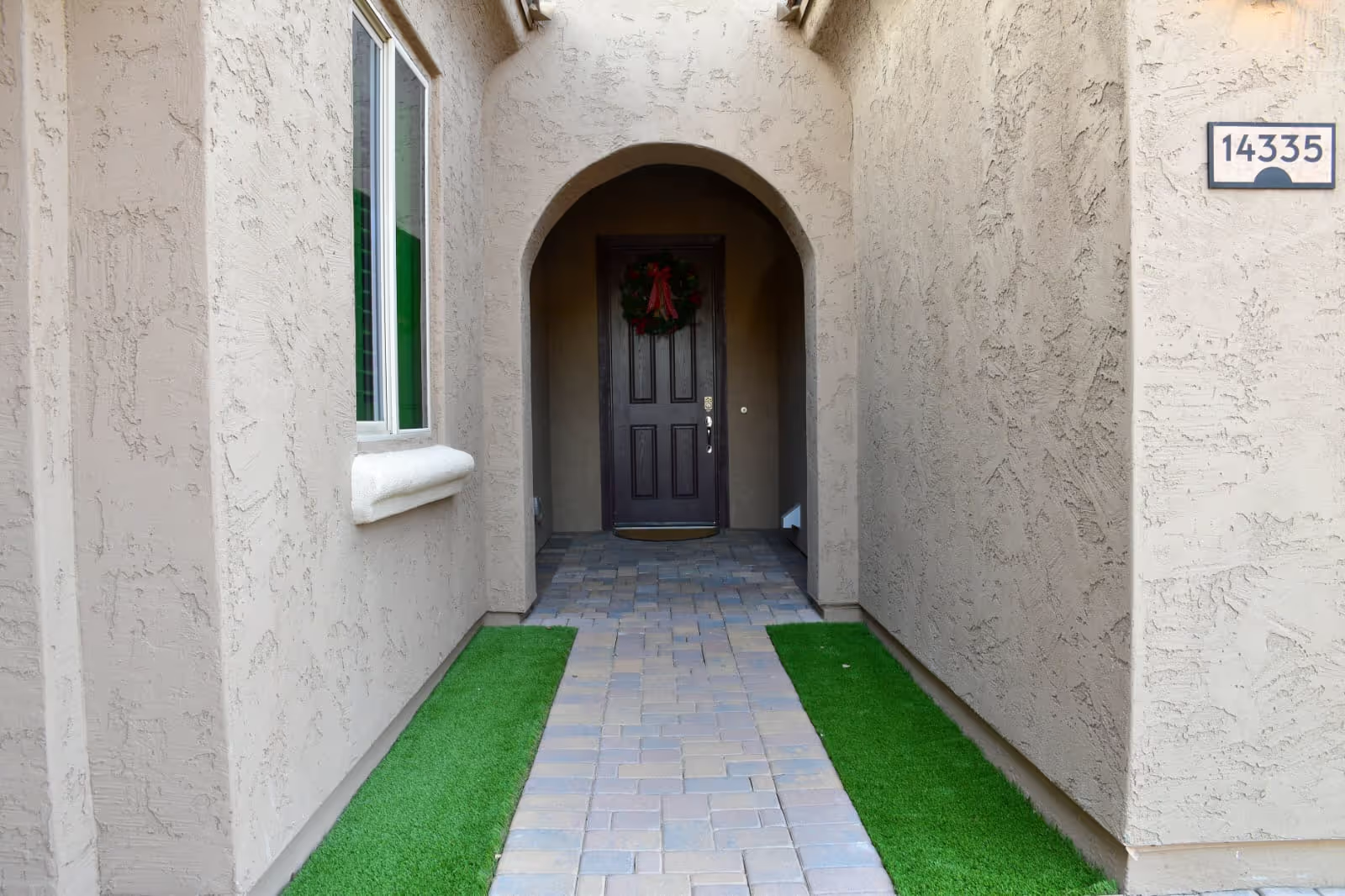
The reviews present a consistently positive portrait of Pebble Heights Assisted Living & Memory Care as a small, owner-operated residence that emphasizes a family-style atmosphere, individualized attention, and home-like comforts. Families describe the environment as spotless and odor-free, with well-decorated common areas and an inviting dining space. The facility’s approach is repeatedly characterized as attentive rather than institutional, with residents appearing comfortable, engaged, and well cared for.
Care quality and staff behavior are central to the positive impression. Reviewers highlight compassionate, respectful caregivers who are attentive to residents’ daily needs, and they note promptness in arranging medical appointments and diagnostic tests when required. The owner and director are singled out for advocacy and hands-on involvement; this leadership presence contributes to close caregiver–family communication and an apparent consistency in the level of attention residents receive. Memory-care needs are described as being met within a safe and supportive structure.
Dining and programming are also frequent strengths in the reviews. The facility provides home-cooked, fresh meals daily and an atmosphere described as celebratory and social; some families attribute weight and appetite improvements to the food and routine. Regular activities, a welcoming visitor experience, and accessible outdoor space support social engagement and quality of life for residents.
Facility maintenance and hospitality are emphasized: cleanliness and orderliness are described as impeccable, and the setting is framed as comfortable and welcoming. The owner-led model appears to foster a close-knit environment where staff and families form strong relationships; this dynamic is repeatedly noted as making visits enjoyable and residents visibly content.
Notable operational patterns to consider: the positive reviews suggest a small, tightly run home, which has advantages for individualized attention but can create dependencies on specific staff and leaders. Prospective families should confirm availability of specialized clinical services if a resident has complex medical needs, ask about formal clinical and medication-management protocols, and verify bed availability given the facility’s smaller scale. Overall, the pattern in reviews is of a well-maintained, warm, and attentive memory-care setting; families with primarily social and assistance-level needs are likely to find the environment supportive, while those requiring higher-level clinical services should confirm capacity and staffing details before placement.