Overall impression is mixed: many families and residents praise the physical environment and the demeanor of frontline staff, while other accounts raise operational and management concerns that could affect vulnerable residents.
Care quality and staff: Frontline caregiving staff are frequently described as friendly, respectful and caring; reviewers emphasize a welcoming attitude and helpful day-to-day interactions. That said, staffing levels are also commonly cited as a limiting factor—staff appear stretched at times, which reviewers link to responsiveness and to specific safety risks (for example, nighttime monitoring for residents who wander). Families considering this facility should weigh the positive staff culture against potential variability in staffing coverage and its impact on care delivery.
Dining: There is little detailed feedback about meals in the provided summaries. No consistent praise or criticism of food quality or meal service schedules appears; prospective families may want to request menus and sample meal-service practices during a visit to assess fit.
Activities: Activities are provided on a recurring basis (several times per week according to summaries), offering some engagement opportunities for residents. The schedule appears limited rather than comprehensive; families seeking a highly active programming calendar should ask for a current activities calendar and examples of individualized engagement options.
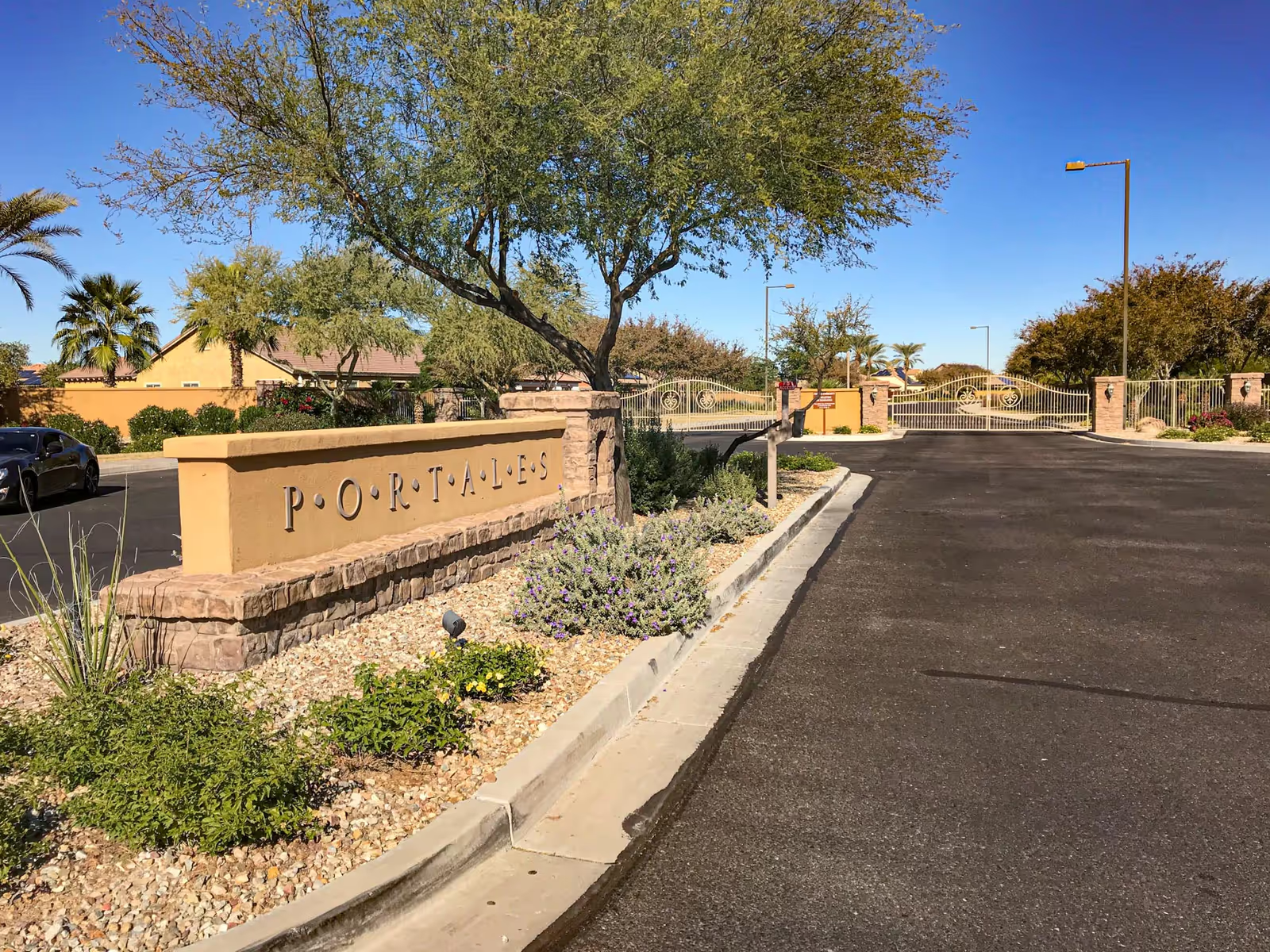
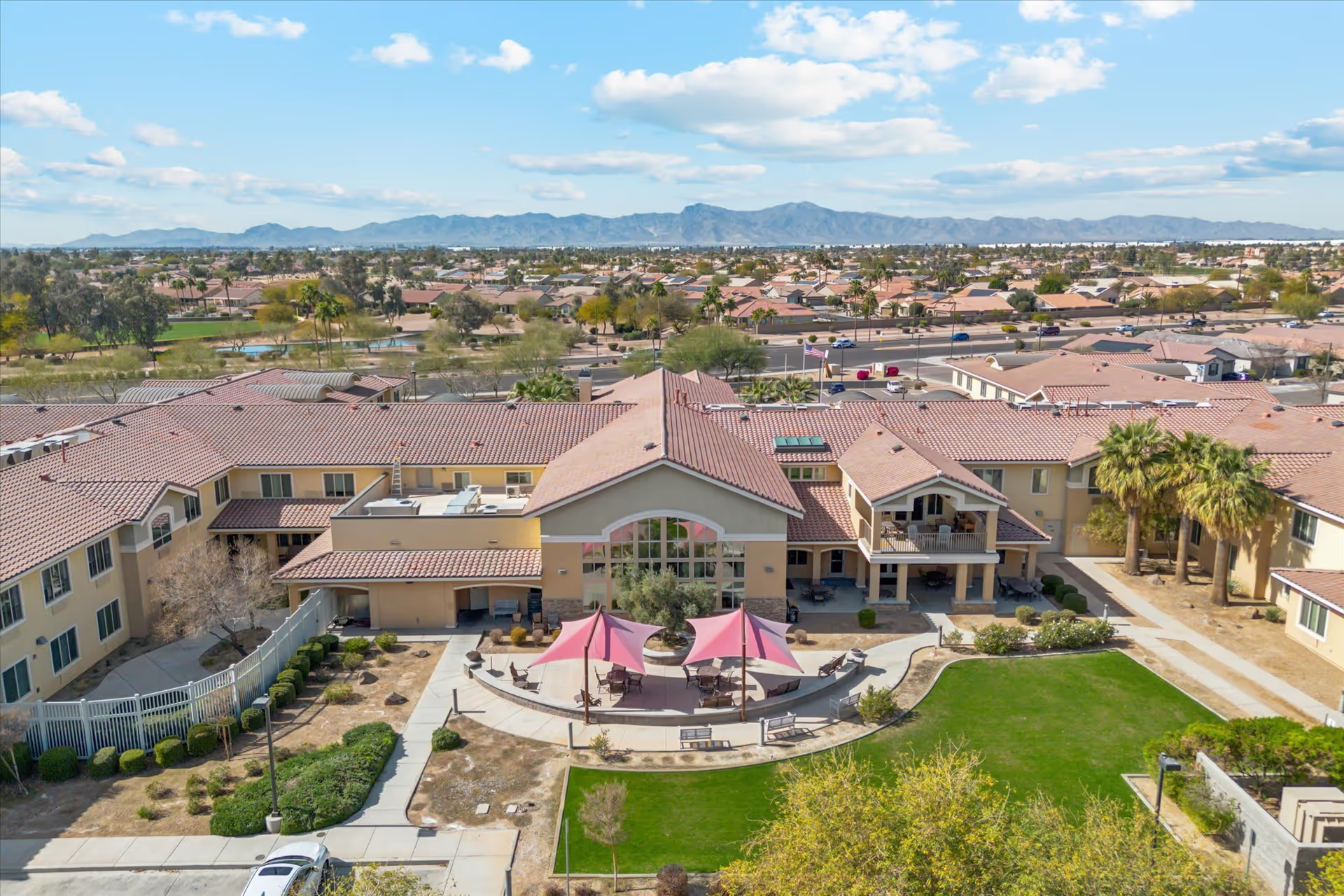
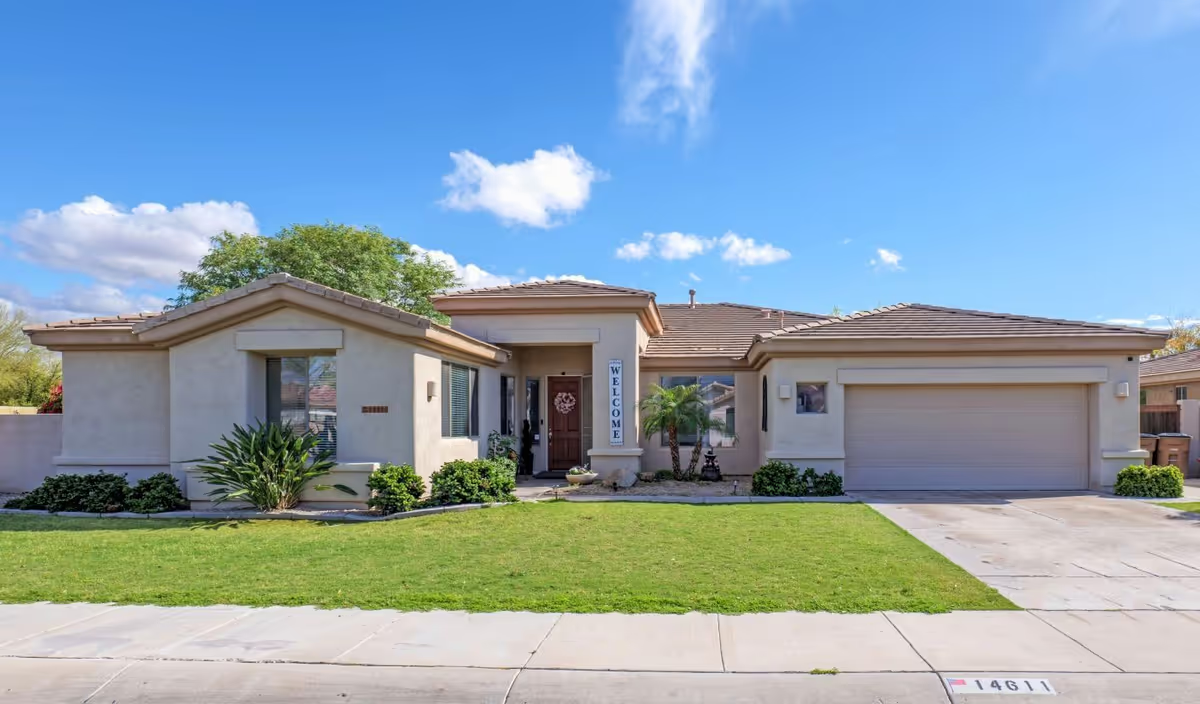
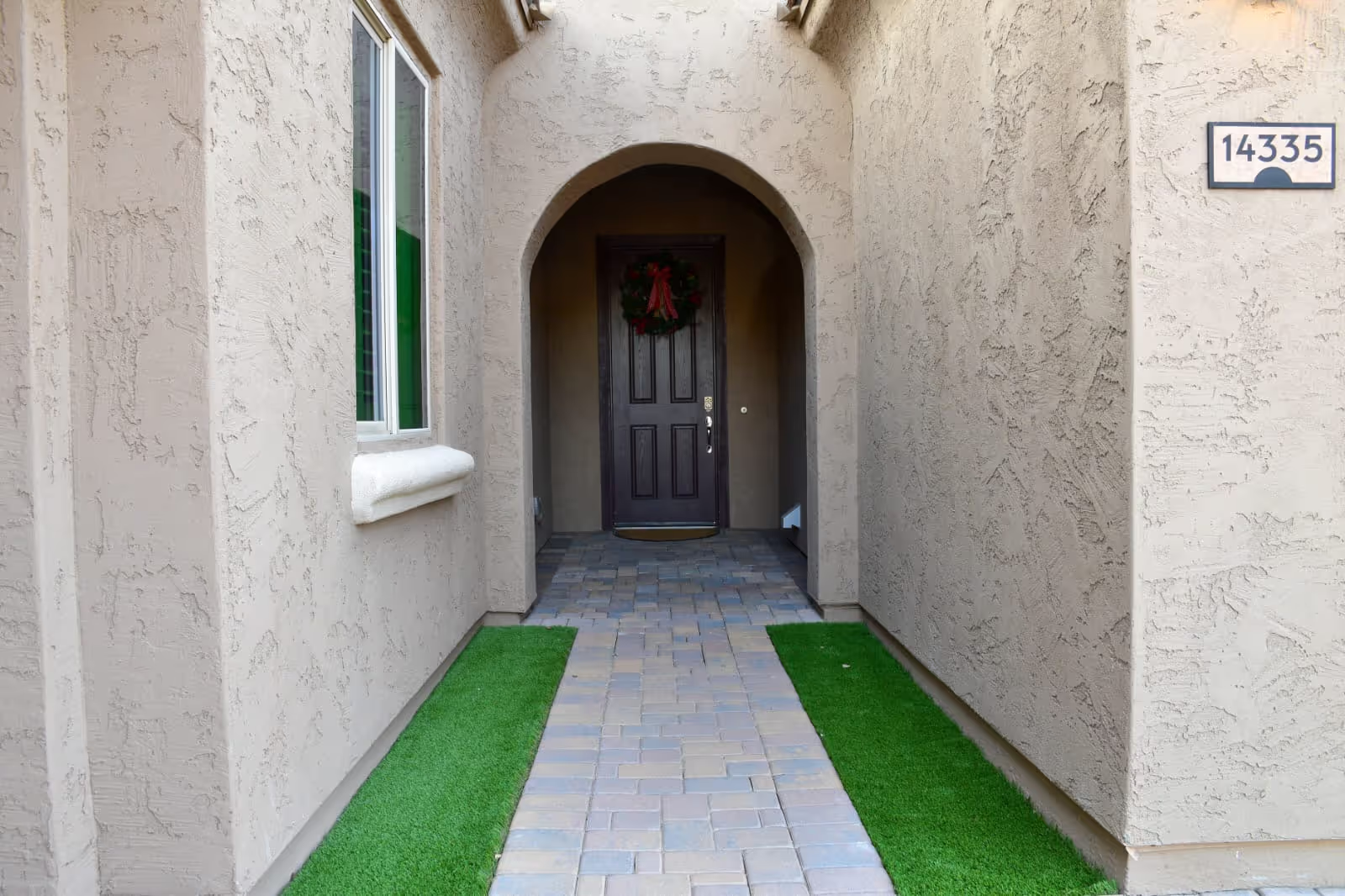
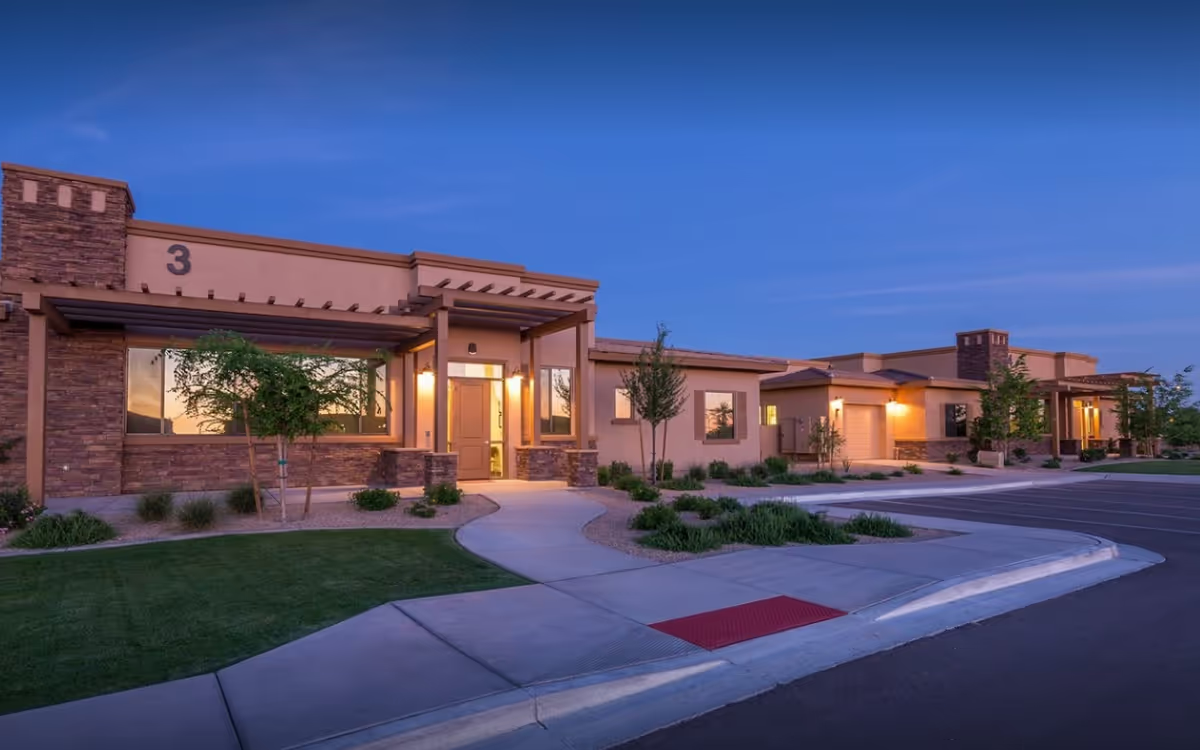
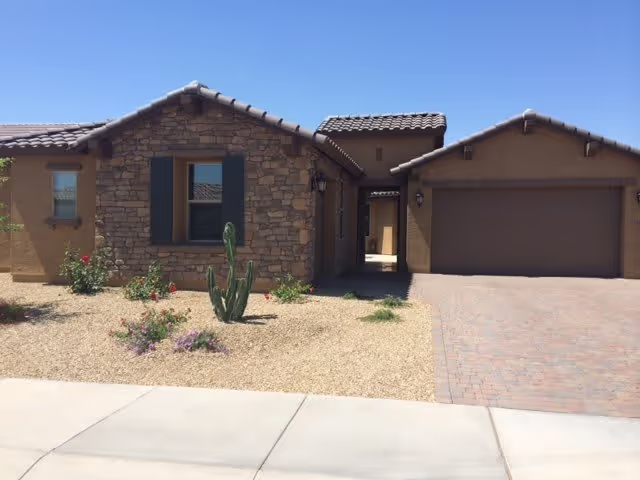
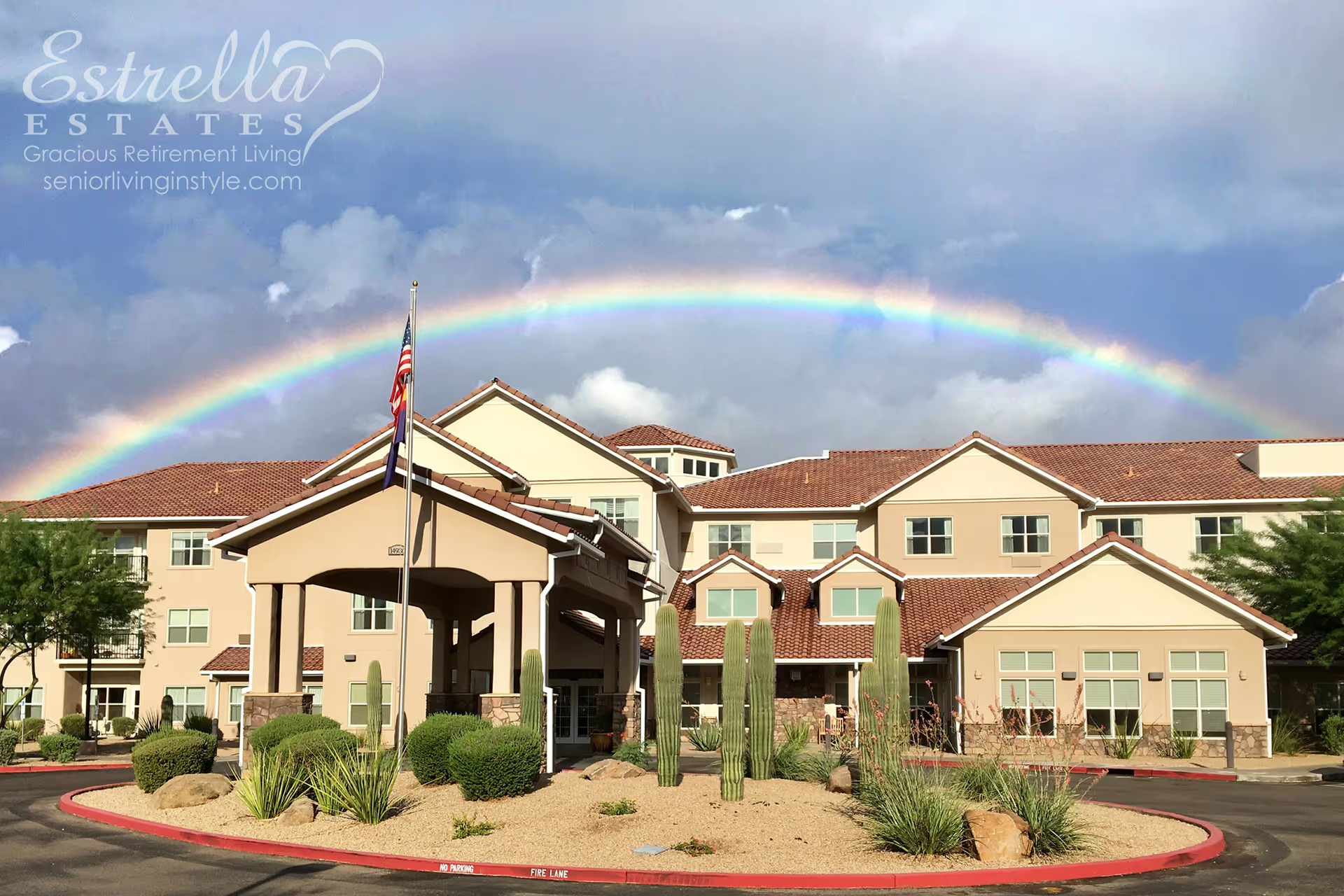
Facilities: The facility environment is repeatedly described as clean, tidy and well-maintained, with rooms characterized as personal and comfortable. These physical attributes and the overall “home-like” presentation are clear strengths noted by multiple commenters.
Management and administrative patterns: Several serious administrative concerns appear in the summaries. Financial and contractual disputes, including questions about billing transparency and refund processes, have been raised; these issues suggest the need for careful review of contract terms, billing statements and refund policies before admission. There are also comments indicating inconsistent decisions about admission and discharge or readmission, and some families reported difficulties coordinating transitions involving hospice care. Together these items point to potential gaps in administrative consistency and in communication with families and outside providers.
Notable patterns and recommendations: The most consistent positive themes are the facility’s physical environment and the positive tone of direct-care staff. The most salient concerns relate to operational reliability—especially staffing consistency, billing/contract clarity, safety-management for residents with nighttime wandering risk, and hospice/transition coordination. Prospective residents and families should tour the property, meet caregiving leadership, request documentation on staffing ratios and on-call practices, review sample contracts and recent billing examples, and ask how the facility manages nighttime supervision and hospice partnerships. Doing so will help determine whether the facility’s strong interpersonal and environmental qualities align with an individual resident’s clinical and safety needs.