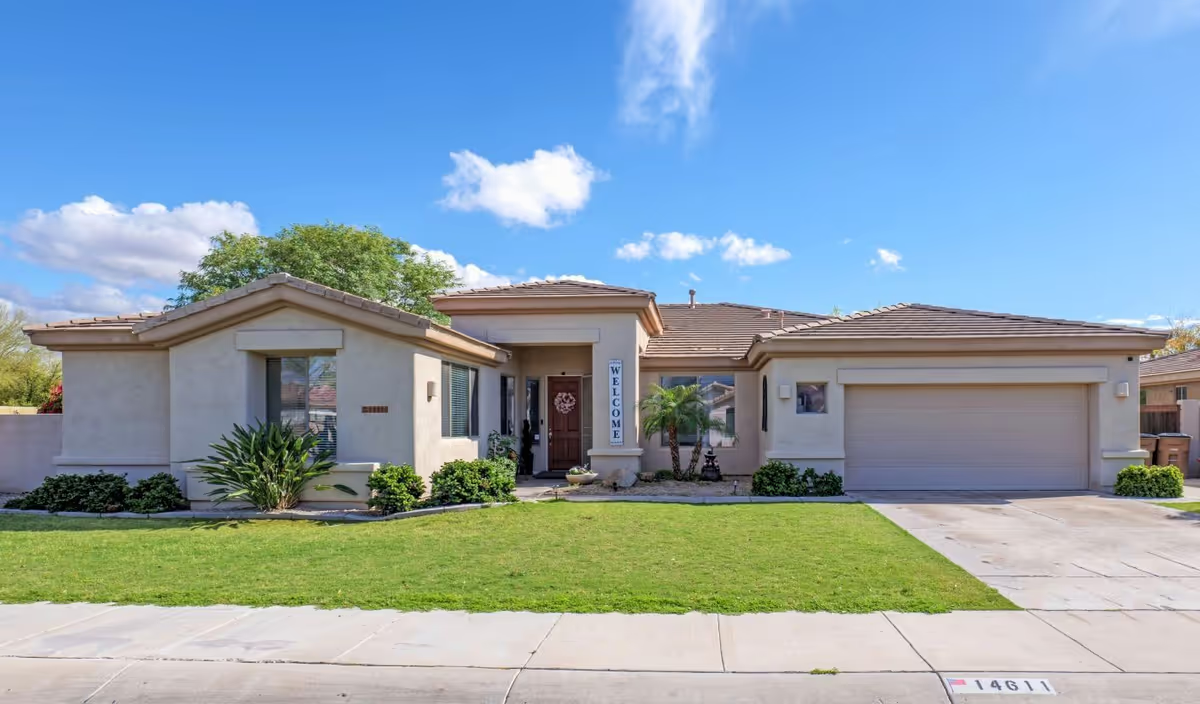
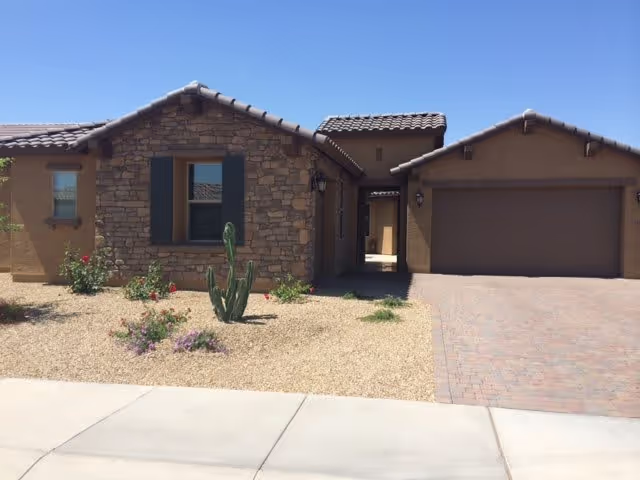
Cami Assisted Living Home LLC is consistently described by families as a small, home‑style facility with an emphasis on personalized, compassionate caregiving. Many reviewers highlight a family‑like culture: staff are routinely characterized as warm, attentive, and willing to provide hands‑on assistance and companionship. The facility’s atmosphere is repeatedly described as homey and resort‑like, with staff who prioritize socialization, hugs and smiles, and individualized support that can include hand feeding and assistance with weight gain.
Clinical and care coordination strengths are a repeated theme. Reviewers note frequent nurse practitioner and physician or hospice visits, as well as an established network of providers who make house calls. Several accounts praise quick responses to medical issues, meticulous medication administration in many instances, and supportive end‑of‑life care. Communication with families — including those living out of state — is frequently cited as strong, with staff keeping relatives informed about routine matters and changes in condition.
Dining and daily living receive substantial positive comment. Meals are described as homemade, fresh, and prepared from scratch, with the ability to accommodate dietary preferences and promote weight gain when needed. Reviewers also praise cleanliness and upkeep: private rooms, common areas, and a fenced outdoor courtyard are noted as well maintained. The facility is located in a gated community, which some families see as an added security element.
Alongside these strengths, there are notable areas of concern that prospective families should evaluate. While many reviewers commend medication handling, at least one review raised a serious allegation of inappropriate antipsychotic use and questioned hydration monitoring; this highlights the need to confirm current medication‑management protocols, documentation, and clinical oversight. Separate comments indicate inconsistent practices around incident explanation and family communication, which can leave relatives seeking clearer explanations after falls or other events. Access‑control practices (locks and room entry procedures) and the enforcement of visitor policies, particularly at meal times, also appear variable across accounts.
In practice, this means prospective residents and families should balance the facility’s strong interpersonal care and home‑style environment with careful due diligence on clinical and operational protocols. Recommended next steps include reviewing current staffing ratios and training, requesting medication‑administration and incident‑reporting policies, confirming visitation rules, and speaking with the on‑site nurse practitioner or medical providers about monitoring for hydration, weight, and behavioral‑health medications. Doing so will help verify that the highly praised personal aspects of care are matched by consistent clinical safeguards.