Overall impression: The facility receives predominantly positive feedback for its clinical rehabilitation services, compassionate bedside care, and an improving facility environment. Many families and former residents highlight strong therapy outcomes, a nurturing activities program, and a front office/admissions process that can be efficient and supportive. Leadership responsiveness and targeted operational improvements (cleaner common areas, reduced paperwork through check-in technology) are repeatedly noted as strengths.
Care and staff: Nursing, CNAs, and therapy teams are frequently described as attentive, empathetic, and knowledgeable. Physical and occupational therapy are often credited with timely post-operative progress and successful discharge home. Several individual staff members are singled out for building strong rapport and going beyond expectations; families describe meaningful social-work support and consistent person-centered attention during difficult transitions.
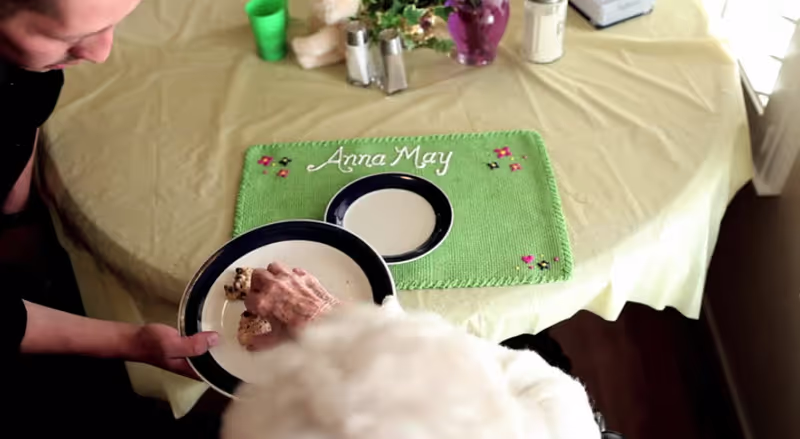
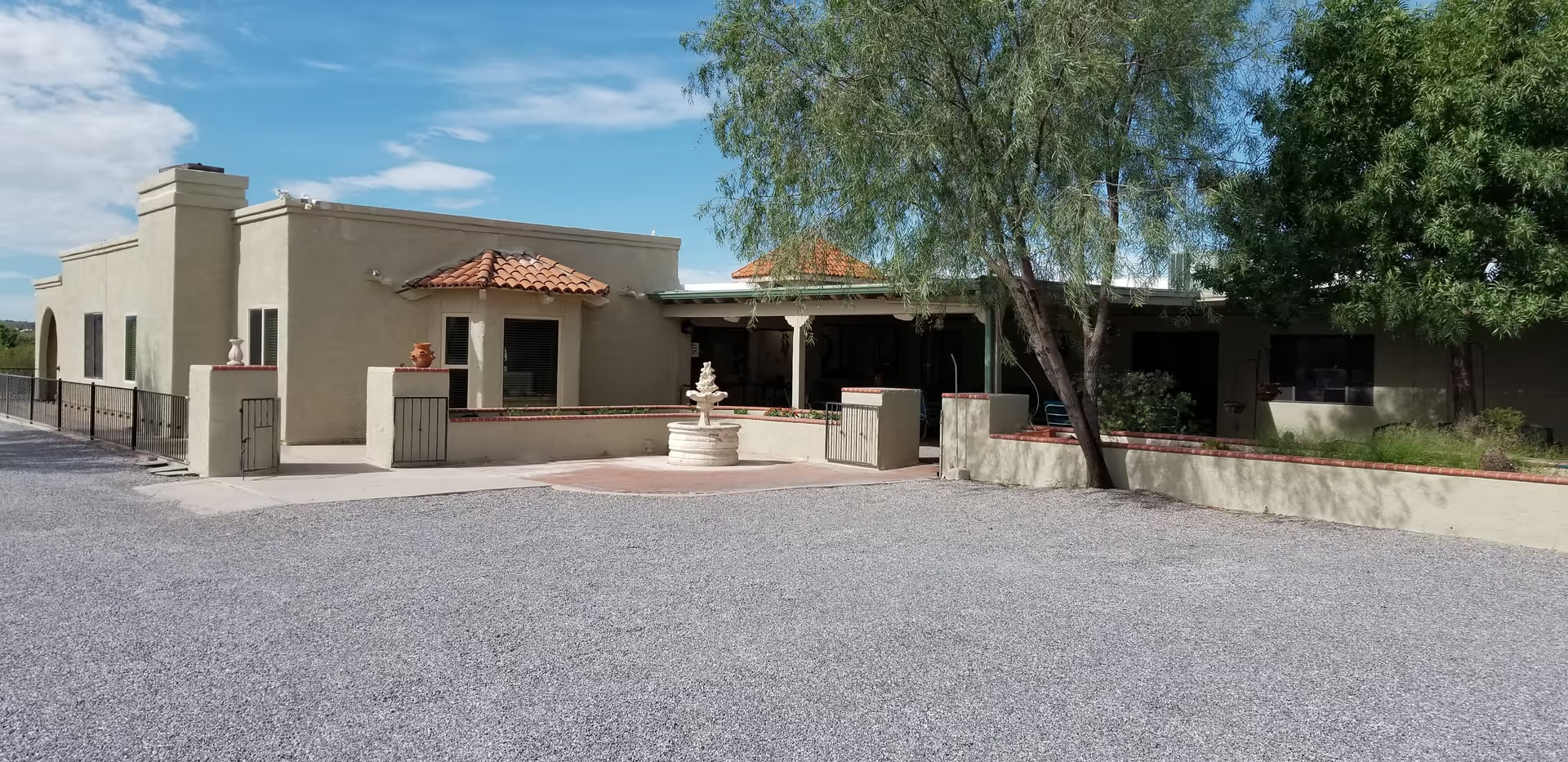
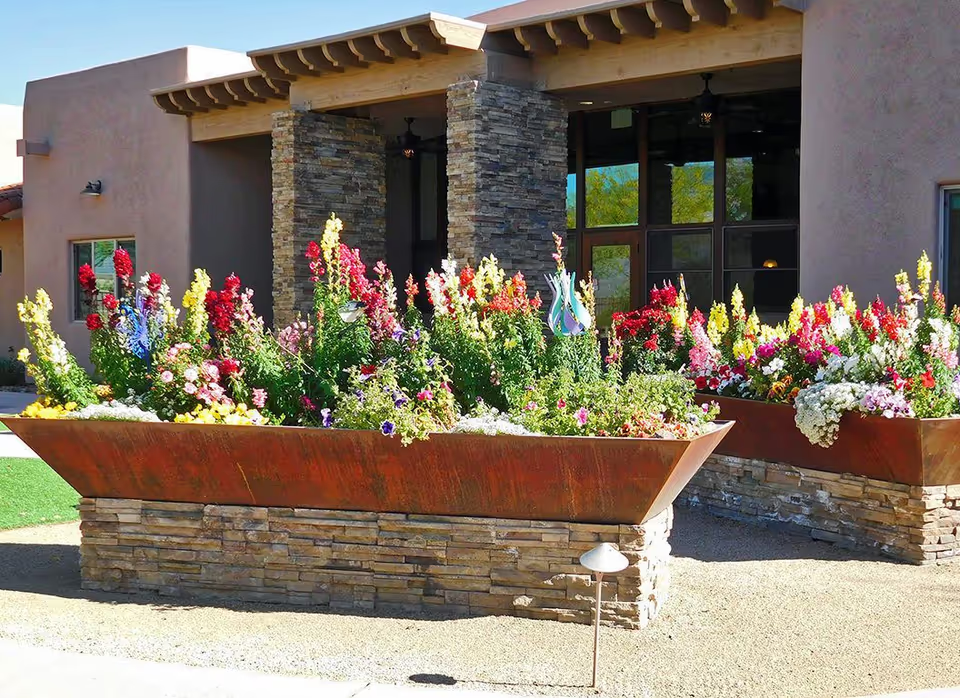
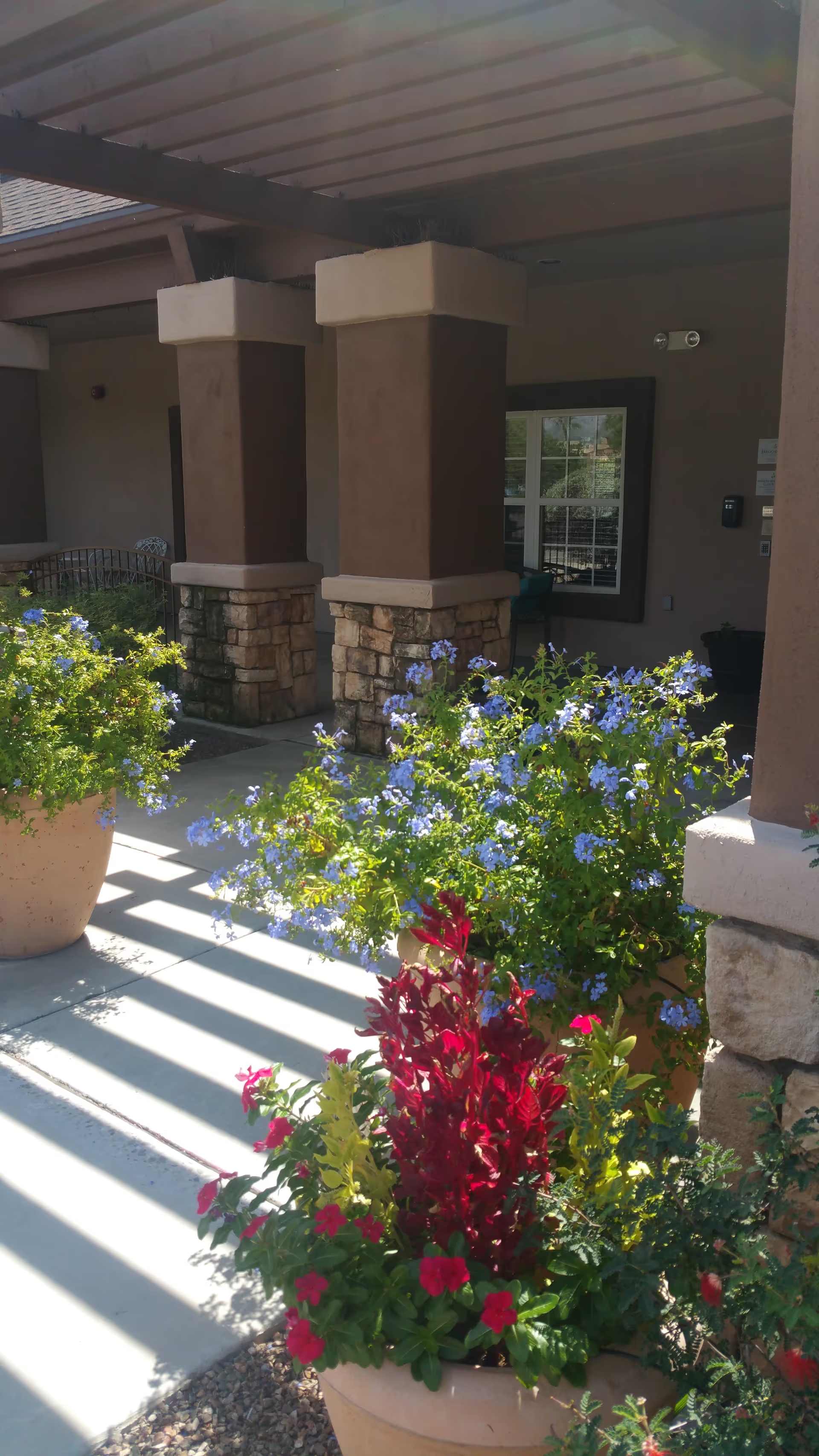
Dining, activities, and facilities: The activities program is portrayed as engaging and family-oriented, contributing positively to resident morale. Dietary services receive mixed but largely favorable comments—many reviewers praise improvements in taste, portions, and the dietary team's attentiveness, though meal-temperature and consistency remain intermittent concerns. Facility upkeep is frequently described as improved, with cleaner floors and better-smelling public spaces compared with prior visits; however, sanitation inconsistencies in some rooms and occasional odor concerns are also mentioned.
Management and operations: Administration is generally viewed as responsive, willing to investigate and correct issues, and helpful with insurance or discharge questions. The admissions process and technology enhancements reduce paperwork and streamline appointments. Nevertheless, operational weaknesses recur: inconsistent staffing and scheduling can lead to long response times to call buttons, medication-delivery delays, and occasional lapses in discharge medication coordination. Some families describe communication glitches around discharge and insurance handling that required follow-up.
Safety and quality patterns to note: While many reviews reflect positive clinical outcomes, a smaller set of reviews raises serious operational and safety concerns. These include gaps in dementia-care safety protocols, concerns about staff conduct and communication tone, and property-loss concerns including an allegation of device theft. Leadership follow-up is referenced in several of those cases, but the presence of these concerns suggests prospective families should review safety protocols, medication procedures, and property controls during a tour and ask for specific examples of corrective actions and staffing ratios.
Bottom line: Haven Health Safford appears to offer strong rehabilitative care, compassionate staff, and improving facility operations. At the same time, variability in staffing, medication handling, sanitation in select areas, and notable safety/property concerns indicate the facility has areas to monitor. Prospective residents and families would benefit from direct questions about dementia-care safeguards, staffing levels per shift, medication-discharge procedures, and property-control policies when evaluating placement.