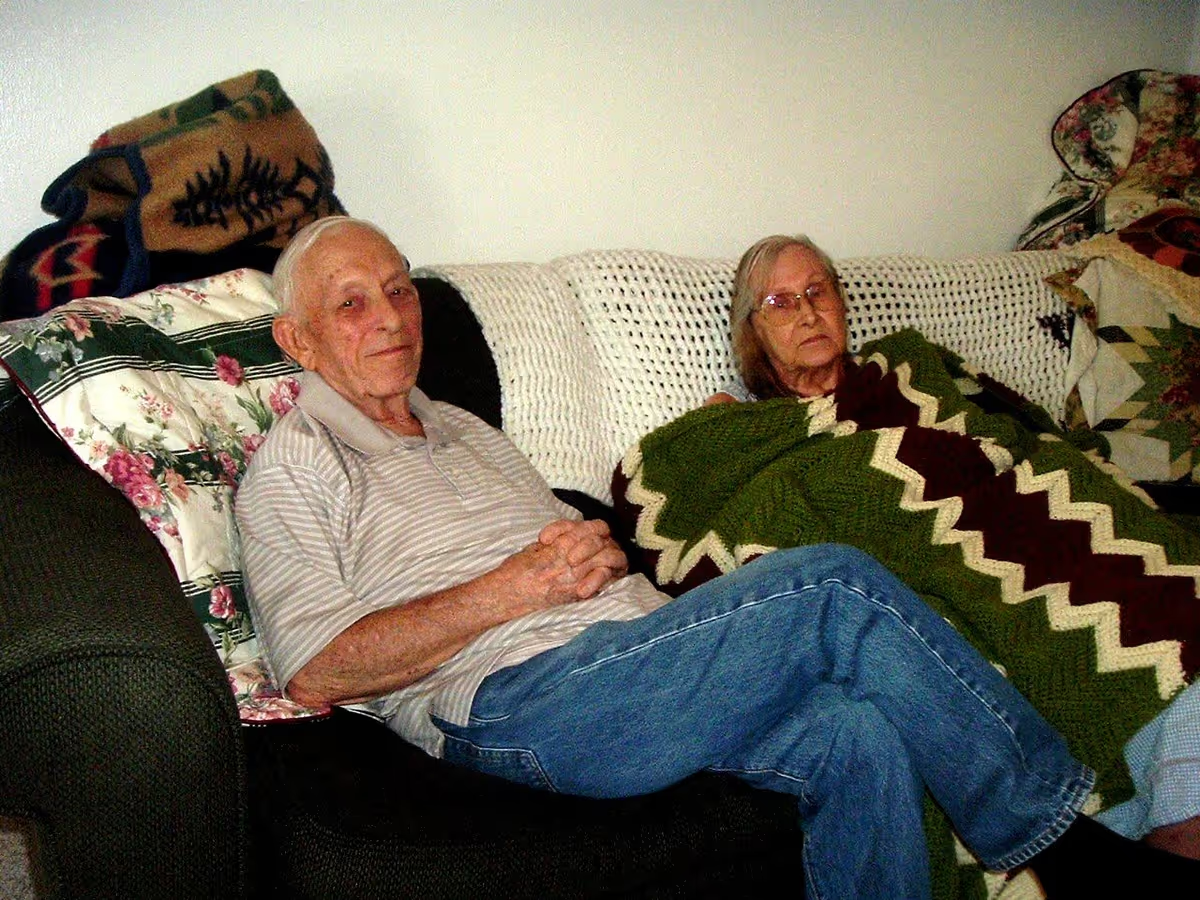
Overall sentiment across the reviews for Elderhaven Assisted Living is strongly positive with recurring praise for the staff, food, and intimate, homelike environment. Reviewers repeatedly describe the staff as attentive, caring, compassionate, and personable — not only delivering daily care but taking time to get to know residents and visiting family members. Multiple comments single out specific staff and the owner for gentle, calm approaches that supported residents through serious health declines and end-of-life transitions. Collaboration with Hospice Family Care is highlighted repeatedly as a meaningful strength; families appreciated proactive communication, coordination during difficult times, and compassionate support that allowed residents and families to experience dignity and peace near the end of life. Several reviewers explicitly say they are grateful and would recommend the community to others.
Dining and nourishment are clear strong points. Meals are described as homemade and delicious, with some residents showing measurable improvement (weight gain and better overall well-being) after moving in. The facility offers both sit-down dining options — sometimes with higher-end entrées like rib-eye or salmon — and a reasonably priced, varied American-style menu. There is also mention of a bar area that serves as a social hub where locals and residents can gather, which some reviewers view positively. Entertainment and social programming receive mixed notes: weekly piano entertainment is specifically praised, but reviewers also note that activities are few and far between, indicating limited structured programming beyond occasional music.
Several consistent concerns appear in the reviews and should be noted by prospective families. Staffing inadequacies and occasional inconsistency in care are mentioned more than once; at least one reviewer indicates staff were caring initially but implies variability over time. Internal conflicts — whether among staff or between staff and management — are reported as affecting the quality of care in some cases. The resident mix trends older and lower-functioning, which may be a perfect fit for families seeking that level of support but could be a drawback for those looking for a more active or varied population. The combination of these factors suggests that while personal attention and compassion are strong, operational and staffing stability may fluctuate.
The facility’s smaller, homelike scale emerges as both a pro and a con. Many families explicitly say Elderhaven felt more appropriate for their loved ones than a larger community, praising the loving atmosphere and closer staff relationships. At the same time, the smaller size appears to limit the breadth of amenities and activities that are commonly found in larger assisted living communities. Some reviewers mention casual meal-service moments described as 'grab-and-dash' (for example pizza), which contrasts with the sit-down dining experience that is also available; this suggests some variability in dining service depending on the occasion or staffing.
In summary, Elderhaven Assisted Living is portrayed as a caring, family-oriented community with strong individualized attention, high-quality homemade food, and notable hospice collaboration that yields thoughtful end-of-life care. The primary weaknesses are limited activity programming, occasional staffing shortfalls and internal conflicts, and a resident population that skews older and more dependent — all of which may affect suitability depending on a family’s priorities. Prospective residents and families should weigh the clear strengths in personal care, dining, and compassionate support against the potential for variability in staffing and limited recreational programming. Visiting in person, meeting staff, and asking about current staffing levels and activity schedules would help determine whether Elderhaven is the right fit for a specific resident’s needs.