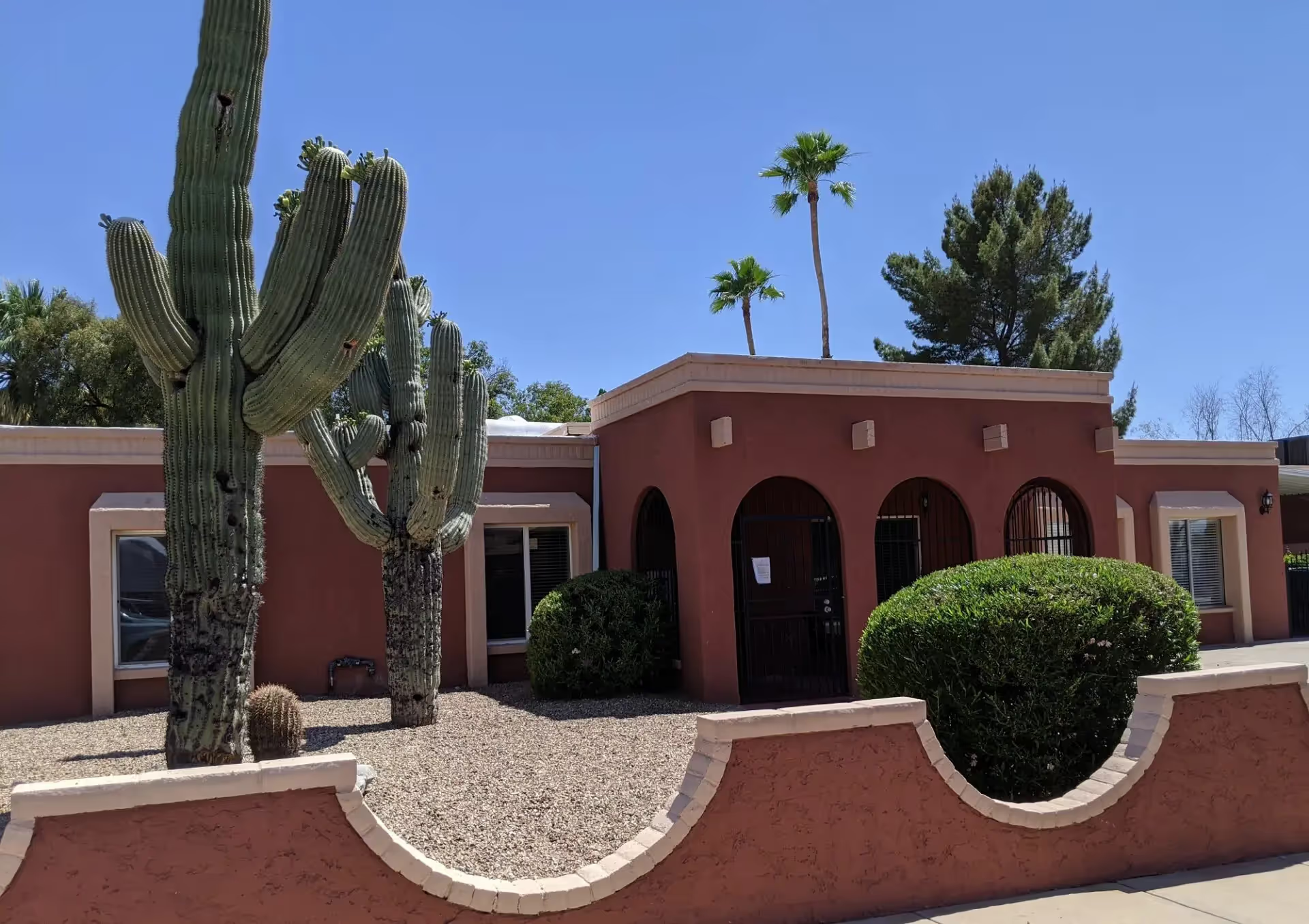
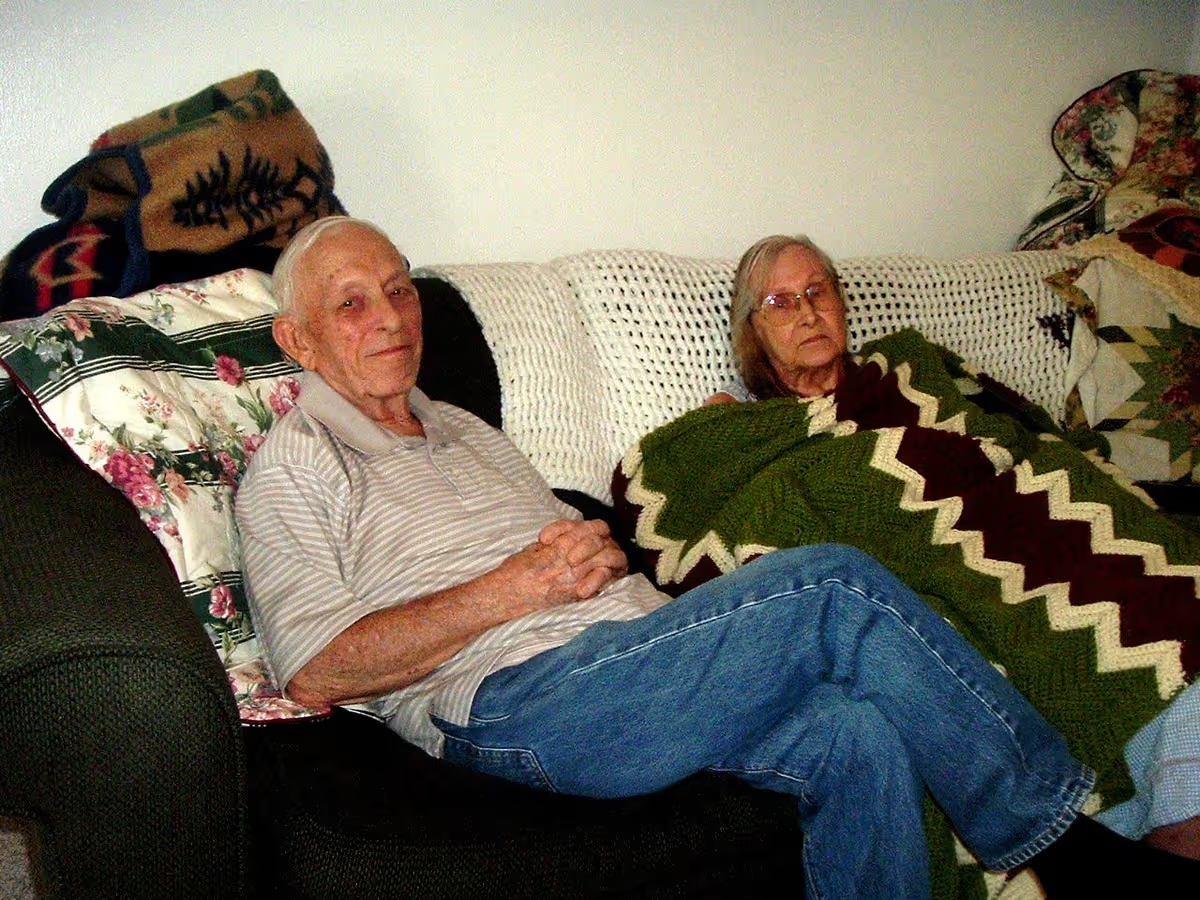
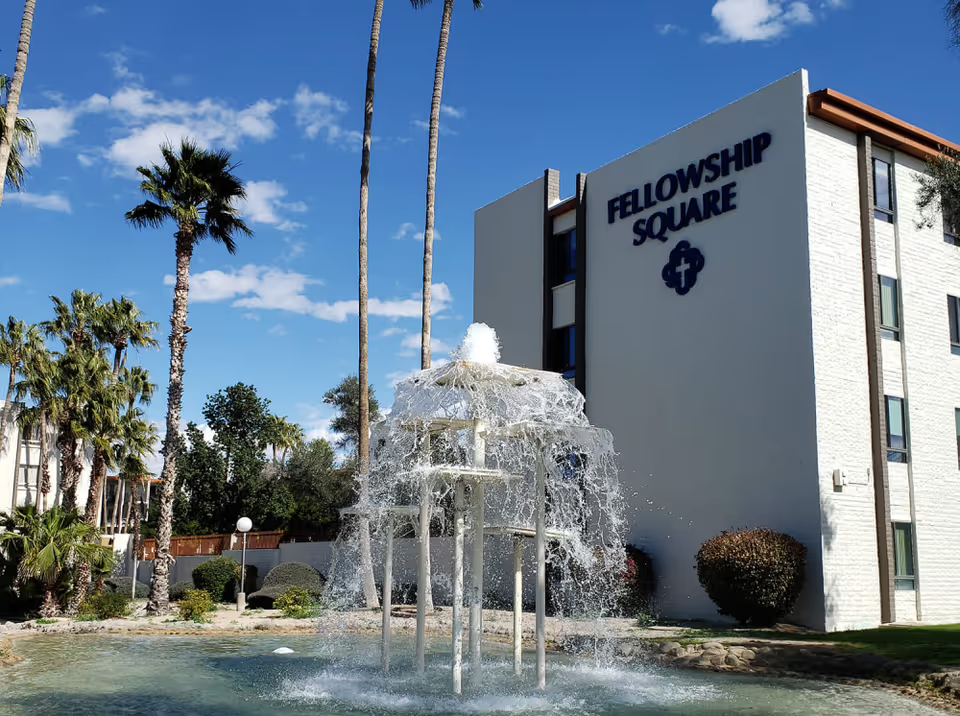
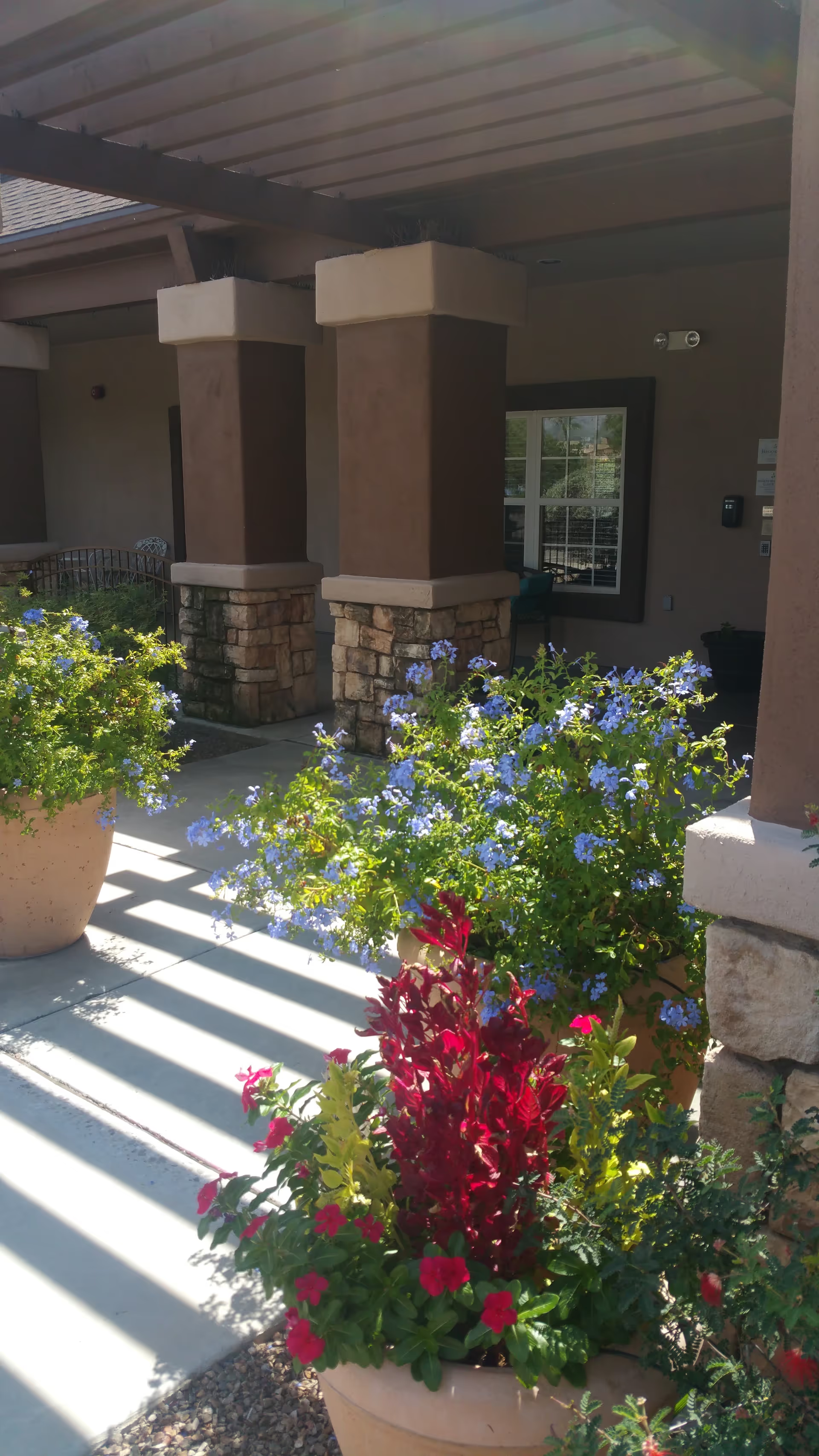
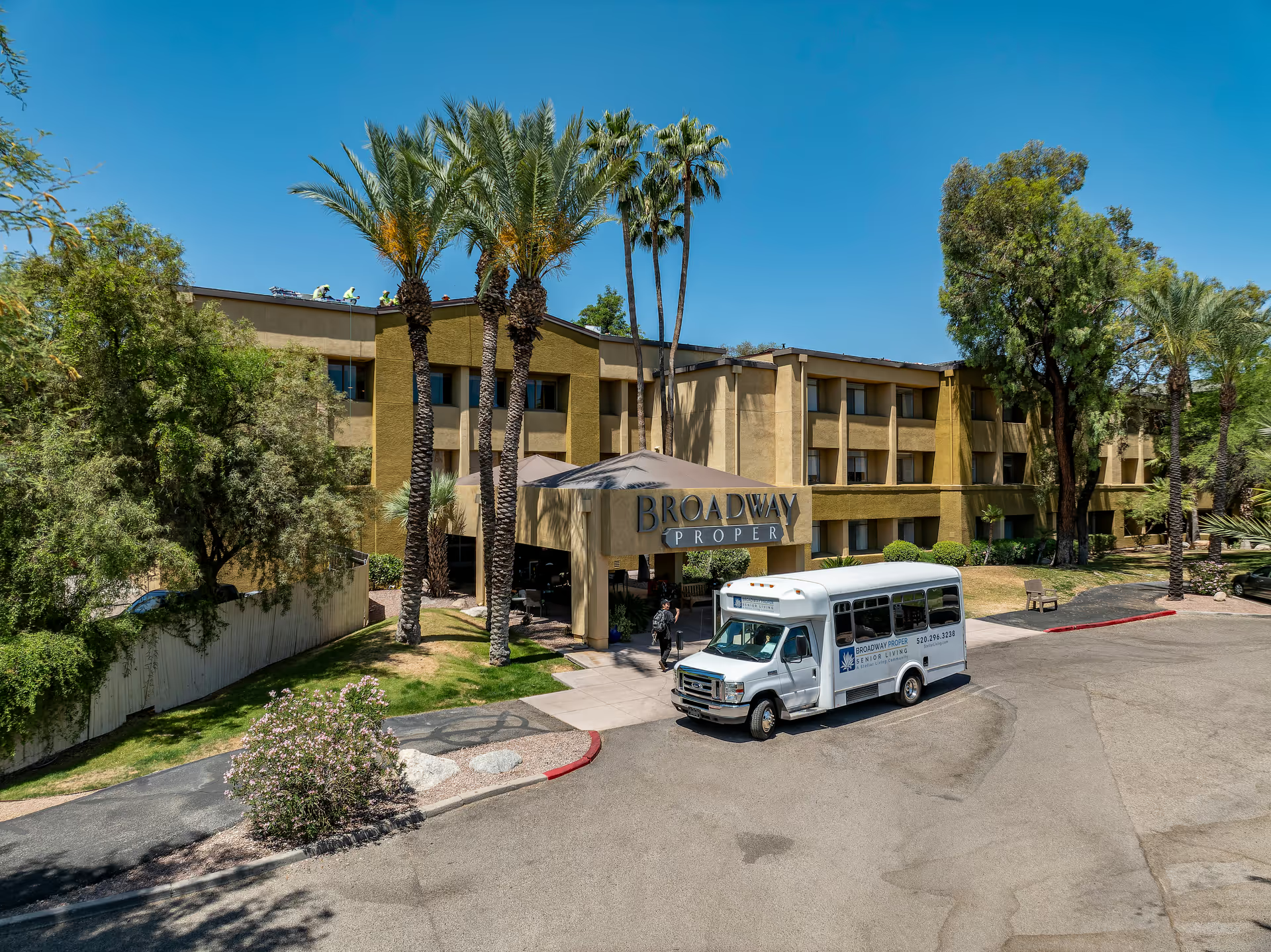
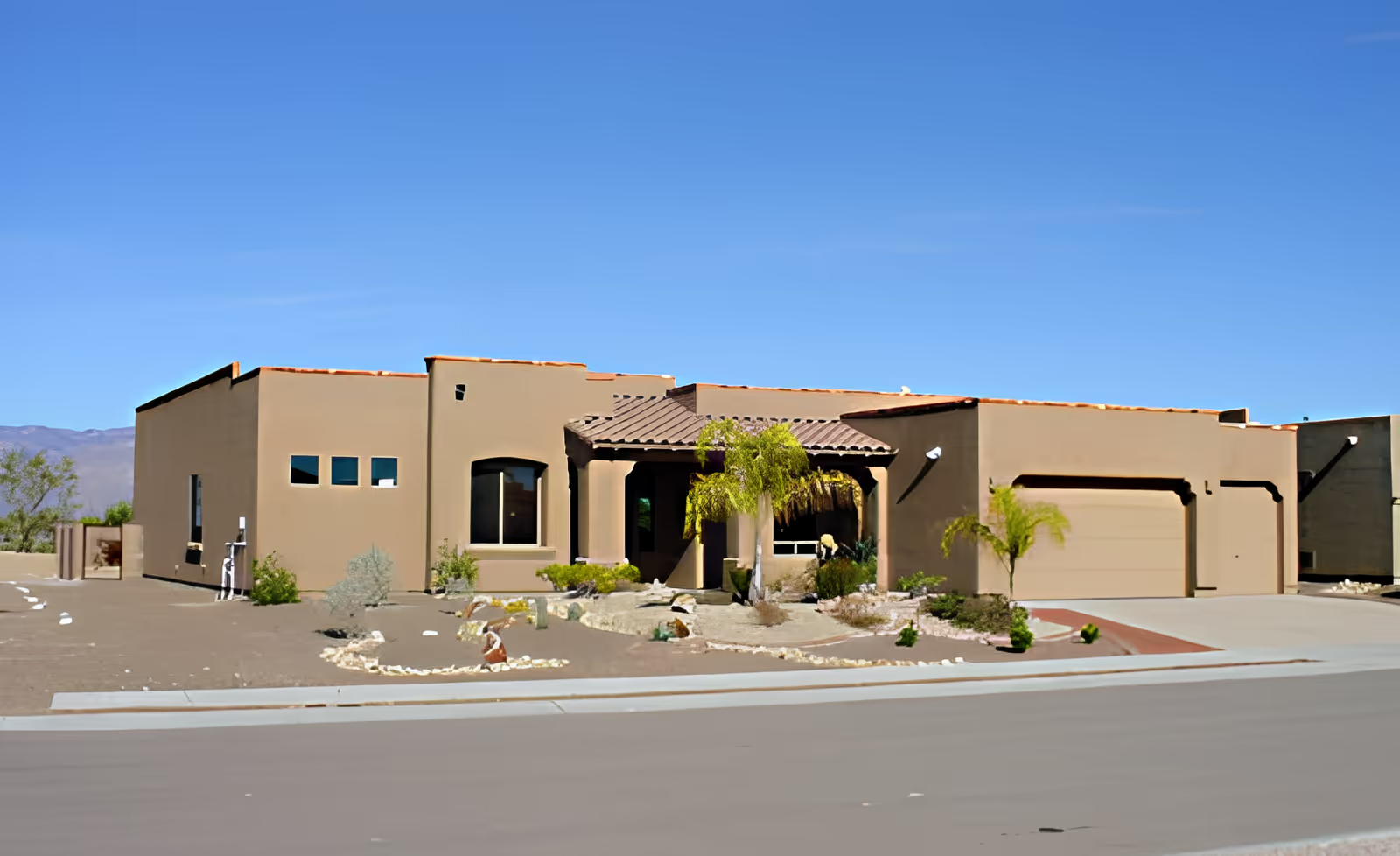
Tucson Assisted Living Retreat is frequently described as a modern, attractive community with bright, open interiors and well‑kept grounds. Many families emphasize a home‑like atmosphere, small community scale, and visible owner/management involvement that aim to maintain high standards. The facility offers a range of on‑site amenities — including a physical therapy clinic, salon, movie space, art studio, and garden — and is noted for being pet‑friendly and for incorporating fresh garden produce into meals.
Care quality and staff performance are areas of mixed but largely positive commentary. Numerous accounts praise compassionate, attentive caregivers, individualized care plans, meaningful staff–resident interactions, and clear explanations of care processes. At the same time, reviewers describe inconsistent staff conduct and communication in some instances, language or comprehension barriers with certain staff members, and concerns about staffing turnover and the rationale behind personnel decisions. These operational patterns point to variability in the day‑to‑day experience depending on staff assignment and leadership continuity.
Dining and therapy services are often highlighted as strengths: families mention personalized menus, family‑style dining, and access to on‑site or visiting physical therapy. However, there are also comments about variability in food quality and portioning, with a few accounts describing reliance on processed items or insufficient portions. Activity programming is commonly cited as engaging and tailored, with many residents described as active and participating; conversely, a subset of reviewers noted uneven delivery of enrichment or seasons of lower activity engagement.
Facility maintenance and infection‑control features (for example, overhead safety systems) are noted positively, and many reviewers describe common areas as clean and orderly. Contrastingly, some reviewers raised sanitation and odor concerns in certain areas and described specific incontinence‑care or cleanliness issues; these suggest inconsistency in housekeeping or personal‑care practices rather than a uniform condition across the community. Medication management is another recurring operational issue: reviewers referenced inaccuracies or concerns around medication handling, which argues for close inquiry during a prospective tour.
Management and leadership elicit both strong support and criticism. Several families praise the owner’s passion and hands‑on approach; others express serious concerns about owner motivations and personnel decisions, including disciplinary actions and staffing changes. Given this mix, prospective residents and families would benefit from directly discussing leadership philosophy, staff training, turnover rates, and grievance/incident processes when visiting. Overall, the Retreat demonstrates many qualities families seek — a pleasant physical environment, engaged caregivers, therapy access, and varied amenities — but also exhibits operational inconsistencies in staffing, medication practices, dining continuity, and sanitation that merit careful, specific follow‑up during a tour or meeting with administrators.