Kivel Campus of Care elicits strongly mixed impressions. Many reviewers describe a warm, home-like environment with engaged caregiving staff, strong housekeeping and maintenance (in parts of the campus), robust programming, and features targeted to memory-care needs. At the same time, other accounts point to operational inconsistencies that families should assess carefully when considering placement.
Care and staff: Numerous accounts praise compassionate, attentive staff, a 24-hour caregiving presence, and a social-work liaison who supports families. The campus also receives positive comment for dementia-specific programming (including music therapy) and safety features used in memory care. Counterbalancing these strengths are concerns about clinical oversight: reviewers cite medication-management problems, changes in weight and mobility, and instances that reflect inconsistent supervision. Communication style and responsiveness from some staff and managers is uneven; while some families describe staff as familial and highly supportive, others report discourteous interactions and limited follow-up on concerns.
Dining and activities: Dining is frequently described as home-cooked and enjoyable, with family-style meals and opportunities for residents to participate in meal preparation. Religious and social programming (Shabbat, Catholic services, library visits, shopping trips) and a varied activity schedule are also noted. However, meal quality and the level of activity engagement are not uniformly praised—some families experience less satisfying menus or standard, low-engagement programming in parts of the facility.
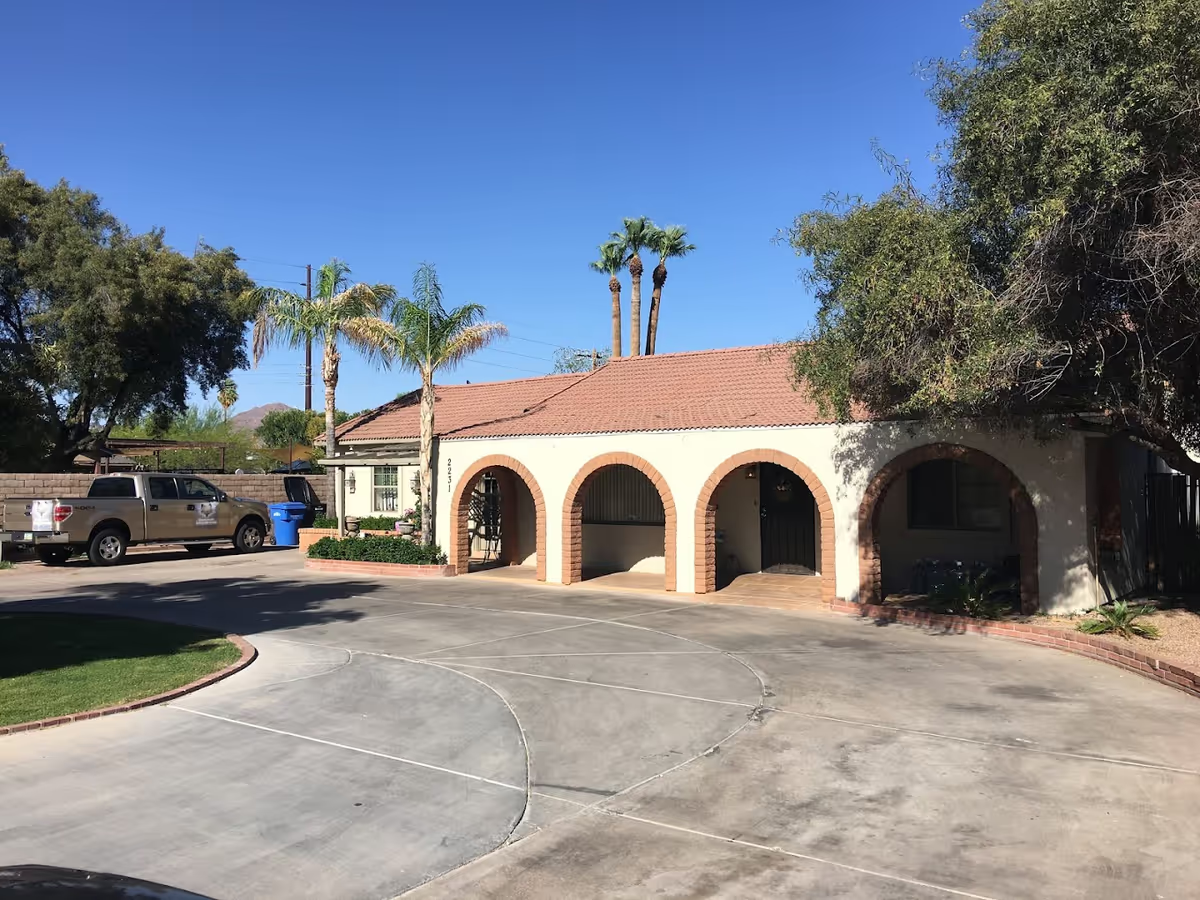
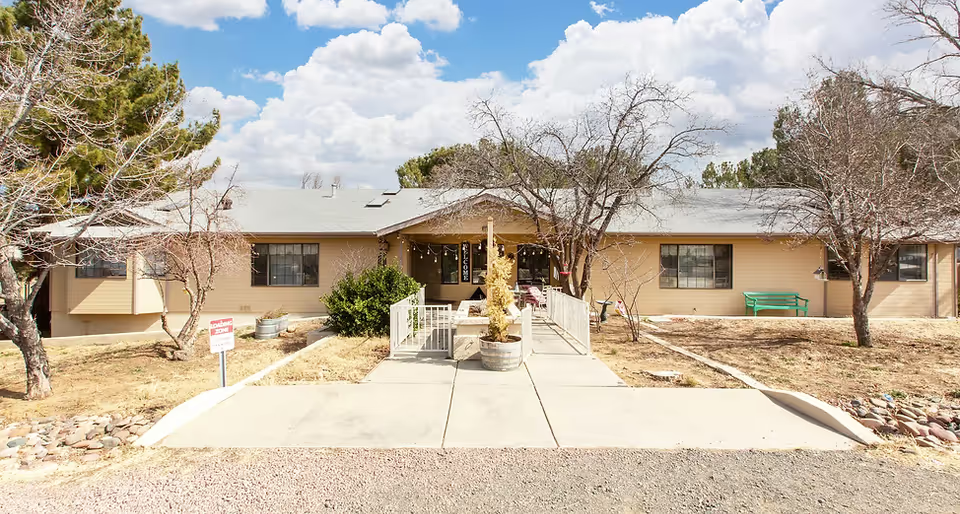
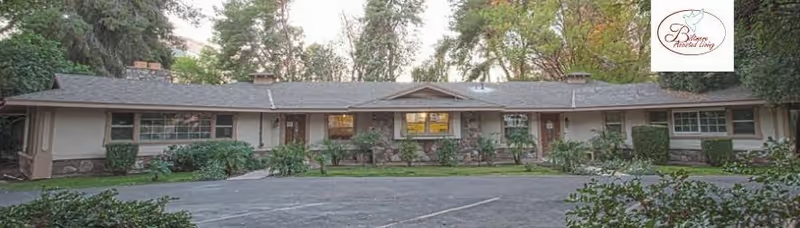
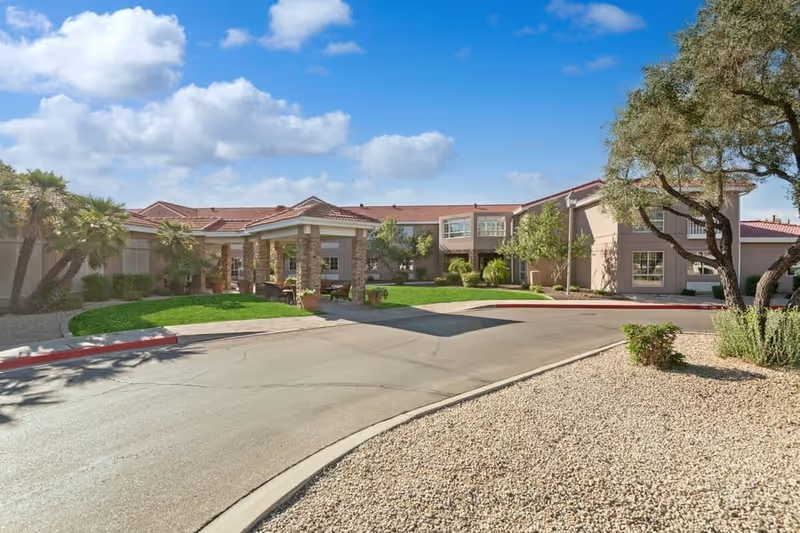
Facilities and accessibility: The physical plant ranges from well-maintained, airy rooms with attractive landscaping to older, dimly lit areas with limited space for mobility aids. Several reviewers highlight roomy common areas, outdoor patios, and accessible bathing equipment, while others describe cramped apartments, circulation constraints for walkers/wheelchairs, and odor concerns in some interior spaces. On-site conveniences (medical services, stores) and a pleasant campus aesthetic are strengths where maintenance is consistent.
Management and notable patterns: Operational concerns cluster around transparency and consistency—examples include unexpected billing adjustments, disputes over deposits, and reports of abrupt discharge requests. Some reviewers used strong language about these events; in a few cases there are allegations of owner-driven pressure or contentious owner–family interactions. Demand indicators such as a waiting list are present, but families should confirm current pricing, private-room availability, and written policies on billing and discharge.
Overall, Kivel Campus appears to offer a supportive, activity-rich environment with particular strengths in memory-care programming and daily social life. The principal caveat is variability: care practices, staff communication, physical-condition standards, and management responsiveness appear uneven across units and over time. Prospective residents and families would benefit from an in-person tour that assesses medication procedures, staffing patterns, transfer and room-access protocols, activity offerings for the relevant care unit, and clear written policies on billing and grievance resolution before making a placement decision.