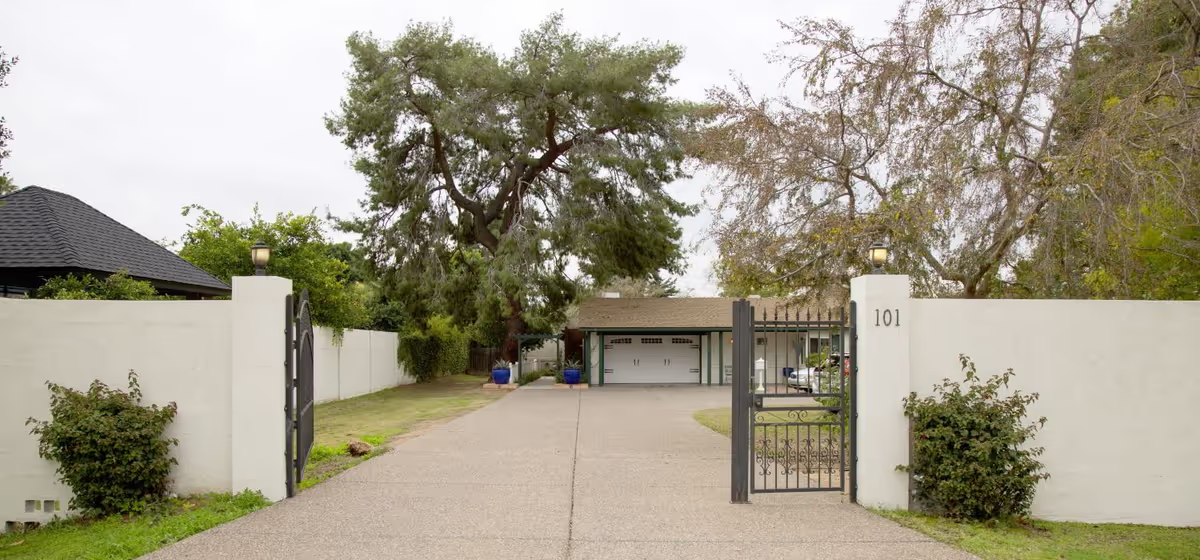
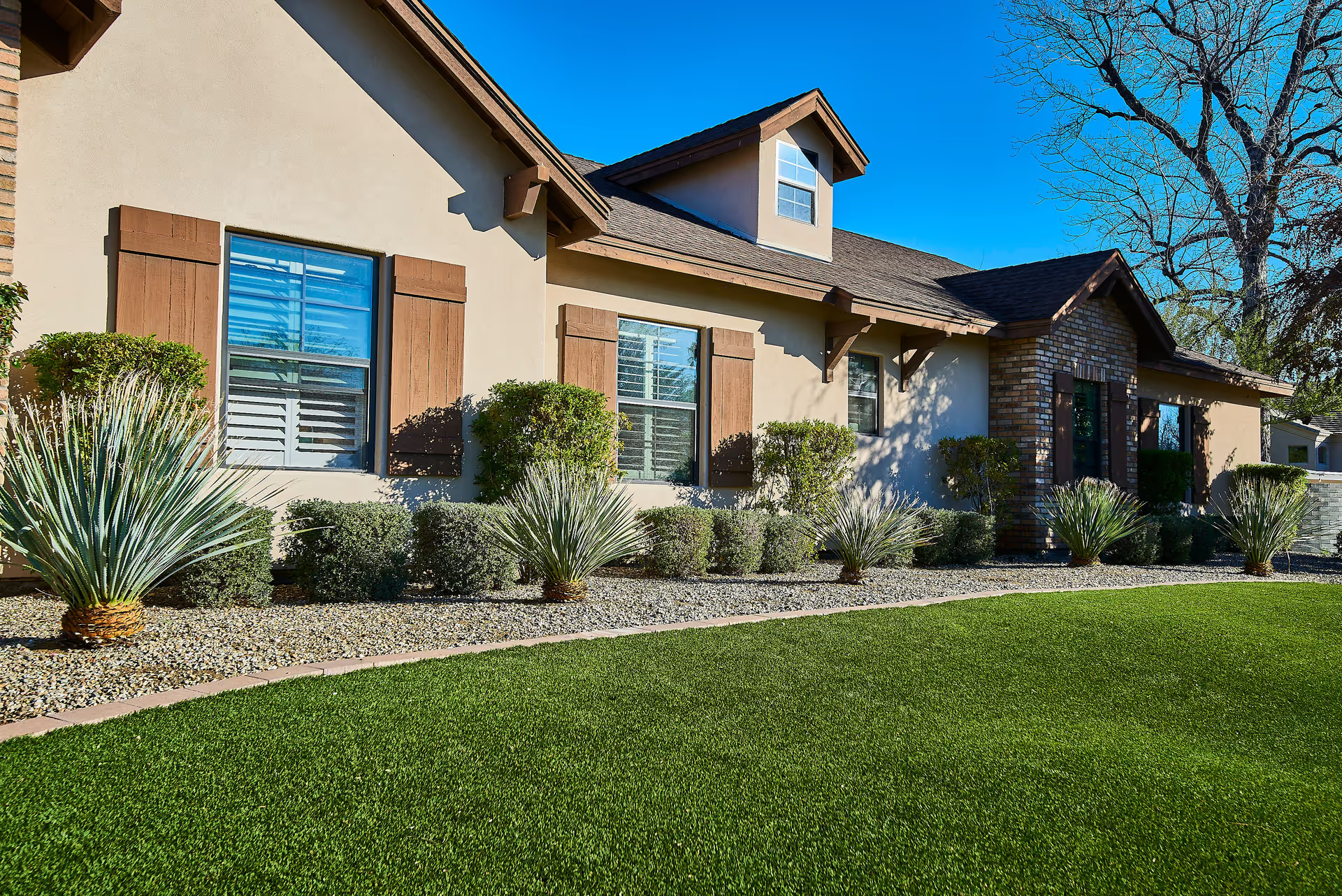
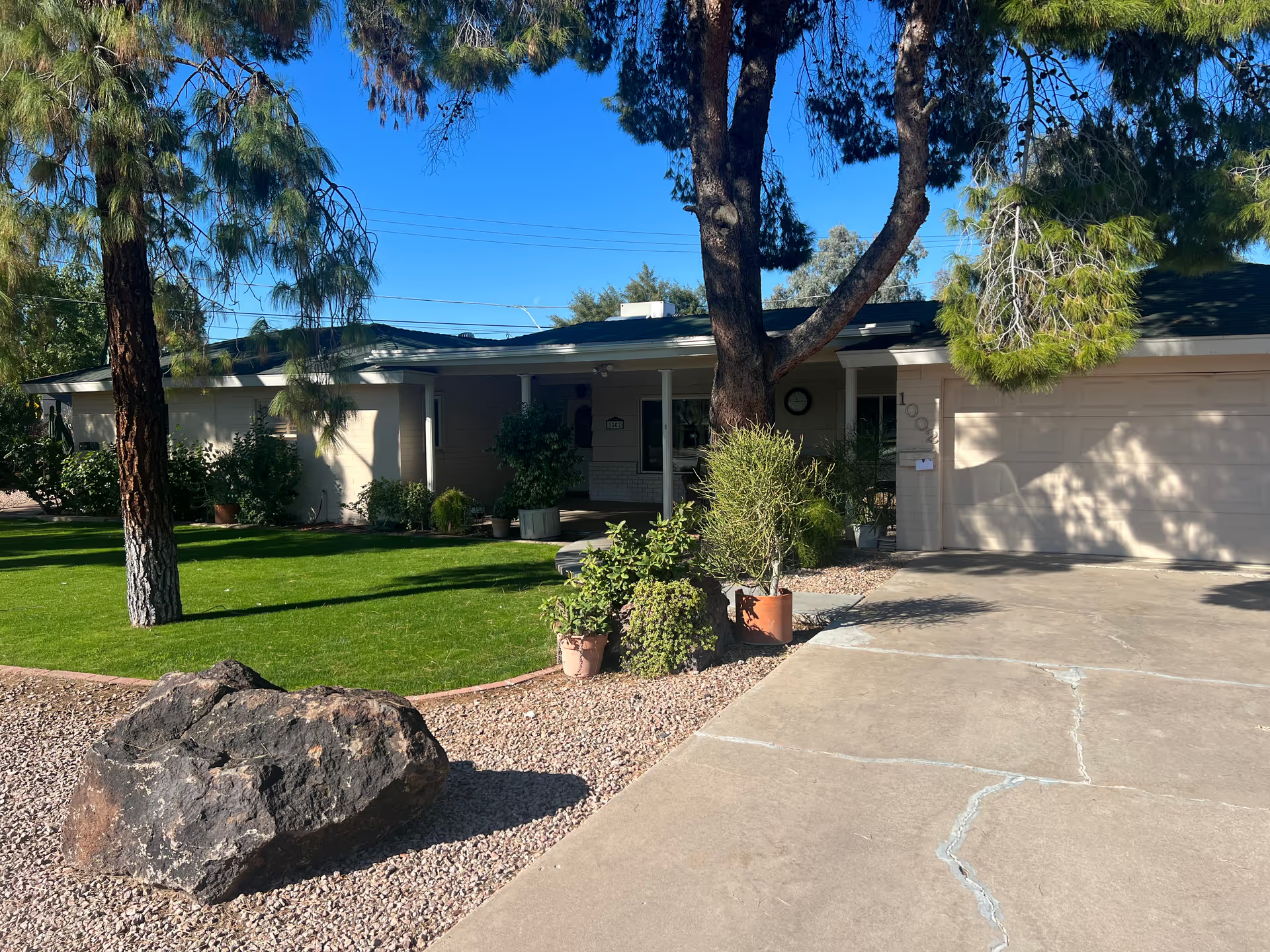
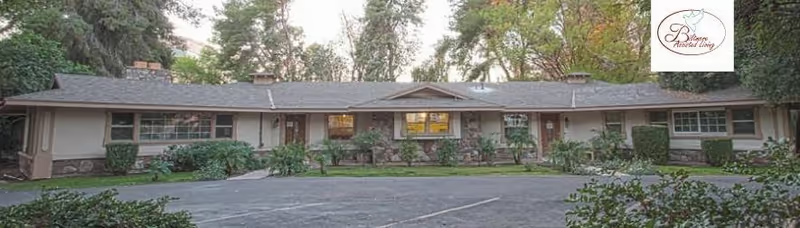
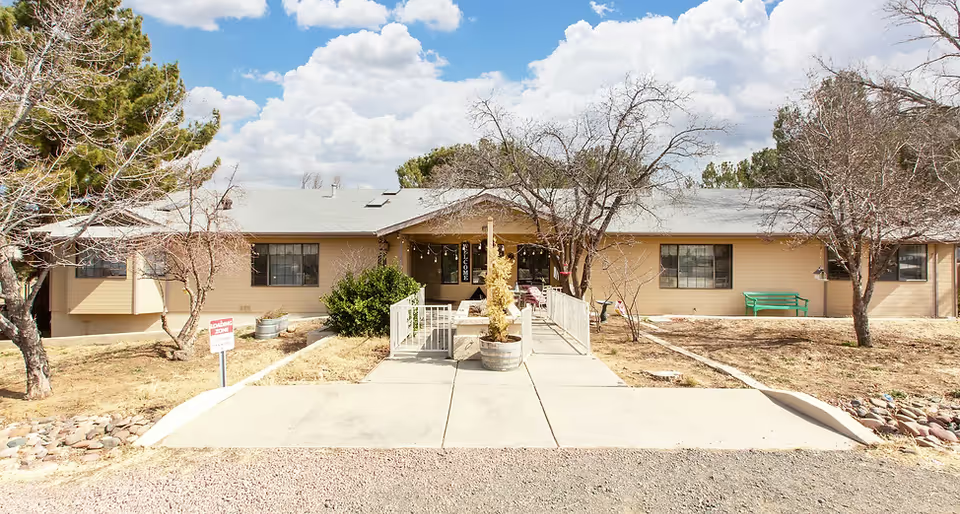
Madison Meadows is frequently described as an affordable, community-oriented independent living option with notable social and amenity strengths. Many reviewers praise the staff for being compassionate, personable, and engaged; on-site managers are often singled out for hands-on leadership. The facility’s single-story, patio-style layout, ADA-accessible features, and amenities such as a heated pool, spa, fitness offerings, and communal gathering spaces contribute to a sense of accessibility and social connection. For prospective residents seeking a budget-friendly independent-living environment with regular meals, housekeeping, and a varied activities calendar, Madison Meadows presents clear advantages.
Dining and programming are central features in reviewers’ experiences. The community provides three meals daily, often prepared by on-site kitchen staff or a chef, and many residents and families report enjoying the dining room environment and portions. At the same time, a recurring pattern is inconsistency in meal quality, menu variety, and fresh produce availability; some reviewers praised the food while others described bland or repetitive offerings. Activity programming is robust on many days—exercise classes, pool aerobics, games, outings, and social events are commonly available—and contributes to residents’ improved engagement and mood, though continuity and participation levels vary depending on staffing and scheduling.
Operational and care-related patterns are mixed. Several reviewers noted reliable, attentive assistance for day-to-day needs, medicine set-up support through a contracted medication service, and flexibility to bring outside caregivers. Conversely, there are repeated concerns about staffing shortages, high turnover, and lapses in medication-management and clinical follow-up that have affected punctuality of services and occasional resident safety interventions. The community is positioned as independent living; families seeking more intensive assisted-care or memory-care services should clarify on-site clinical capabilities and transition protocols before moving in.
Facility condition and management practices show contrasts. Many accounts describe clean, well-kept common areas and quick responses for routine repairs, while other accounts highlight aging infrastructure—cosmetic wear, occasional water intrusion, and maintenance delays. Transportation services and shuttle availability are offered but have been inconsistent for some residents. Financial and administrative issues appear as a substantive concern for some families: questions about fee transparency, billing changes, and, in a few serious accounts, allegations of financial misconduct and property mismanagement. There are also mentions of pest-control concerns and relocation events tied to those issues; prospective residents should inquire specifically about pest-control policies and past remediation actions.
Bottom line: Madison Meadows often meets expectations for sociability, affordability, and basic independent-living amenities, and it can be a good fit for seniors who are largely independent and value active programming and a close-knit community. Prospective residents and families should conduct targeted due diligence on meal plans and dietary accommodations, medication handling and clinical support, shuttle reliability, maintenance response times, and billing/fee policies before committing. Visiting at mealtime, meeting the on-site management team, reviewing recent pest-control records, and obtaining written details about clinical limitations and transfer pathways will help clarify whether the facility matches a particular resident’s care and safety needs.