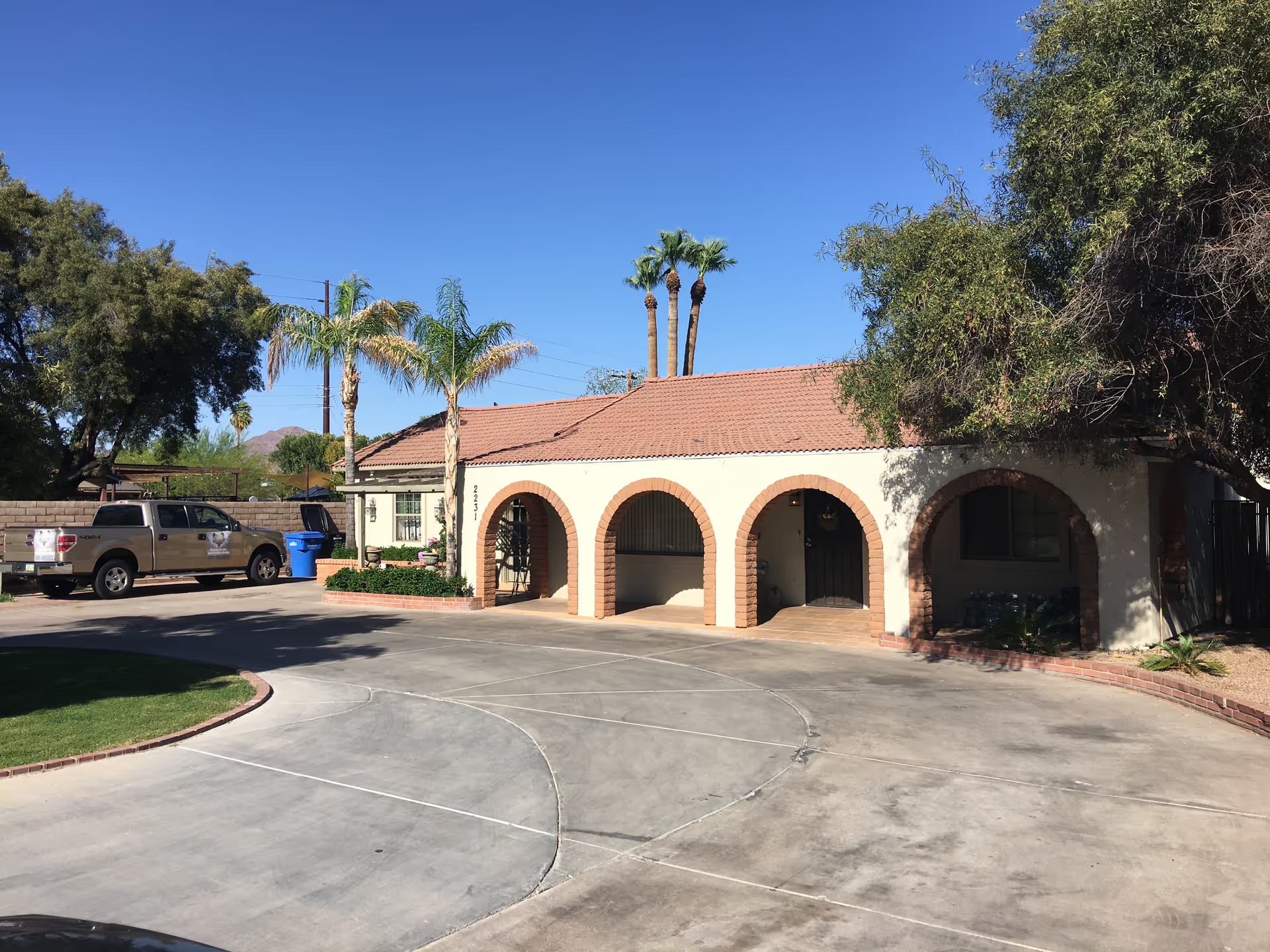
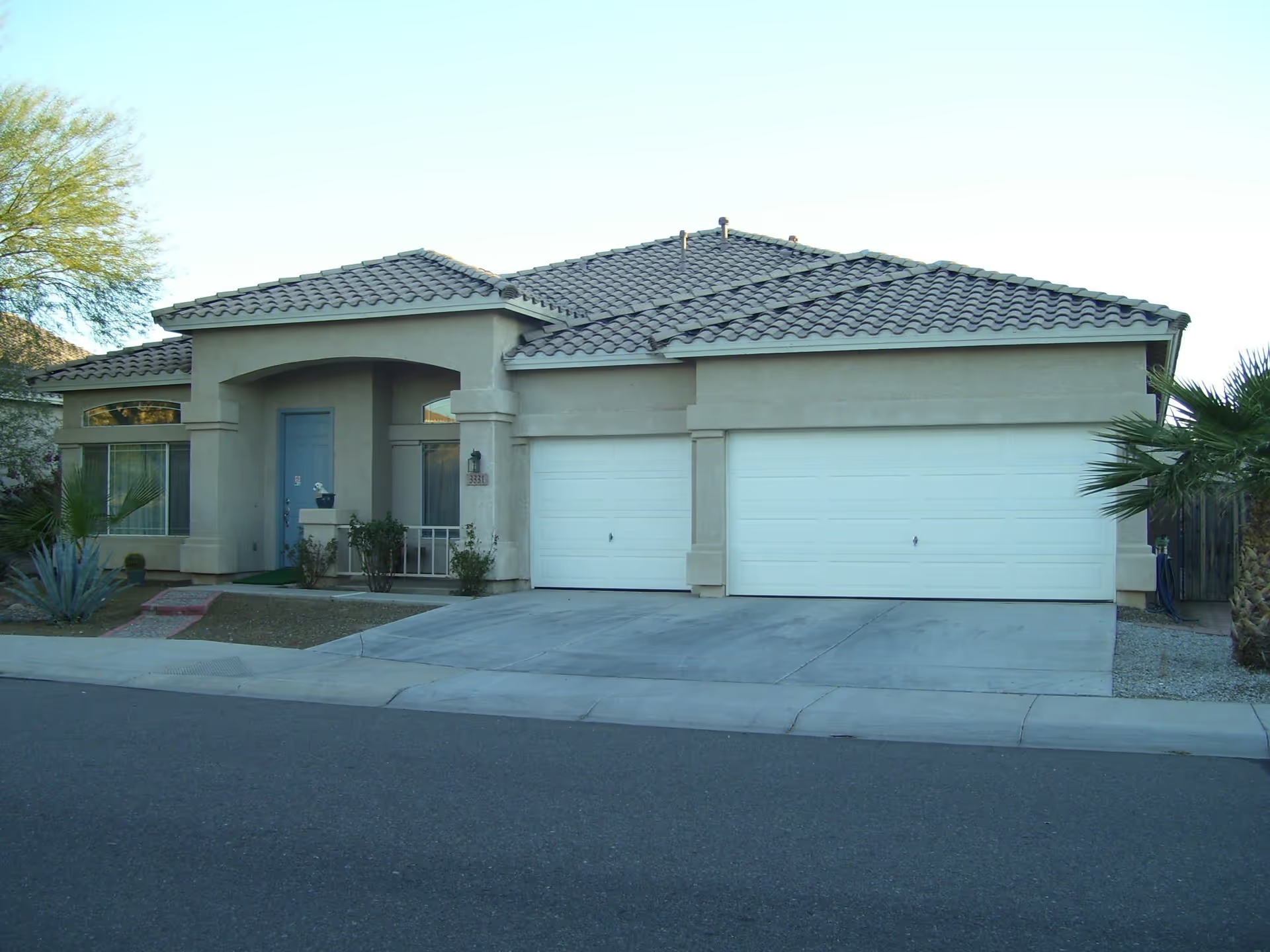
The reviews present a strongly mixed picture of Resolve Harmony Center. Many families and residents describe a caring, team-oriented culture with staff who are attentive, compassionate, and willing to provide extra support. Positive accounts emphasize effective rehabilitation outcomes, engaging activities, enjoyable meals, welcoming common areas and outdoor space, and leadership that fosters staff development. These strengths suggest the facility can provide a comfortable, social environment and meaningful therapy for some residents.
At the same time, numerous operational concerns recur across reviews. Clinical monitoring and responsiveness are described as inconsistent, particularly during nights and weekends, and there are cited gaps in medication administration and IV-treatment follow-up. Several accounts point to variability in staff competence and training between shifts, which appears to contribute to uneven care quality. Communication with families and care coordination are also frequently cited as problem areas; examples include delayed family notifications and difficulty contacting physicians or obtaining timely clinical updates.
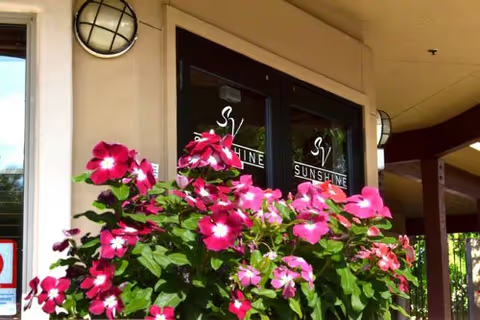
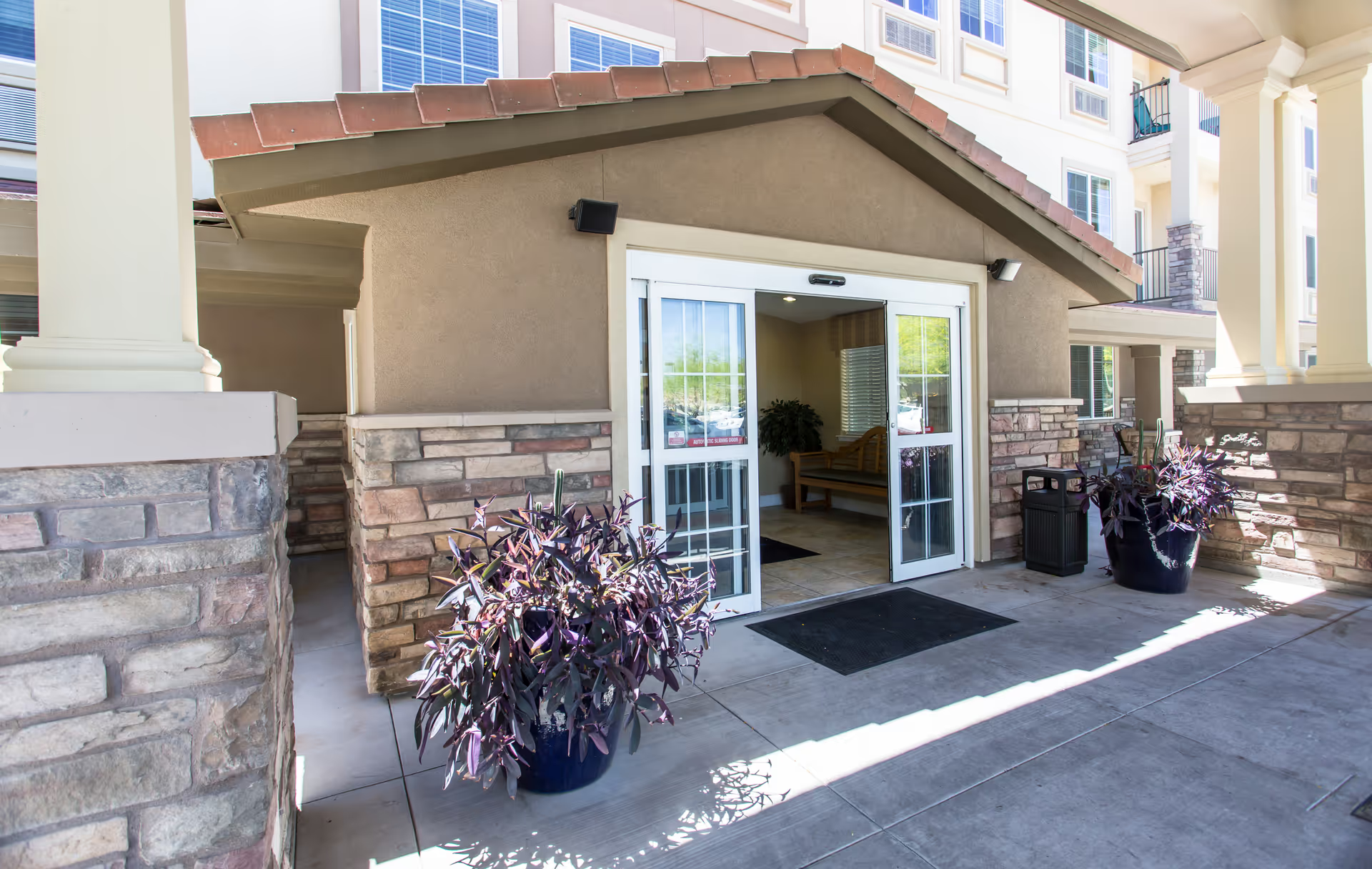
Facility and environmental issues are a prominent pattern. While some reviewers praised updated décor and cleanliness in certain areas, others reported sanitation concerns, pest-control issues, and inconsistent housekeeping or linen and trash routines. These contrasts suggest that environmental standards may vary by unit or shift. Dining and activities are overall strengths for many residents: meals and programming receive numerous positive mentions, and therapy services are credited with measurable functional improvements for some patients. However, there are also reports of variability in meal quality and service continuity.
Management and administrative practices draw mixed evaluations. Several reviewers commend leadership for being attentive, inclusive, and focused on improvement, and some staff describe a supportive workplace culture. Conversely, there are serious administrative complaints including lack of billing transparency, alleged financial irregularities, confidentiality lapses, and concerns about grievance handling and potential retaliatory responses. There were also allegations of severe incidents, including concerns following a resident's death, that reviewers cited as reasons for heightened scrutiny.
Notable patterns for prospective families: strengths tend to center on individual staff members, therapy outcomes, and social programming, while weaknesses cluster around operational consistency—cleanliness, staffing coverage, medication processes, communication, and administrative transparency. Visitors should conduct an in-person tour, observe mealtimes and activities, ask for current inspection reports, inquire about staffing levels (including nights/weekends), request details on medication and IV protocols, and clarify billing and grievance procedures before making placement decisions.