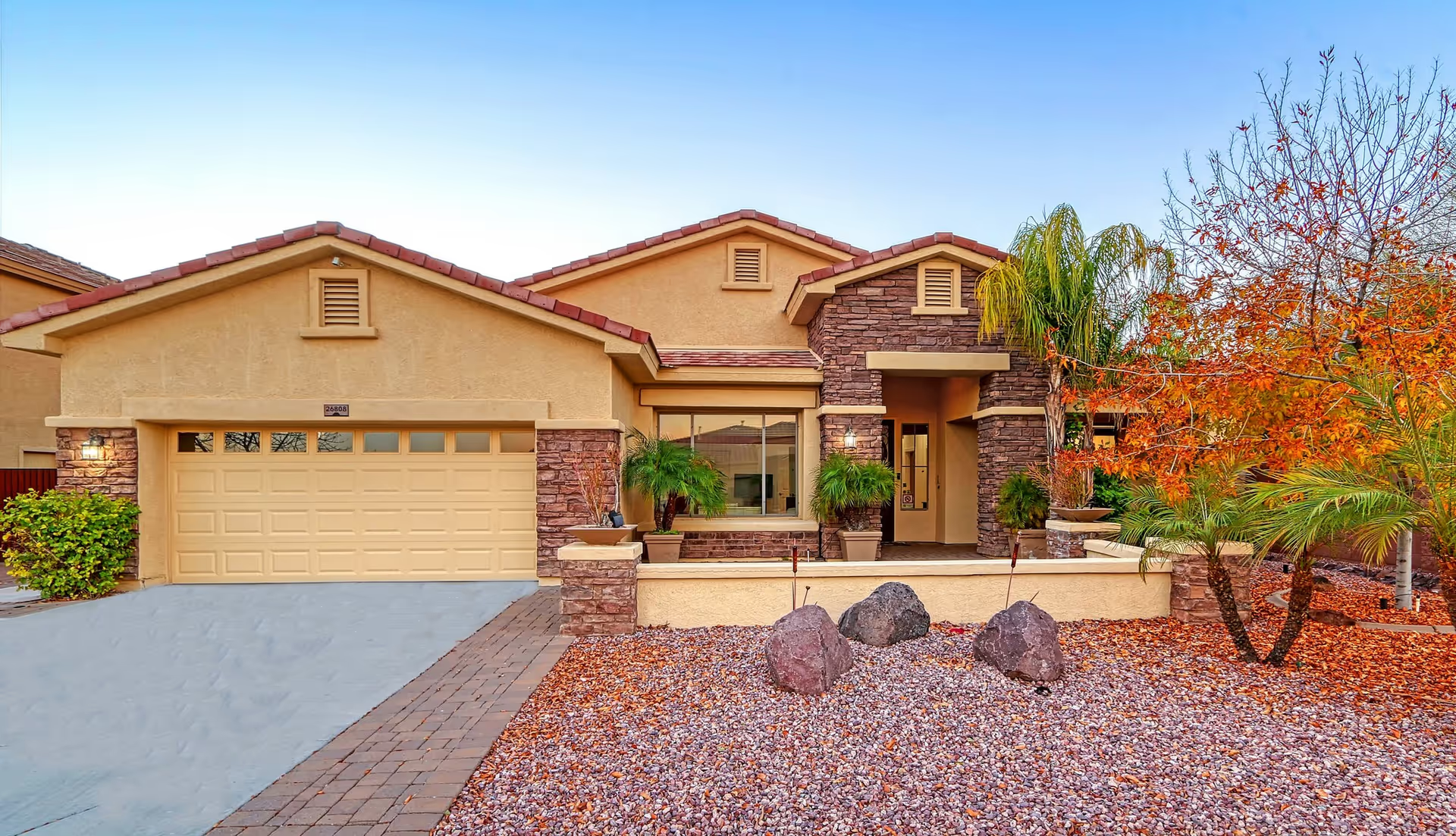
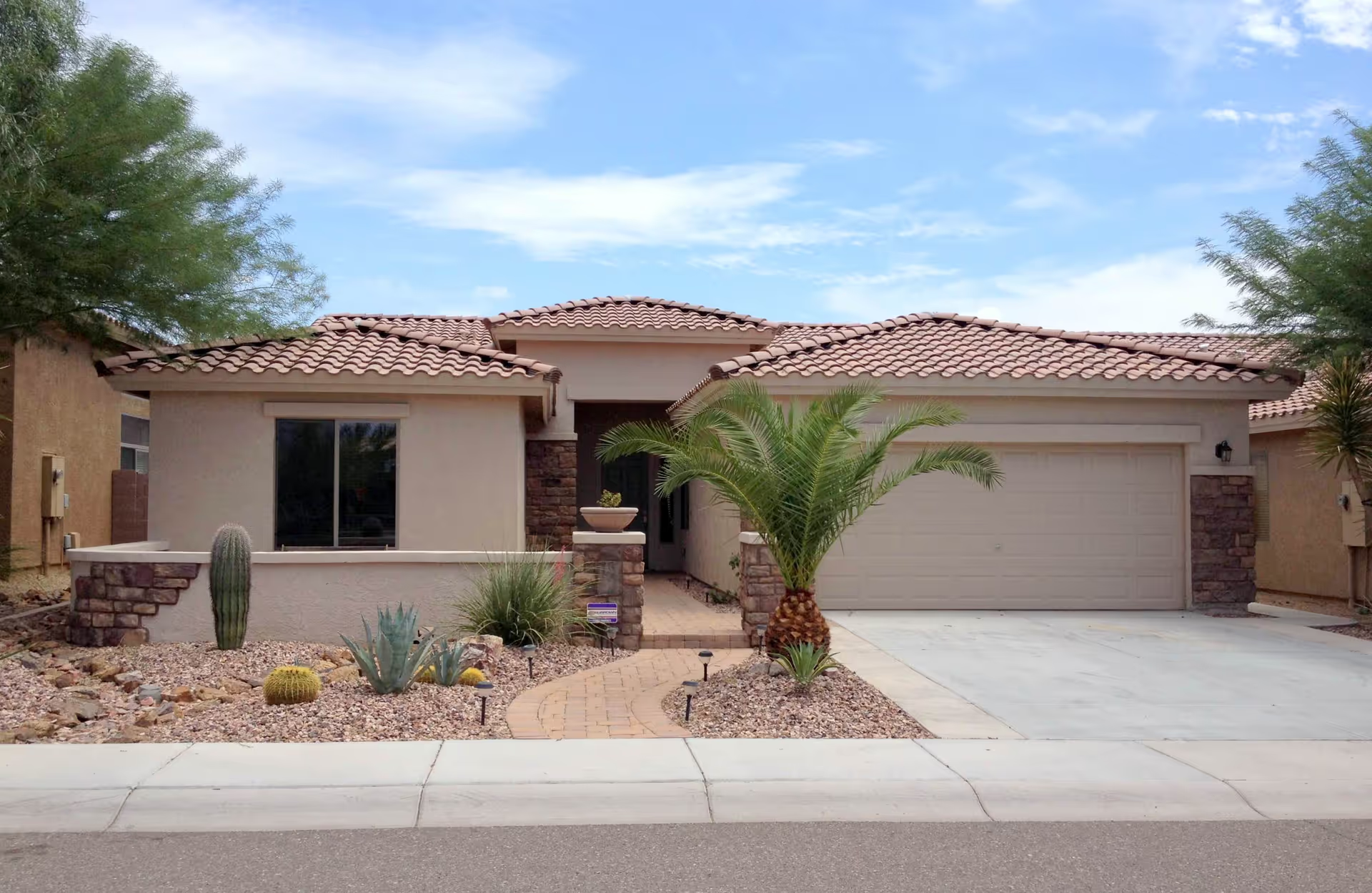
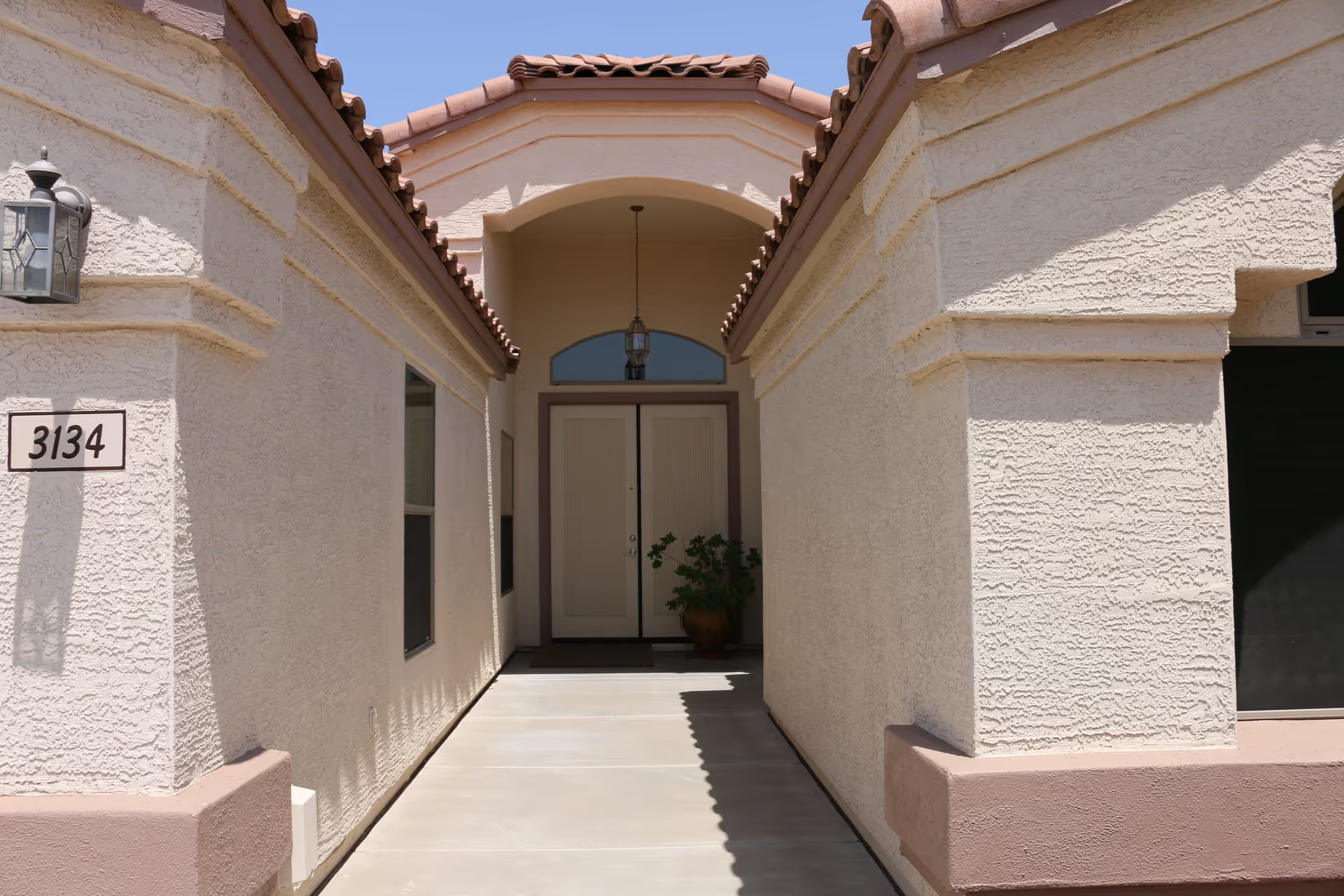
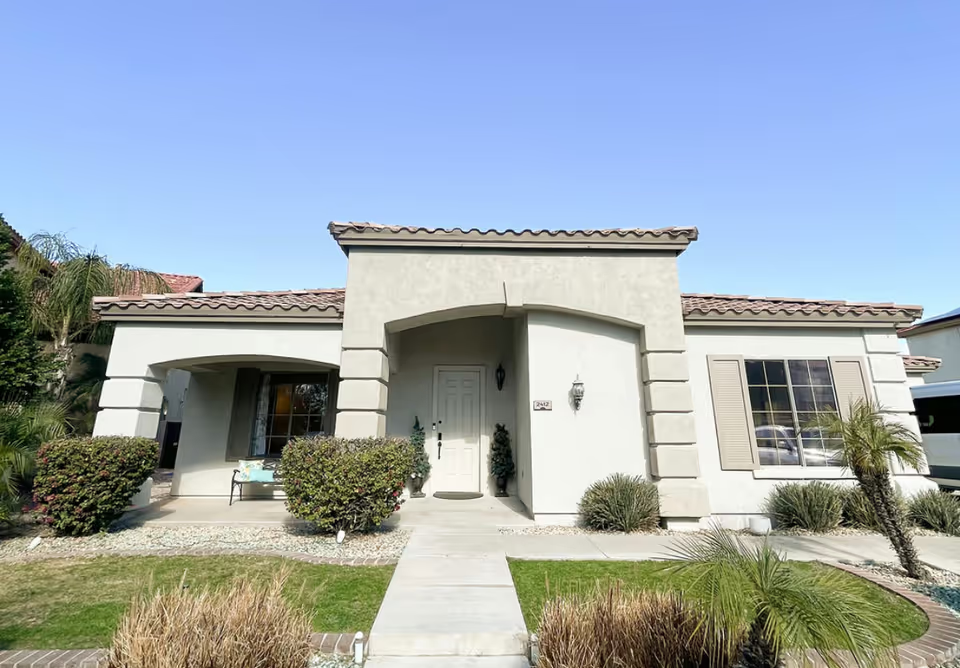
Overall impression: The Retreat at Alameda is described as a clean, modern community with a homelike presentation and strong frontline hospitality. Families frequently highlight courteous reception, thoughtful move-in support, and well-maintained apartments and common areas. Housekeeping and room cleanliness are consistently praised, and the site’s amenities and decor are seen as strengths for prospective independent and assisted-living residents.
Staff and care quality: Caregivers are repeatedly characterized as compassionate, attentive, and family-focused. Many accounts describe responsive management, collaborative coordination with outside clinicians, and around-the-clock attention when needed. Families note clear communication, outreach after transitions, and a leadership presence that is engaged in resident welfare. At the same time, feedback points to periods when staff are very busy, particularly in the memory-care neighborhood; this creates an operational strain that can affect service pace and staff well-being.
Dining and activities: Dining experiences are often described as positive — well-presented, festive service and generally good meals in the main community. Activity programming is likewise noted as robust, with a wide variety of events and social engagement opportunities and active encouragement of family participation. However, there are notable inconsistencies: dining quality and meal palatability appear to differ between the general community and the memory-care unit, and activity offerings in memory care may not be sufficiently tailored to higher-functioning residents seeking more engaging, individualized programming.
Memory care specifics: The facility’s memory-care unit is small and secure, which some families value for intimacy and safety. Conversely, reviewers highlight operational weaknesses in that neighborhood: constrained staffing levels during busy periods, a comparatively dim or less inviting atmosphere in portions of the unit, and activity/dining mismatch for certain residents. These patterns translate into concerns about whether the memory-care environment will meet the needs of residents who require more stimulation or consistent supervision.
Management and operational patterns: Management and select staff leaders receive positive comments for responsiveness, low turnover in some teams, and a family-centered approach. At the same time, comments reflect caregiver workload pressures and occasional mismatches between advertised amenities/policies and on-the-ground implementation (for example, pet policy enforcement and unit detail clarifications). Pricing for memory care is noted as relatively high; prospective families should weigh cost against available programming and service levels.
What prospective families should verify: Given the mixed signals between strong general-care feedback and specific memory-care concerns, prospective residents and families would benefit from targeted inquiries and observation. Recommended questions and checks include: current staffing ratios and shift coverage in memory care; examples of activity programming for higher-functioning memory-care residents; sample menus and meal-service practices by neighborhood; written pet-policy enforcement practices; exact layout/lighting of specific memory-care rooms to confirm ambiance; and a clear fee schedule for memory-care services. A tour that includes activity times and mealtimes will provide the most direct sense of daily operations.
Bottom line: The Retreat at Alameda appears to offer many operational strengths — attentive staff, clean facilities, active programming, and engaged leadership — that provide peace of mind for many families. However, there are consistent operational concerns localized to the memory-care neighborhood (staffing intensity, dining and activity consistency, and atmosphere) that warrant focused evaluation by anyone considering memory-care placement.