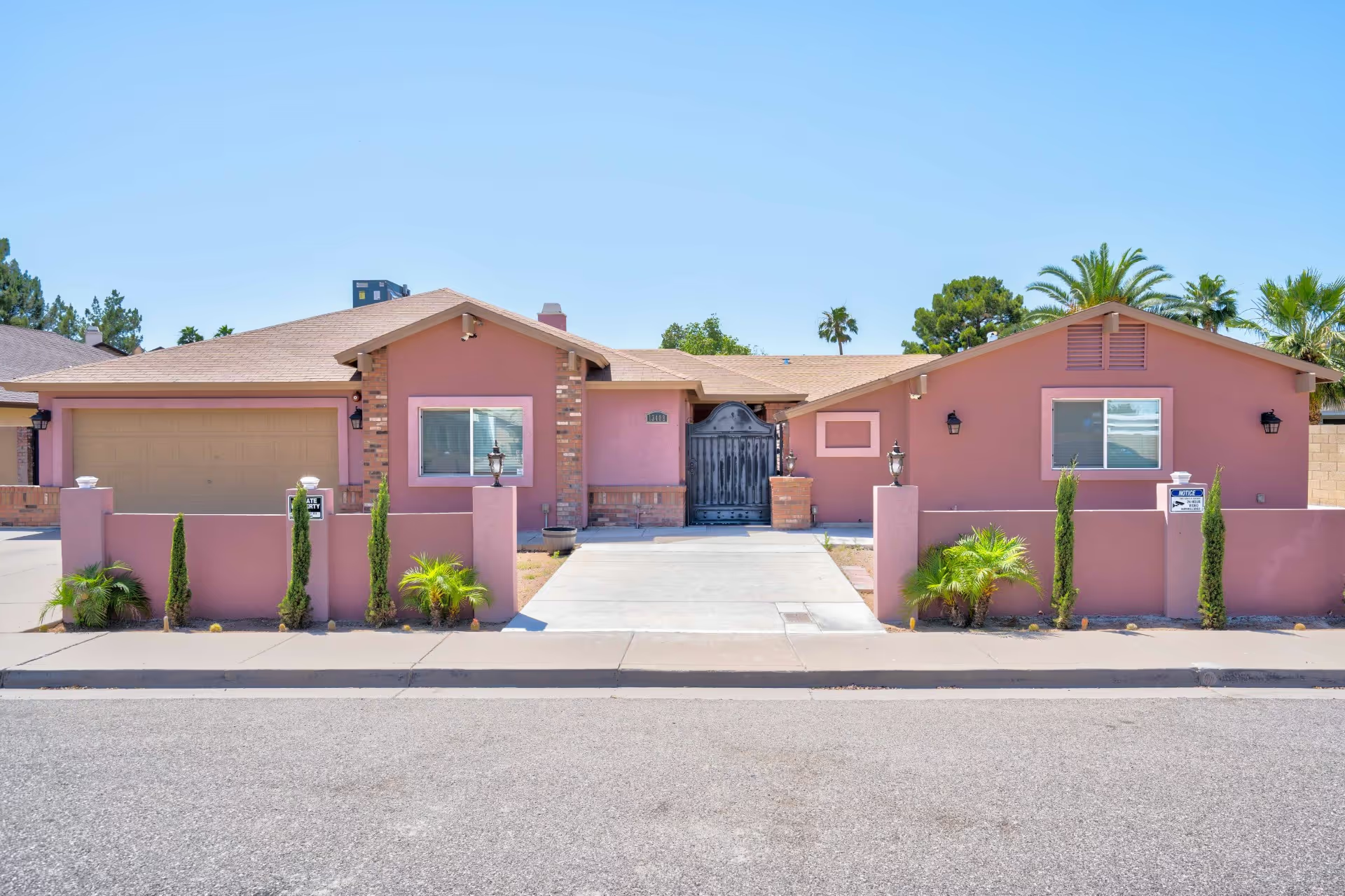
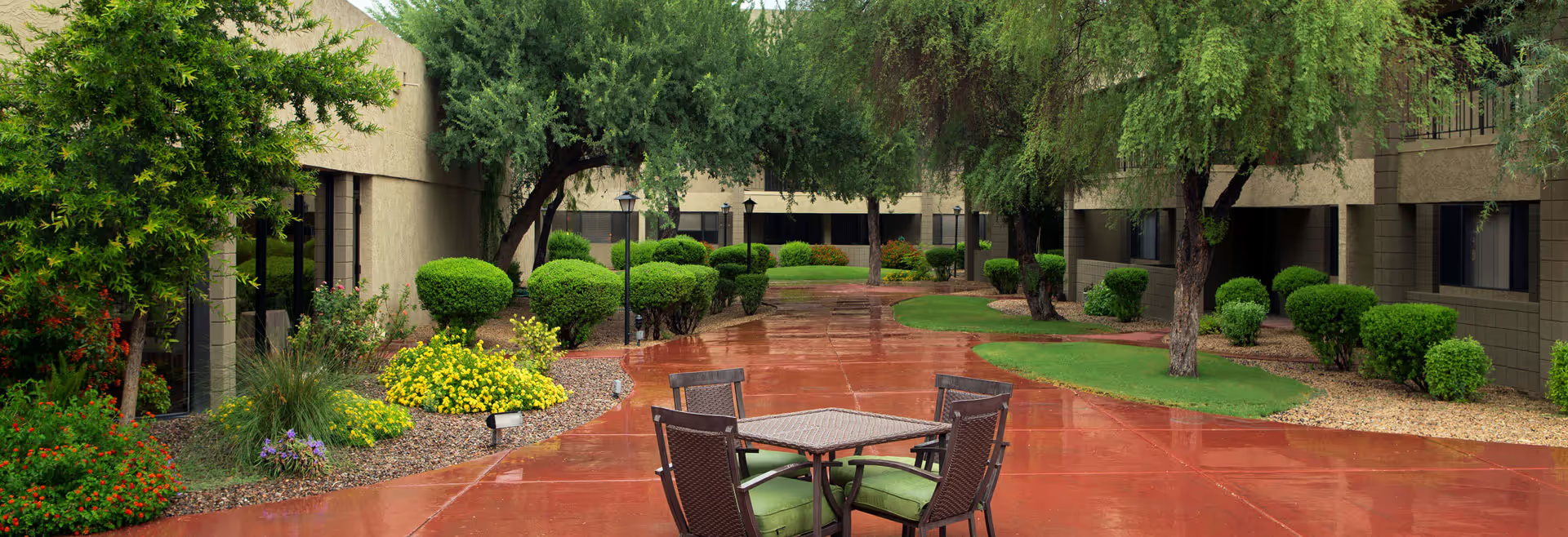
Overall impression: Review summaries portray The Sanctuary of Phoenix as a small, home-like assisted living setting with several strengths in day-to-day caregiving and cleanliness. Families frequently described staff as caring, helpful, and informative, with individual caregivers singled out by name for positive interactions. The physical environment was described as clean and fresh-smelling, and meals were characterized as satisfactory by residents and families.
Care and staff: The facility is consistently associated with compassionate, attentive staff who provide individualized attention and guidance to families navigating care-home processes. Staff members were described as accommodating during care transitions. At the same time, reviewers noted variability in staff performance, indicating inconsistent staffing or differences in caregiver skill or approach. That variability suggests prospective families should ask about staffing stability, caregiver training, and handover procedures.
Dining and activities: Dining received positive mentions—residents were reported to enjoy the food. Activity programming, however, received less attention; few specific activities were described, implying limited or low-profile recreational offerings. Prospective residents who prioritize structured social or recreational programming should request details about the typical daily and weekly activity schedule.
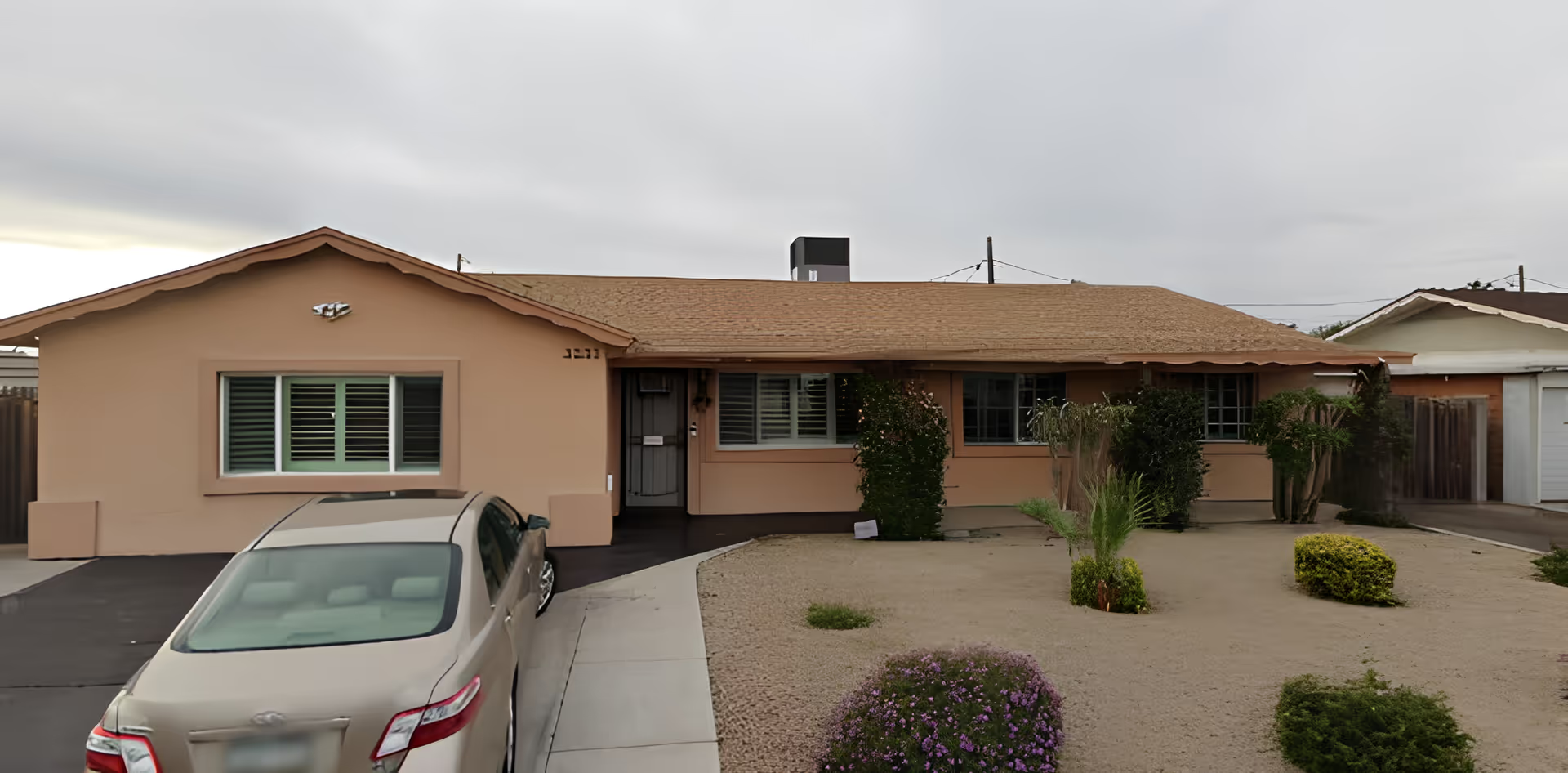
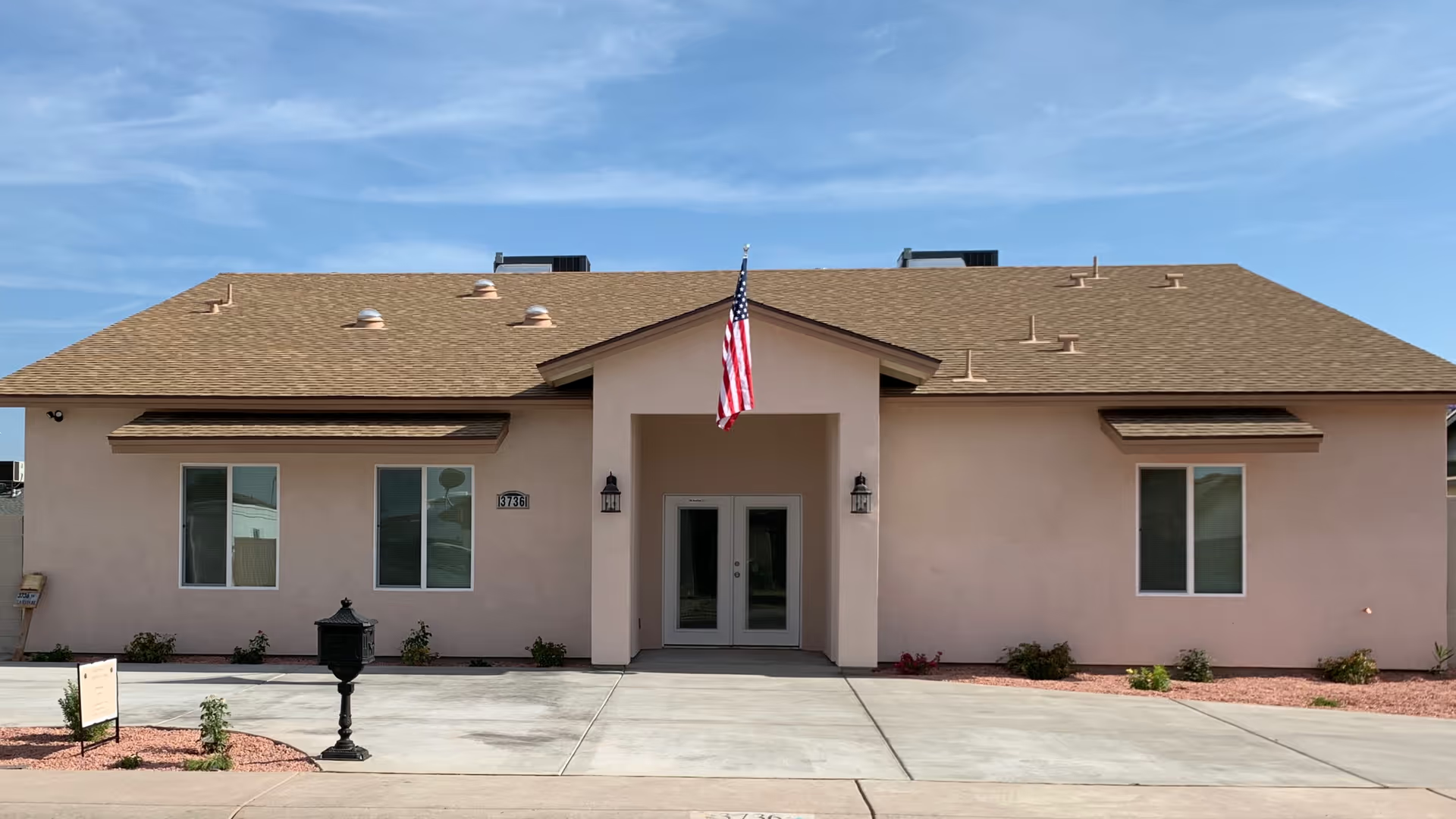
Facilities and cleanliness: The building is reported as clean and orderly, and many reviewers noted a home-like atmosphere. At the same time, the décor and interior appearance were described as dated or stark in places. Sanitation was generally viewed positively, but there were isolated concerns about handling of personal hygiene items (for example, a toothbrush mix-up). Families should inquire about personal-item labeling, infection-control protocols, and housekeeping routines.
Management and operational concerns: Several summaries raised operational issues that are separate from frontline caregiving. These include unclear deposit and refund handling and difficulties reaching administrative leadership by phone or text. There was also at least one account that connected a resident illness and subsequent hospitalization with questions about clinical follow-up after a return home; this suggests potential gaps in post-discharge monitoring and family communication in some cases. Prospective families should review contract terms carefully, confirm deposit/refund policies in writing, and ask how clinical changes and incidents are communicated to families.
Notable patterns and recommendations: The strongest, consistent positives are the attentive caregiving, cleanliness, and the facility's home-like feel. The most important operational weaknesses to evaluate in person are staffing consistency, activity offerings, personal-hygiene handling procedures, and administrative responsiveness around contracts and refunds. When considering this facility, ask for written policies on personal-item management, examples of the activity calendar, staff turnover statistics, and documentation of deposit/refund procedures and typical response times for administrative inquiries.