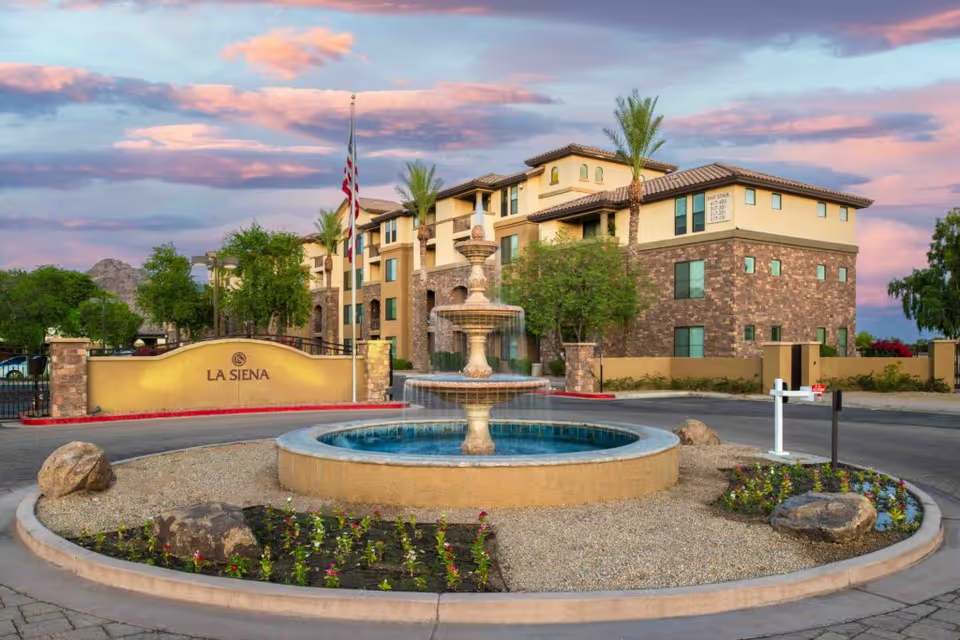
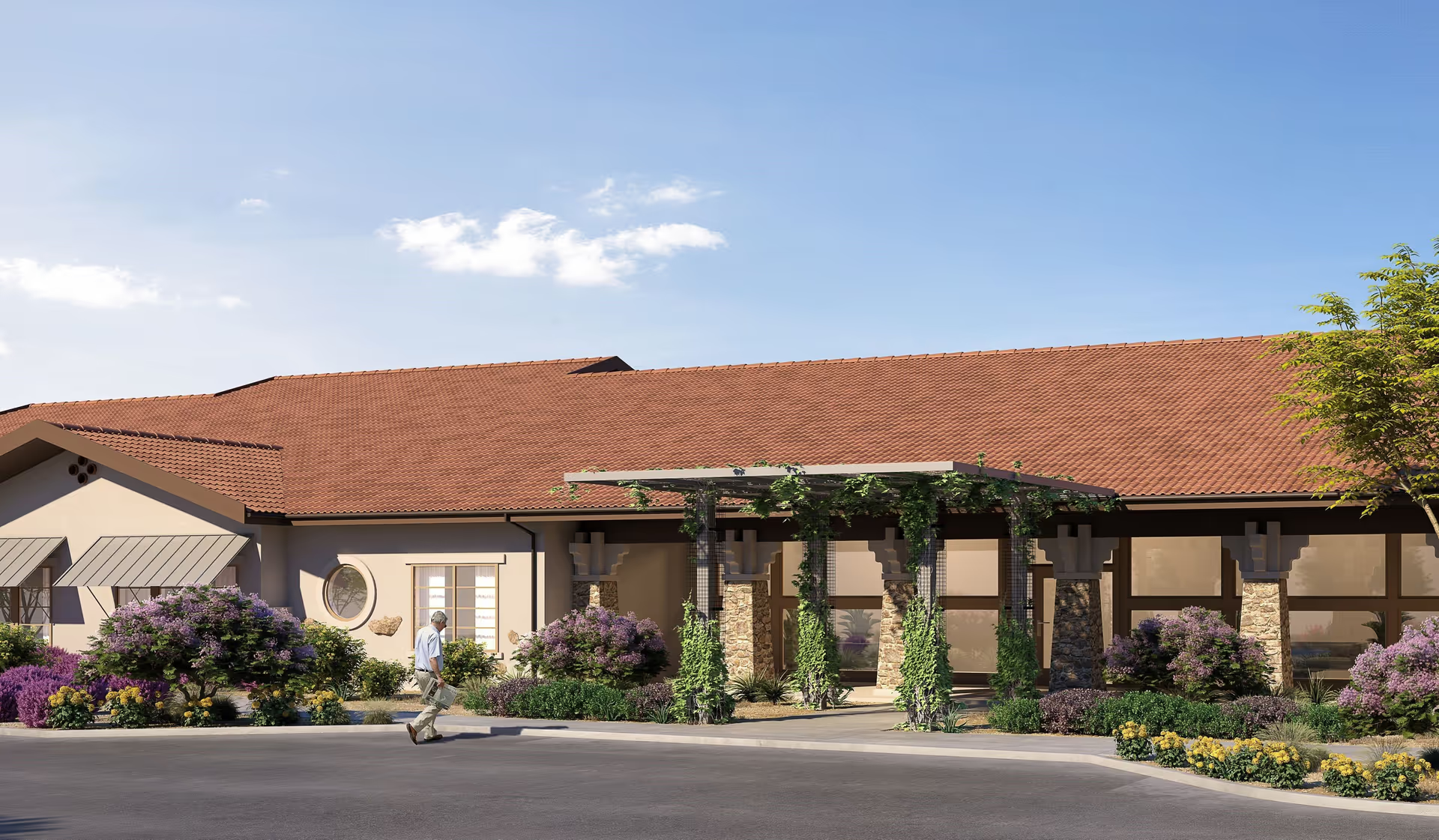
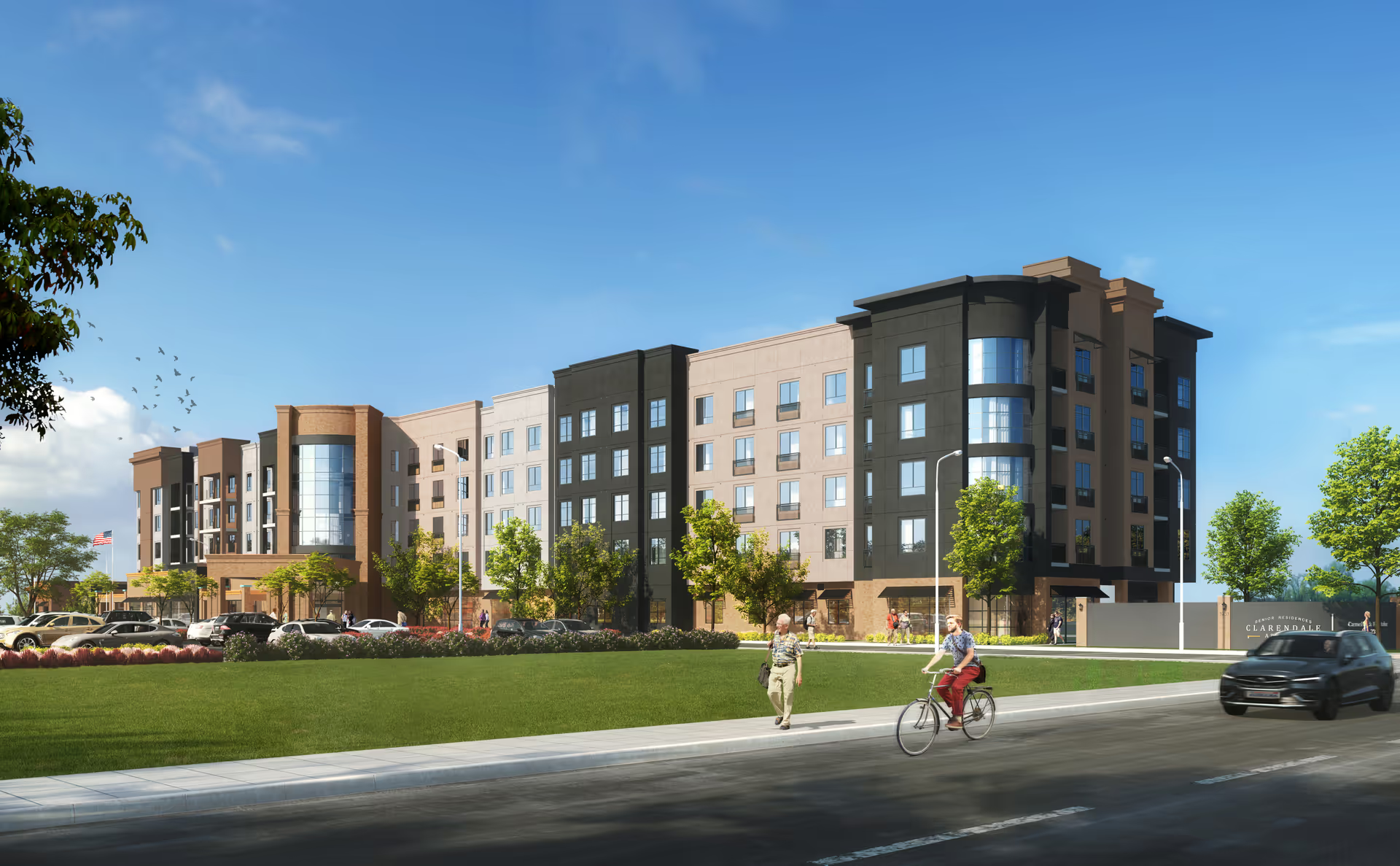
The Terraces of Phoenix presents as a well-appointed, resort-style senior living community with extensive amenities and a strong rehabilitation profile. Many reviewers highlight modern, hotel-like facilities, attractive Spanish-villa architecture, and meticulously maintained grounds. Apartment units are described as spacious and accessible, with features such as garages, ample closets, and outdoor balconies. The physical plant includes multiple dining venues, a casual bistro and formal dining room, a comprehensive fitness center, pool, library, salon, chapel, and a broad calendar of activities and continuing-education offerings.
Dining and daily-life services are frequently praised: reviewers note three fresh-cooked meals daily, abundant entrée choices, nutrition information (calorie/protein counts), salad-bar options, and active off-campus dining events. Housekeeping, routine maintenance, and groundskeeping are commonly described as reliable, contributing to a clean, welcoming environment. The community offers a robust array of social programming — exercise classes at multiple levels, clubs (gardening, bridge, mahjong), weekly happy hours, live entertainment, and organized outings — that support resident engagement and a social atmosphere many describe as lively and friendly.
Clinical and rehabilitative services receive mixed but often positive remarks. Several accounts emphasize effective physical, occupational, and wound-care therapies and on-site rehabilitation geared toward recovery. At the same time, there is variability in experiences with clinical staffing and acute-care responsiveness: some reviewers describe continuous nursing presence and strong therapy teams, while others report inconsistent night coverage, slow emergency responses, and concerns about medication administration and swallowing-assessment processes. These operational inconsistencies appear to drive the strongest differences in family satisfaction.
Staff quality is a central theme with two distinct threads: many families commend caring, attentive staff who remember residents' names and provide compassionate hands-on care; conversely, other accounts describe problem areas in staff conduct, low morale, and leadership shortcomings that affect team cohesion and communication. Administrative performance is similarly mixed. Some reviewers found admissions and insurance coordination to be smooth and helpful; others experienced opaque transfer and financial processes, unmet sales promises, non-transferable benevolence arrangements, and delays in administrative response. Financial terms and buy-in/non-refundable investments are flagged repeatedly as a high-cost element that warrants careful contract review.
Operational concerns that prospective residents and families should evaluate in person include clinical staffing patterns (especially night coverage and emergency procedures), medication and swallowing-assessment protocols, how complex dietary needs are accommodated, transparency of financial and benevolence policies, and property-security safeguards. Additional practical checks include pest-control measures for the desert setting, maintenance-response timelines, and observed dining service during a mealtime.
In summary, The Terraces of Phoenix offers a high-amenity, well-maintained environment with strong rehab services and abundant social programming that many residents and families value for long-term living or short-term rehabilitation. However, experience is variable: the facility demonstrates operational strengths in hospitality, therapy, and activities, while showing recurring administrative, staffing, and communication challenges that prospective residents should probe during tours and contract reviews.