Overall impression: Reviews portray Prescott Valley Assisted Living as a small, non-corporate community with a strong emphasis on dementia and Alzheimer’s care. Families consistently highlight compassionate, attentive staff, calm administration, and a home-like, family atmosphere. Named staff and medical contacts receive specific praise for dementia expertise and timely medical communication, contributing to an impression of individualized clinical oversight and responsive care.
Care quality and staff: The facility is repeatedly described as having staff who are knowledgeable about both the mental and physical needs of residents with dementia. Medication management is cited as a positive clinical practice, with reviewers noting reductions or adjustments that improved resident balance and comfort. Staff continuity and a stable caregiving team are emphasized; reviewers report that the community feels safe and nurturing and that staff interactions are respectful and calming for residents.
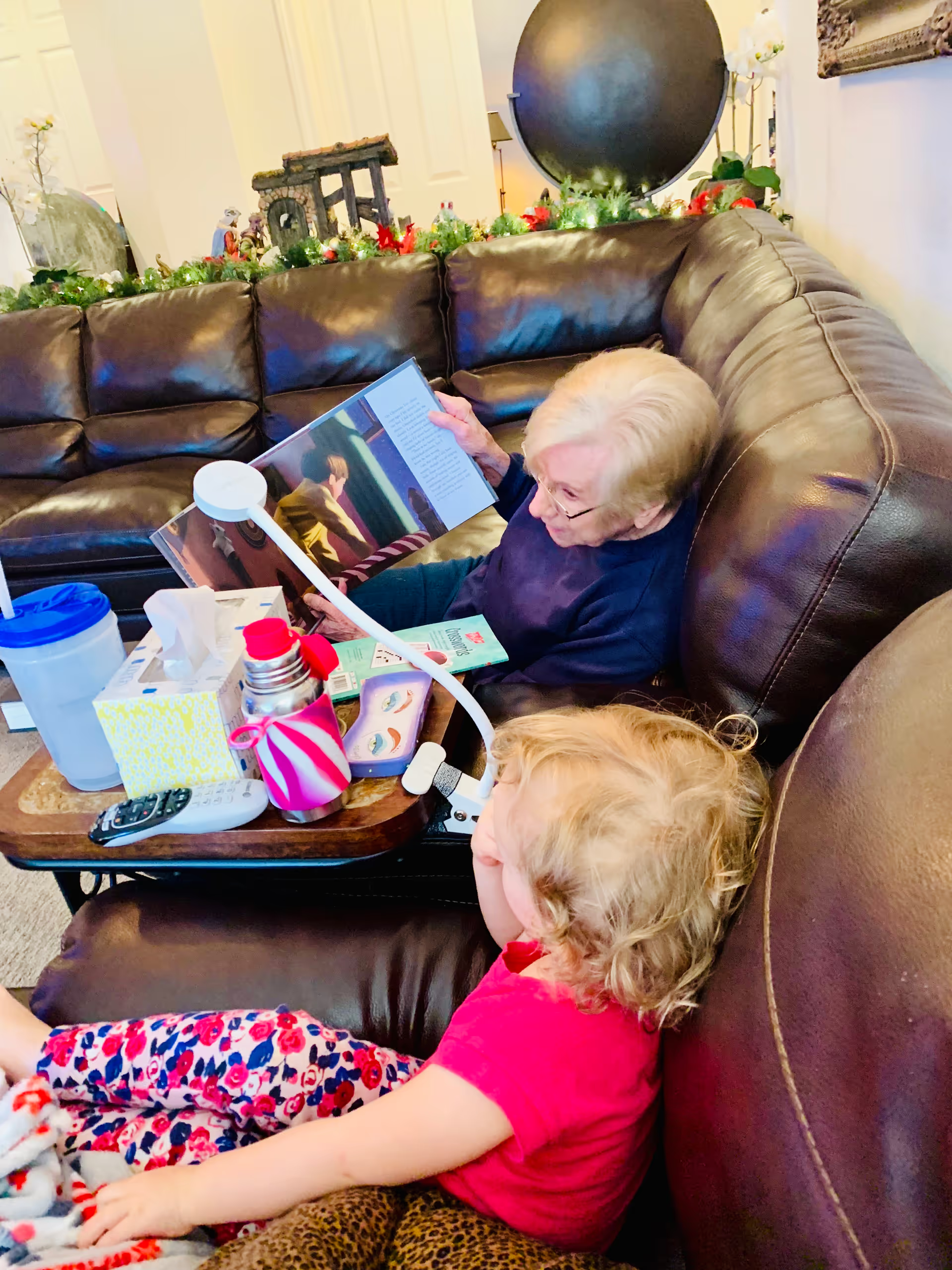
Dining and activities: Dining is characterized as home-cooked with healthy portions and a comforting style appropriate for a residential setting. Activities appear to be focused on engagement that suits residents with cognitive impairment — for example, puzzles and celebrations are mentioned as regular programming that fosters social interaction. While these core activities are praised for keeping residents engaged, fewer details are provided about a wider range of activity options or individualized recreational programming.
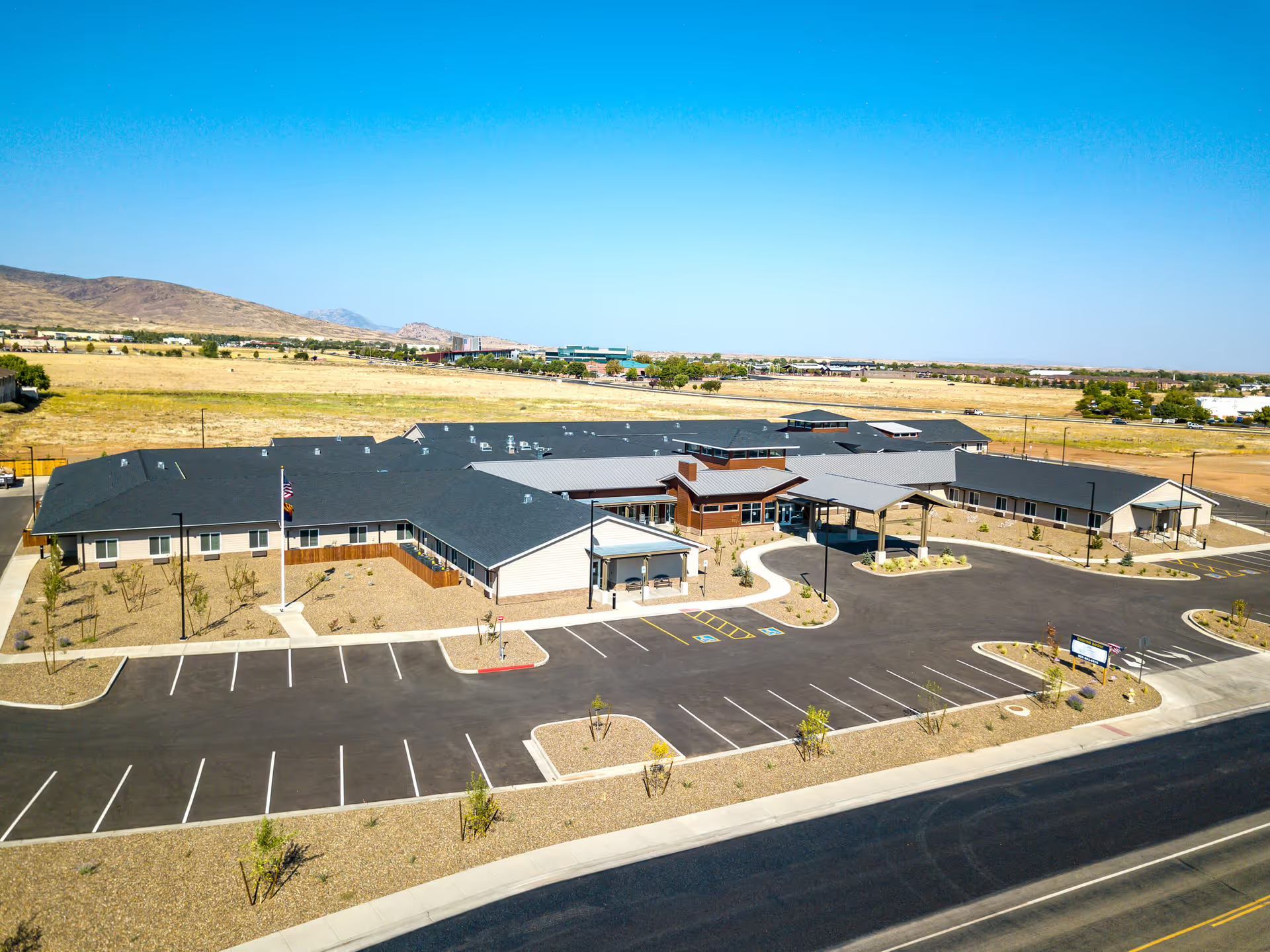
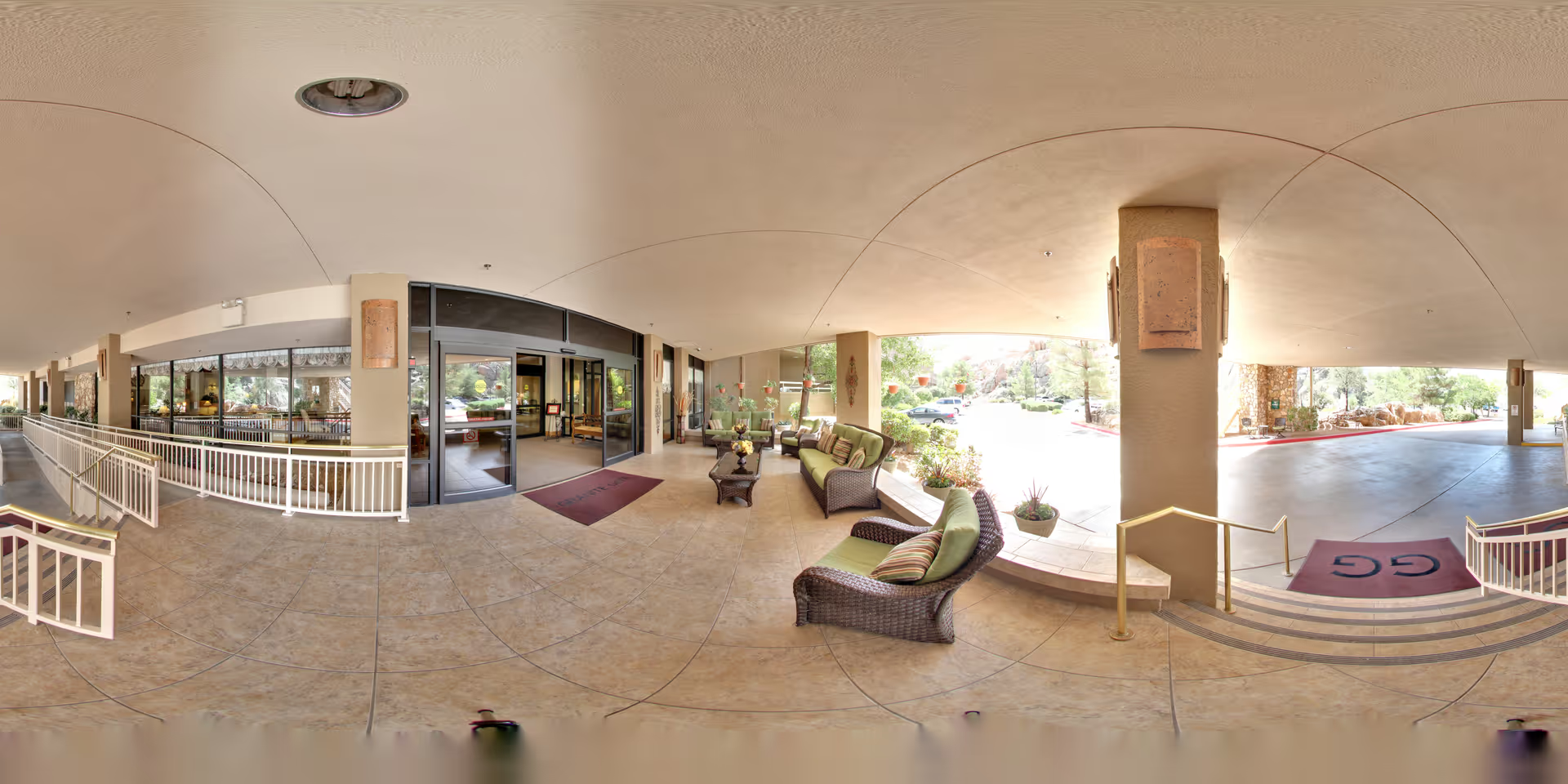
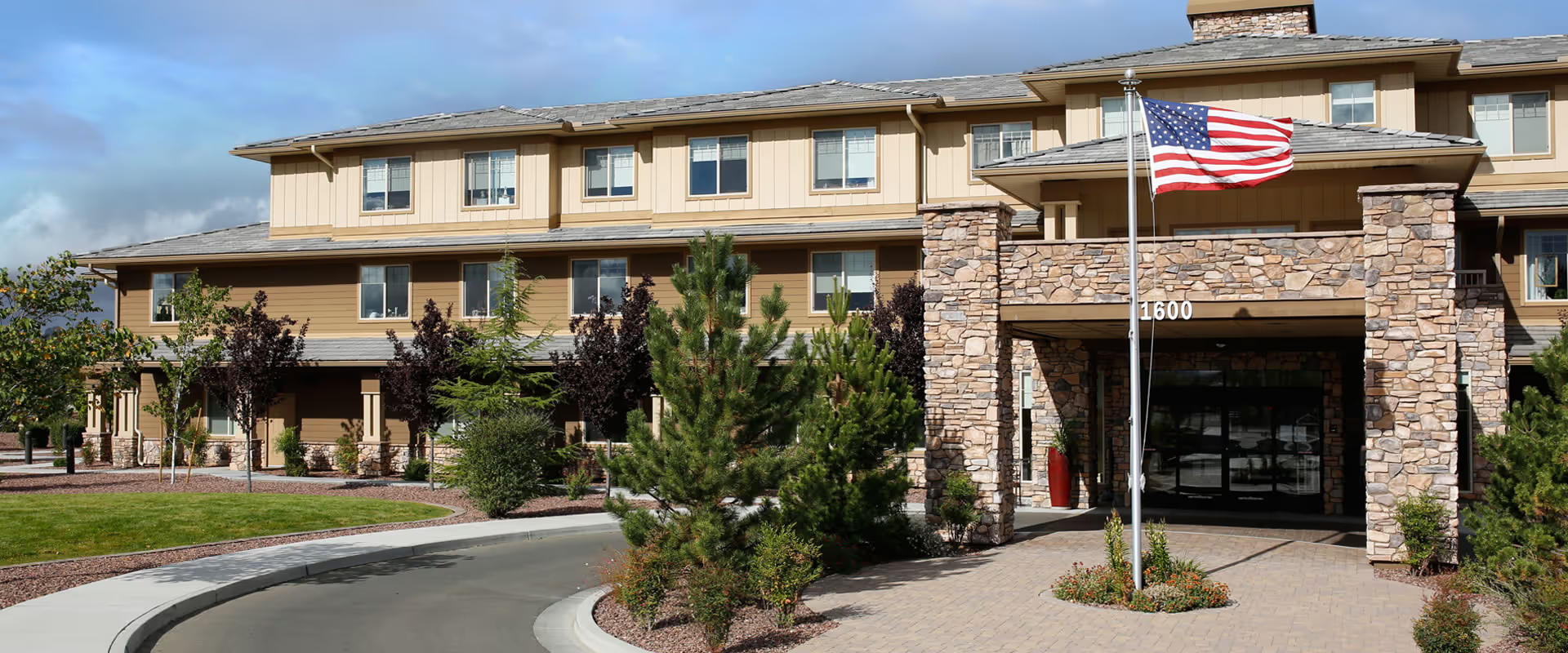
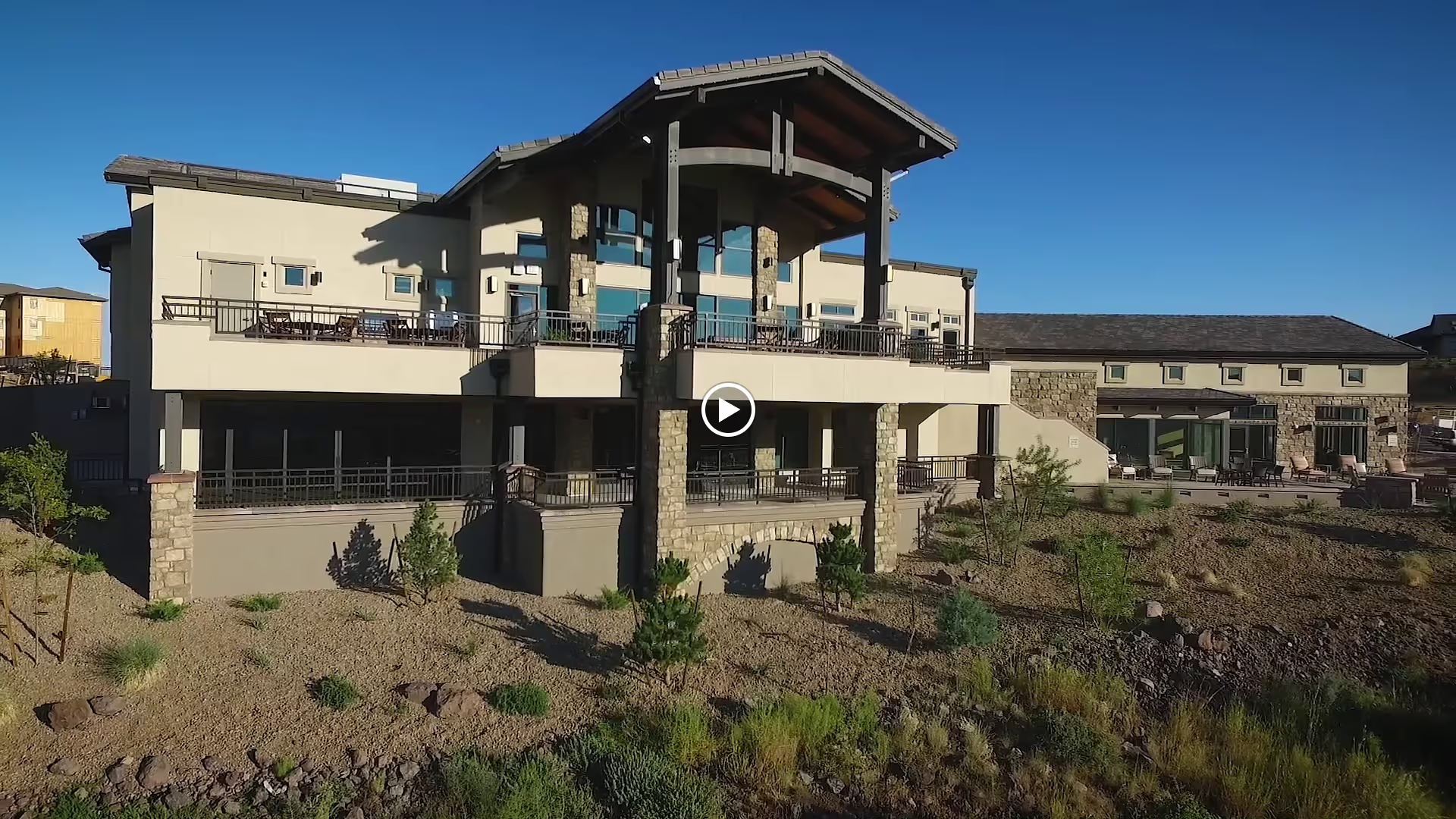
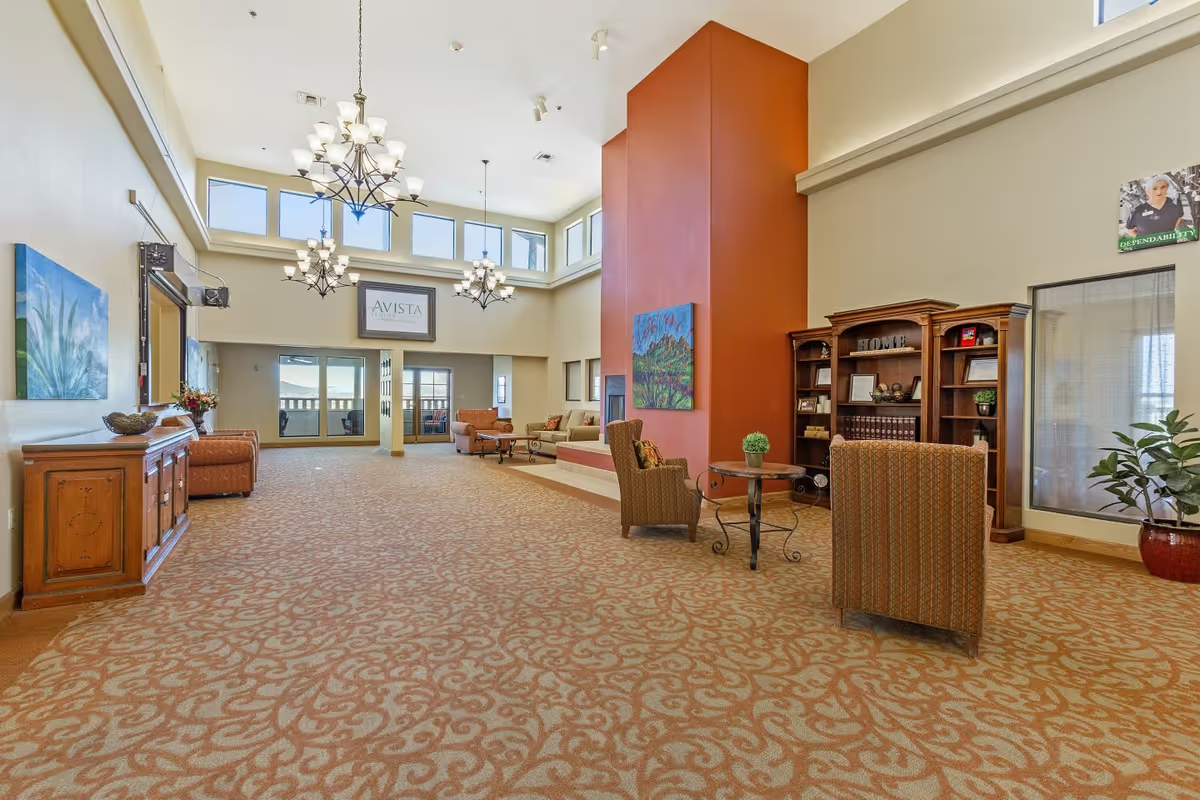
Facilities and management: The physical environment is described as clean, non-institutional, and well-maintained, supporting a peaceful atmosphere. Management is portrayed as calm and supportive, with positive notes about open communication with medical providers and families. The community’s non-corporate structure is framed as contributing to a family-style culture, though that structure can carry typical small-facility trade-offs.
Notable patterns and cautions: The overall tone is strongly positive, particularly regarding dementia-focused care, compassionate staff, and end-of-life support. However, an isolated negative experience is present in the record; this suggests there may be occasional inconsistencies in individual experiences or communication. Prospective families should verify current activity offerings and the breadth of on-site medical specialties if needs extend beyond dementia care, and they may want to ask about staffing levels and resource availability to assess how the small-scale, locally run model will meet long-term needs.