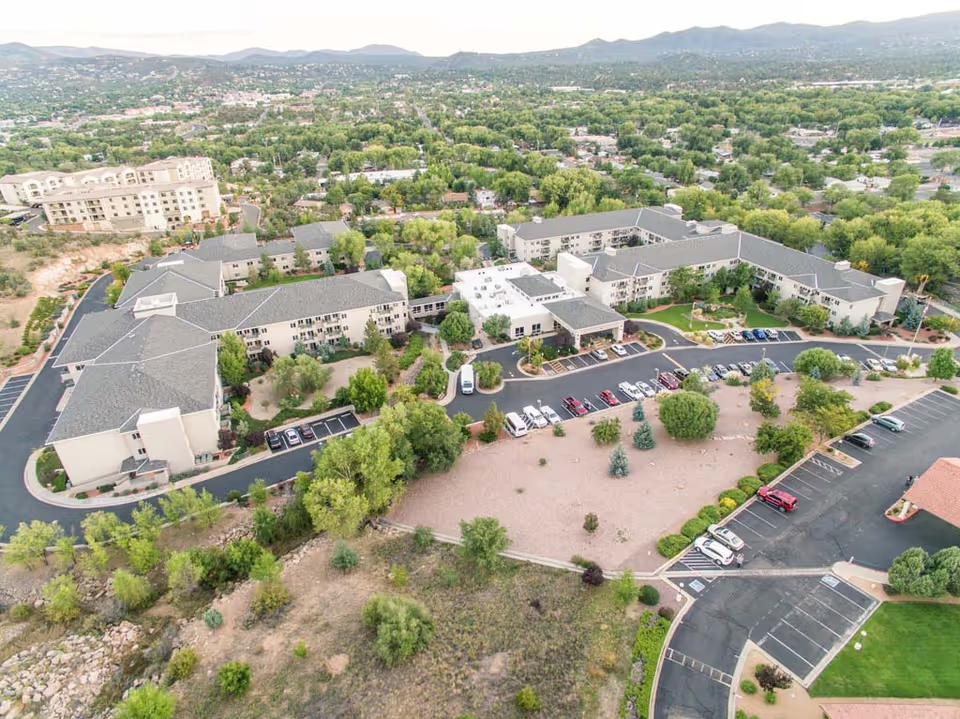
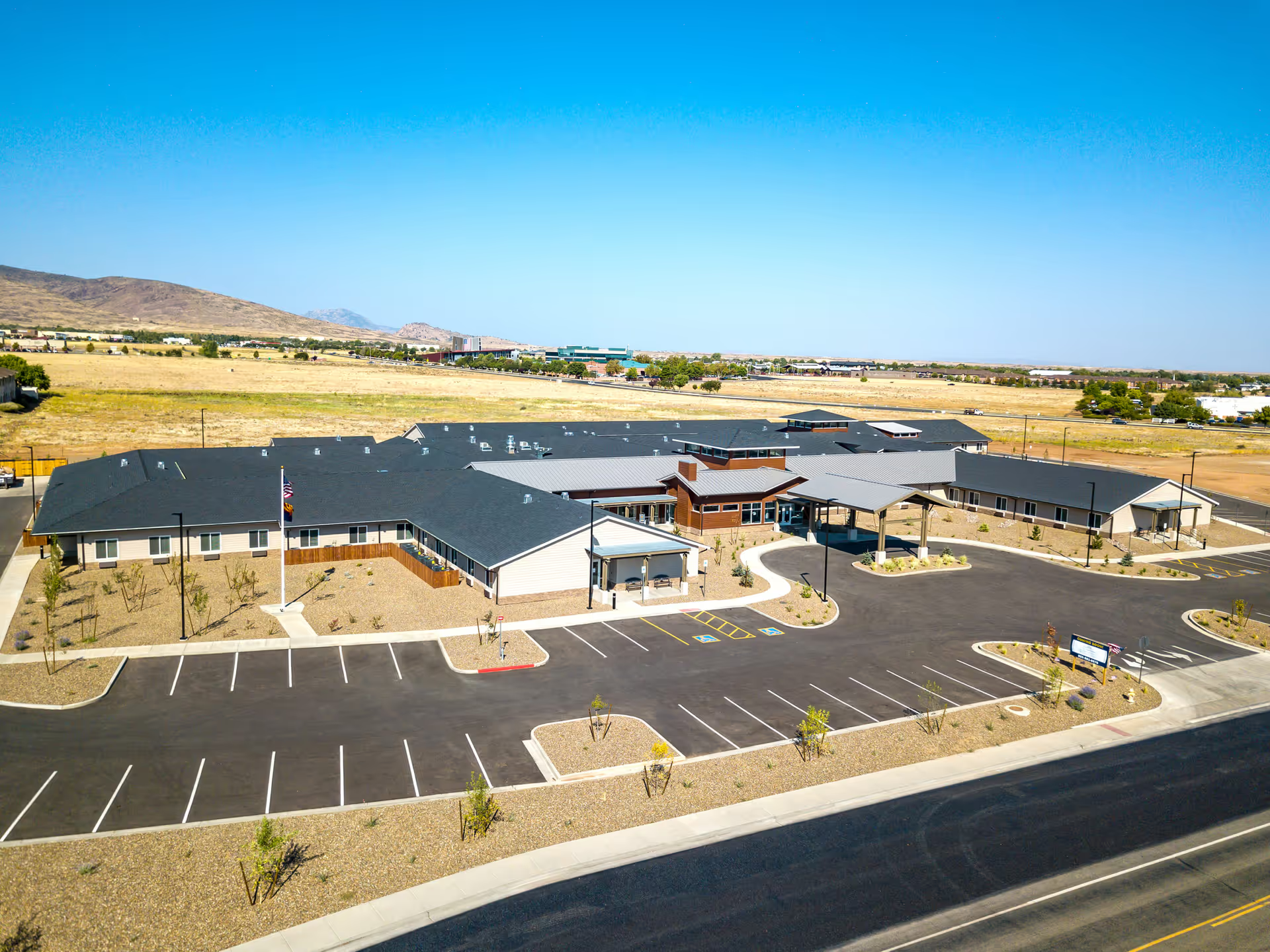
Granite Creek Health and Rehabilitation elicits highly polarized feedback. A substantial portion of reviews highlight strong rehabilitation services: an active physical and occupational therapy program, a well-equipped therapy gym, and many cases of patients achieving discharge goals and returning home. Numerous caregivers, therapists, and reception staff are named and praised for compassionate, individualized attention; activities staff also receive frequent commendation for engagement and community-building.
At the same time, reviewers describe recurring clinical and operational weaknesses. Medication administration errors and delayed doses, gaps in wound and respiratory care, and inconsistent specialist coverage (for example respiratory-therapy availability) are recurring concerns. Several families reported delays in responding to call buttons, slow emergency-response actions, and problems in transfer coordination, which together point to weaknesses in clinical escalation and safety processes. Falls, wound progression, and readmissions were described in connection with these issues.
Staffing and management patterns appear to drive much of the variability in experience. Many accounts attribute problems to chronic understaffing, canceled shifts, and personnel instability; other reviewers note a positive shift after leadership changes, describing improved culture and responsiveness under new management. Communication gaps are common: families cited difficulty reaching nurses or administration, inconsistent updates, lost contact information, and billing or consent-process errors. There are also isolated but serious allegations involving financial irregularities and medication handling; such claims suggest a need for transparent investigation and clear financial controls.
Facility and service-level concerns extend to housekeeping, maintenance, and dining. While parts of the building are described as clean and recently remodeled, other accounts note sanitation issues in resident rooms and common areas, maintenance shortcomings (broken equipment, cluttered halls, and delayed repairs), and inconsistent housekeeping practices. Dining quality is frequently described as uneven—ranging from praised kitchen staff and good meals to criticisms about limited fresh options, poor texture or temperature, and inadequate dietary accommodations for specific medical needs.
Infection-control and outbreak management were also mentioned as areas needing attention, with a few reviews describing post-admission infections and quarantine-related disruptions. Activity programming and social engagement are generally seen as strengths when staffing is adequate, but several reviewers experienced reduced or shortened therapy sessions during staffing shortages.
For prospective residents and families: Granite Creek offers a strong rehabilitation infrastructure and many devoted caregivers, and recent management changes have been credited with meaningful improvements. However, the facility also demonstrates operational inconsistencies—particularly around medication safety, staffing levels, communication, complex-care management, and billing procedures. Visitors should tour the facility, ask for current staffing ratios and specialist coverage (respiratory and wound care), review medication-administration and emergency-response protocols, inquire about recent regulatory citations or infection events, and request written clarification of billing and consent practices before admission.