Haven Health Prescott elicits strongly polarized impressions. A prevailing theme across the reviews is that bedside care and rehabilitation are core strengths: many families commended nursing staff and CNAs for compassionate, attentive care, and the facility’s physical and occupational therapy teams receive frequent praise for effective, recovery‑focused programs. Social services and discharge planning are repeatedly highlighted as a positive differentiator, with specific staff members noted for helping navigate Medicare/insurance, arranging home health or durable medical equipment, and coordinating post‑acute transitions.
Staff-level performance is a clear strength but also a source of variability. Numerous reviewers named individual CNAs, nurses, therapists, and social workers as exemplars of caring, competent practice; these staff members foster a home‑like atmosphere, engage residents in activities, and provide personalized attention. At the same time, several accounts describe inconsistent service depending on shift and day of week: weekend and night staffing are commonly cited as less reliable, and families noted delays responding to call lights, assistance with toileting and bathing, or bedside needs when staffing is stretched.
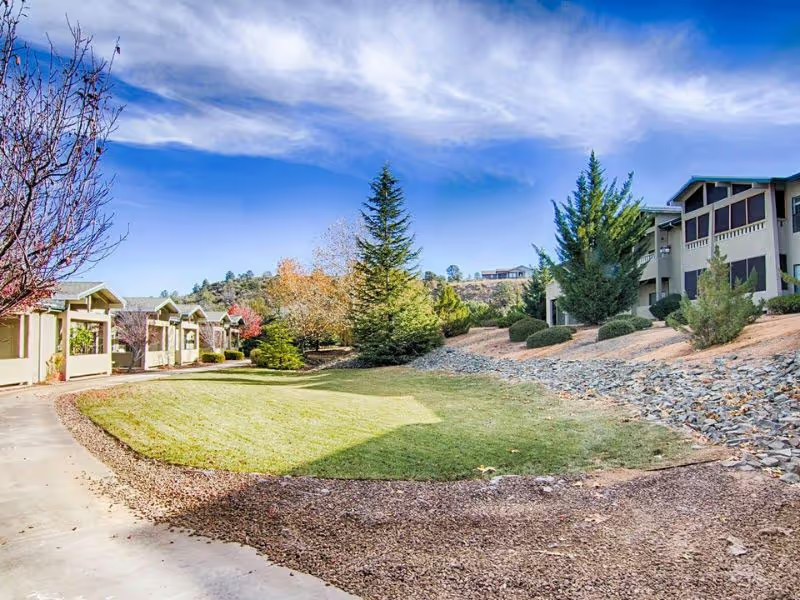
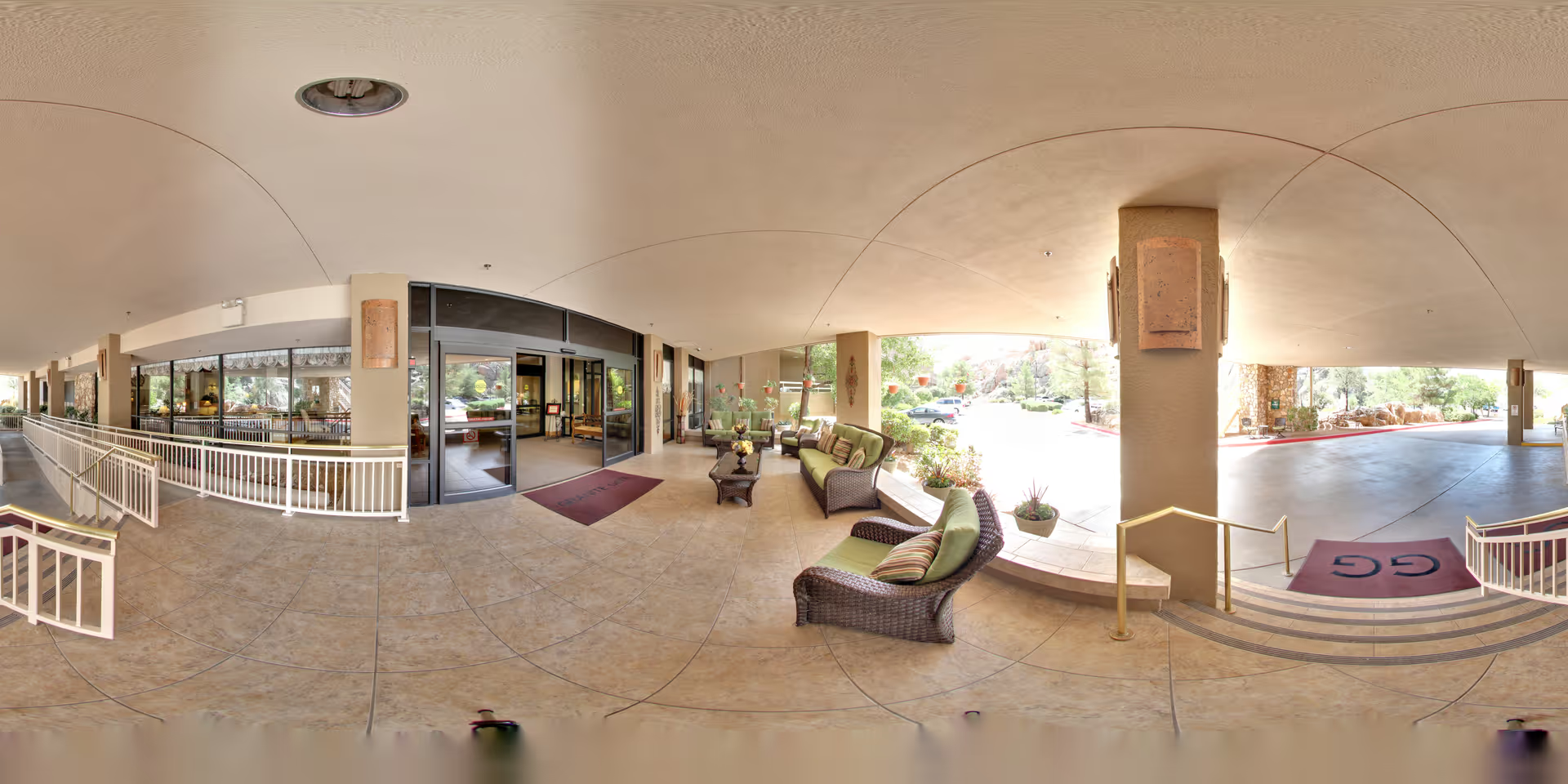
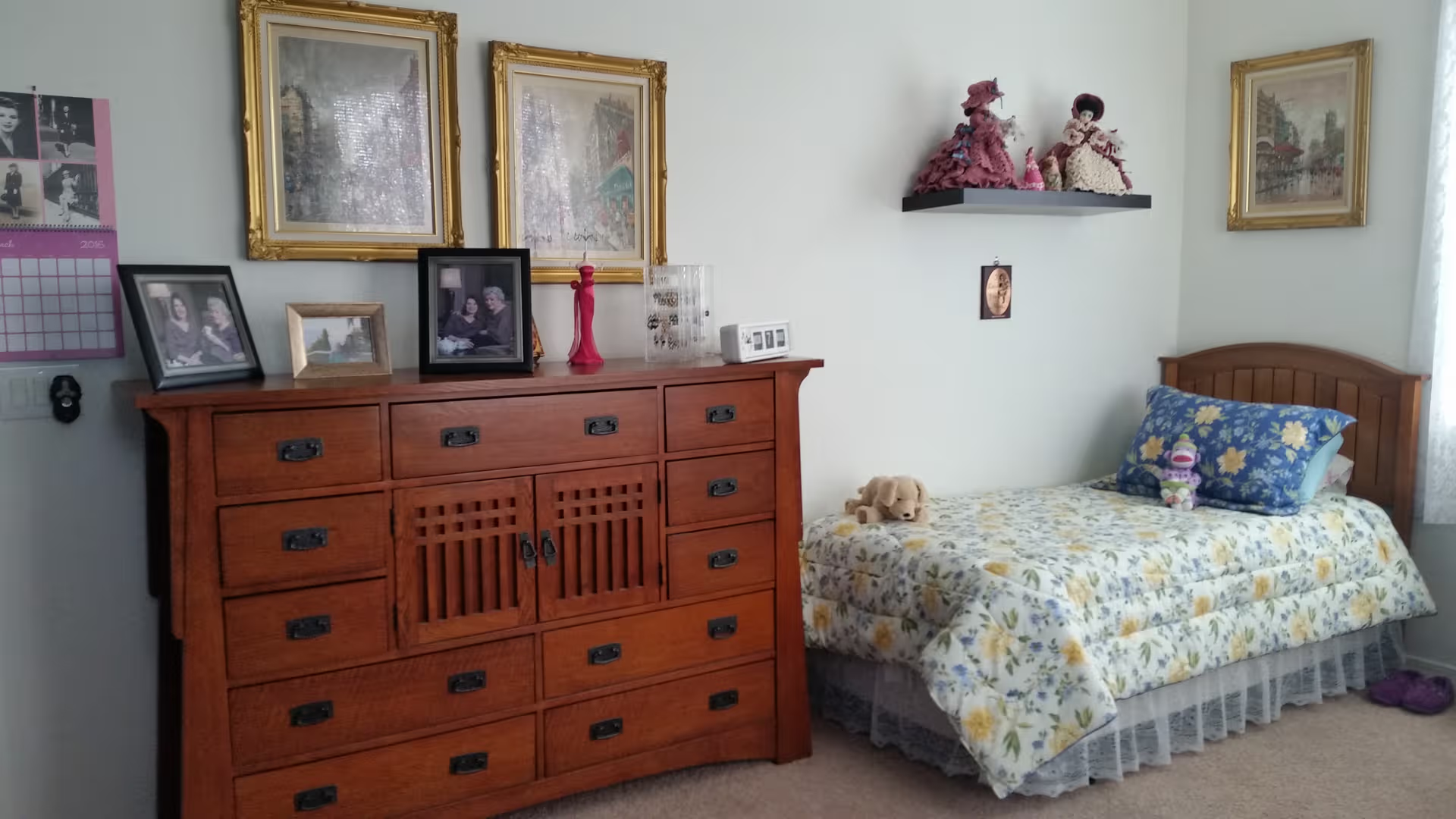
Dining and activities are mixed. The facility is frequently described as clean, cheerful, and active, with a program of outings and resident activities that families appreciate. Food quality receives both praise and criticism: some residents benefited from customized nutrition and plentiful choices, while others described undercooked or tough entrées and recurring problems in kitchen execution. The physical environment is generally well maintained and feels more home‑like than institutional, although reviewers flagged older building elements and ongoing remodeling in places.
Safety, clinical coordination, and communication emerged as notable patterns of concern. Several reviews describe delayed medication administration, limited physician responsiveness in urgent situations, and inconsistent follow‑through on clinical incidents. Families also reported gaps in incident notification and post‑event communication, including concerns following a resident’s death and instances where belongings were unaccounted for. These items point to operational weaknesses in escalation processes, family communication protocols, personal‑property controls, and night/weekend coverage.
Leadership and administration receive mostly positive comments for accessibility and community engagement, with specific administrators and directors praised for responsiveness and problem‑solving. However, some families experienced abrupt or tactless interactions with certain managers and constraints around visitation tied to infection‑control policies; these interactions contributed to perceptions of inconsistent leadership communication style.
In summary, Haven Health Prescott presents as a facility with strong rehabilitative capability, numerous highly regarded front‑line caregivers, and robust social‑services support—factors that many families found instrumental in recovery and discharge planning. Prospective residents and families should weigh these strengths against operational inconsistencies: variability in staffing coverage (particularly nights/weekends), intermittent lapses in clinical responsiveness and family notification, and mixed dining and maintenance experiences. Those considering Haven for short‑term rehab or coordinated discharge services may find the therapy and social‑work teams particularly valuable; families seeking long‑term placement should inquire specifically about night/weekend staffing levels, incident‑notification protocols, property‑security measures, and kitchen quality to ensure the facility’s operational profile matches their expectations.